
How to Make Your Own Disinfectant Wipes


Looking for a simple, affordable way to make your own disinfectant wipes? This guide walks you through safe methods, smart material choices, and proper storage so your disinfectant wipes actually do the job.
You’ll learn exactly how to make disinfectant wipes that fit your routine without waste or guesswork.
Why DIY Wipes Are Worth It
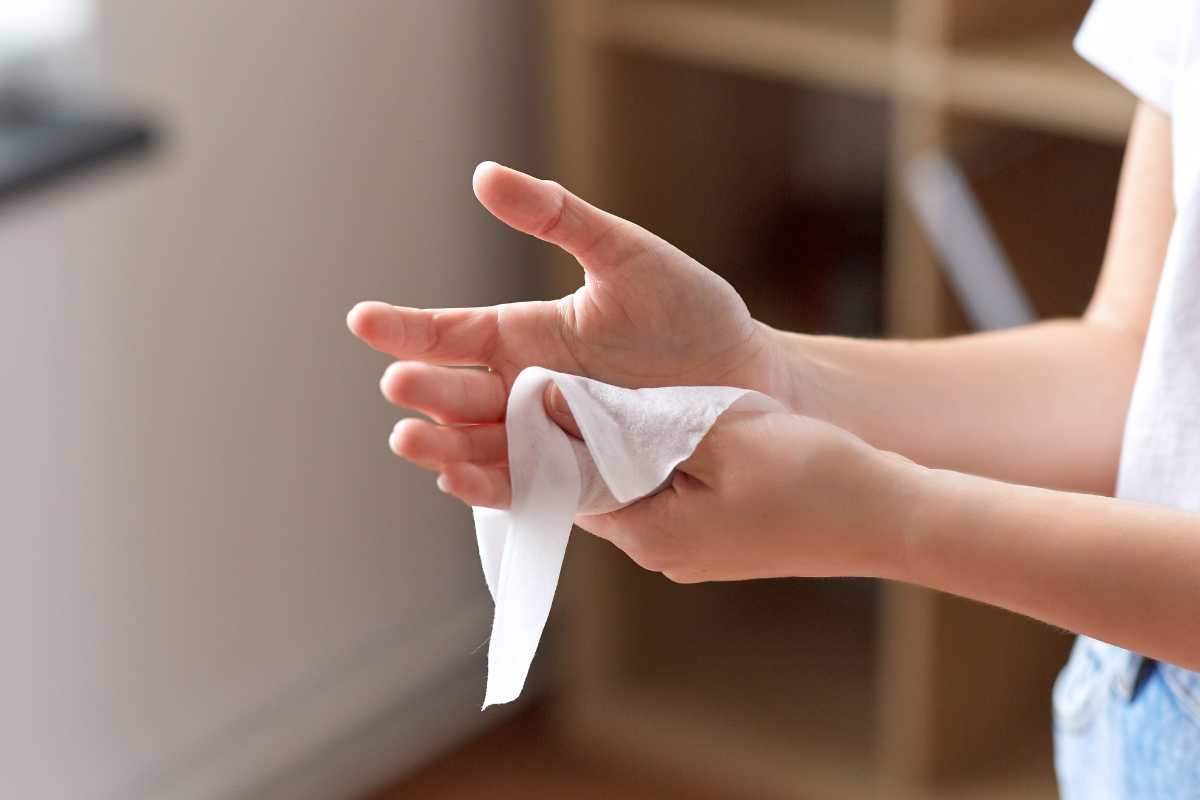
Store-bought wipes are convenient, but they aren’t always available, and formulas vary widely. Creating homemade disinfectant wipes lets you control the ingredients, reduce single-use plastic, and keep a backup supply for busy weeks. You also choose the cloth type—paper towels for convenience or washable fabric for less waste.
There’s another benefit: cost transparency. When you mix your own solution, you know exactly what you’re paying for—usually far less than big-brand tubs.
With the right ratio and contact time, diy disinfectant wipes can be a reliable addition to your cleaning toolkit.
Finally, DIY puts flexibility in your hands. Need a fragrance-free option? Choose unscented alcohol. Sensitive surfaces? Use soft, lint-free cloths. The key is pairing the right base liquid with sturdy wipes and following contact-time guidance from product labels.
Safety First: Smart Choices That Matter

Before mixing, read the label of your base liquid. Most households use 70% isopropyl alcohol or a consumer disinfectant that’s labeled for surface disinfection.
Follow the label’s instructions, including ventilation, skin protection, and contact time (the minutes the surface must stay visibly wet).
Never mix chemicals you’re unsure about. In particular, do not combine bleach with ammonia or vinegar, and avoid mixing multiple commercial cleaners together.
If you prefer bleach-based solutions, prepare them exactly as directed on the bleach bottle and keep them in a clearly labeled, well-ventilated container away from sunlight.
Store your solution and finished wipes out of reach of children and pets. Keep containers sealed between uses so the liquid doesn’t evaporate—especially important with alcohol-based formulas, which can lose strength if left open.
Materials That Work (No Fancy Gear Needed)
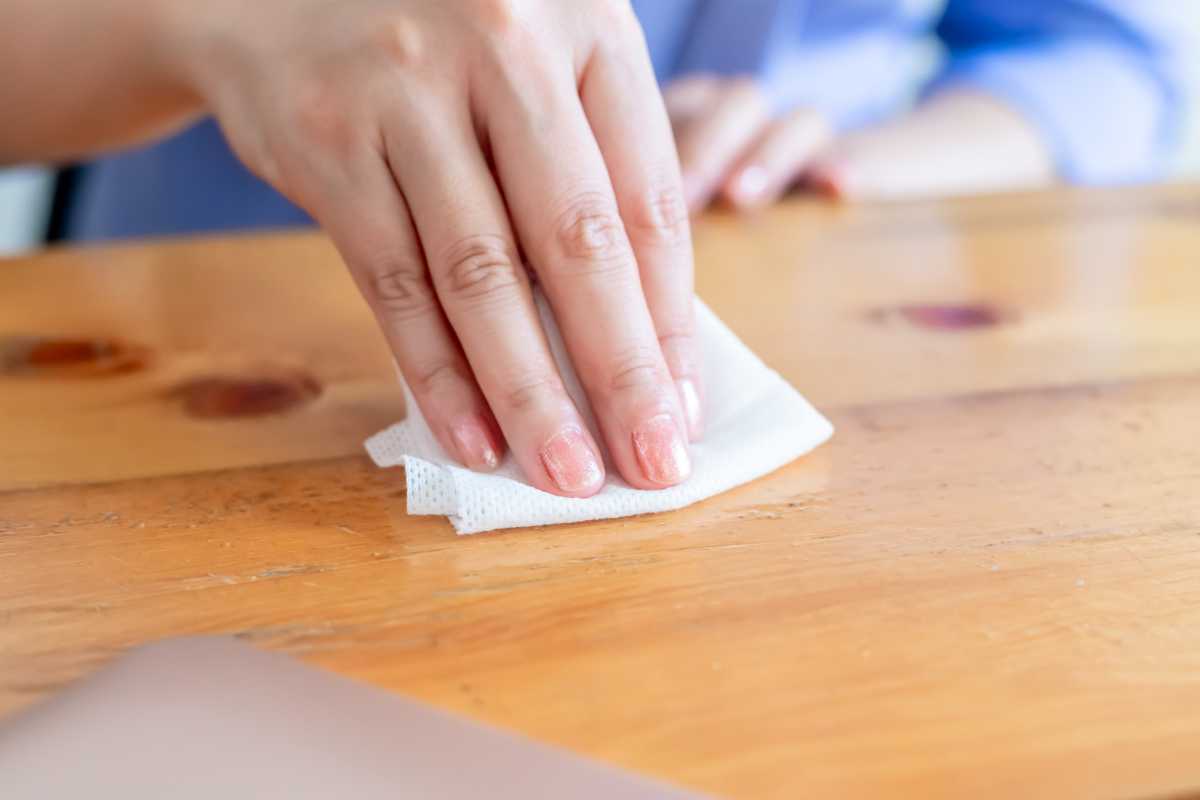
For the wipes, you can use thick paper towels, shop towels, or reusable cotton/flannel cloths. Paper towels should be strong when wet; if they shred easily, choose a sturdier brand or switch to cloth squares.
For containers, a wide-mouth glass jar, a food-storage box with a tight lid, or a cleaned, empty wipes canister all work well.
For the liquid, choose either 70% isopropyl alcohol or a ready-to-dilute household disinfectant labeled for hard, nonporous surfaces.
If you’re using a concentrate, follow the label’s dilution chart precisely. To add a light scent without compromising performance, use a small amount of label-compatible fragrance or rely on the base product’s scent.
Keep a permanent marker for labeling the container with the date and the base solution used. Clear labeling helps you rotate stock and remake small batches so the wipes stay fresh and effective.
How to Make Your Own Disinfectant Wipes (Step by Step)
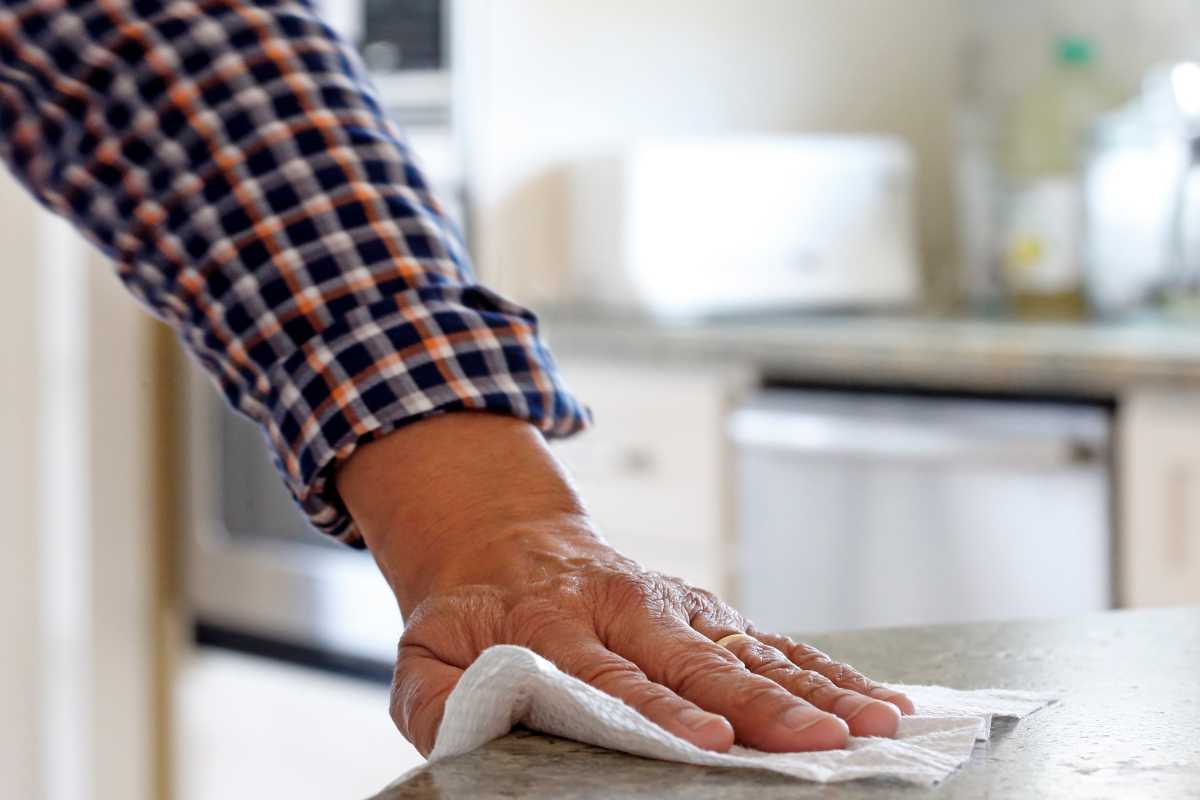
Step 1: Prep the wipes. Cut or fold your paper towels or cloth squares to a consistent size. Pack them loosely into your container so liquid can reach every layer.
If using a paper towel roll, remove the cardboard core after cutting the roll in half; this makes it easier to pull wipes from the center.
Step 2: Mix the liquid. Measure your chosen base—commonly 70% isopropyl alcohol straight from the bottle, or a properly diluted household disinfectant.
Pour enough to thoroughly saturate the stack without flooding the container; you want fully wet, not dripping.
Step 3: Saturate and rest. Slowly pour the liquid around the edges and across the top. Seal the lid and let the stack sit for a few minutes so the solution wicks through every sheet. Flip the stack if needed to ensure even saturation.
Step 4: Label and store. Mark the date and the formula used. Store at room temperature, away from heat or flames (for alcohol). Keep the container tightly closed between uses to prevent evaporation.
How to Use Wipes for Best Results
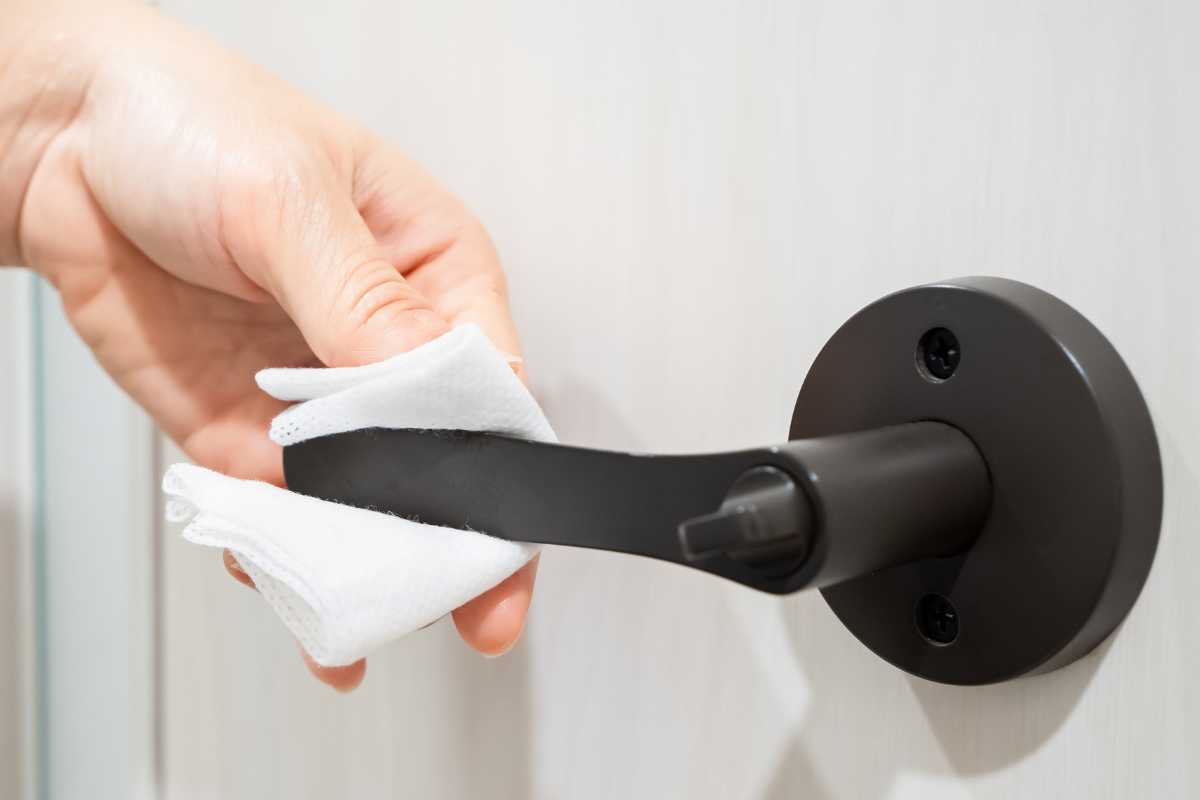
Clean visible dirt first with soap and water; disinfectants work best on already-clean surfaces.
Wipe the area until it’s visibly wet and allow it to remain wet for the full contact time listed on your product’s label—this is the most overlooked step in using disinfectant wipes effectively.
Use one wipe per small area to avoid spreading grime back and forth. For larger jobs, switch wipes as soon as they look dirty or start to dry out. On electronics, apply to a cloth first and wring lightly to avoid excess liquid entering ports or seams.
After use, reseal the container immediately. For reusable cloths, store used ones in a separate hamper and launder them hot with detergent. Replace the solution and refresh the wipes regularly so performance stays consistent.
Two Reliable Formulas You Can Trust
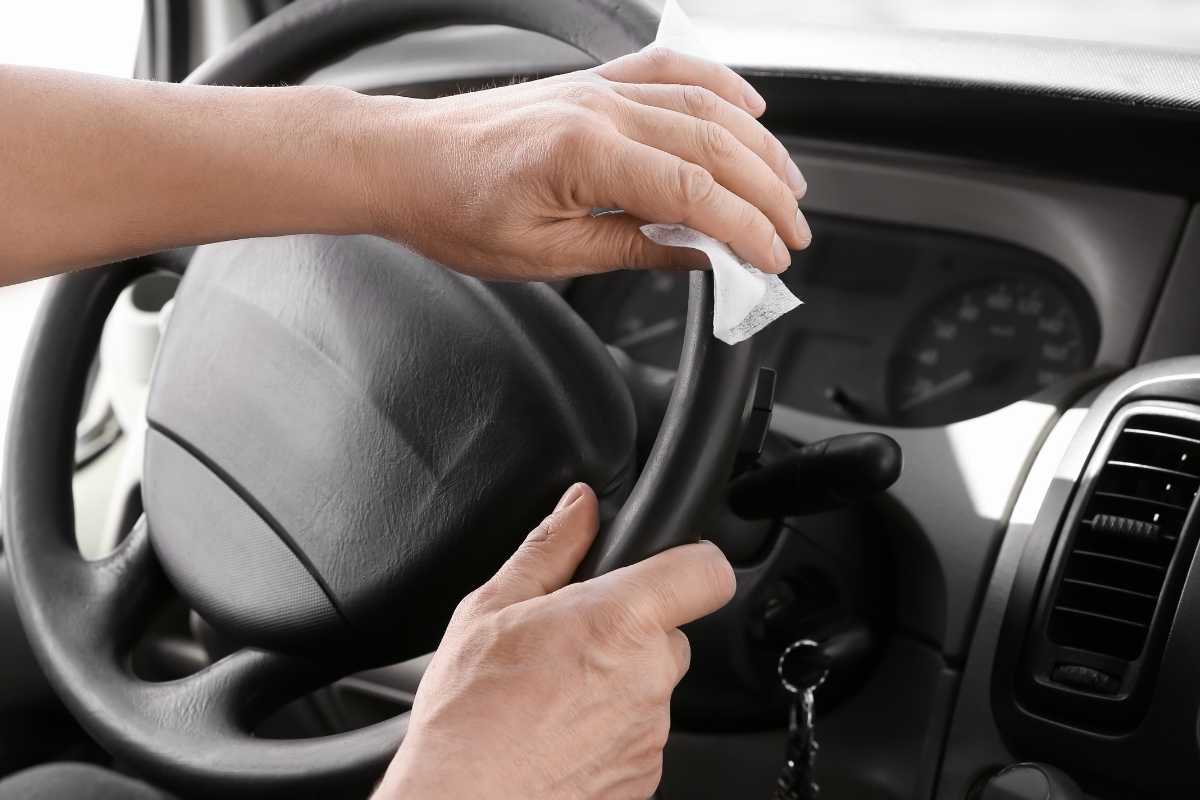
Alcohol-based: Use 70% isopropyl alcohol directly to saturate your wipes. It’s simple, fast-drying, and widely available. Keep containers closed between uses to prevent evaporation that can reduce strength over time.
Label-diluted disinfectant: Many household disinfectants are designed to be diluted with water. Follow the exact dilution printed on the bottle, then pour over your wipes. This route is helpful if you prefer a lower-odor option or want ingredients listed on a consumer label.
Whichever route you choose for your homemade disinfectant wipes, remember that performance depends on proper ratios and contact time. When in doubt, stick to small batches and remake frequently.
FAQs About DIY Disinfectant Wipes

Are paper towels or cloth better? Paper towels are convenient and disposable; cloth is durable and eco-friendly. If you pick cloth, wash on hot and dry thoroughly between uses. Either can work for diy disinfectant wipes—choose based on your cleaning routine.
Can I add essential oils? They can add scent, but they aren’t substitutes for registered disinfectants. If you use them, keep the amount minimal and make sure they don’t conflict with the product label you’re following.
How long do wipes last? Alcohol-based wipes can evaporate if the lid is left open; remake small batches every few weeks. For diluted products, defer to the label’s guidance and mix fresh when in doubt.
Make It a Habit
Now that you know how to make disinfectant wipes that suit your home, keep a small kit ready: a sealed container, a measured base liquid, and your preferred wipe material. Refill on a schedule so you’re never out when you need quick cleanup.
With thoughtful prep and safe handling, you can make your own disinfectant wipes that are effective, budget-friendly, and tailored to your surfaces. Small batches, clear labels, and proper contact time are the trifecta for consistent results.
Want more step-by-step home solutions like this? Explore our latest cleaning, organizing, and maintenance guides on Urbaki and build a routine that saves time every week.
Enjoy this Video Tutorial

Source: Do It On A Dime
More Home Tips 👇🏼👇🏼