
Sensory-Friendly Home Design Tips


Designing a sensory-friendly home is about creating an environment that promotes comfort and relaxation while accommodating individuals with sensory sensitivities.
Whether it's due to autism, ADHD, or other sensory processing challenges, a sensory-friendly home can make a world of difference. In this article, we will explore various tips and strategies to design a space that feels welcoming and soothing for everyone in the household.
Understanding Sensory Sensitivities
Before diving into the design tips, it’s essential to understand what sensory sensitivities are. Sensory sensitivities occur when a person’s brain has difficulty processing and responding to stimuli from the environment.
These stimuli can include lights, sounds, textures, and smells, which may be overwhelming or irritating for some people.
By considering sensory processing needs, we can design spaces that minimize discomfort and maximize well-being. Let’s explore how you can implement these considerations into your home design.
How to Build a Calming and Comfortable Space
1. Create a Calm and Soothing Color Palette
Colors play a significant role in setting the mood of a room. For a sensory-friendly space, neutral tones and soft pastels are ideal choices. These colors are less stimulating and create a peaceful atmosphere.

Shades of blue, green, beige, and light gray are excellent choices for walls, furniture, and accessories.
Avoid overly bright or bold colors like red, orange, or neon hues, as they can be too stimulating. For individuals with heightened sensory sensitivities, muted tones offer a sense of calm and help reduce anxiety.
Color Tips:
- Opt for light blues, soft greens, and muted yellows for a peaceful vibe.
- Incorporate white, off-white, and light beige for a clean, calming look.
- Consider using colored accents like throw pillows or rugs in subtle tones for visual interest without overwhelming the space.
2. Minimize Clutter for a Calmer Environment
Clutter can overwhelm the senses, so it’s important to keep spaces tidy and organized. A clean and uncluttered environment helps reduce visual distractions and promotes a feeling of control and relaxation.
Use storage solutions that keep toys, books, or other items out of sight, such as baskets, shelves, or closed cabinets.
Decluttering doesn’t just apply to visible spaces—it also includes sound. Keep electronics or noise-producing items to a minimum, or invest in noise-canceling headphones or white noise machines to mask any disruptive sounds.
Organization Tips:
- Use storage bins and cabinets to hide away miscellaneous items.
- Create designated spaces for work or study areas, making them organized and easy to use.
- Use a clean, minimalist aesthetic with only essential pieces in a room.
3. Focus on Lighting Control
Lighting can significantly affect the sensory experience in a room. Bright fluorescent lights and harsh overhead lighting can be jarring, leading to sensory overload. Soft, adjustable lighting is a better choice.
Consider using dimmer switches to control light intensity, and opt for warm LED bulbs for a soft, inviting glow.
For rooms like bedrooms or relaxation spaces, soft, ambient lighting works best. Using table lamps or floor lamps with dimming options can help create a soothing atmosphere without the discomfort of overhead lights.

Lighting Tips:
- Install dimmer switches in rooms for more control over the light intensity.
- Choose warm-toned bulbs over cool, blue-toned lights for a more calming effect.
- Incorporate natural light where possible, and use sheer curtains or blinds to control light intensity.
4. Incorporate Soft Textures and Comfortable Furnishings
The feel of materials against the skin can greatly impact comfort. For a sensory-friendly home, choose soft, natural materials like cotton, linen, and wool for furniture, curtains, and upholstery. These materials are breathable, comfortable, and soothing to touch.
Avoid rough, scratchy fabrics like certain types of polyester or nylon that may irritate sensitive skin. Plush pillows, soft throws, and area rugs can add layers of comfort to seating areas and create a cozy, inviting space.
Texture Tips:
- Choose soft fabrics like cotton, velvet, or linen for cushions, sofas, and bedding.
- Add textured rugs or throw blankets to create a comfortable atmosphere.
- Opt for smooth surfaces on furniture, avoiding harsh, uncomfortable materials.
5. Control Sound and Noise
For many individuals with sensory sensitivities, noise can be overwhelming. To create a sensory-friendly home, it’s important to control the sounds in each room.
Soft materials such as fabric-covered furniture, heavy curtains, and carpeting can help absorb sound and reduce echo.
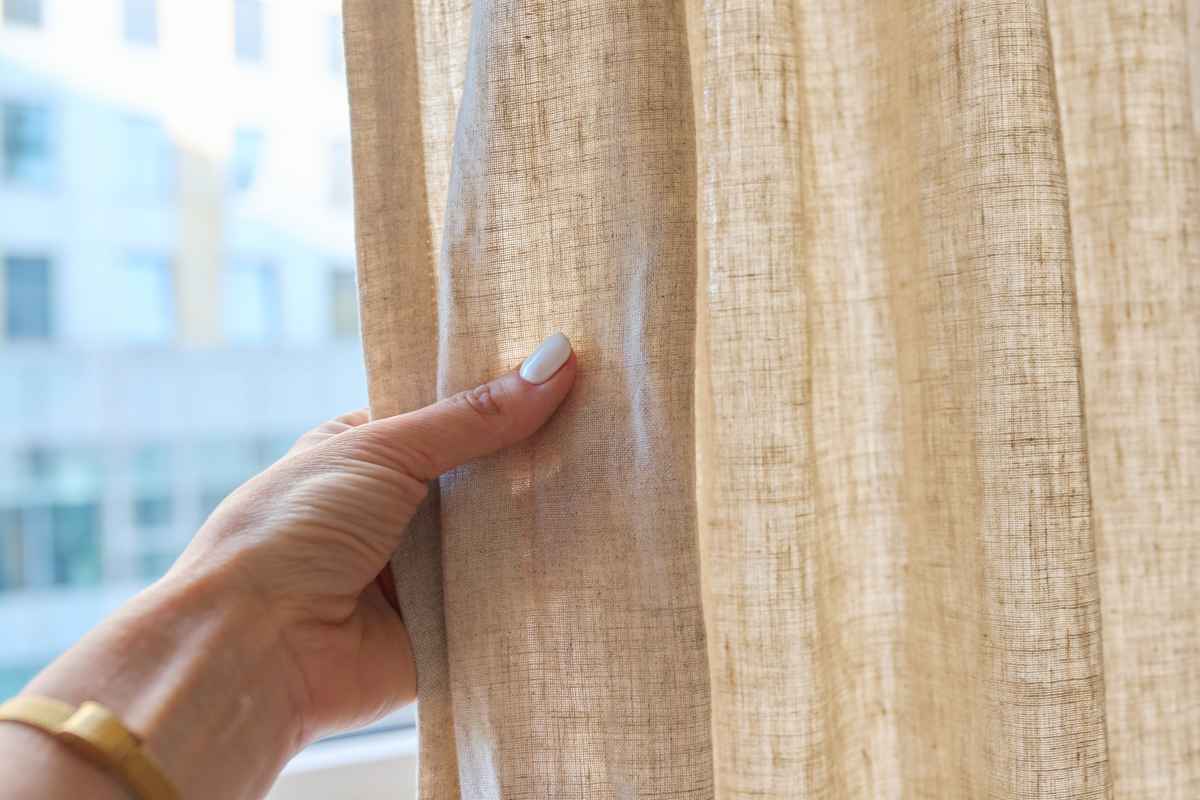
In areas where noise might be unavoidable, like the kitchen or bathroom, consider installing soundproofing elements such as acoustic panels or specialized insulation.
If certain sounds remain problematic, invest in white noise machines or noise-canceling headphones to mask disturbing noises.
Sound Control Tips:
- Use heavy curtains or blinds to reduce outside noise.
- Install carpet or rugs to absorb sound and create a quieter environment.
- Use soft fabrics in furniture and décor to minimize noise reflection.
6. Ensure Proper Air Quality and Fragrance-Free Zones
Strong smells can be irritating for those with sensory sensitivities, so creating fragrance-free zones is key. Use unscented cleaning products, and avoid strong-smelling candles, air fresheners, or perfumes.
Instead, choose air purifiers to maintain fresh air quality without overpowering scents.
If fragrance is necessary for relaxation, consider mild, natural scents like lavender or chamomile, and opt for essential oils in moderation.
Air Quality Tips:
- Use unscented cleaning products and fragrance-free detergents to reduce exposure to strong smells.
- Invest in an air purifier to ensure a clean, allergen-free environment.
- Opt for natural, mild scents from essential oils or potted plants for gentle fragrance.
7. Create Dedicated Sensory Spaces
Incorporating designated sensory spaces into your home can offer individuals a retreat from overwhelming stimuli. A sensory room or quiet corner filled with soft seating, soothing colors, and calming activities can provide a sanctuary for relaxation.
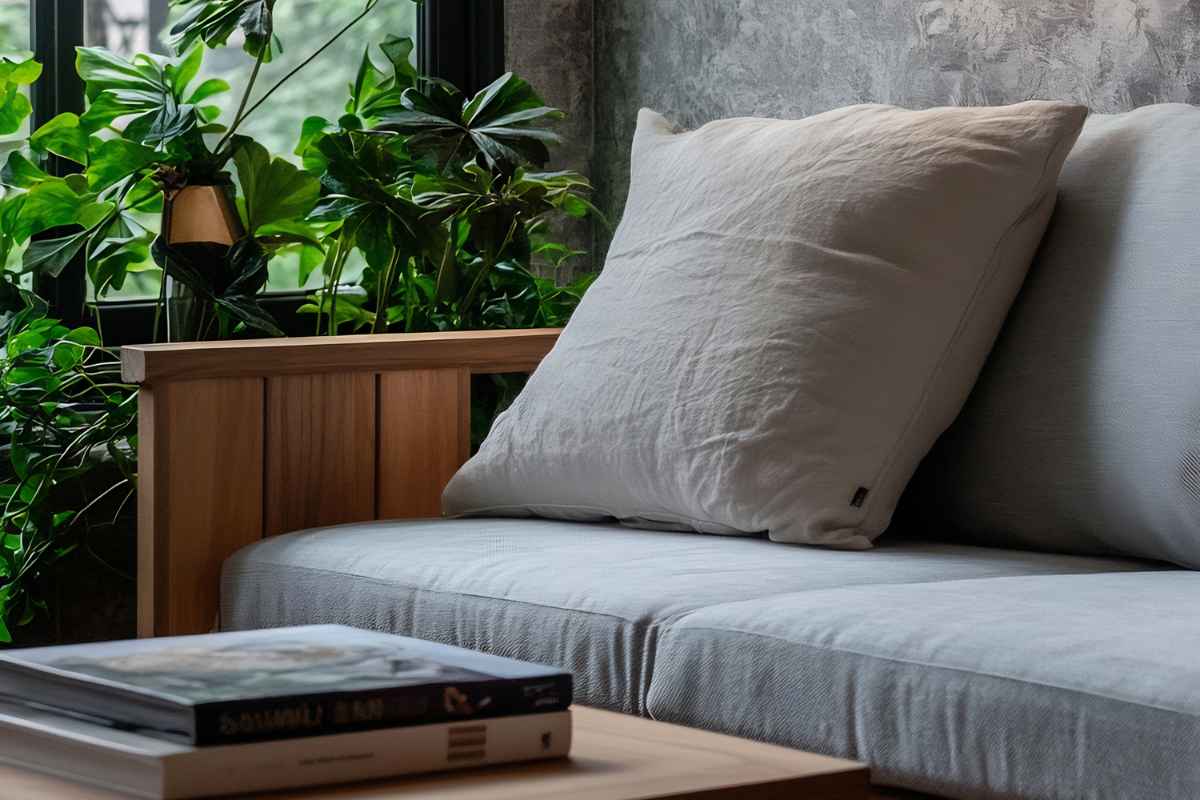
In this space, you can include sensory tools like weighted blankets, fidget toys, or soft music to create a safe environment for decompressing.
Sensory Space Tips:
- Designate a corner or room with soft lighting, calming colors, and comfortable seating.
- Include sensory-friendly items like weighted blankets, fidget toys, or calming visual displays like soft water fountains or calming lights.
- Ensure the space is clutter-free and inviting for relaxation.
Creating a Sensory-Friendly Home
Designing a sensory-friendly home is about understanding and accommodating the unique needs of individuals with sensory sensitivities.
By focusing on elements like lighting, textures, clutter reduction, and sound control, you can create an environment that promotes comfort, relaxation, and well-being for everyone in the household.
Whether you are designing a space for someone with autism, ADHD, or simply seeking to create a calm, inviting atmosphere, these design tips can help you build a home that feels soothing and sensory-friendly.
By paying attention to the details and creating a mindful living environment, you can ensure that your home provides a peaceful retreat for all.
Did you find this post Useful or Inspiring? Save THIS PIN to your HOME Board on Pinterest!

More Home Tips 👇🏼👇🏼