
Strategies to Avoid Food Waste at Home


Reducing food waste at home isn’t just about being “eco-friendly.” It’s about not throwing away money, not letting good ingredients die in the back of the fridge, and creating a kitchen that actually works for you.
When we toss wilted lettuce, half an onion, or last night’s rice, we’re literally throwing our grocery budget in the trash. The good news: you don’t have to overhaul your life to make a difference.
You can start with one small habit today and build from there. Here are practical, realistic ideas to help you reduce food waste, save money on groceries, and feel more in control of your kitchen.
Plan Your Meals Before You Shop
Before you even think about going to the store, pause. Planning your meals before you shop is the number one way to avoid overbuying the same things again and again.
Look at what you already have first. Open your fridge, freezer, and pantry. What needs to be used soon? Mushy tomatoes? Half a block of cheese? Chicken thighs you forgot in the freezer? Those are not “problems.” That’s dinner waiting to happen.
A helpful trick: take a quick photo of your fridge and pantry shelves before you leave the house.
That way, when you’re standing in the store wondering “Do I already have sour cream?” you can just check your phone instead of buying another one.
Now build a short meal plan around what you already own and only add what’s missing to your shopping list. This mindset flips the usual order.
The goal isn’t “What do I want to eat this week and what do I need to buy?” It’s: “What food do I already paid for that I refuse to waste?”
When you shop with a plan, you buy less, spend less, and throw out less. Meal planning is one of the easiest ways to cut food waste and save money every week.
 Use Your Fridge on Purpose (Not by Accident)
A big reason food goes to waste is that it gets lost. We forget it exists until it’s too late. Let’s fix that with two simple habits.
Create an “Eat Me First” Zone
Pick one visible shelf or one clear container in your fridge and label it “Eat Me First.”
Everything that is getting close to the end of its life goes there: the open jar of salsa, the last two slices of deli meat, the lonely half avocado, the broccoli that’s starting to fade.
This becomes the priority zone. When you pack a lunch, when you make a snack, when you build dinner, you start here.
This removes guesswork and makes it easier to use ingredients before they spoil.
Store Food So It Actually Lasts
Small tweaks can add days of life to your produce. Wrap fresh herbs and leafy greens in a slightly damp paper towel and tuck them in an airtight container to keep them crisp instead of slimy.
Keep berries dry and in a breathable container so they mold slower. Move new groceries to the back and pull older items forward.
Organizing your fridge to make older food easy to see is a quiet but powerful way to reduce food waste at home.
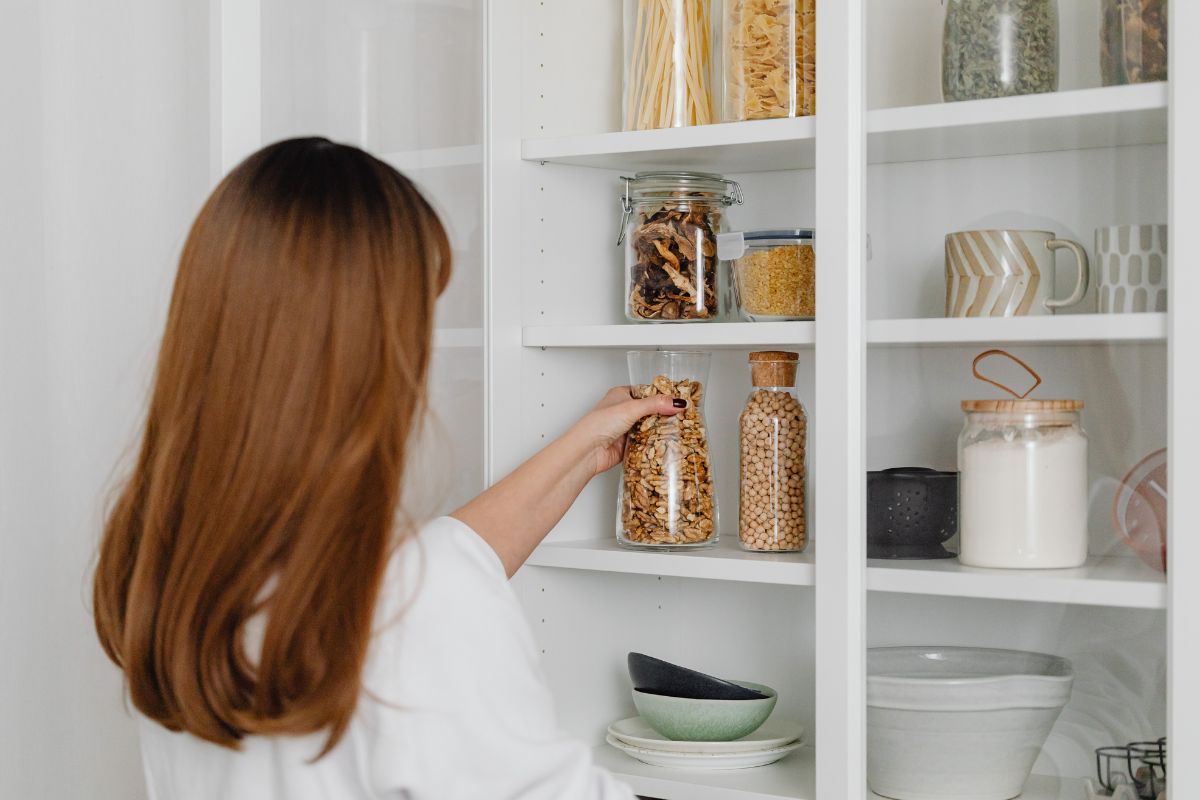 Turn Veggie Scraps and Bones Into Homemade Broth
That bag of carrot peels, celery ends, onion tops, and chicken bones? That’s not trash. That’s flavor.
Instead of throwing those scraps away, collect them. Keep a large freezer-safe bag or container where you toss clean vegetable trimmings and bones from cooked chicken. When the container is full, you’re ready.
Here’s the basic method:
Put the frozen scraps in a pot.
Cover with water.
Add salt, pepper, maybe a bay leaf or some garlic if you have it.
Simmer low and slow for a few hours.
Strain and cool.
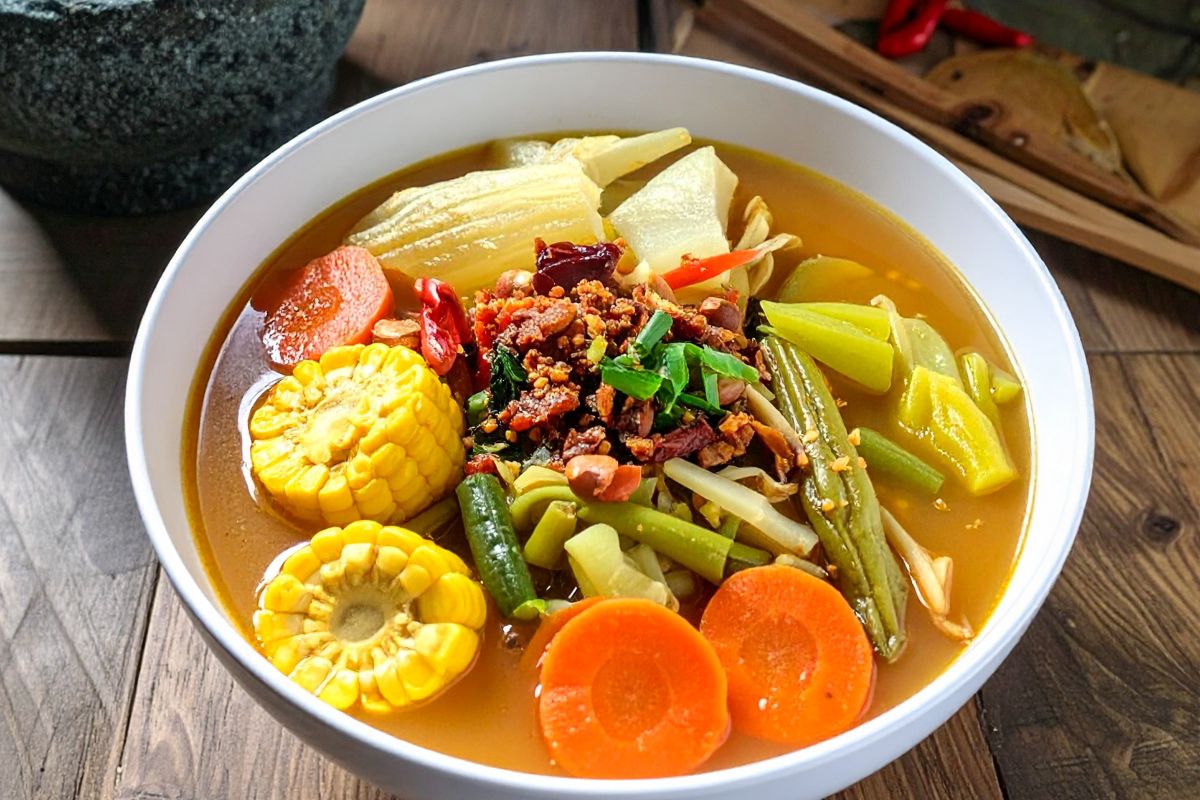
Now you have homemade broth for soups, grains, sauces, and stews. You didn’t pay extra for it. You rescued food that would have gone straight to the bin.
Important note: if something smells off or clearly spoiled, don’t keep it. We’re saving food, not risking food safety. But if it’s just the end of the onion or the celery leaves no one eats, go ahead.
Making homemade broth from scraps is one of the easiest ways to stretch your groceries and waste less.
 Put Your Freezer to Work
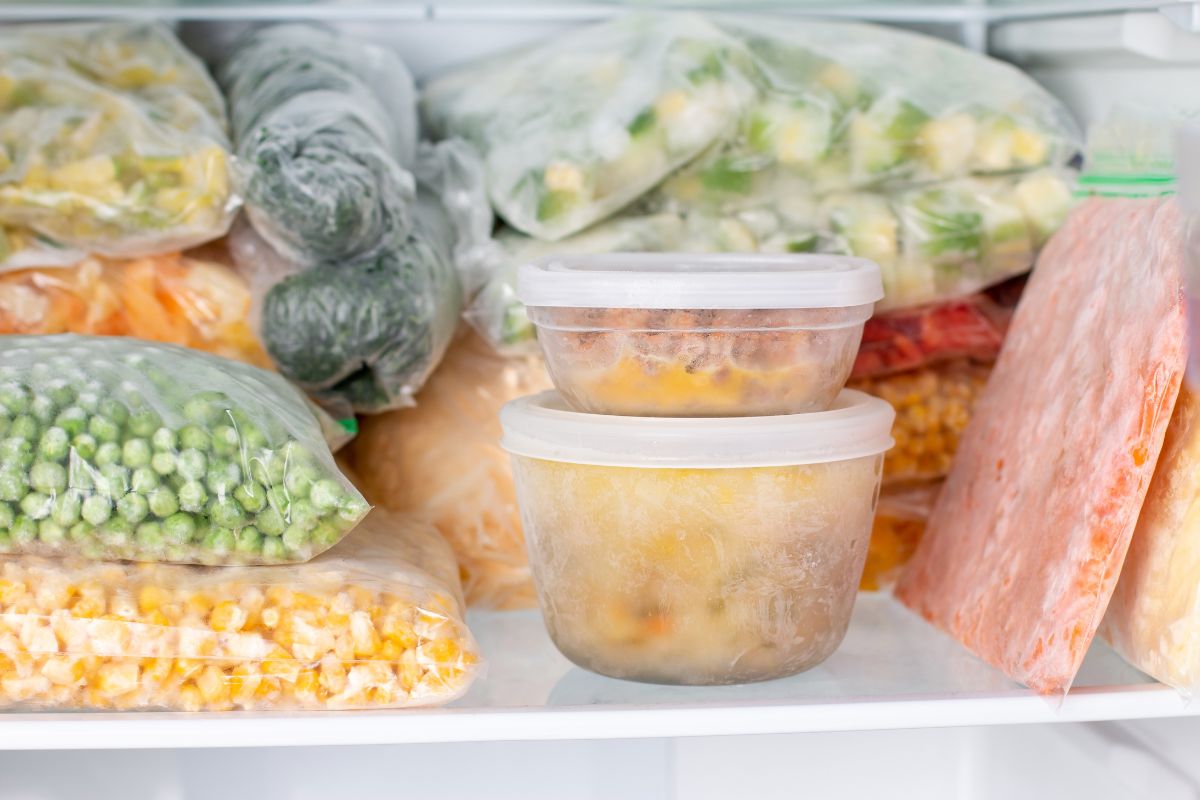
Your freezer is not just long-term storage. It’s a pause button for “I’m not going to eat this today, but I will eat it later.” When you use it with intention, you save leftovers instead of throwing them out.
Label and Date Everything
The number one rule: label. Use tape or a marker. Write what it is and the date. Future you will not magically remember what that container is. When things are labeled, you’ll actually use them instead of throwing them away out of doubt.
Freeze More Than You Think
You can freeze way more than most people realize:
Cooked rice and pasta: Freeze in individual portions. Reheat in the microwave with a splash of water.
Milk: Freeze it in small containers if you can’t finish it before the date.
Cheese: Grate cheese that’s about to dry out and freeze it for future pasta, soups, or casseroles.
Eggs: Crack eggs into a bowl, whisk lightly, and freeze in an ice cube tray. Pop out an egg cube later for scrambled eggs or baking.
Leftover soup, cooked beans, taco filling, roasted vegetables, tomato sauce — all of that can go in the freezer in single-meal portions.
Freezing leftovers before they go bad is a simple way to cut food waste and save money on groceries.
 Plan a “Leftovers Night” Every Week
Here’s a mindset shift: leftovers are not “sad food.” They are “pre-cooked food that you don’t have to make again.”
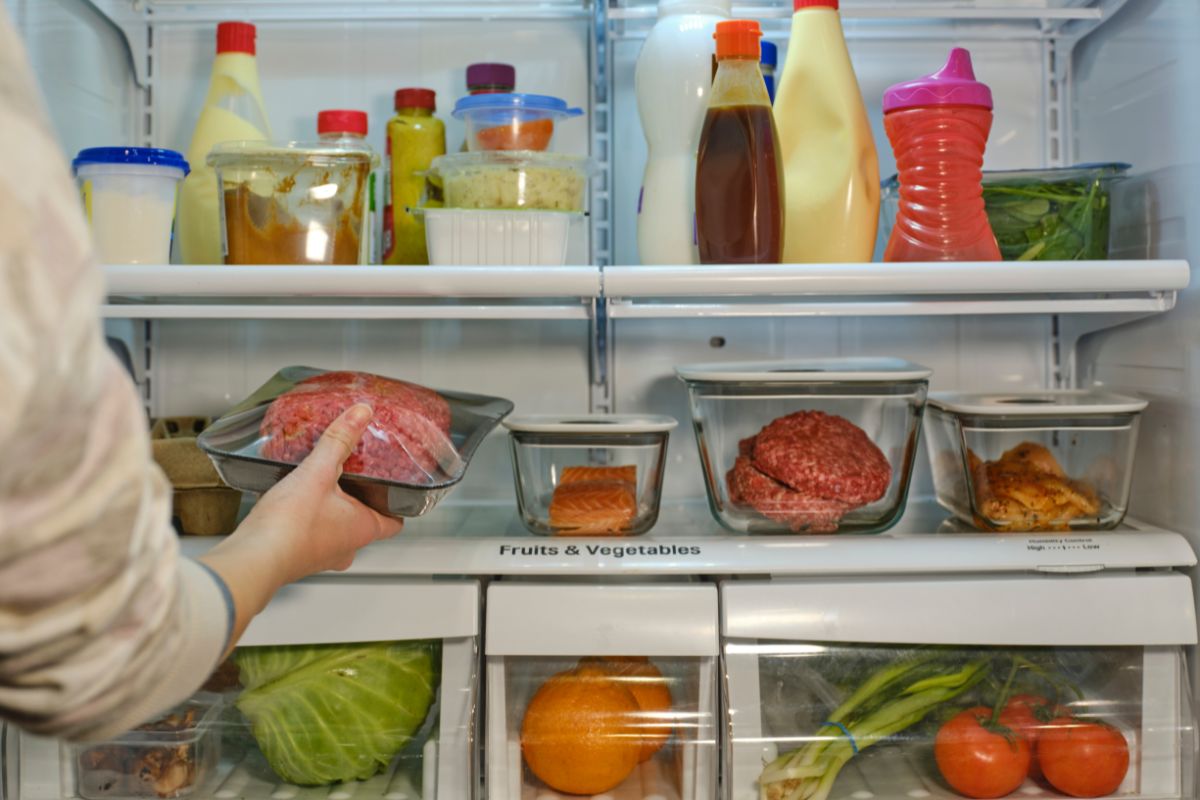
Choose one night a week and call it “Leftovers Night.” Pull out the things that were saved in the fridge: roasted vegetables, half a chicken breast, rice from two nights ago, extra sauce.
Lay them out family-style. Everyone builds their own plate or their own bowl.
For lunches, pack leftovers in individual containers the night you cook, not the next day. When something already looks like a ready meal, people are more likely to grab it.
This does two things:
You actually eat what you already made.
You stop ordering last-minute takeout just because you’re tired.
Committing to a weekly leftovers night is an easy routine that helps you reduce food waste at home and stretch your grocery budget without extra cooking.
 Have a Few “Rescue Recipes” You Can Make Anytime
There are certain recipes that are perfect for using up “a little bit of this, a little bit of that.” These are your rescue recipes — flexible, forgiving, and fast.
Keep 2–3 of these in your back pocket so ingredients don’t sit around until they’re too old to save.
Great rescue recipes include:
Vegetable soup or minestrone
Fried rice
Omelets or frittatas
Chili
Stir-fry
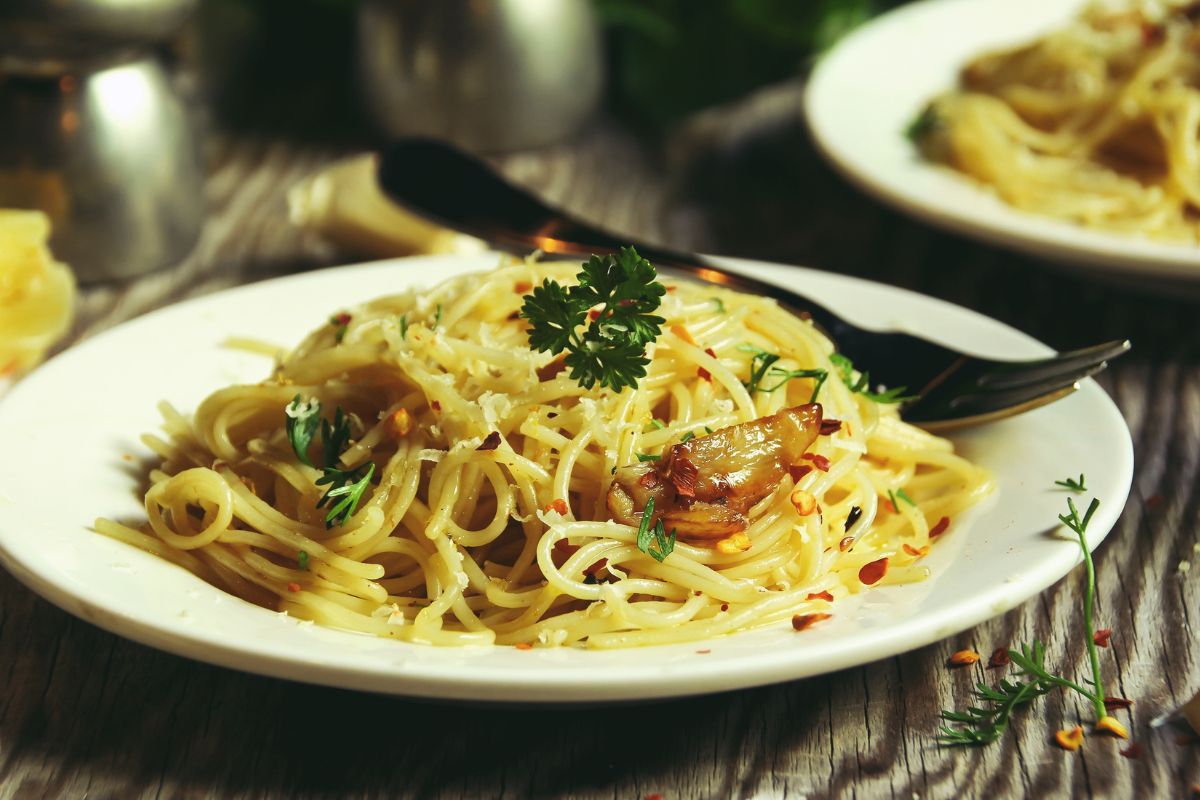
Pasta toss (garlic, olive oil, leftover cooked veggies, cheese)
Grain bowls or rice bowls
The trick is simple: you don’t start with a recipe and then shop. You start with “what’s in my fridge that needs to be used tonight?” and build around that.
This approach helps you use vegetables before they spoil, finish things like half a bell pepper or a handful of mushrooms, and avoid wasting money on new ingredients when you already have food at home.
Learning a few flexible “clean out the fridge” recipes is one of the most practical ways to prevent food waste and cook smarter.
 Compost What You Can’t Save
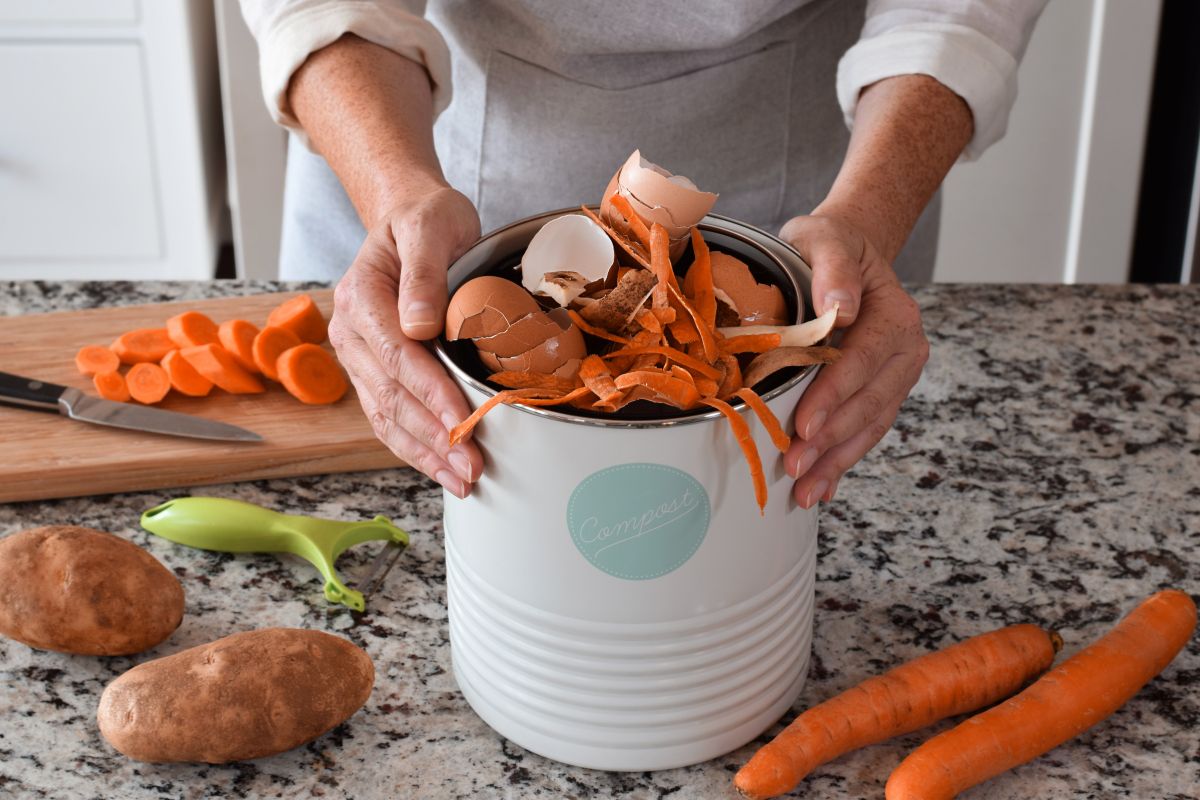
Even in a careful kitchen, there will always be scraps: cores, peels, coffee grounds, eggshells, that last spoonful of something nobody ate. Instead of sending all of that to the trash, consider composting.
Why does this matter? Food that goes to the landfill doesn’t just “go away.” It rots without enough oxygen and produces methane, a greenhouse gas that’s extremely powerful.
Composting food scraps keeps them out of landfills and reduces methane emissions.
You have options:
Backyard compost bin for fruit and vegetable scraps.
Worm bin (vermicomposting) if you don’t have outdoor space. Red wiggler worms can turn food scraps into nutrient-rich material for plants.
City or community drop-off. Many areas collect kitchen scraps. A simple trick: keep a small container or bag in your freezer for peels, coffee grounds, and eggshells so it doesn’t smell. When it’s full, drop it off.
The goal isn’t perfection. It’s progress. Composting what truly can’t be eaten is the final step in a low-waste kitchen.
 The Real Win: Keep Your Money, Not Your Trash
Reducing food waste is not about shame. It’s about respect — respecting your time, your budget, and the food you already have at home.
Every ingredient you actually use is money that stays with you.
Every meal you freeze instead of tossing is one less last-minute takeout bill.
Every leftovers night is proof that you’re already doing meal prep without even calling it meal prep.
You don’t have to be perfect. Just pick one habit to start with:
Plan before you shop.
Freeze before it spoils.
Eat what’s already cooked.
Compost what’s left.
That’s it. That’s how you build a kitchen that wastes less, spends less, and feels better.
Keep Building Better Habits in Your Kitchen
Reducing food waste at home is not an “all or nothing” challenge.
It’s a slow shift toward smarter habits: plan your meals before you buy more, use your freezer like a tool, create a leftovers night, and turn scraps into broth instead of trash.
These tiny changes add up. They mean less guilt, less trash, and more value from the groceries you already paid for. And honestly — that feels good.
When you’re ready, save these ideas, share them, and make them part of your weekly routine.
Small, repeatable habits in your kitchen can reduce waste, lower stress, and help you save money without doing anything extreme.
We hope you enjoy watching this video about How to Avoid Food Waste at Home:

Source: Sustainably Vegan
Did you find this post useful or inspiring? Save THIS PIN to your HOME Board on Pinterest! 

Once again, thank you for visiting our website!
We hope you've enjoyed exploring the content we've created for you.
Give yourself the chance to learn, get inspired, and have even more fun, keep browsing...
More Home Tips 👇🏼👇🏼