
Top Tips for Knitting Socks That Fit Perfectly

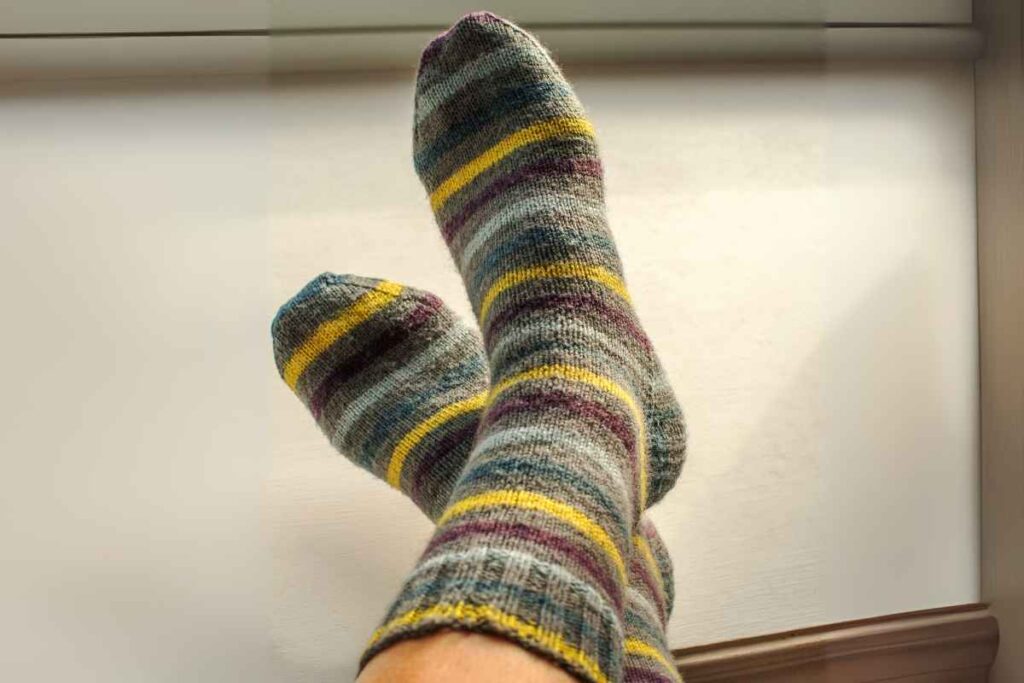
Knitting socks is an incredibly satisfying craft, but the challenge many knitters face is creating socks that fit perfectly. The beauty of handmade socks lies not only in their cozy warmth and texture but also in their fit.
A sock that fits well can make a world of difference when it comes to comfort, while a poorly fitting sock may be uncomfortable or not hold up as well.
Whether you’re a seasoned knitter or a beginner, there are several techniques and tips to help you achieve the perfect fit for your handmade socks.
In this article, we’ll explore the essential tips for knitting socks that fit perfectly. From understanding sizing to choosing the right yarn and adjusting the pattern for your specific needs, these strategies will help you create socks that are both comfortable and durable.
Understanding Sock Sizing and Measurement
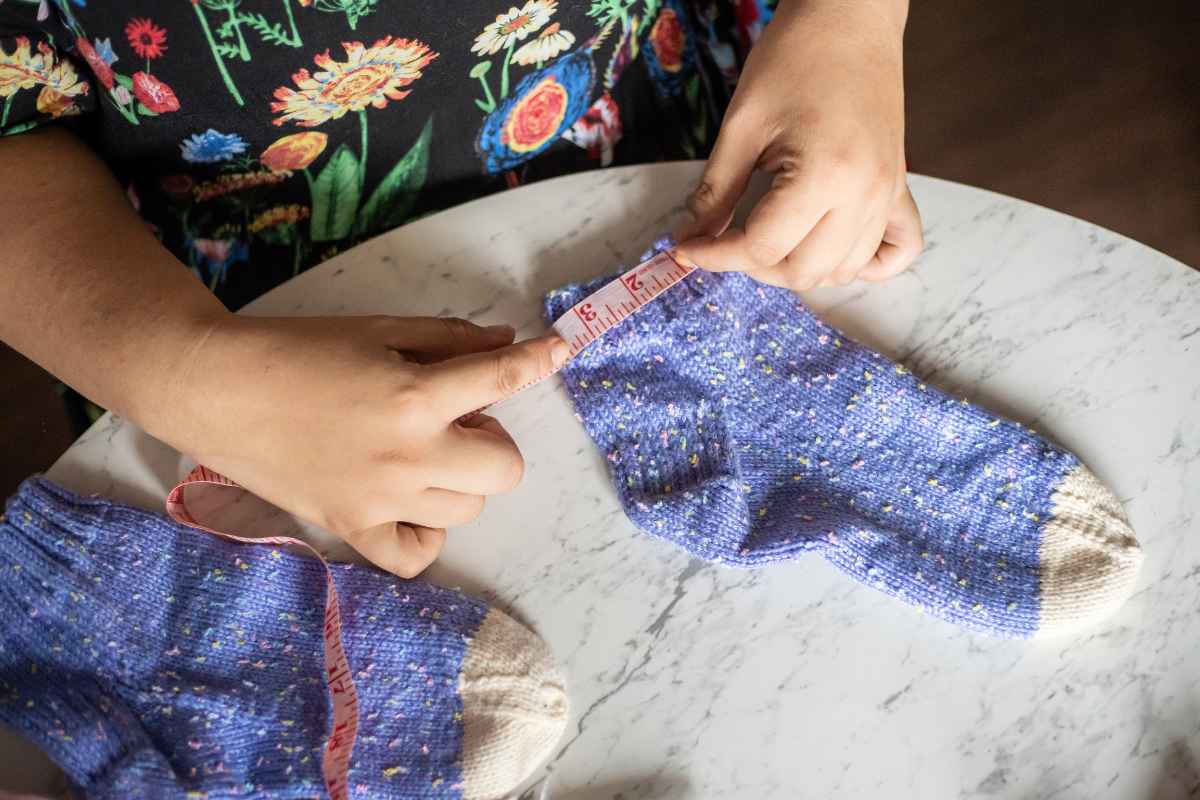
The foundation of knitting socks that fit perfectly starts with accurate measurements. Unlike generic store-bought socks, handmade socks offer the advantage of being tailored to your exact measurements, which is why getting the right size is so important.
Measuring Your Feet
To create a sock that fits snugly but comfortably, you need to know the measurements of your foot. The key measurements to take are:
Foot length: Measure from the tip of your toe to the back of your heel.
Foot circumference: Measure the circumference of your foot at its widest point, typically across the ball of the foot.
Leg circumference (if applicable): If you’re knitting socks that go above the ankle, you’ll also want to measure the circumference of your calf.
These measurements will serve as the basis for selecting the right pattern and adjusting it to your specific foot shape.
Choosing the Right Size in Your Pattern
Many sock patterns are written with several sizing options. It’s important to choose the size closest to your measurements.
However, sock patterns often include a bit of stretch and elasticity, which allows the sock to fit different foot sizes. Don’t be afraid to adjust the pattern slightly, especially if your measurements fall between sizes.
If the pattern doesn’t include multiple size options, don’t worry. With the right techniques, you can easily customize it to fit your feet.
Selecting the Right Yarn for Comfortable Socks
The yarn you choose plays a huge role in the overall fit and comfort of your socks. The best sock yarns are those that are soft, durable, and stretchy.
Sock Yarn Characteristics
When choosing yarn for socks, look for the following characteristics:
Softness: Choose yarn that is comfortable against the skin. Wool is a popular option because it’s soft and breathable.
Elasticity: For socks that fit well and stay up, choose yarns that have some stretch to them, such as those blended with nylon or spandex.
Durability: Socks are worn frequently, so durability is essential. Wool-nylon blends are ideal for this purpose, as they provide both strength and stretch.
Washability: Make sure the yarn is machine washable if you plan to wash your socks frequently. Many wool blends are now treated to be machine washable, making them ideal for socks.
Choosing the Right Weight
Sock yarn usually comes in fingering weight or sport weight, with fingering being the most common. The weight of the yarn should align with the pattern’s recommended yarn weight to ensure that the finished socks fit properly.
If you use a thicker or thinner yarn, you may need to adjust the number of stitches or rows to achieve the right fit.
Knitting Techniques for a Better Fit
Once you’ve got the right measurements and yarn, it’s time to dive into the knitting process. There are a few essential techniques that can make a significant difference in the fit and comfort of your socks.
The Perfect Toe
The toe is one of the most important areas when it comes to fit. If the toe is too tight or too loose, the entire sock can feel uncomfortable.
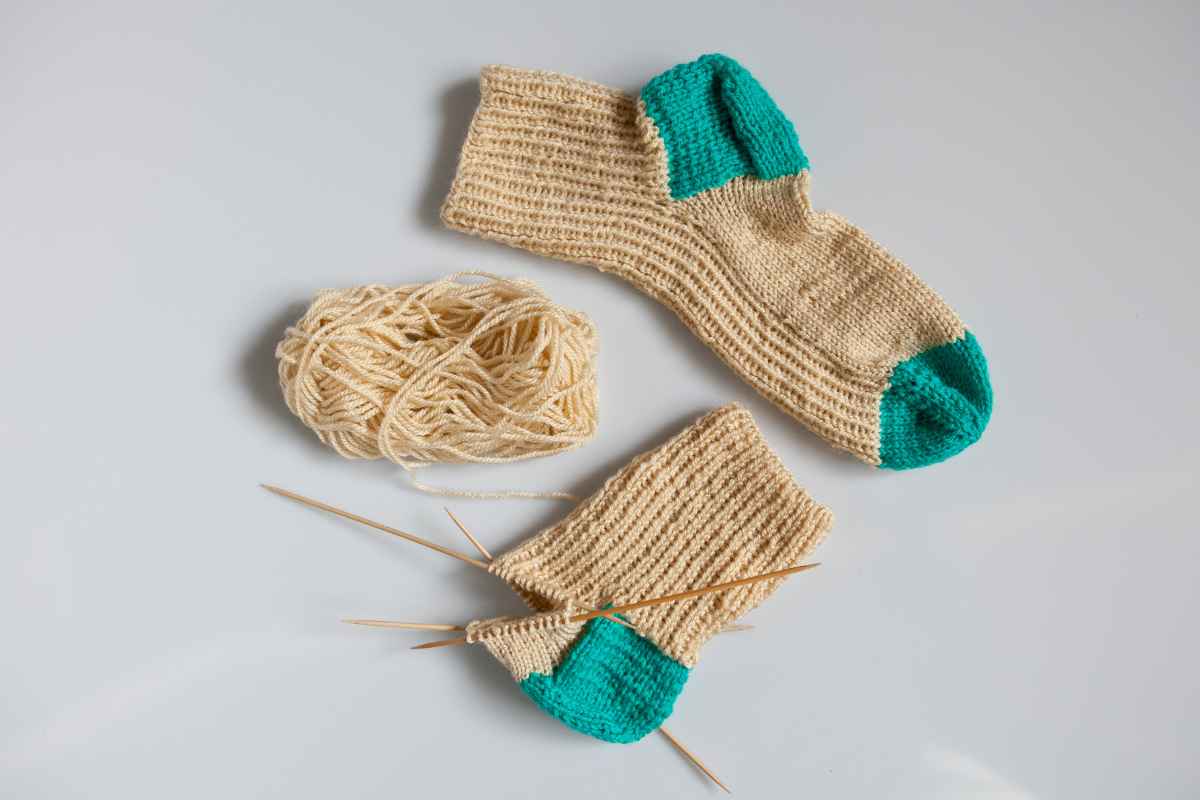
Toe-Up vs. Cuff-Down: There are two main ways to knit socks – toe-up or cuff-down. Both methods work well, but knitting toe-up can be especially helpful if you’re trying to achieve a perfect fit, as you can try on the sock as you go and make adjustments to the length.
Gusset Shaping: Adding gusset shaping at the toe helps create a more natural fit around the foot, preventing tightness or discomfort around the toes.
Fit Around the Arch
The arch of the foot often requires more attention to achieve a secure fit. A well-fitted sock should hug the arch without being too tight or restrictive.
Short Rows or Heel Flaps: Consider using short rows or a heel flap construction to add structure to the sock and improve the fit around the arch. These techniques allow for more precise shaping and ensure the sock fits comfortably in the heel and arch area.
Elastic: Adding a bit of elastic thread to the ribbing or cuff can help hold the sock up without being too tight.
Cuff and Ribbing for Secure Fit
One of the key elements to ensure your sock doesn’t slip off is the cuff. The cuff is usually knit in a ribbing pattern, such as a 1x1 or 2x2 rib, which provides a stretchy and snug fit.
Elastic Ribbing: A firm ribbed cuff can help the sock stay in place. If you’re knitting socks for someone with larger calves, consider increasing the number of stitches in the cuff or using a more flexible ribbing pattern.
Stretchy Bind-Off: To avoid a tight, restrictive top, use a stretchy bind-off to ensure the cuff is comfortable and doesn’t pinch the skin.
Customizing Fit for Different Foot Types
Not all feet are the same, and some people may have specific foot shapes or concerns that require extra adjustments. Here’s how to address some of the most common challenges.
Wide Feet
If you have wide feet, you may need to increase the stitch count around the toe and foot to ensure a comfortable fit. Adding a few extra stitches on each side of the sock will provide more room without affecting the overall shape.
Toe Shaping: You can also adjust the toe shape by making it slightly more round or wide to accommodate wider toes comfortably.
Narrow Feet
For narrow feet, you may need to reduce the stitch count or adjust the gusset shaping to make sure the sock hugs your foot properly. Narrow feet can often feel lost in a sock if it’s too loose, so customizing the fit is important.
Shaping the Foot: Decreasing stitches as you work the foot will help ensure the sock doesn’t gape around the ankle or heel.
High Arches
If you have high arches, the sock may need extra room in the instep (the top of the foot). Short rows or a gusset heel can be particularly useful here, as they allow the sock to curve to the shape of the foot more naturally.
Flat Feet
For flat feet, a deeper heel flap and an extra gusset may help create more support and comfort. This can also help with the overall fit, providing more structure where needed.
Final Tips for Perfect-Fitting Socks
Achieving the perfect fit for your socks is a combination of choosing the right pattern, adjusting it to your foot measurements, and using the right techniques to shape and secure the sock. Here are a few additional tips to help you get the best results:
Try As You Go: If you’re knitting socks toe-up, try the sock on as you work to ensure the fit is right.
Use Stitch Markers: Stitch markers can help you keep track of increases, decreases, or sections like the heel.
Block Your Socks: After finishing your socks, block them to help them retain their shape and ensure they fit well once worn.
Conclusion: Perfect Socks, Every Time
Knitting socks that fit perfectly may seem daunting, but with the right measurements, materials, and techniques, anyone can create custom socks that feel great.
By focusing on the fit, stretch, and comfort of your socks, you can ensure that your creations will be both stylish and functional. Whether you’re knitting for yourself or as a gift, these tips will help you achieve socks that will fit just right—every time.
You may also like