
5 Tips What To Wear Hiking (Hiking Outfit)
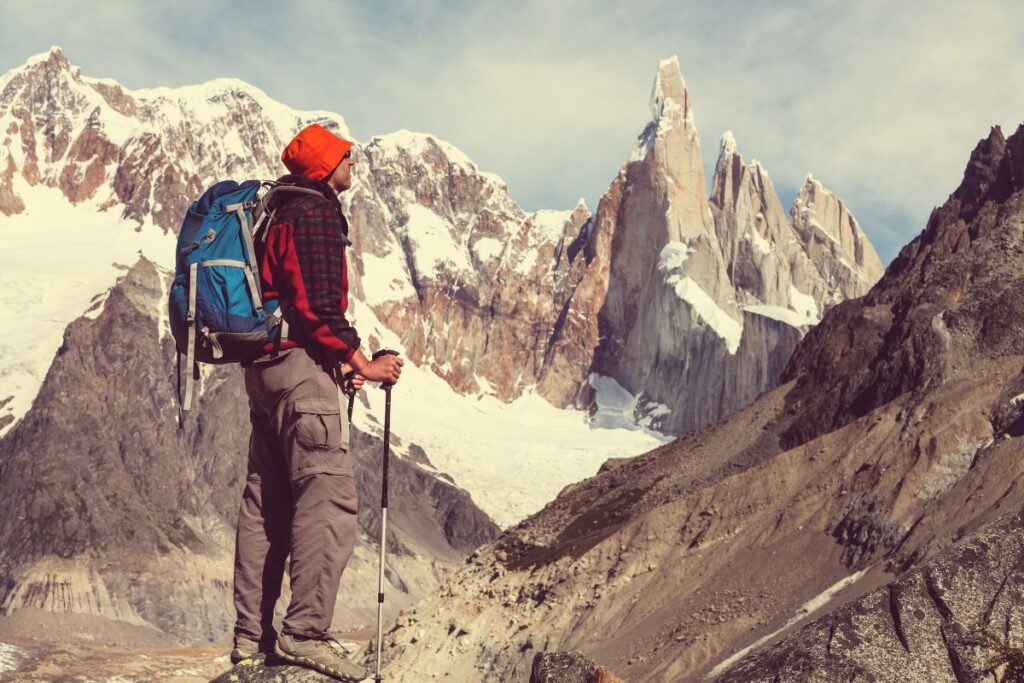
Picking the right hiking outfit is the difference between a memorable trail day and a miserable one. You want clothes that breathe uphill, insulate when the breeze picks up, and still look sharp at the trailhead café.
The good news: you don’t need a closet overhaul—just a few smart choices. Below you’ll find five practical tips that balance performance and style, with one trusted resource per tip so you can dig deeper.
Whether you lean minimalist or love full-on Outdoorsy Style, these ideas will help you build a dialed kit for quick day hikes, a spontaneous Roadtrip Outfit, or even light overnights.
Expect useful Hiking Outfit Ideas, a dose of Hiking Fashion, and a straightforward path to a comfortable, good-looking hiking outfit.
1) Nail Your Base Layer: Moisture Management Comes First
 Start close to the skin. A breathable, moisture-wicking tee or long-sleeve moves sweat off your body, helping you stay dry and warm during breaks.
Merino blends resist odor and regulate temperature; technical synthetics dry fast and handle abrasion under pack straps. Skip heavy cotton for the trail—it clings when damp and cools you too quickly.
Fit matters as much as fabric. A trim cut reduces chafing and layers cleanly under mid-layers and shells. Color and silhouette are your chance to show Hiking Style without sacrificing performance.
If you’re unsure where to begin, a simple, neutral top lets your other pieces do the talking.
Deep dive: see a complete breakdown of trail-ready essentials that blend comfort, performance, and streamlined aesthetics.
Complete Trail-Ready Guide (Men)
2) Master The Layering System: Shell + Insulation = Adaptability
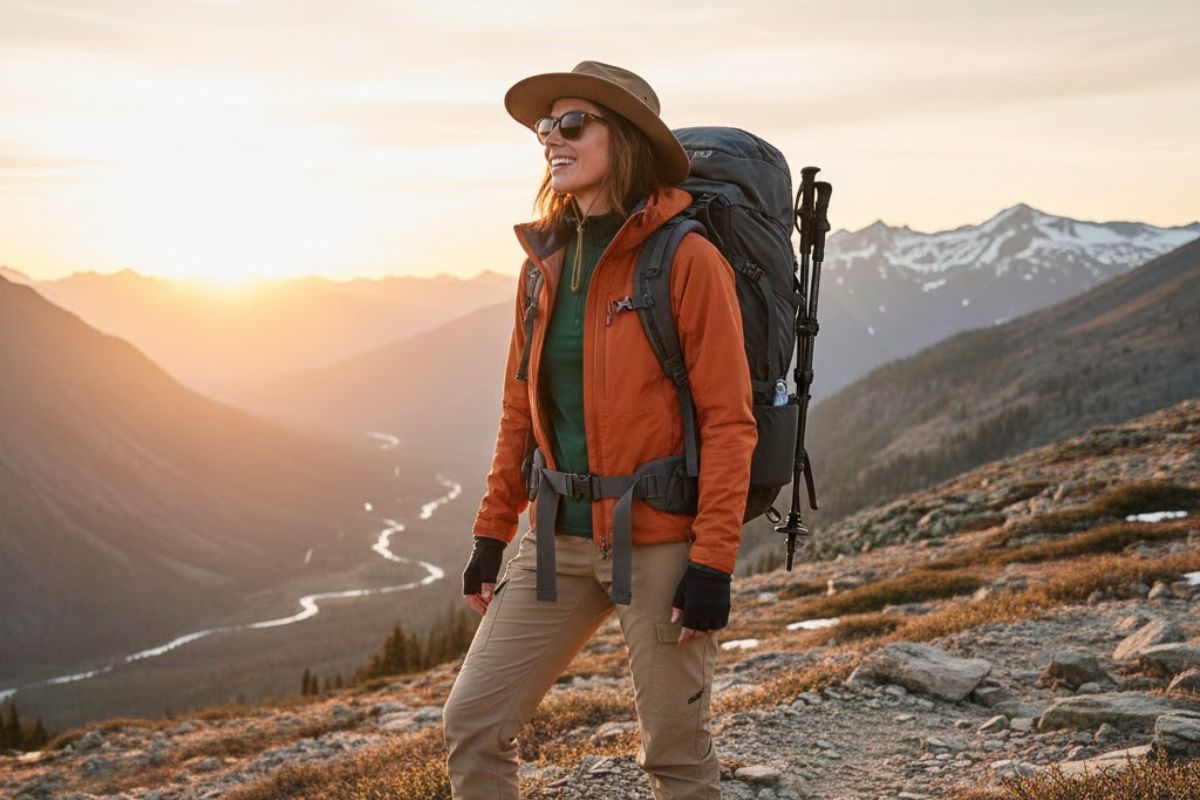 Weather shifts fast in the hills. A lightweight wind or rain shell blocks gusts and drizzle, while a mid-layer—synthetic puffy or fleece—adds warmth without bulk.
Pairing these lets you adapt in seconds instead of suffering through a long climb or chilly ridge. Think of them as tools: shell to manage the environment, mid-layer to manage your heat.
Styling is easy when you keep it simple. A muted shell over a textured mid-layer looks clean and outdoorsy, and it photographs well.
If you’re planning frosty mornings or shoulder-season treks, prioritize pieces that stay warm when damp. That’s how you turn a bundled look into a sleek Hiking Aesthetic Outfit—function first, polish second.
For temperature swings, snow flurries, and frozen trails, this seasonal guide shows how to build a resilient system from head to toe.
Winter Layering & Cold-Weather Tips
3) Choose Bottoms Built For Motion: Shorts, Tights, or Pants
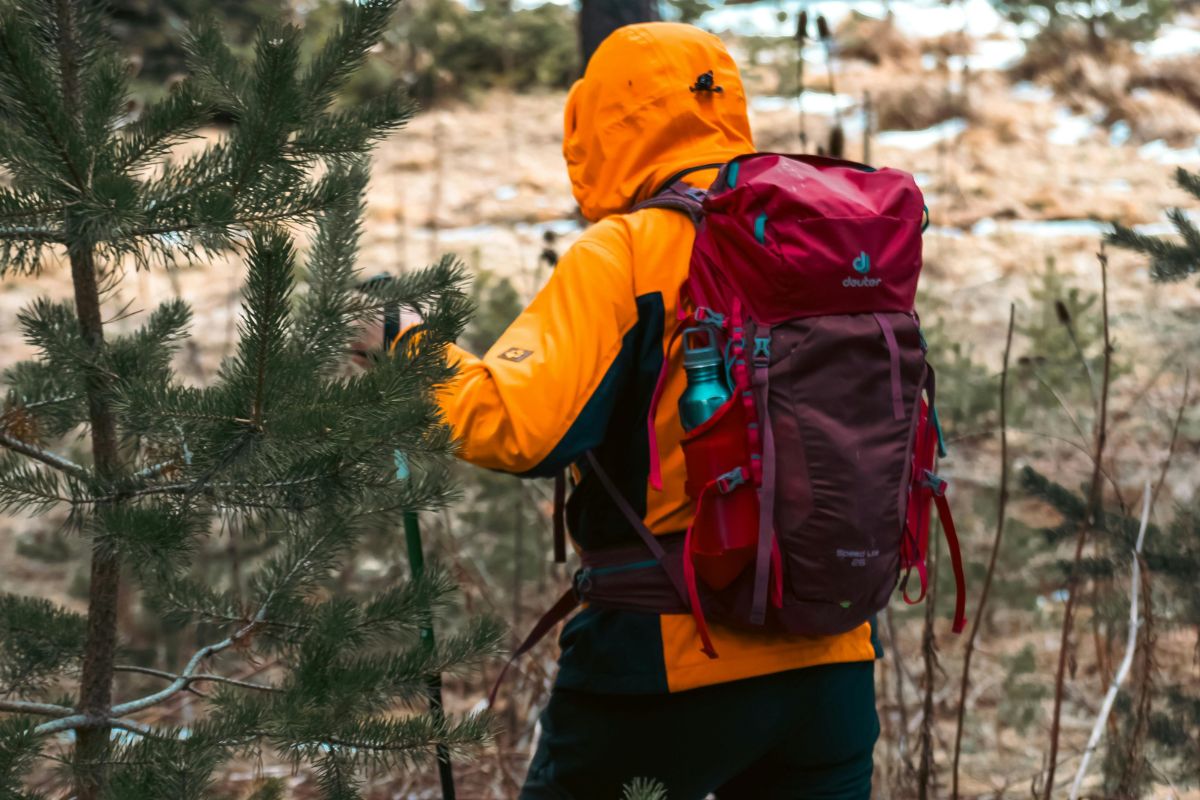 On warm days, quick-dry shorts or abrasion-resistant tights shine; for brushy routes or granite slab, durable pants protect while you move.
Look for stretch fabrics, gusseted crotches, and articulated knees—small details that matter over the miles. If you often transition from car to café, pick a tapered cut that reads casual without limiting stride.
This is where Hiking Fits really show personality. Earth tones pair with anything, while subtle color pops keep outfits fun. Building a capsule that works for both a scenic overlook and a roadside diner makes your kit a true Roadtrip Outfit. For overnights, pack a spare liner or base tight to rotate—comfort compounds day after day.
Watch this practical breakdown for visual cues on pairing tops and bottoms, reading terrain, and staying comfortable without sacrificing Outdoorsy Outfits flair.
Video: Trail Bottoms & Mobility Explained (credit: L.L.Bean)
4) Prioritize Footwear & Socks: Comfort From The Ground Up
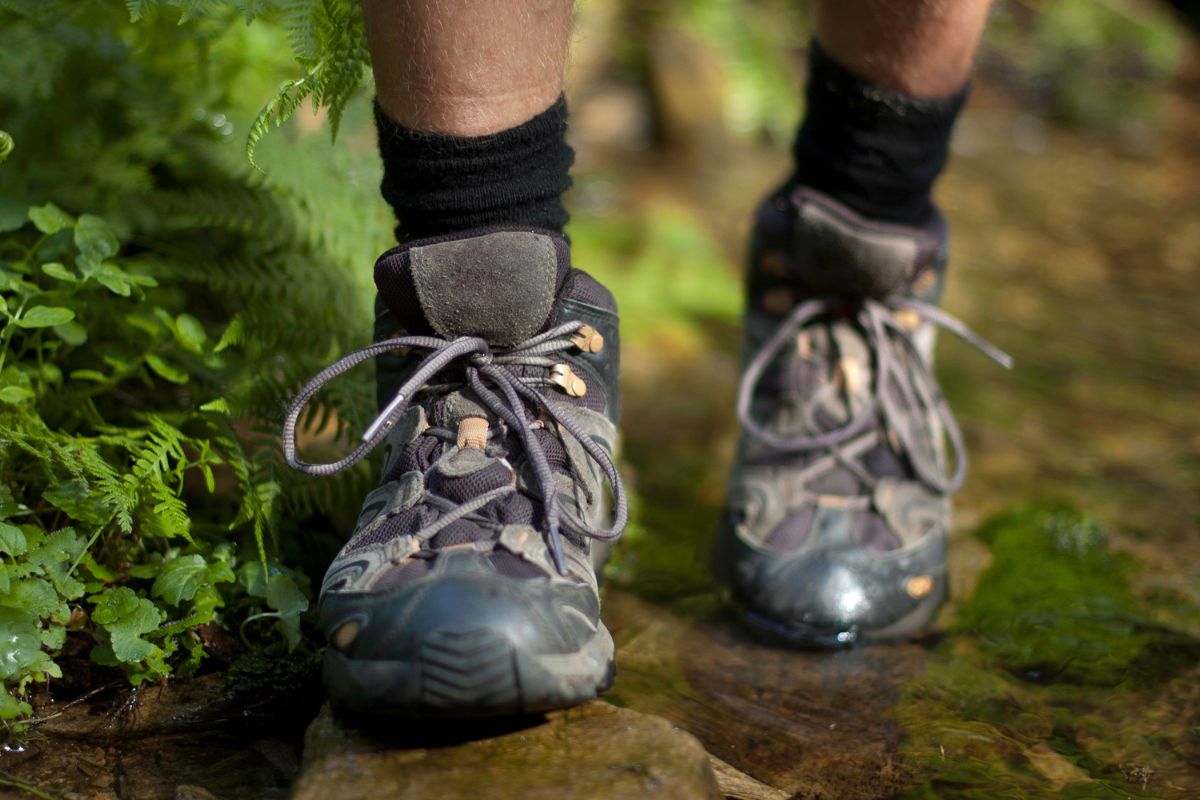 Your feet do the work—treat them kindly. Trail runners excel on dry, well-groomed paths and keep things light and nimble. Mid-cut hikers add ankle structure for mixed terrain.
If you carry a heavier pack, cushioned insoles and grippier soles improve stability. Always try shoes late in the day when feet are slightly swollen; that’s your real hiking fit.
Socks are unsung heroes. Synthetic or merino socks wick moisture, resist blisters, and add a touch of insulation. Pack a spare in a zip bag for instant morale.
For alpine mornings or icy shaded gullies, warm socks plus microspikes can transform a sketchy patch into a confident stride—key for a safe, stylish Snow Hiking Outfit.
For a quick visual guide to sock weights, lacing tweaks, and matching shoes to trail conditions, this short video is pure gold.
Video: Footwear & Sock Pairings (credit: Fareweld)
5) Accessorize With Purpose: Sun, Storage, and Safety
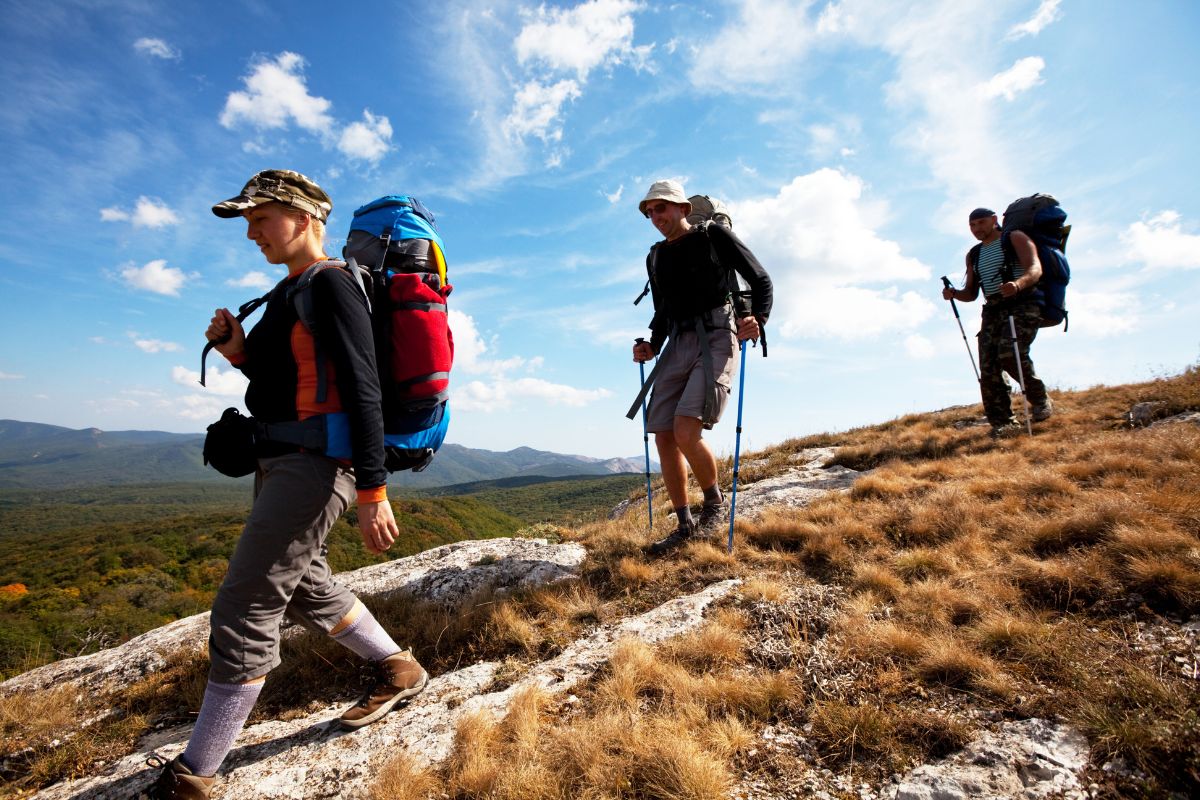 Smart accessories make a good kit great. A wide-brim hat or technical cap controls glare; UV shades preserve energy by reducing eye strain. A breathable daypack with a supportive hip belt carries layers, water, and snacks without hot spots.
Add a buff for sun or wind, and pack sunscreen—even cloudy days bite at elevation.
For Backpacking Outfits, think systems: bottle or bladder, compact first aid, and a light insulating layer stashed high for quick access.
Match colors across your pieces for cohesive Hiking Fashion—think charcoal pack, olive pants, and a sand-colored shell—to keep that clean Outdoorsy Style look on and off the trail.
See these principles in action in a short field demo, showing how a few small choices add comfort and confidence without extra weight.
Video: Trail Accessories That Matter (credit: BackpackingTV)
Wrap-Up: Build A Kit You’ll Actually Love To Wear
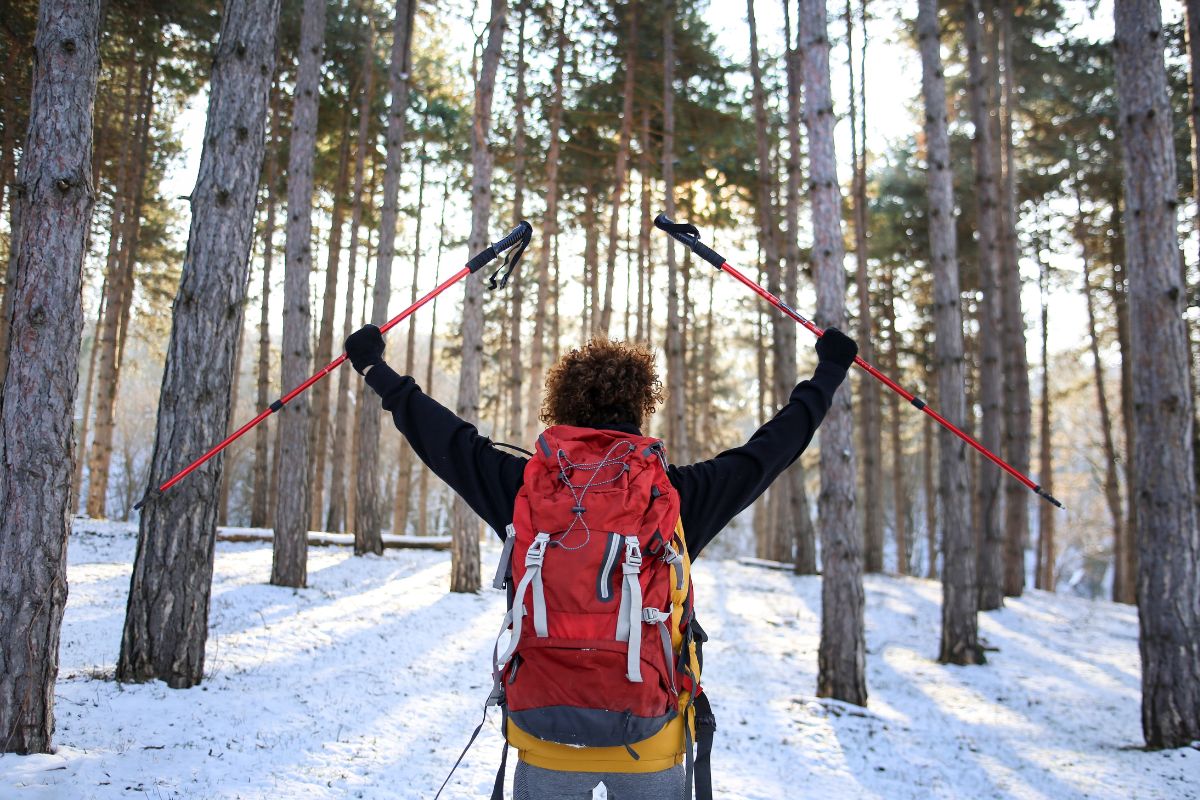 Great style on the trail is really about comfort you can trust. Start with breathable bases, layer for changing weather, pick bottoms that move, lock in footwear that fits, and finish with purposeful accessories.
That’s a versatile hiking outfit you’ll reach for every weekend.
Want more Hiking Outfit Ideas tailored to season and terrain? Explore our guides for men, cold weather, and beyond. And if you’re planning a bigger trip, keep refining until your pack reflects your habits.
A well-curated kit turns uncertainty into adventure.
Next step: browse more trail-tested tips across Urbaki Outdoor, refine your capsule, and hit the path with confidence.

Explore these outdoor tips too