
How to Overcome Fear in Extreme Sports

Engaging in extreme sports can be one of the most exhilarating experiences in life. However, the thrill of these activities often comes with a significant dose of fear.
Whether it's the fear of heights, the fear of injury, or simply the fear of the unknown, many enthusiasts struggle with this emotion.
Understanding how to manage and overcome fear in extreme sports is crucial for both safety and enjoyment.
In this article, we'll explore various strategies to help you conquer your fears and fully embrace the challenges that extreme sports present.
Understanding Fear in Extreme Sports
Fear in extreme sports is a natural and necessary emotion. It acts as a protective mechanism, keeping us alert to potential dangers.
However, when fear becomes overwhelming, it can hinder performance and enjoyment. It's essential to recognize that fear is not something to eliminate but something to manage effectively.
Extreme sports such as rock climbing, skydiving, or big wave surfing push the boundaries of what the human body and mind can handle.
The risks are real, and the consequences of mistakes can be severe. This reality is what often triggers intense fear. However, by understanding the roots of this fear, you can take steps to manage it.

Embracing Fear in Extreme Sports
Instead of viewing fear as an enemy, try to see it as a companion. Embracing fear means acknowledging its presence and understanding that it’s part of the experience.
Fear is a sign that you're pushing your limits, which is precisely what extreme sports are all about.
When you embrace fear, you allow yourself to experience it fully without letting it control you.
This can be achieved through mindfulness practices, where you observe your fear without judgment. By doing so, you can start to see fear as a guide rather than an obstacle.
Preparation and Training
One of the most effective ways to overcome fear in extreme sports is through thorough preparation and training.
Fear often arises from the unknown or a lack of confidence in your abilities. By increasing your skill level and familiarizing yourself with the challenges, you can reduce the intensity of your fear.
The Role of Physical Conditioning
Physical conditioning is crucial in extreme sports. When your body is strong and capable, your mind is more likely to feel confident.
This confidence can significantly reduce fear. Engage in regular training that enhances your strength, endurance, and flexibility. The more prepared you are physically, the less room there is for fear to take over.
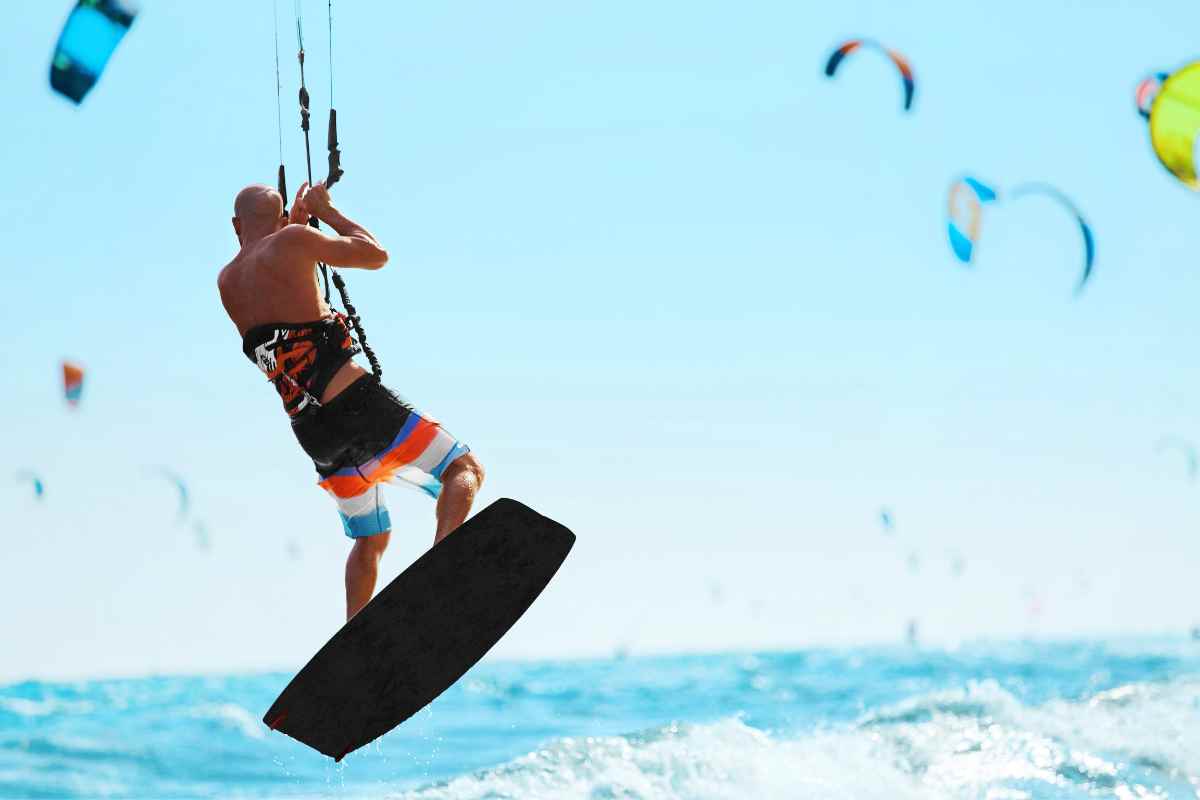
Mental Rehearsal and Visualization
Mental rehearsal is another powerful tool for overcoming fear. Before engaging in an extreme sport, take the time to visualize the entire process.
Imagine yourself successfully navigating the challenges and achieving your goals. This mental preparation can build confidence and reduce anxiety.
Visualization is particularly effective when combined with positive affirmations. Repeating phrases like "I am capable" or "I can handle this" can reinforce your confidence and diminish fear.
The more you practice mental rehearsal, the more natural it will become, helping you face extreme sports with a calm and focused mind.
Breaking Down the Fear
Overcoming fear in extreme sports often involves breaking down the fear into manageable parts.
Instead of viewing the entire activity as a terrifying ordeal, try to focus on smaller, less intimidating aspects. This technique, known as chunking, allows you to tackle fear step by step.

Gradual Exposure
Gradual exposure is a method used to desensitize yourself to fear. Start with less intimidating versions of the extreme sport you’re interested in.
For example, if you're afraid of heights, begin with lower elevations and gradually work your way up. This approach allows you to build confidence over time, reducing the overall intensity of your fear.
Setting Achievable Goals
Setting small, achievable goals can also help in overcoming fear. Each time you accomplish a goal, no matter how minor, you build confidence.
This confidence accumulates, making it easier to tackle larger challenges. Over time, what once seemed terrifying will become manageable, and eventually, enjoyable.
Seeking Support and Learning from Others
You don't have to face your fears alone. Seeking support from fellow athletes, coaches, or even therapists can provide valuable insights and encouragement.
Sometimes, just knowing that others have faced and overcome similar fears can be incredibly reassuring.
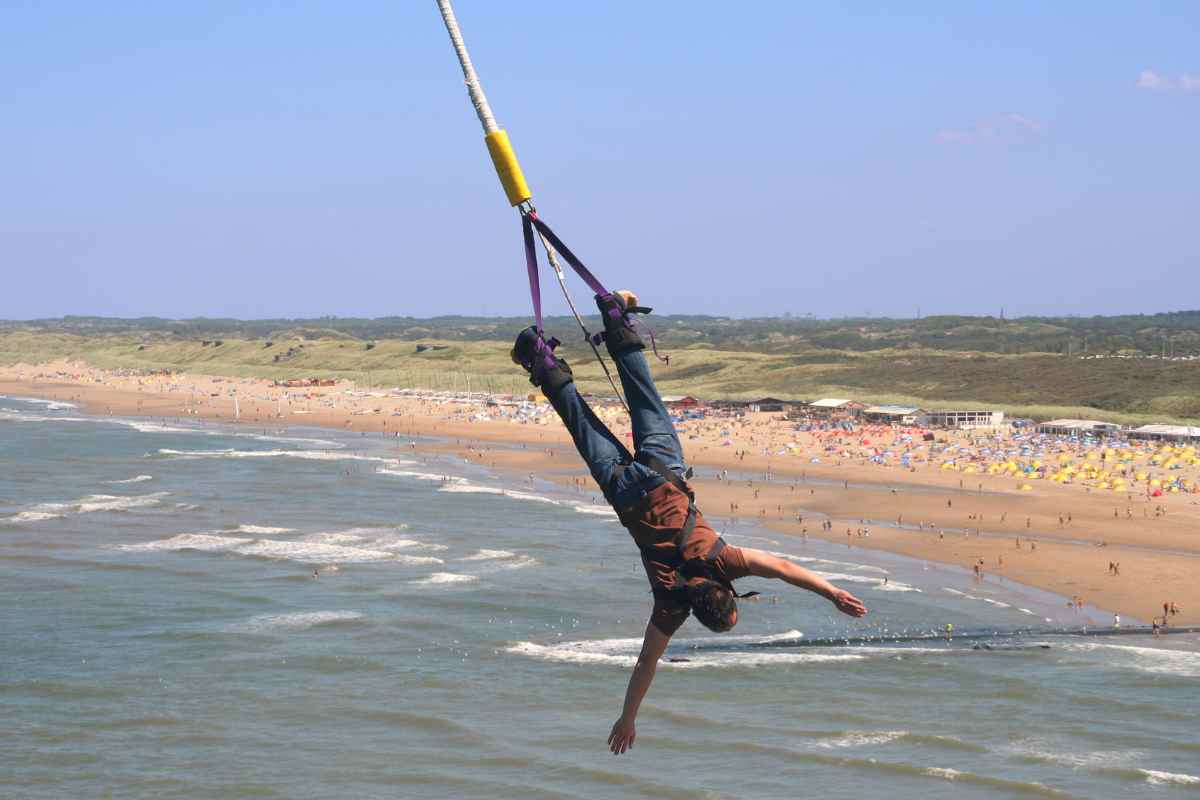
Joining a Community
Joining a community of like-minded individuals who share your passion for extreme sports can be immensely beneficial. In a supportive environment, you can share your fears, learn from others' experiences, and gain the encouragement needed to push past your limits.
Learning from Professionals
Professional athletes and seasoned extreme sports enthusiasts have often developed their strategies for managing fear.
Learning from their experiences can offer practical tips and inspiration. Whether through books, interviews, or direct mentorship, absorbing the wisdom of those who have already conquered their fears can be a powerful motivator.
Mindfulness and Breathing Techniques
Mindfulness and breathing techniques are essential tools for managing fear in real time.
When faced with a particularly daunting challenge, your body may enter a state of fight-or-flight, characterized by rapid breathing, increased heart rate, and heightened anxiety.
By employing mindfulness and controlled breathing, you can bring your body and mind back to a calm state.
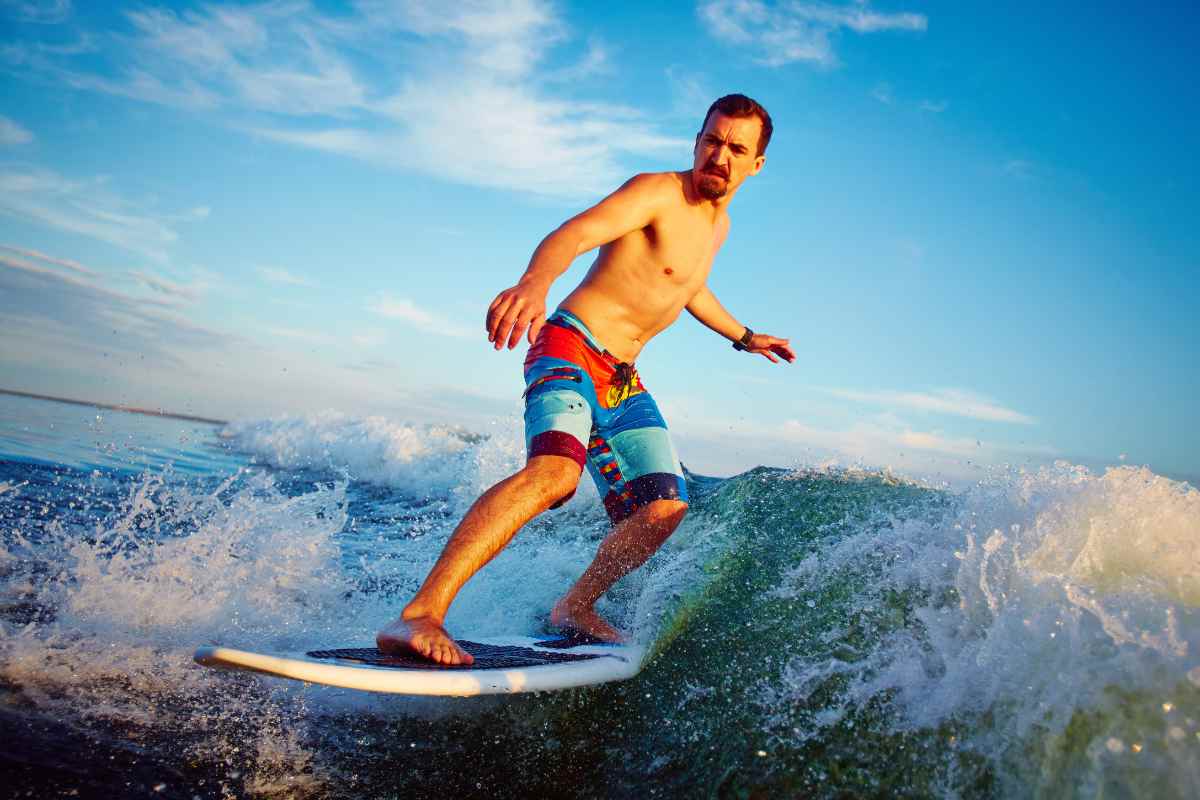
Practicing Mindfulness
Mindfulness involves being fully present in the moment, without letting your mind wander to negative thoughts or worries.
By focusing entirely on the task at hand, you can reduce the power that fear holds over you. Practicing mindfulness regularly can make it easier to remain calm and focused during intense situations.
Controlled Breathing
Controlled breathing is a simple yet effective way to manage fear. Techniques such as deep breathing or the 4-7-8 breathing method (inhale for 4 seconds, hold for 7 seconds, exhale for 8 seconds) can quickly calm your nervous system.
When practiced regularly, controlled breathing can become a natural response to fear, helping you stay composed during extreme sports.
Confronting Fear Head-On
Ultimately, overcoming fear in extreme sports requires confronting it head-on.
This doesn’t mean recklessly throwing yourself into dangerous situations, but rather, taking calculated risks and pushing your boundaries with intention. Facing your fears directly is often the most effective way to diminish them.
Reframing Fear as Excitement
One psychological trick is to reframe fear as excitement. The physiological responses to fear and excitement are similar—both involve an adrenaline rush, increased heart rate, and heightened alertness.
By telling yourself that you’re excited rather than scared, you can shift your mindset and approach the challenge with enthusiasm rather than dread.

Taking the Leap
There comes a point where the preparation ends, and you must simply leap. Whether it's stepping off the edge for a bungee jump, dropping into a massive wave, or launching yourself from a plane, there’s a moment where you must trust your training, your equipment, and yourself.
This leap of faith is often where the real breakthrough happens, where fear is transformed into exhilaration.
Reflecting on Your Experience
After confronting your fear, take the time to reflect on the experience. What worked? What didn’t? How did you feel before, during, and after?
Reflection allows you to learn from each experience, building a stronger foundation for future challenges.
Celebrating Successes
Celebrate each success, no matter how small. Overcoming fear in extreme sports is a significant achievement, and acknowledging your progress can reinforce positive behaviors and mindsets.
Each victory over fear builds your confidence, making it easier to face the next challenge.
Conclusion: Mastering Fear in Extreme Sports
Fear in extreme sports is a natural, often beneficial, emotion. It keeps us alert and aware of the risks involved. However, when fear becomes paralyzing, it can prevent us from fully enjoying the thrill of the sport.
By understanding fear, preparing thoroughly, breaking down challenges, seeking support, practicing mindfulness, and confronting fear directly, you can transform this powerful emotion into a tool for success.
Remember, the goal is not to eliminate fear but to master it. When you learn to manage and overcome fear in extreme sports, you open the door to some of the most rewarding and life-affirming experiences imaginable.
Whether you’re scaling a cliff, surfing a giant wave, or flying through the air, the ability to face your fears and push through them is what makes extreme sports truly extraordinary.
Did you find this post useful or inspiring? Save THIS PIN for later in your Outdoor Board on Pinterest! 😊

Explore these outdoor tips too