
Canary Islands Travel Guide: Best Things to Do, Tours and Tips

This post contains affiliate links. If you book through them, we may earn a small commission at no extra cost to you.
The Canary Islands are Spain's sunny Atlantic archipelago, sitting off the coast of northwest Africa. Thanks to their mild climate, they are one of Europe's favorite places to escape the cold in winter, and they work just as well for a spring or summer trip. Each island has its own character: Tenerife has Mount Teide and whale-watching boats, Gran Canaria mixes golden dunes with mountain villages, and Lanzarote is a landscape of black lava and volcanic craters.
This guide covers the experiences most worth booking on the three most visited islands, how to plan your days, when to go and how to get around. If you only have one week, pick one or two islands and give each one enough time, rather than trying to see all of them.
Top tours and things to do in the Canary Islands
Below you can browse popular tours and tickets across the islands. Most activities include hotel pickup in the main resort areas, which makes it easy to plan day trips without renting a car.
You can also see the full list of Canary Islands tours and activities on GetYourGuide, filtered by island, date and type of experience.
Tenerife: Teide, whales and the Los Gigantes cliffs
Tenerife is the largest of the Canary Islands and the one with the widest choice of excursions. It is a good first island if you want a mix of nature, beaches and family attractions.
Teide National Park
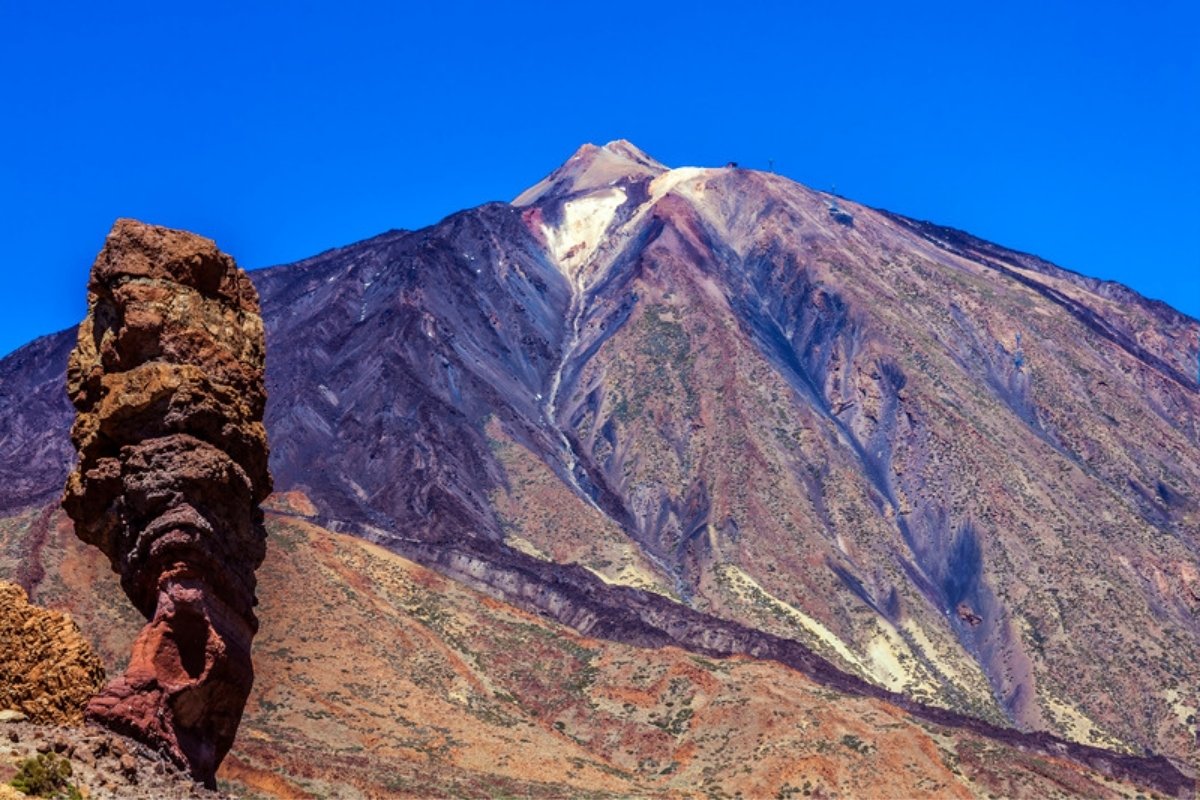
Mount Teide is the highest point in Spain at 3,718 meters, and the national park around it was declared a UNESCO World Heritage Site in 2007. The landscape inside the park is unlike anything else in Europe: lava fields, colored rock and the famous Roques de García formations, which you will see in many photos of the island.
Who it is for: almost everyone. You can see a lot from the road and the viewpoints, and there are trails for all levels.
Practical tip: the Teide cable car climbs from 2,356 meters to the upper station at 3,555 meters in about eight minutes. Walking the final stretch to the crater requires a permit from the official Tenerife ON system, and it is valid only for the date you choose, so request it well in advance (the official tourism site recommends one to two months ahead). Bring warm layers: it can be cold and windy at the top even when the coast is hot. The park is also one of the best places in Europe for stargazing, and many evening tours combine sunset with a telescope session.
Whale and dolphin watching
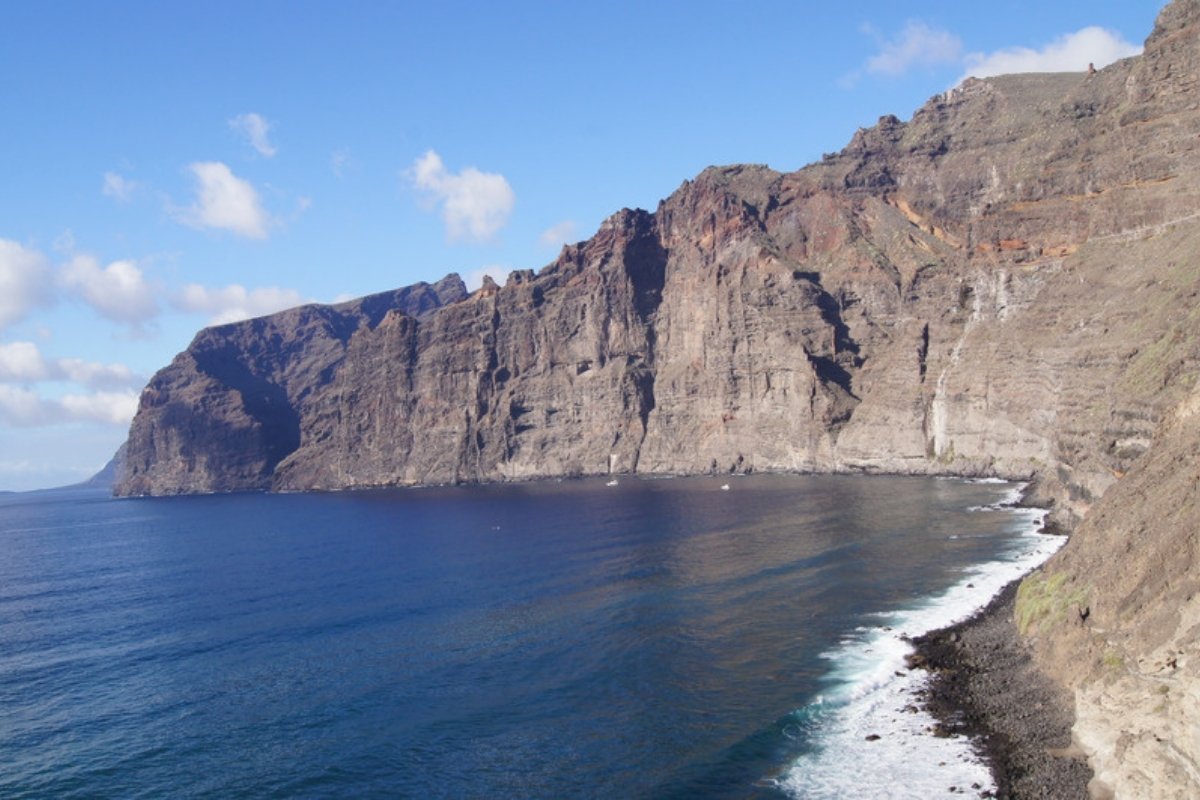
Boat trips from the south and west coasts of Tenerife are among the most booked experiences on the island. Many cruises leave from the Los Cristianos and Los Gigantes areas and sail along the coast, often with a stop for swimming. From the water you also get the best view of the Los Gigantes cliffs, which drop straight into the ocean.
Who it is for: families, couples and anyone who wants a relaxed half day at sea.
Practical tip: look for operators that describe their trips as respectful or "no chase" encounters, and book a morning departure if you tend to get seasick, since the sea is often calmer early in the day.
Loro Parque and Siam Park
Tenerife's two big family attractions are Loro Parque, an animal park in Puerto de la Cruz, and Siam Park, a large water park in the south. Both sell timed or dated tickets online, and there are combined tickets if you plan to visit both.
Here are some of the most popular Tenerife experiences, including the Teide grand tour, Loro Parque tickets and a whale-watching cruise from Los Gigantes:
For more options, browse all Tenerife tours and tickets.
Gran Canaria: dunes, mountain villages and Roque Nublo
Gran Canaria is often called a "miniature continent" because you can go from beach to pine forest to mountain viewpoints in a single day. The south has the big resorts, while the capital, Las Palmas, is a real city with its own beach, old town and food scene.
Maspalomas Dunes
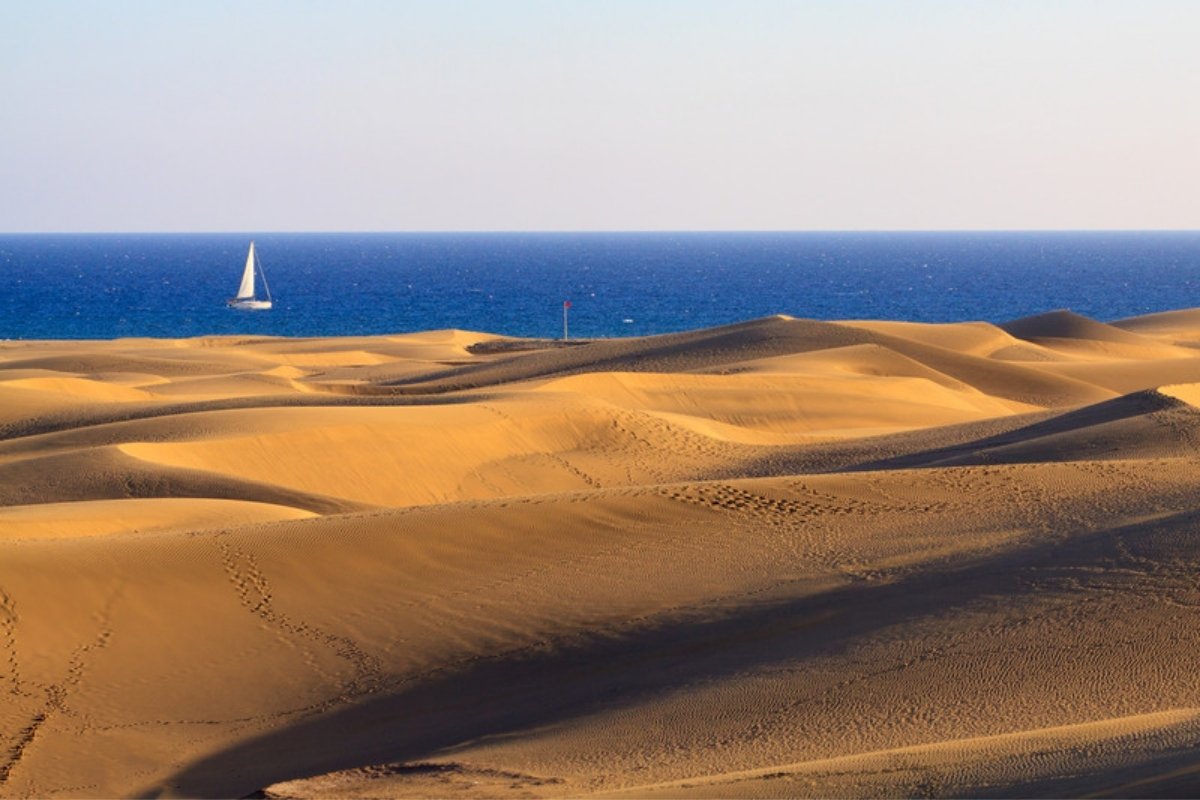
The Maspalomas Dunes Nature Reserve covers about 400 hectares on the southern tip of the island. It protects a moving dune system, a palm grove and La Charca, a brackish lagoon near the Maspalomas lighthouse that is a good spot for birdwatching.
Who it is for: beach lovers, photographers and anyone staying in the south of the island.
Practical tip: stay on the marked paths, which is a rule of the reserve and also helps protect the dunes. Go early in the morning or at sunset, when the light is softer and the sand is cooler.
Roque Nublo and the interior
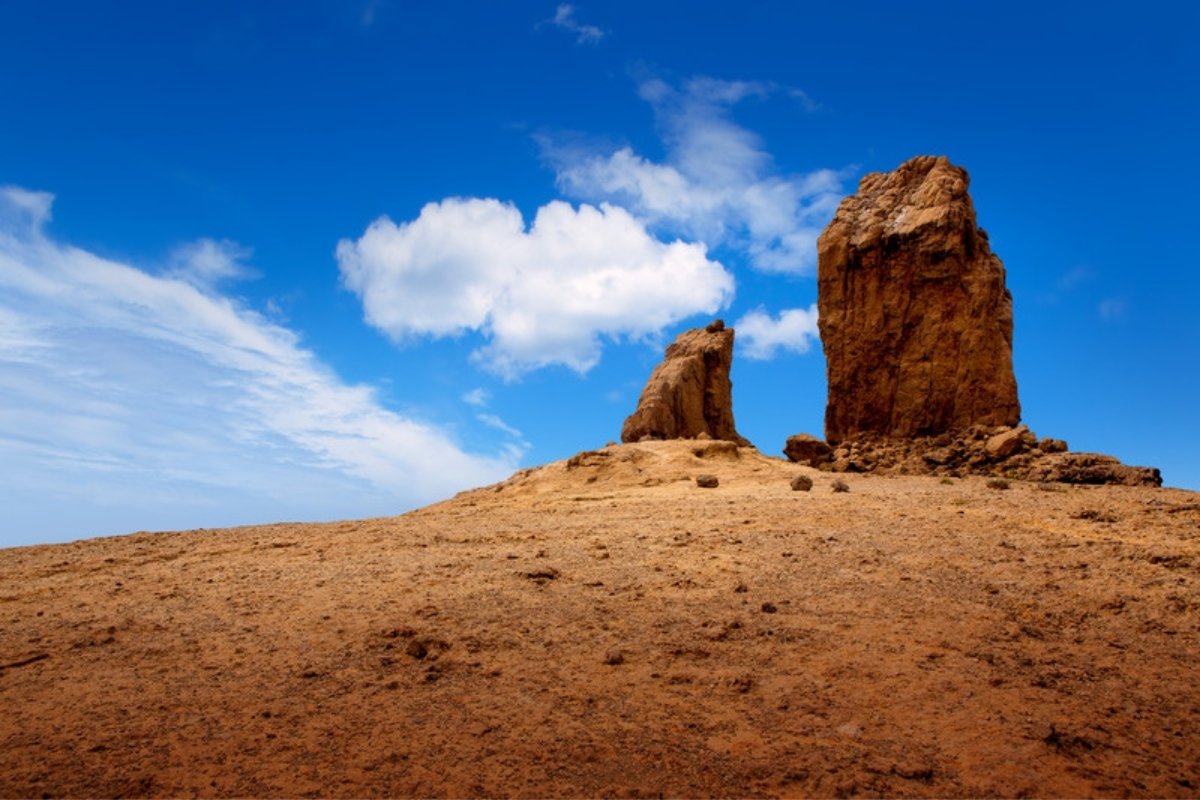
Roque Nublo is a rock monolith about 80 meters tall that stands at 1,813 meters above sea level, in the center of the island. The circular hiking route to it is rated easy by the official Canary Islands tourism board and takes around two and a half hours, with wide views over the island and, on clear days, across to Teide on Tenerife.
Who it is for: walkers of any level and travelers who want to see the green, mountainous side of Gran Canaria.
Practical tip: the roads to the interior are narrow and winding, and parking near the trailhead fills up early. A guided day trip with transport is an easy way to see Roque Nublo together with mountain villages and viewpoints on the same day.
You can compare island tours, jeep trips and boat excursions on the Gran Canaria tours page.
Lanzarote: volcanoes and lava landscapes
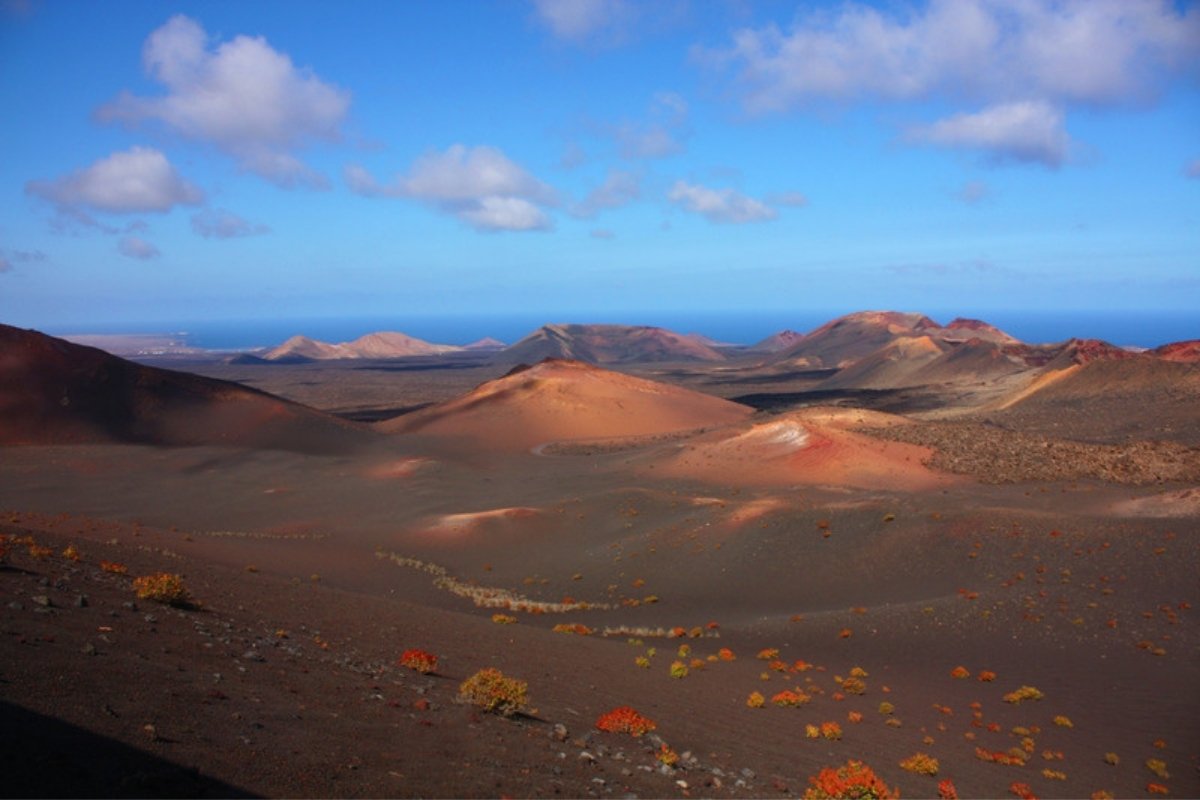
Lanzarote looks very different from the other islands. Large parts of it were covered by lava during eruptions between 1720 and 1736 and again in 1824, and the result is a landscape of craters, black sand and cinder cones.
Timanfaya National Park
Timanfaya is the island's main attraction. Visitors cannot walk freely on the lava or drive outside the open asphalt areas, so the standard visit is the Ruta de los Volcanes, a bus route through the park that is included in the entrance ticket, together with parking and the geothermal demonstrations at the Montañas del Fuego site. There is also a restaurant there, El Diablo, which uses the volcanic heat.
Who it is for: anyone visiting Lanzarote. Even if you only have one free day, this is the place to go.
Practical tip: if you want to walk inside the park, the guided Tremesana route (about 2 km) must be booked in advance at the Mancha Blanca Visitor Centre. Camel rides are also offered on the road towards Yaiza, near the park. Many island tours combine Timanfaya with the wine region of La Geria and the coast in one day.
See more Lanzarote tours and activities, including catamaran trips and buggy tours.
Watch the Canary Islands travel guide
This short video gives a good overview of the islands' beaches, volcanic landscapes and Teide before you start planning.

Source: Expedia
When to go and how to get around
When to go: the Canary Islands have mild weather all year, which is why they are so popular between November and March, when most of Europe is cold. Winter is high season, so book flights, hotels and popular tours early if you travel around Christmas or New Year. If you want to see the Carnival of Santa Cruz de Tenerife or the carnival in Las Palmas, plan for February or early March, depending on the year. Keep in mind that the summit of Teide and the mountains of Gran Canaria are much colder than the coast, and they can see snow in winter.
Getting around: each of the main islands has its own airport, with direct flights from many European cities. Ferries connect the islands, and there are short inter-island flights too. On each island you can rent a car, use the public bus network, or rely on organized tours with hotel pickup, which is the easiest option if you do not want to drive mountain roads.
How many days: plan at least four to five days per island if you want to combine beach time with two or three excursions. With one week, Tenerife or Gran Canaria on their own work well; with ten days or more, add Lanzarote.
Frequently asked questions
Which Canary Island is best for a first visit?
Tenerife is the most popular choice for a first trip because it has Teide, whale watching, family parks and plenty of beaches. Gran Canaria is a close second, especially if you like hiking and city life in Las Palmas. Lanzarote is ideal if you are most interested in volcanic landscapes.
Do I need a permit to climb Mount Teide?
You do not need a permit to ride the cable car or walk the trails around the upper station, but you do need one to walk the final path to the summit crater. It is requested online through the official Tenerife ON system for a specific date, and places run out, so apply as early as you can.
Are the Canary Islands warm in winter?
Yes, the coast is mild all year, and that is the main reason so many travelers go between November and March. The sea is cooler in winter, so bring a light jacket for evenings and for trips to the mountains.
More travel guides
- Ibiza: beaches, culture and nightlife
- Hiking Pico do Arieiro in Madeira: views and essential tips
- Cíes Islands, Spain
- Alhambra and Nasrid Palaces tour in Granada
Planning your trip? Save this pin to your travel board on Pinterest so you can find the guide again later.


You may also like 👇🏼👇🏼