
Iceland Travel Guide: Northern Lights, Ice Caves and the Best Tours
This post contains affiliate links. If you book through them, we may earn a small commission at no extra cost to you.
Iceland packs glaciers, volcanoes, black sand beaches and some of Europe's most powerful waterfalls into one island in the North Atlantic. Most trips start in Reykjavík, the small and walkable capital, and many of the country's best-known sights are within a day trip of it. That makes Iceland a good fit for a first visit even if you don't want to drive: guided tours cover the Golden Circle, the south coast, the northern lights and the glacier ice caves.
This guide covers the experiences most worth booking, which ones depend on the season, and practical tips for getting around in winter and summer. If you are planning a winter trip for the northern lights, start with the sections on aurora tours and ice caves, because both only run in the colder months.
Top tours and things to do from Reykjavík
These are the most booked activities from the capital, from day trips to lagoon passes and airport transfers. You can compare options, read reviews and check free cancellation directly in the list below.
The northern lights
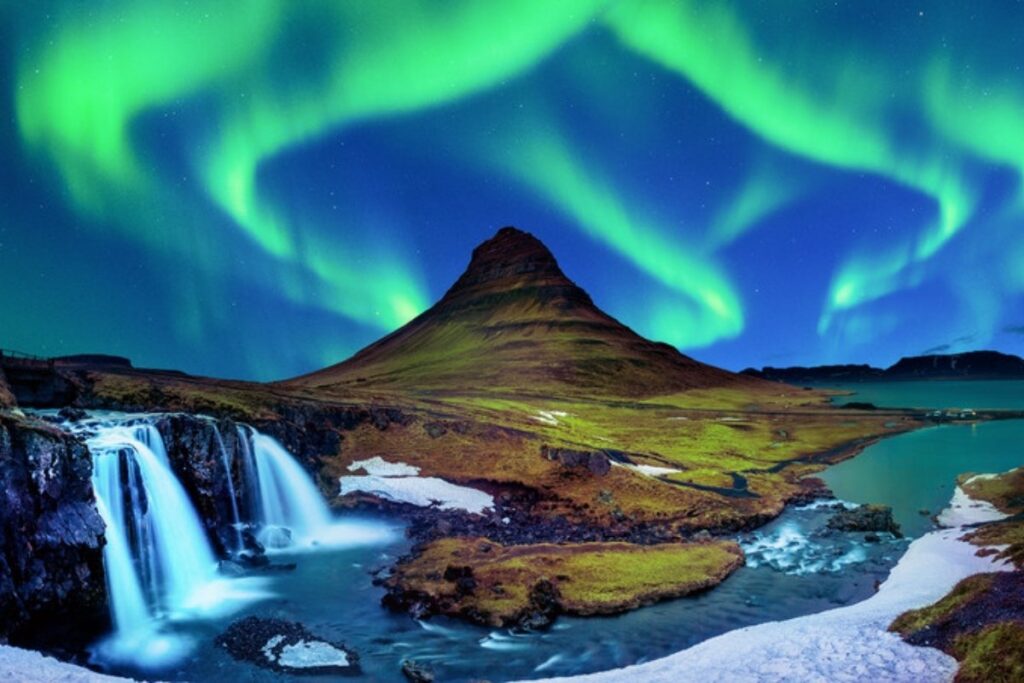
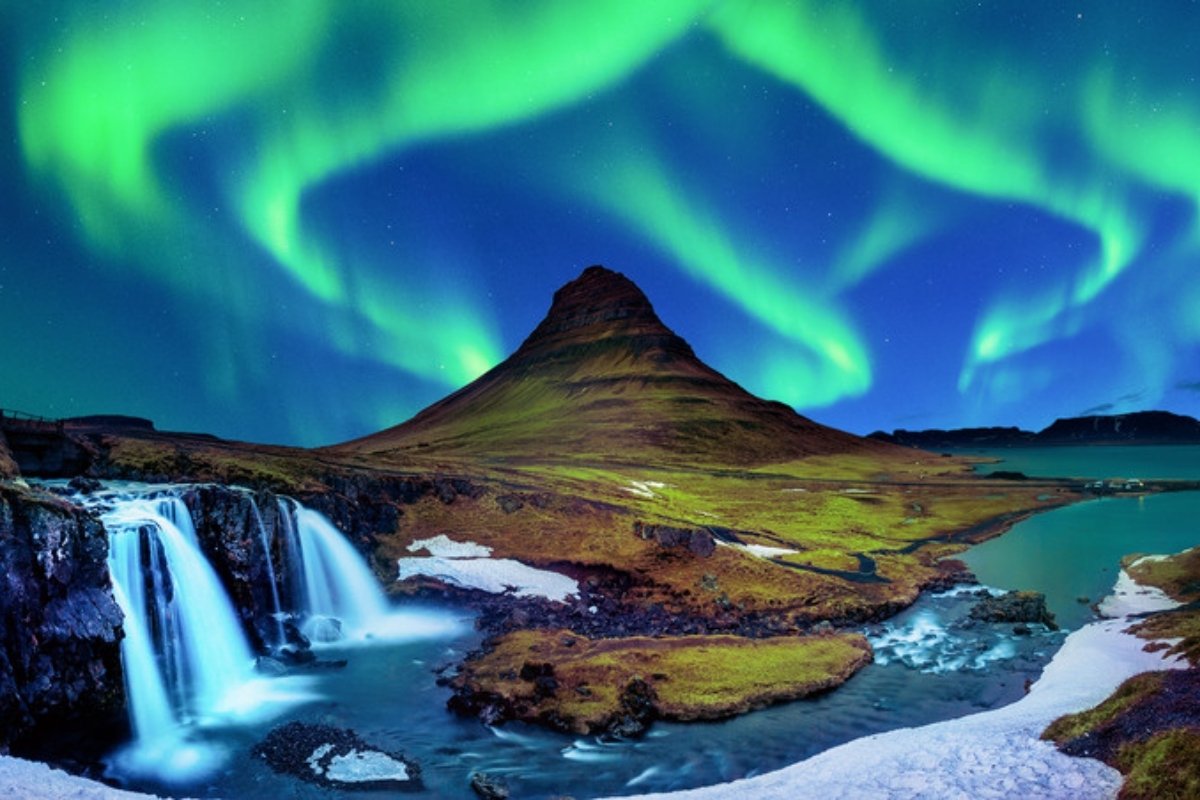
The aurora season in Iceland runs from September to April, when the nights are dark enough to see it. You need three things at the same time: darkness, clear skies (or gaps in the clouds) and enough solar activity. The Icelandic Met Office publishes an aurora forecast together with a cloud cover map, and it is worth checking every afternoon of your trip.
Northern lights tours
What it is: an evening trip by bus, minibus or boat that leaves Reykjavík's light pollution behind and goes wherever the forecast looks best that night.
Who it's for: travelers without a car, or anyone who doesn't want to drive icy roads in the dark. Guides know the local spots and watch the forecast for you.
Practical tip: book a tour early in your trip. Sightings are never guaranteed, and some tours offer another attempt if the lights don't show, so read each tour's conditions before you book. Dress as if you were going to stand still outside for an hour, because you will.
You don't need a tour to see the aurora. If you rent a car, drive a few kilometers out of town on a clear night, park somewhere safe off the road and let your eyes adjust for 15-20 minutes. For photos, a tripod and long exposures of 15-30 seconds work far better than a phone held by hand.
The Golden Circle
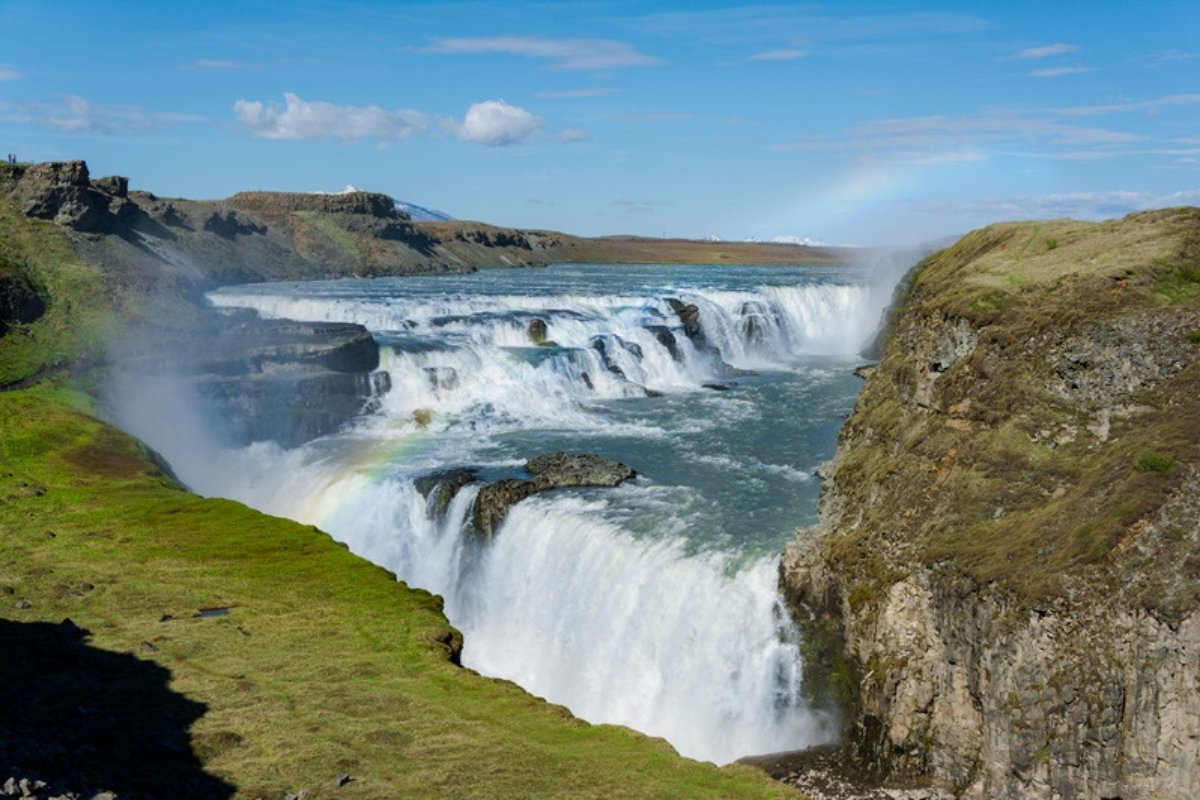
The Golden Circle is a loop of about 250 km (155 miles) from Reykjavík, and it is the most popular day trip in Iceland. It links three stops:
- Þingvellir National Park: a UNESCO World Heritage Site where you can walk through a rift valley between the North American and Eurasian tectonic plates.
- The Geysir geothermal area: home to Strokkur, which erupts every few minutes and shoots water up to about 30 meters high.
- Gullfoss: a two-step waterfall that drops 31 meters into a canyon. It is open all year, although some lower paths can close in winter.
Who it's for: everyone, especially if you only have a few days. Many tours add the Kerið volcanic crater or a geothermal bath on the way back.
Practical tip: in winter, daylight is short, so a full-day tour that leaves in the morning makes the most of it. You can browse Golden Circle tours and other day trips across Iceland and filter by duration and group size.
Snorkeling in Silfra
Silfra is a fissure inside Þingvellir National Park, and it is one of the few places in the world where you can snorkel or dive between two tectonic plates. The water comes from glacial melt filtered through lava rock, which is why it is so clear. The water is cold all year, so snorkelers wear a dry suit, which tours supply.
Who it's for: confident swimmers in good health who want a one-of-a-kind experience. Snorkeling doesn't require a diving certificate; scuba diving does. Operators set their own requirements for age and fitness, so read them carefully before booking.
Ice caves and glaciers
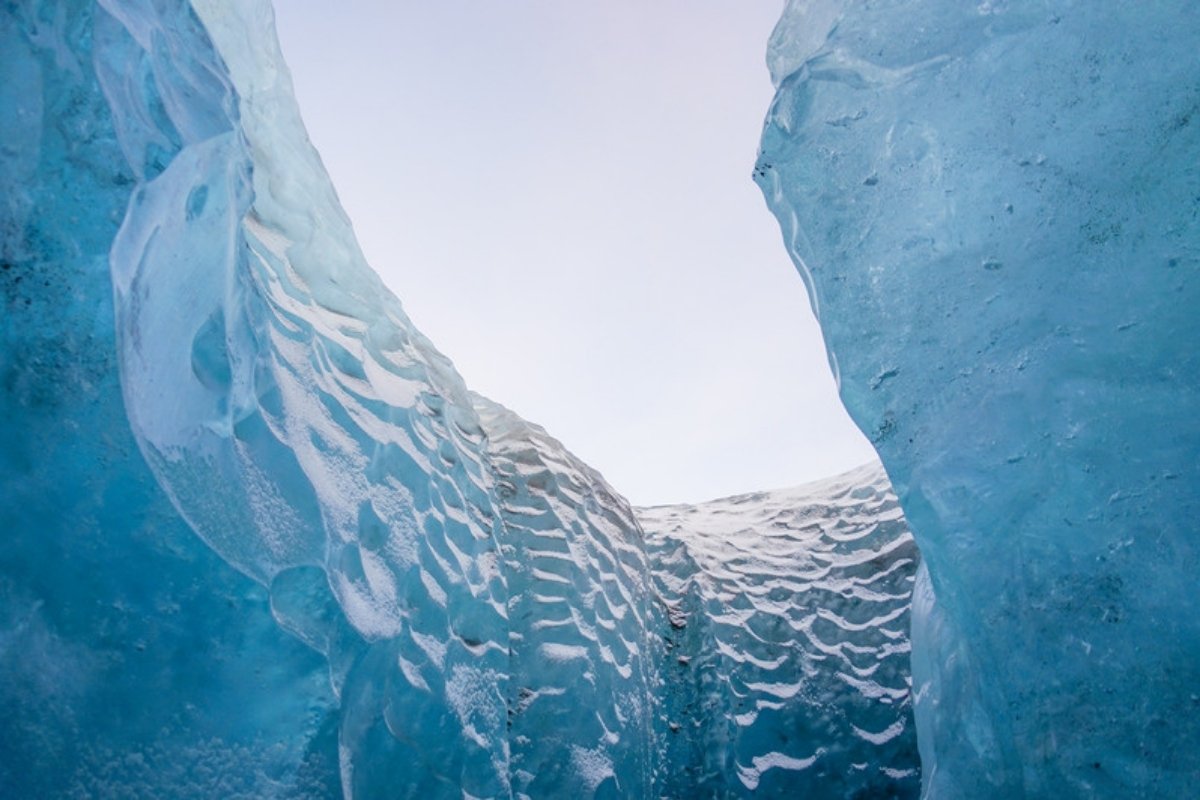
Natural ice caves form inside glaciers when meltwater carves tunnels in spring and summer. Once temperatures stay below freezing, usually from about November until spring, some of them become safe enough to enter with a professional guide. The best known are in Vatnajökull, Europe's largest glacier, in the southeast. The Katla area in South Iceland is closer to Reykjavík and is a popular choice for a long day trip.
Who it's for: winter visitors who want to see the deep blue ice. Tours include crampons and helmets, and the walk to the cave is usually short.
Practical tip: never enter a glacier or ice cave without a guide. Conditions change from week to week, and tours can be canceled on short notice for safety reasons, so plan your ice cave day early in your trip to leave room for a second try. In summer, glacier hikes on the outlet glaciers of Vatnajökull and Mýrdalsjökull are the alternative.
The south coast: waterfalls and black sand beaches
The Ring Road east of Reykjavík passes some of Iceland's most photographed places. Seljalandsfoss and Skógafoss sit right next to the road, and further east the village of Vík is the base for Reynisfjara, the black sand beach with the Reynisdrangar sea stacks. Day tours from Reykjavík usually cover the stretch as far as Vík, while trips to the Jökulsárlón glacier lagoon, where boat tours sail among small icebergs, need a very long day or an overnight stop.
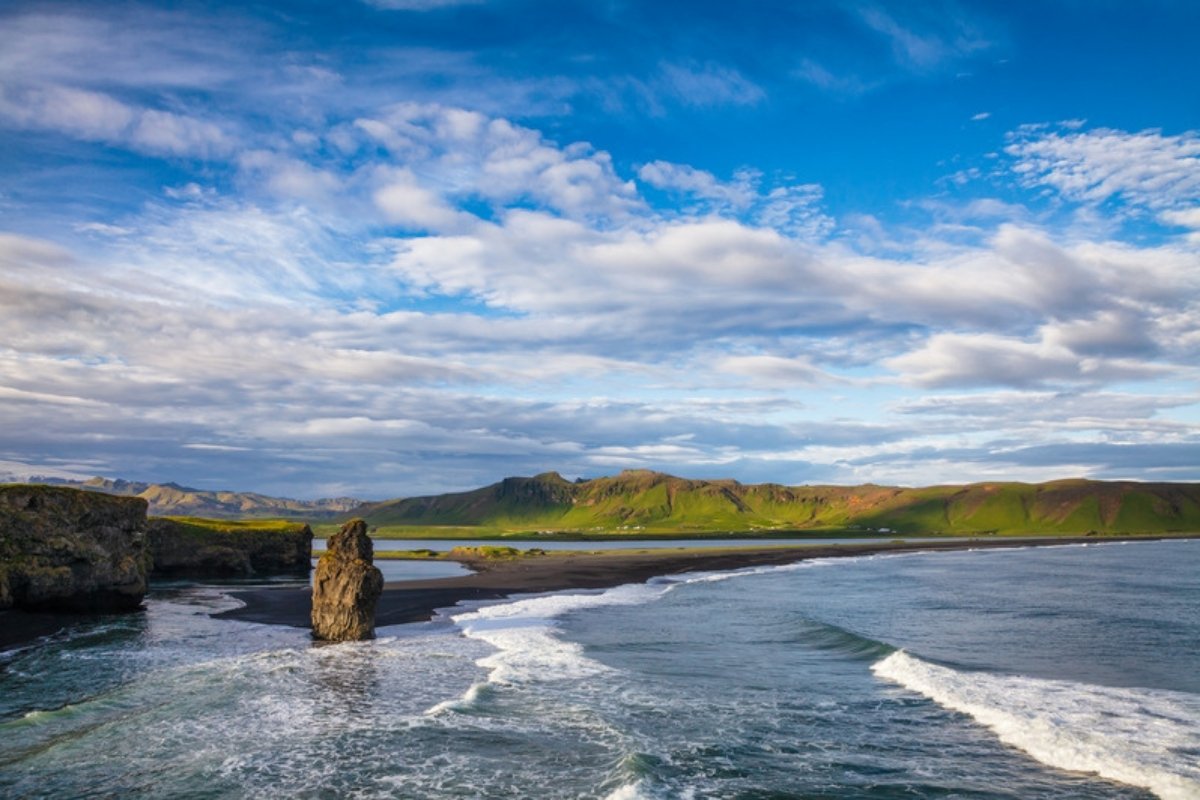
Safety tip: the beaches on this coast look calm but are dangerous. Sneaker waves can surge much higher up the sand than the waves before them and pull people into the sea. At Reynisfjara, a warning light system shows the risk level: with orange, keep at least 25 meters from the water, and with red, the beach is closed and you can only watch from the viewing area. Never turn your back on the sea.
Reykjavík, whales and geothermal lagoons
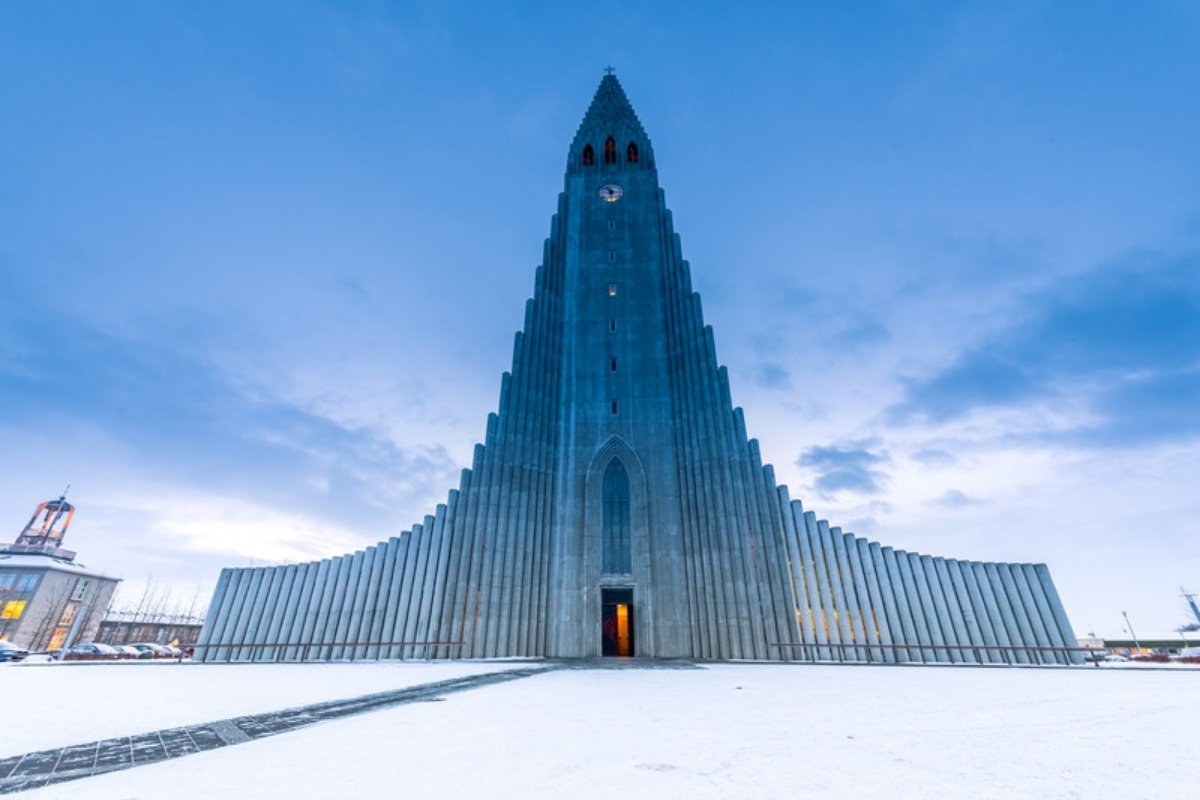
Give the capital at least one day of its own. Hallgrímskirkja, the church whose design was inspired by basalt columns, has a tower with views over the colorful rooftops, and Harpa concert hall stands on the waterfront. Public swimming pools are part of daily life here: remember to shower without your swimsuit before getting in, which is a firm local rule.
Whale watching: boats leave from Reykjavík's Old Harbour. The best months are April to September, when humpback and minke whales are seen most often, along with white-beaked dolphins and, in summer, puffins near the coast. Tours still run in winter, just less often. In the north, the town of Húsavík is known as Iceland's whale-watching capital.
Geothermal lagoons: the Blue Lagoon on the Reykjanes Peninsula, close to Keflavík Airport, and the Sky Lagoon on the edge of Reykjavík are the two best-known options. The Blue Lagoon is easy to visit on the way to or from the airport. Both work on timed entry, so book ahead, especially for sunset slots. See what's available on the Reykjanes Peninsula and in Reykjavík.
Watch: Iceland travel guide
This short video by Expedia gives a good overview of Reykjavík and the landscapes along the Ring Road.

Source: Expedia
When to go and how to get around
Winter (November to March): the season for the northern lights and ice caves. Days are short: Reykjavík has about 8 hours of daylight in early November and around 5 by the end of the month, with even less in December. Temperatures on the south coast usually stay around 0-5°C, but strong wind makes it feel much colder, and rain, sleet and snow can follow each other in a few hours.
Summer (June to August): long days, the midnight sun, puffins and open highland roads. It is the busiest and most expensive time of year, so book popular tours and lagoon slots in advance.
Getting from the airport: Keflavík International Airport is about 50 km from central Reykjavík. Airport buses and private transfers take roughly 45-60 minutes.
Driving: renting a car gives you freedom in summer, but in winter roads can be icy and closures happen with little warning. Check road.is for road conditions and safetravel.is for alerts every morning. If you aren't used to winter driving, guided day tours are the safer choice.
What to pack: thermal base layers, a fleece or wool mid-layer, a waterproof and windproof jacket and trousers, waterproof boots with good grip, a hat, gloves and a swimsuit for the pools. Ice grips for your shoes are useful from November to March.
Frequently asked questions
How many days do you need in Iceland?
With four or five days based in Reykjavík, you can see the city, the Golden Circle, the south coast as far as Vík, a lagoon and, in winter, go on one or two northern lights tours. To add an ice cave in Vatnajökull or the Jökulsárlón lagoon, plan at least one night on the south coast. Driving the full Ring Road calmly takes 7-10 days or more.
Can you see the northern lights from Reykjavík?
Sometimes, on very strong nights, but city lights make them much weaker. Your chances are better outside town, which is why most tours drive out to dark spots away from the capital.
When can you visit the ice caves?
Natural ice caves are usually visited from about November until spring, depending on temperatures and conditions each year. They can only be visited on a guided tour.
More travel guides

You may also like 👇🏼👇🏼