
St. Lucia Travel Guide: Best Things to Do, Tours and Tips
This post contains affiliate links. If you book through them, we may earn a small commission at no extra cost to you.
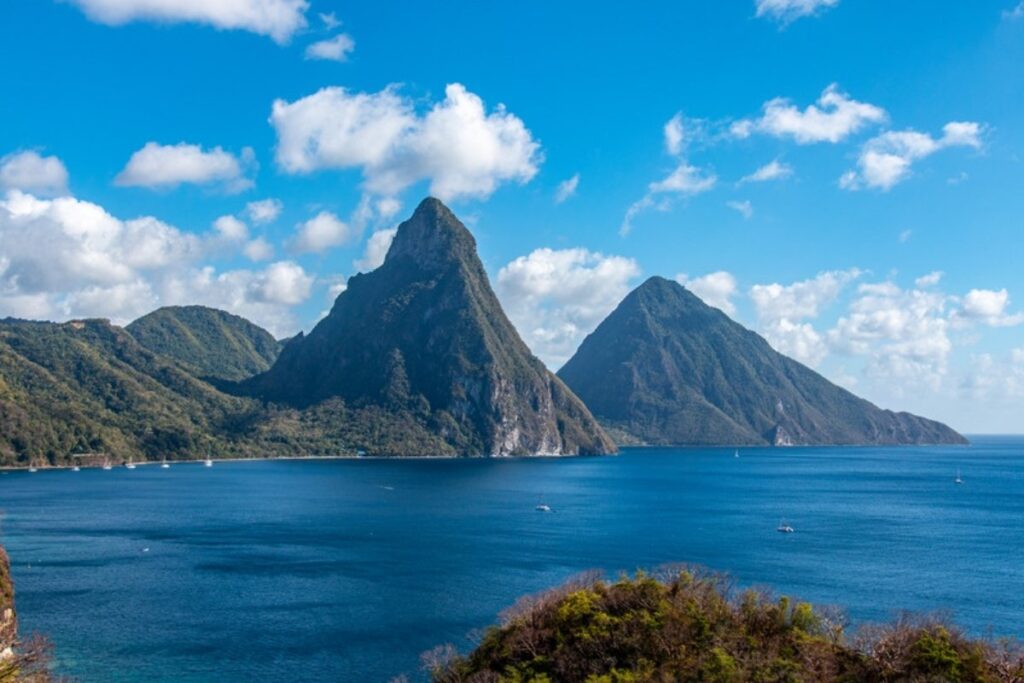
St. Lucia is a mountainous island in the Eastern Caribbean, part of the Windward Islands, with the Atlantic Ocean on one side and the Caribbean Sea on the other. It is best known for the Pitons, two steep volcanic peaks that rise straight out of the sea near the town of Soufriere, but there is a lot more to it: rainforest trails, a volcanic area you can drive into, warm mineral baths, sheltered bays full of sailboats and a long list of beaches.
Because the island is small but hilly, roads are slow and winding, and many of the best sights sit on the southwest coast, far from the hotels around Rodney Bay in the north. That is why a well-chosen tour or boat trip makes such a difference here. This guide covers the experiences most worth booking, how to plan your days, when to go and how to get around.
Top tours and things to do in St. Lucia
Below you can browse popular tours, boat trips and tickets across the island. Free cancellation is available on many of them, which helps if you are still fixing your dates.
The Pitons and the Soufriere area
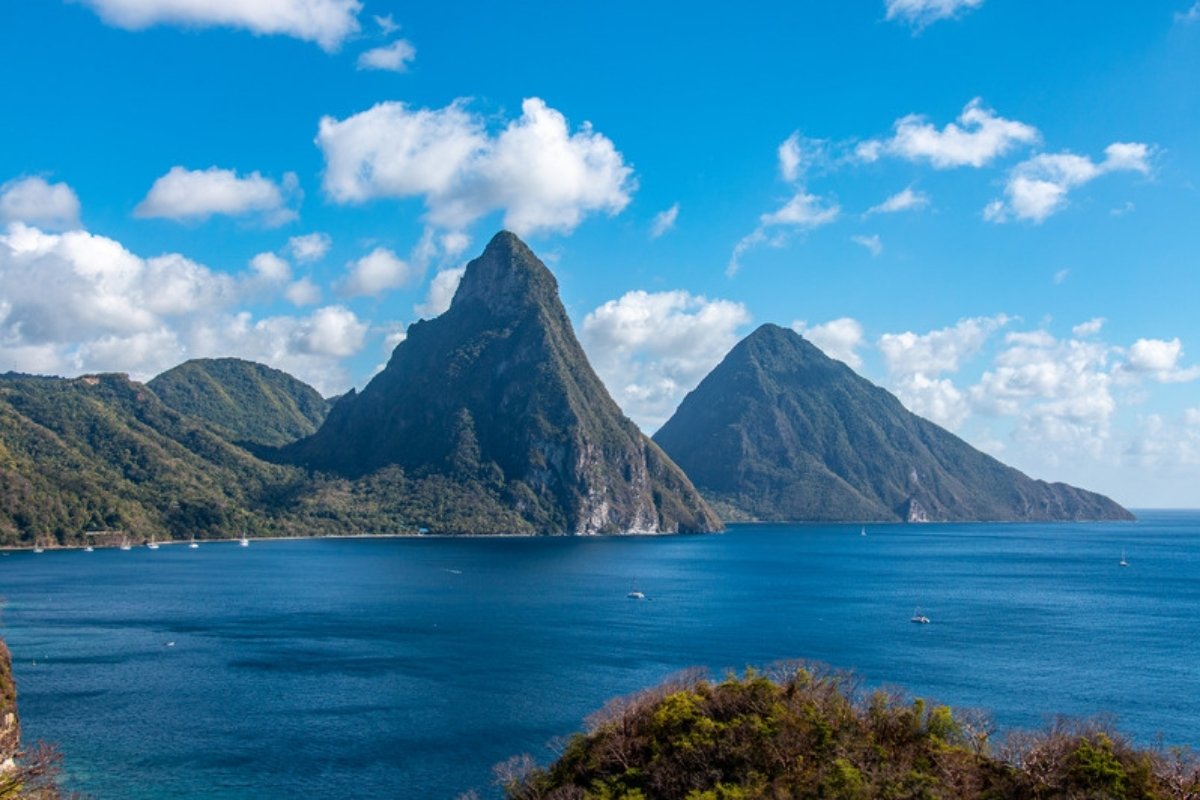
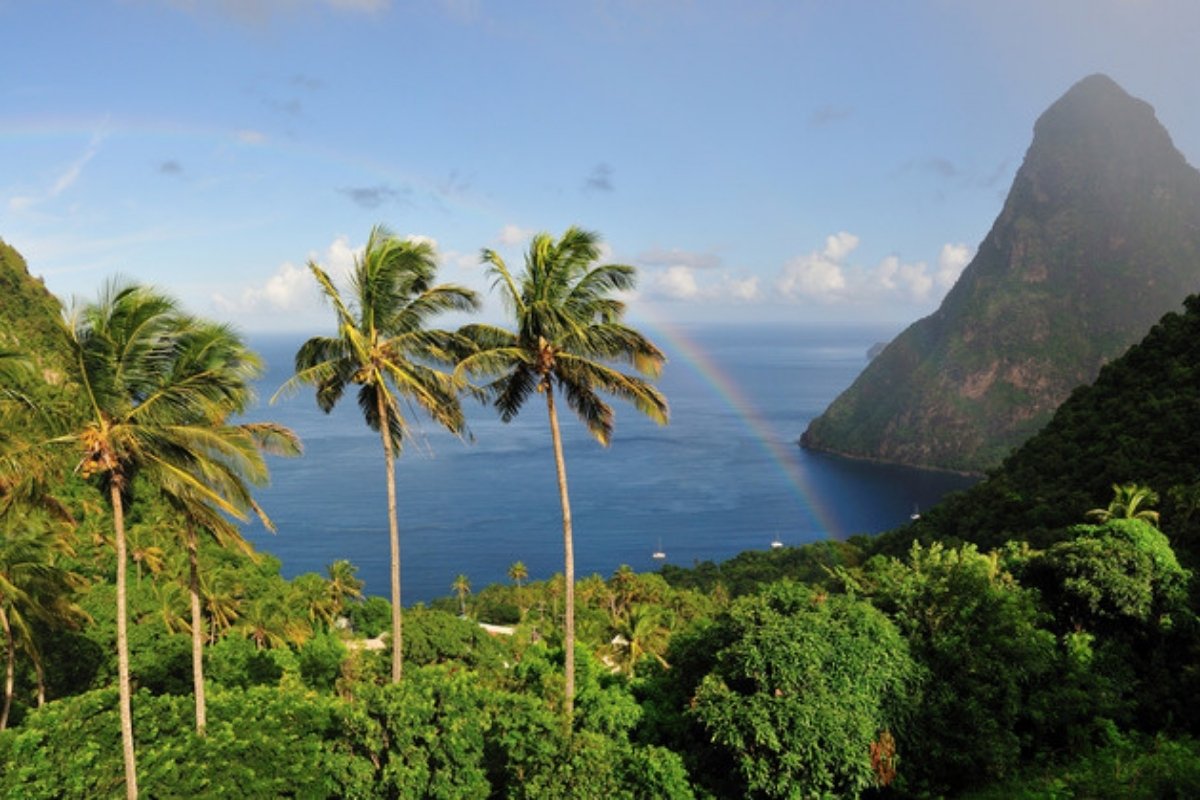
Gros Piton and Petit Piton are the symbol of the island. Together with the surrounding land and sea, they form the Pitons Management Area, a UNESCO World Heritage Site that also covers coral reefs and the geothermal area of Sulphur Springs. Gros Piton is the taller of the two, at roughly 770 to 800 metres depending on the source, and Petit Piton reaches about 743 metres.
Hiking Gros Piton
Climbing Gros Piton is the classic challenge for active travelers. According to the Saint Lucia Tourism Authority, the trail starts near Soufriere, it is a round trip of about 4 km, it takes around 4 to 6 hours, and a certified local guide is required. Expect steep, rocky sections, so start early and carry plenty of water. Petit Piton is a much harder, technical scramble with fixed ropes and is only for experienced hikers with a professional guide.
Who it is for: fit hikers who want the view of a lifetime. If you prefer something easier, a guided walk on a nature trail near the Pitons gives you the same scenery with far less effort. You can compare hikes and guided day trips on the Soufriere tours page on GetYourGuide.
Sulphur Springs: the drive-in volcano and mud baths
Just outside Soufriere, Sulphur Springs is often described as the Caribbean's only drive-in volcano. You can see bubbling mud pools and steaming vents inside an ancient volcanic crater, then cover yourself in grey volcanic mud and rinse off in warm pools. Bring swimwear and an old towel, and keep in mind that the sulphur smell stays on clothes for a while.
Most visitors combine the springs with nearby waterfalls and the Diamond Falls Botanical Gardens, where there are mineral baths set among tropical gardens. Visiting in the morning or late afternoon means cooler temperatures and fewer people.
Catamaran trips and sunset cruises
If you are staying in the north, the easiest way to see Soufriere and the Pitons is by sea. Full-day catamaran tours leave from the Castries and Rodney Bay area and sail down the west coast, usually with stops for swimming or snorkeling and a visit to the Soufriere sights on land. You see the coastline, Marigot Bay and the Pitons from the water without spending hours on mountain roads.
Who it is for: first-time visitors, families and anyone who wants to see the southwest in a single, relaxed day. Shorter sunset cruises are a good option for couples or for your last evening on the island. Read the inclusions on each listing carefully, since pick-up, lunch and entrance fees vary from tour to tour.
Marigot Bay
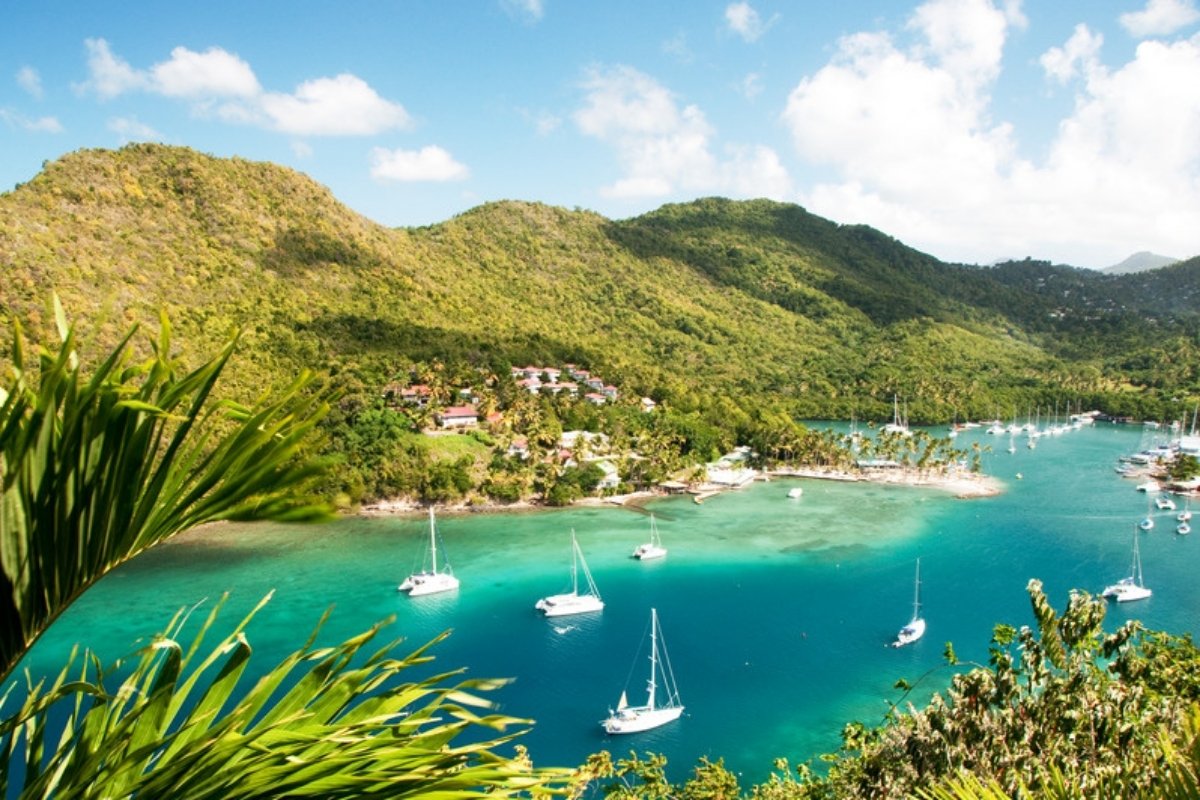
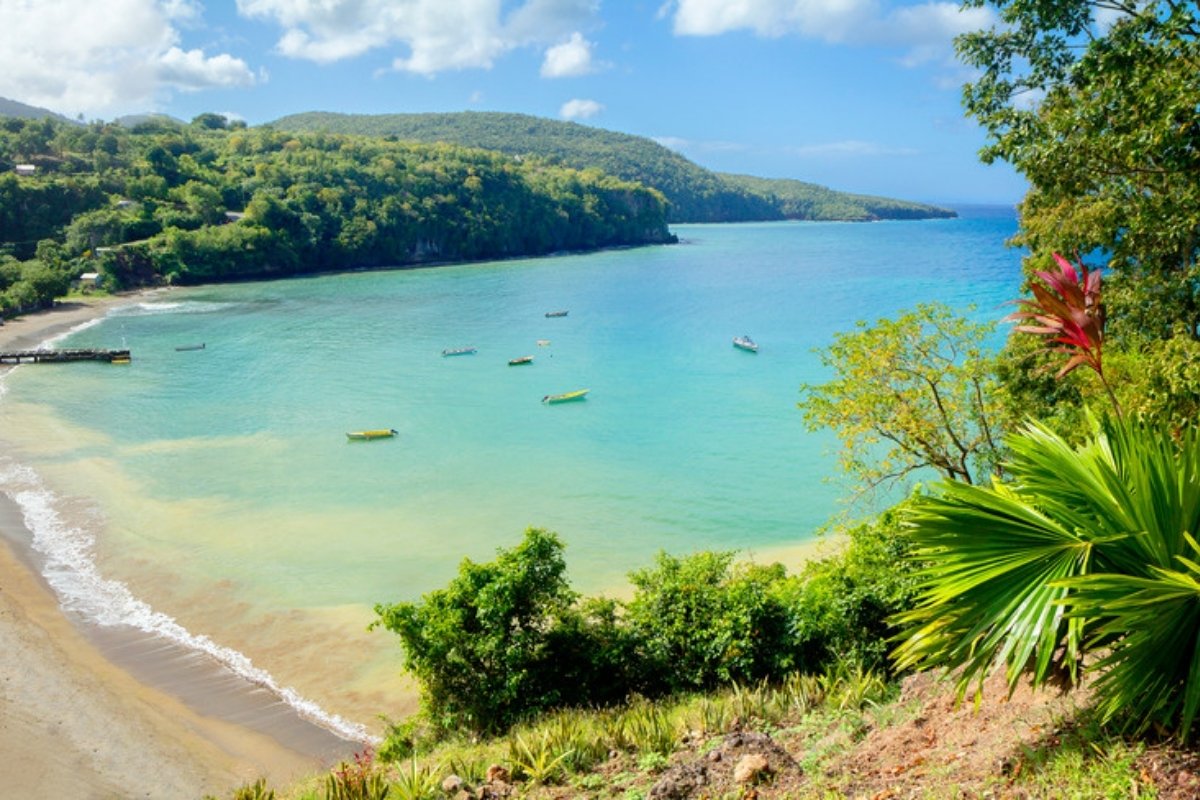
Marigot Bay is a deep, sheltered inlet on the west coast, between Castries and Soufriere, lined with palm trees and usually full of yachts at anchor. It is a pleasant stop for lunch, a short walk or simply a drink with a view of the boats, and many island tours and boat trips pass through it.
Rainforest adventures and ziplines
The interior of St. Lucia is covered in rainforest, and the official tourism board lists ziplining, rainforest hikes, off-road jeep trips and birdwatching among the top land activities. Aerial tram rides over the canopy are a gentle way to see the forest from above, while zipline courses add some adrenaline. Combo packages that mix a tram ride, a zipline and a short hike are popular with families and groups.
Practical tip: wear closed shoes and clothes you do not mind getting muddy, and pack insect repellent. Rain showers can happen at any time of year in the forest, so a light rain jacket is useful.
Castries, Rodney Bay and Pigeon Island
Castries is the capital and main port. In the center, Derek Walcott Square honors the island's two Nobel Prize winners, and the Central Market is the place to try local fruit, home cooking and crafts made on the island. The Cathedral Basilica nearby is known for its colorful murals.
Further north, Pigeon Island National Landmark is now connected to the mainland and is easy to visit from the Rodney Bay hotels. Short trails lead up to the ruins of Fort Rodney, an 18th-century British fort, and to Signal Peak, the highest point, with wide views over Rodney Bay. There is a small museum run by the Saint Lucia National Trust and a calm beach for swimming. Browse transfers, island tours and cruises that start in the north on the Castries page on GetYourGuide.
Beaches worth the trip
St. Lucia has beaches on both coasts, but the calm, swimmable ones are mostly on the Caribbean side. Reduit Beach in Rodney Bay is the busiest and most convenient if you stay in the north. Near Soufriere, Anse Chastanet is known for snorkeling over the reef just off the sand, and Sugar Beach sits between the two Pitons, one of the most photographed spots on the island. The Atlantic side is wilder and better for viewpoints than for swimming.
Watch the St. Lucia travel guide
This short video gives you a good overview of Castries, Soufriere, the beaches and the Pitons before you start planning.

Source: Expedia
When to go and how to get around
When to go: the dry season runs from about December to May, with February and March usually the driest months, which makes the island a popular winter escape from North America and Europe. Temperatures stay warm all year, around 29 to 31 °C. June to November is the wetter season and also hurricane season, with the highest risk roughly from August to October. Prices tend to be lower then, but keep your plans flexible and consider travel insurance.
Arriving: most international flights land at Hewanorra International Airport (UVF), near Vieux Fort in the south. George F. L. Charles Airport (SLU), in Castries, mainly handles regional flights. If you land at Hewanorra and stay in the north, plan for a long transfer along the coast.
Getting around: traffic drives on the left, roads are narrow and steep, and renting a car requires a local driving permit, which rental companies can usually arrange at pick-up. Many travelers prefer taxis, private drivers or organized tours, especially for the trip to Soufriere. Boat trips are a good way to cover the west coast without driving. You can see all the options in one place on the St. Lucia tours page on GetYourGuide.
Money: the local currency is the Eastern Caribbean dollar, and US dollars are widely accepted.
Frequently asked questions
How many days do you need in St. Lucia?
Five to seven days is a comfortable amount of time. It lets you enjoy the beach, take one full day trip to Soufriere and the Pitons, add a rainforest or boat activity and still have time to relax.
Do you need a guide to climb Gros Piton?
Yes. The Saint Lucia Tourism Authority states that a certified local guide is required for Gros Piton, and a professional guide is mandatory for the more technical Petit Piton climb.
Is it better to stay in the north or near Soufriere?
The north, around Rodney Bay, has more hotels, restaurants and nightlife and is close to Pigeon Island. The Soufriere area is quieter and puts you next to the Pitons, Sulphur Springs and the best snorkeling, but it is far from the main town. Many visitors stay in the north and visit the south on a guided day trip or catamaran tour.
More travel guides

You may also like 👇🏼👇🏼