
Your Trip to Sicily: The Complete Guide
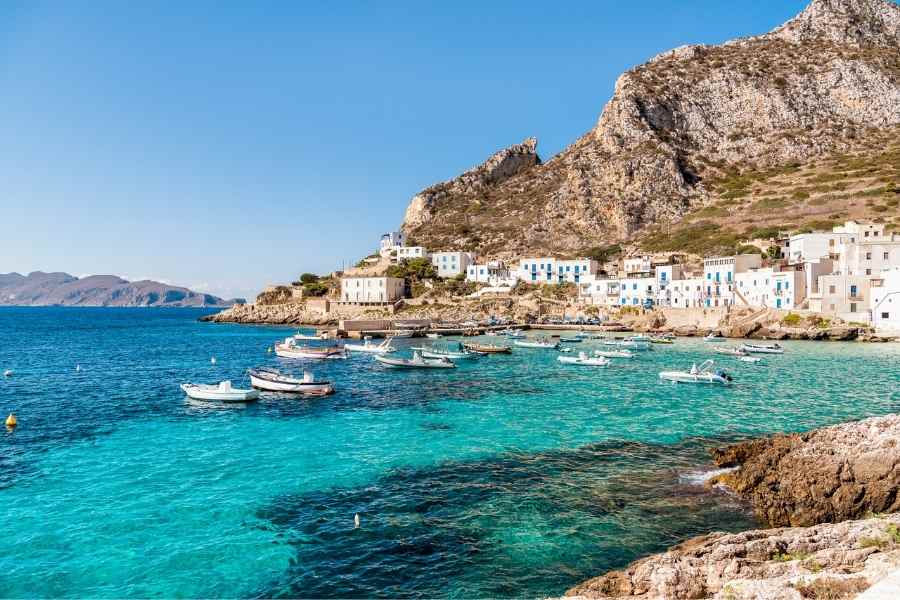
Sicily is famous for hosting Mount Etna, one of the most active volcanoes in the world, and for its well-preserved Greek and Roman archaeological sites, Baroque architecture, vibrant cities, wild Mediterranean beaches, fascinating cultural mix, and varied cuisine.
While many visitors to Italy plan to spend a few days in Sicily as part of a larger vacation, there is enough to see on this 25,000-square-kilometer (9,653-square-mile) island to warrant a deeper dive.
We hope you enjoy watching this video about The Best of Sicily
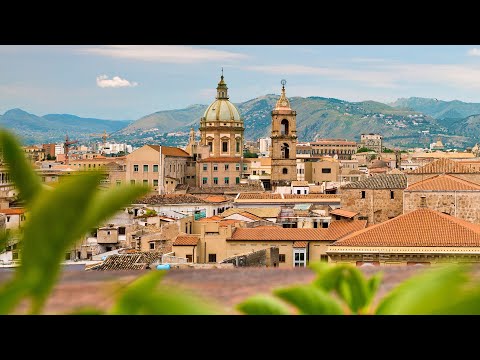
Source: Rick Steves' Europe
Planning Your Trip
The Best Time to Visit
When you decide to visit Sicily depends on what you want to do while you are there.
If you are looking for beaches, July and August are the high seasons, although you can also sunbathe and swim in June and early September, when it is less hot and less crowded.
Otherwise, late spring and early fall are the best times to visit Sicily, as mild temperatures and crowds subside.
Language
Italian is the main language spoken in Sicily, although it is heavily influenced by regional dialects and by the words and pronunciations of Sicilian, the island's native language.
English is widely spoken in hotels, restaurants, and shops in cities and resort towns, but is less common in rural and rural areas.
Currency
As in the rest of Italy, Sicily uses the euro. Other currencies are not accepted.
Credit cards are widely accepted, although some merchants may prefer cash for smaller purchases.
American Express is not as widely accepted in Italy as it is in the US, so make sure you have a backup card or cash on hand.
Getting Around
Sicily is covered by a network of train and bus lines that reach most of the island. Trenitalia, the national railway company of Italy, offers services between the main cities of Sicily, secondary cities, and some smaller towns.
It is important to note that connections to smaller destinations can be infrequent and involve long wait times.
Buses also connect smaller coastal and inland cities, but service is sporadic and times are often difficult to calculate.
Ferries connect Sicily with the mainland, as well as the Aeolian and Eegadian islands, as well as the pelagic islands of Lampedusa, Pantelleria, and Linosa. Ferries run more frequently in the summer months.
Many travelers to Sicily choose to rent a car to visit the countryside and move more freely.
- Travel Tip: Unless you have a week or more to spend in Sicily, we recommend that you base yourself on a section of the island and explore that area.
There are more than 621 miles (1,000 kilometers) of coastline in Sicily, as well as few direct roads or train routes running through the center.
Save the rest of the island for when you have more time to have fun.
What to Do in Sicily
There are many reasons to visit Sicily. The main ones are the historic cities, ancient archaeological sites, beaches, and nature, especially around Mount Etna.
Here's a closer look at some of the highlights:
Historic Towns
Palermo is the capital of Sicily2 and offers Arab and Norman history and bustling street food markets. Catania has Greek and Roman ruins and a Baroque center.
The cities of Val di Noto are known for their Sicilian Baroque architecture. Syracuse, Taormina, Trapani, and Cefalu are coastal cities and some have notable ancient ruins.
Ancient Archeology
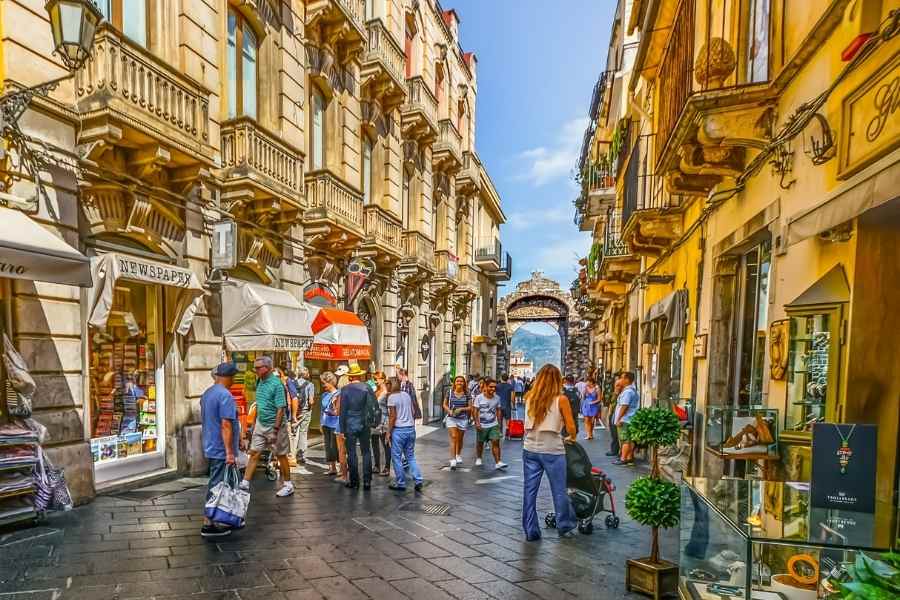
Agrigento's Valley of the Temples is one of the best-preserved Greek archaeological sites in the world, with other important sites at Selunite, Segesta, Taormina, Siracusa/Ortigia, and Messina.
The impressive Villa Romana del Casale in Piazza Armerina preserves the remains of a vast Roman villa decorated with spectacular mosaics.
Beaches
The sand on the beaches of Sicily varies from black and volcanic to sugary and white, or without sand; many beaches are made of smooth pebbles that are hard on bare feet.
What they all share is incredibly blue seawater, perfect for swimming and snorkeling. Look at Taormina, Trapani, San Vito Lo Capo and Cefalu and the southeast coast.
The islands of Sicily offer spectacular rocky shores interrupted by sandy coves or wide crescent-shaped beaches.
Nature
Mount Etna is Sicily's geological star, and for many visitors, a hike or jeep tour of the active volcano is a must-see experience.
To the northwest, the Zingaro Nature Reserve offers an unspoiled coastline and Mediterranean forests and scrublands, as well as some of the best beaches in Sicily.
The Trapani and Paceco Salinas Nature Reserve is a WWF reserve for migratory birds.
To See The Second Part Please Click Here!
Did you find this post useful or inspiring? Save THIS PIN to your Travel Board on Pinterest! 😊

Once again, thank you for visiting our website!
We hope you've enjoyed exploring the content we've created for you.
Give yourself the chance to learn, get inspired, and have even more fun, keep browsing...
You may also like 👇🏼👇🏼