
10 Reasons Why Outdoor Plant Leaves Turn Yellow


Why do The Leaves of Outdoor Plants Turn Yellow
When the leaves of outdoor plants turn yellow, it is commonly associated with chlorosis, a symptom caused by insufficient chlorophyll production by the foliage. This pigment is essential for photosynthesis and gives the leaves their green color.
There are several reasons why chlorosis could be occurring. Yellow leaves can also be caused by pests and diseases, or they can simply be a sign of a plant's normal aging process.
Read on to understand more about what may be causing the leaves of your outdoor plants to turn yellow and if there is anything you can do about it.
Lack of Light
Light is crucial for photosynthesis to occur, so if a plant doesn't get enough sunlight, its leaves will look discolored. Research the light needs of your diseased plant to understand whether it needs sun or can tolerate partial shade.
For potted plants, the remedy can be as easy as moving them to a sunnier location. Changing the light state of ingrown plants is more complicated. If a nearby tree or shrub is providing shade, you can prune it. If that is not possible, or if a wall or building protects your plant, you will need to transplant it to a sunnier location.
Lack of Water
Yellow leaves are a common sign that the plant needs water. Oftentimes, it doesn't take a real drought for this to happen. A few hot days, when the plant loses more moisture through its leaves than the roots can absorb, maybe enough to yellow.
Water the plant slowly and deeply and repeat as needed to keep the soil evenly moist.
Excess Water
Too much water can also cause yellow leaves. Poorly draining soils, such as clay soils, can become compacted and soggy when it rains, preventing oxygen from entering.
In this environment, the roots of the plants cannot breathe, or worse, they become damaged or compacted, causing the leaves and stems to turn yellow and brown.
Do not plant in places with poor drainage or correct the soil before planting. Another option for gardens is to consider raised beds.
Nutrient Deficiency
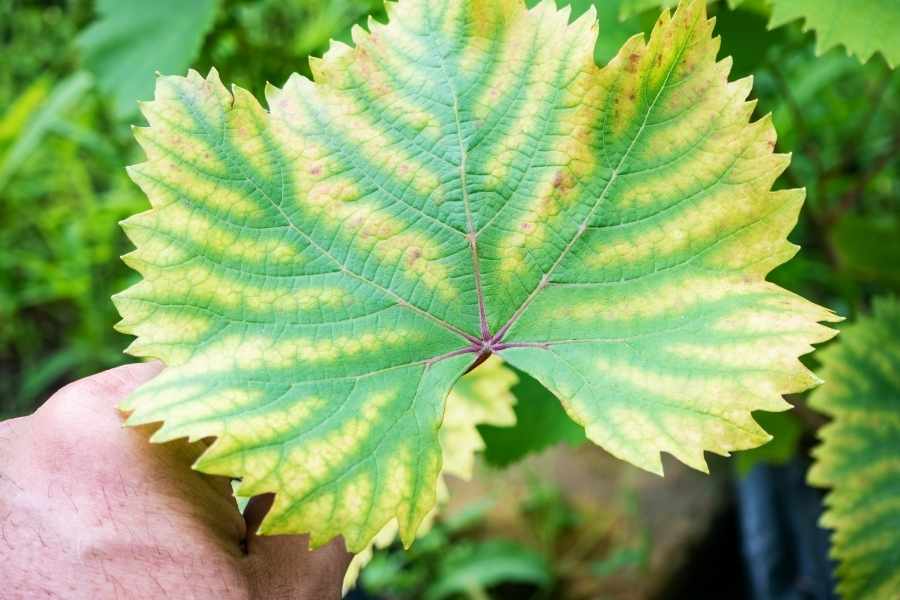
Nitrogen is often the first nutrient that comes to mind as a culprit when leaves turn yellow, but it is not the only one. Yellowing of the leaves can also indicate that the soil is lacking in other nutrients, such as iron, manganese, or zinc.
While the pattern of foliage yellowing progress can give a trained eye some clues as to what nutrients may be lacking, the most reliable way is to do a soil test. This will give you accurate information on the nutrient content and the nutrient additions you need to make.
High Soil pH
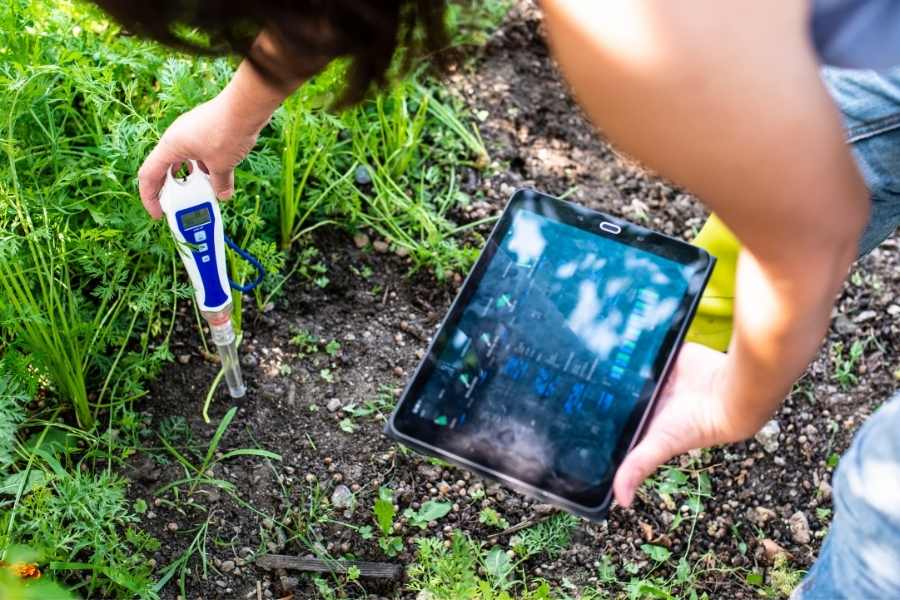
Yellowing leaves can also be caused by soil that is too alkaline for the plant. Alkaline soil is directly related to nutrient deficiency. In soils with a pH greater than 7, the nutrient iron is less soluble and, therefore, less available.
This is why plants with a high need for iron, such as blueberries, rhododendrons, and azaleas, need acidic soil in which they can absorb enough iron.
Combine a soil test with a pH test. That way, you can add the necessary nutrients and simultaneously lower the pH by adding sulfur so that those nutrients are more available to plants.
Fertilizer Burn
If the leaves look burned or scorched, it could also indicate that you overdid the fertilizer. Damage can occur in two ways: when soluble salts in the fertilizer draw moisture from the roots, or when fertilizer granules or liquid fertilizer spills onto the leaves.
Not all plants are equally sensitive to burning foliage fertilizer, and hot, dry weather increases the damage.
To prevent this from happening, if you use granular fertilizers, be sure to water the plants immediately afterward and that no granules accumulate on the foliage. Or use an organic slow-release fertilizer, which is less concentrated than inorganic fertilizer.
Pesticide or Herbicide Burn
When you spray pesticides or insecticides in temperatures above 85 degrees F, in high humidity, or on a cloudy day, the leaves can easily burn. The same thing happens when you spray plants that are already stressed by drought, frost, pests or diseases.
Once the damage has occurred, there is not much else you can do except remove the affected parts of the plant.
Regardless of whether you are spraying organic or inorganic pesticides, such as insecticidal soaps, select a dry, cool, and calm day; These are conditions where the pesticide will quickly dry out on the plant and the vapors will not dissipate due to hot air and wind.
The same applies to herbicides to prevent the weeds you want to get rid of from being swept away.
Fungal or Bacterial Diseases
If you are growing tomatoes, you may want to monitor your plants closely for two fungal diseases that start with yellow leaves and end up killing the plant. These are black spots and melt wilt.
The black spot begins with spots that have a yellow halo that later merges. In tomatoes affected by fusarium wilt, the leaves turn yellow, often only on one side of the plant or on one side of a branch.
Once the disease strikes, there is not much you can do other than kill and destroy the plants.
To avoid these diseases, select resistant varieties and practice good garden hygiene and deep cleaning in the fall, as pathogens hibernate in the soil for many years.
Insect Damage
Damage from various insects can lead to yellowing of the leaves, mainly on vegetables. Common culprits are harlequin bugs, spider mites, pumpkin bugs, and whiteflies.
Although they don't necessarily kill plants, it's crucial to monitor your garden so you can spot infestations early and take the proper control measures before they spread.
Normal Ageing
Leaf yellowing and subsequent shedding, especially older leaves at the bottom of the plant, may simply be part of the foliage aging process. It all depends on the frequency and number of leaves, but the occasional yellow leaves on a mature plant are usually not a cause for concern.
Enjoy This Video Tutorial About Reasons why Plant Leaves Turn Yellow
Source: Fraser Valley Rose Farm
Did you find this post Useful or Inspiring? Save THIS PIN to your GARDENING Board on Pinterest! 😊

Once again, thank you for visiting our website!
We hope you've enjoyed exploring the content we've created for you.
Give yourself the chance to learn, get inspired, and have even more fun, keep browsing...
More Gardening Tips 👇🏼👇🏼