
4 Common Apple Tree Diseases


Growing your own apple trees can be rewarding — but they can also fall victim to a few common diseases that threaten your harvest.
Understanding how to identify and prevent these issues early will help keep your trees healthy and productive for years to come.
In this guide, we’ll cover the four most common apple tree diseases, their symptoms, and the best strategies to prevent or manage them naturally.
1. Apple Scab (Venturia inaequalis)
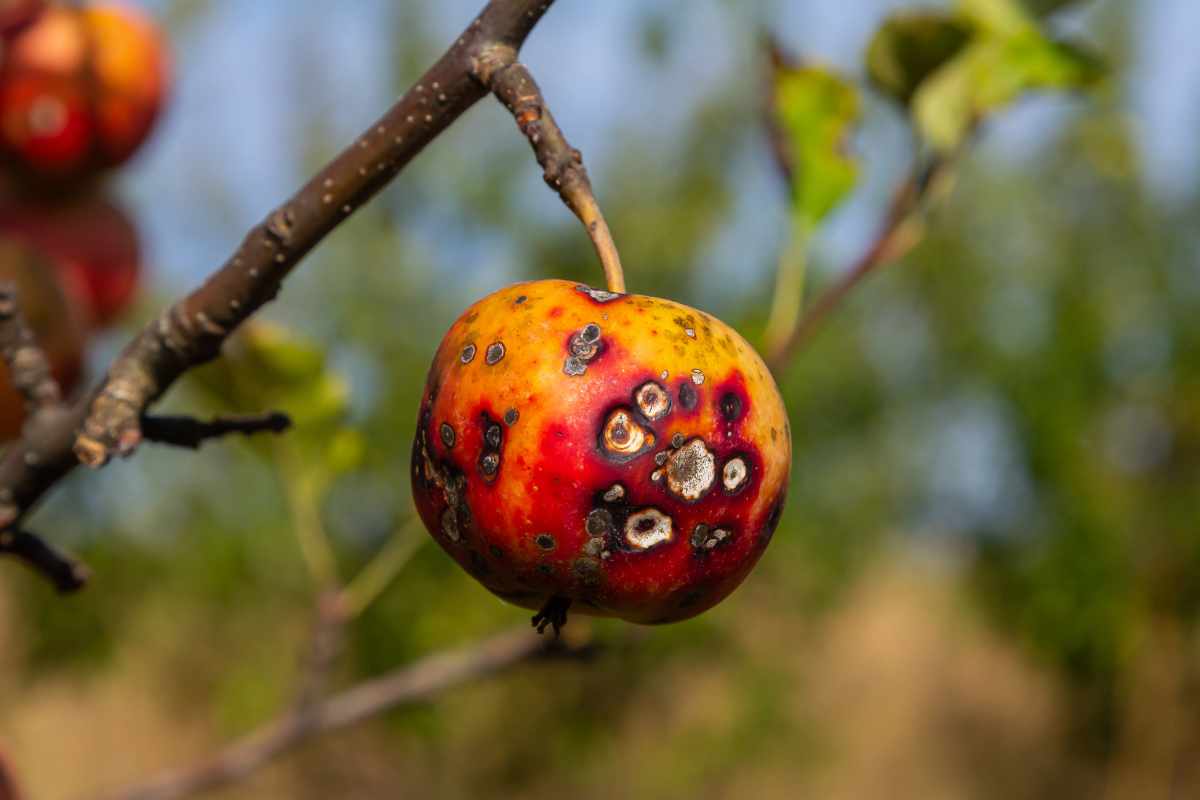
Apple scab is one of the most widespread fungal infections that affects both the leaves and the fruit.
It thrives in cool, wet conditions — especially during spring.
Symptoms
Olive-green or brown velvety spots on leaves.
Deformed or cracked apples with dark, scabby lesions.
Premature leaf drop in severe cases.
Prevention and Control
Sanitation: Remove and destroy fallen leaves in autumn to eliminate fungal spores.
Pruning: Improve air circulation by pruning overcrowded branches.
Resistant varieties: Choose scab-resistant cultivars like Liberty, Enterprise, or Freedom.
Fungicide use: Apply organic sulfur-based sprays or neem oil early in the growing season if the infection persists.
2. Fire Blight (Erwinia amylovora)
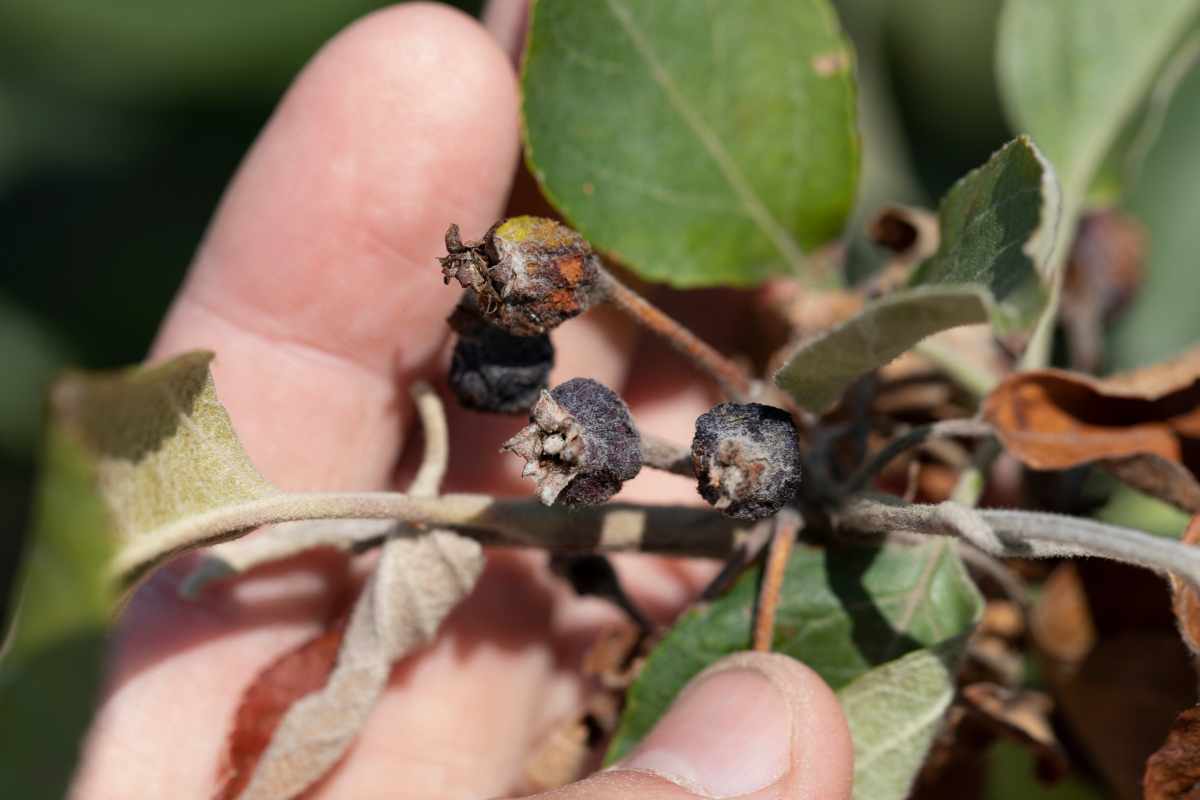
Fire blight is a bacterial disease that spreads quickly, especially during warm and humid weather.
It can kill young branches, flowers, and even entire trees if left untreated.
Symptoms
Blossoms and shoots appear blackened and shriveled, as if scorched by fire.
Oozing, amber-colored sap from infected areas.
Shepherd’s crook-shaped branch tips.
Prevention and Control
Prune infected areas: Cut 8–12 inches below visible symptoms and disinfect tools between cuts.
Avoid high nitrogen fertilizers: Excessive nitrogen encourages soft new growth, which is more vulnerable to infection.
Resistant varieties: Plant cultivars such as Freedom or Liberty, which show better resistance.
Dormant spray: Copper-based sprays can help reduce bacterial populations during winter.
3. Powdery Mildew (Podosphaera leucotricha)
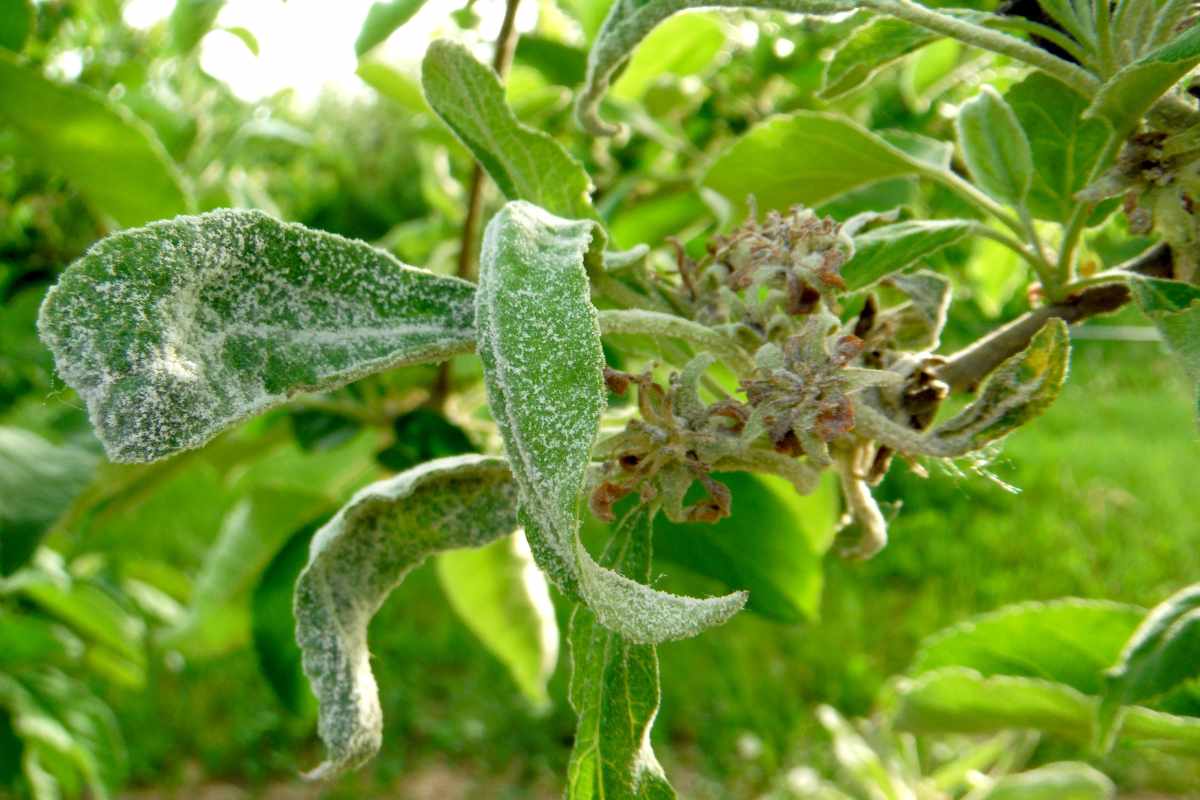
Powdery mildew is another fungal disease that affects young leaves, shoots, and fruit.
It thrives in warm, dry environments — the opposite of most fungal problems.
Symptoms
White, powdery coating on young leaves and buds.
Distorted leaf growth and stunted shoots.
Reduced flowering and fruit quality.
Prevention and Control
Proper pruning: Allow sunlight and airflow through the canopy.
Water management: Avoid overhead watering; water at the base instead.
Natural sprays: Apply sulfur or potassium bicarbonate-based organic sprays during early growth stages.
Clean pruning: Remove infected shoots promptly to prevent spread.
4. Cedar-Apple Rust (Gymnosporangium juniperi-virginianae)
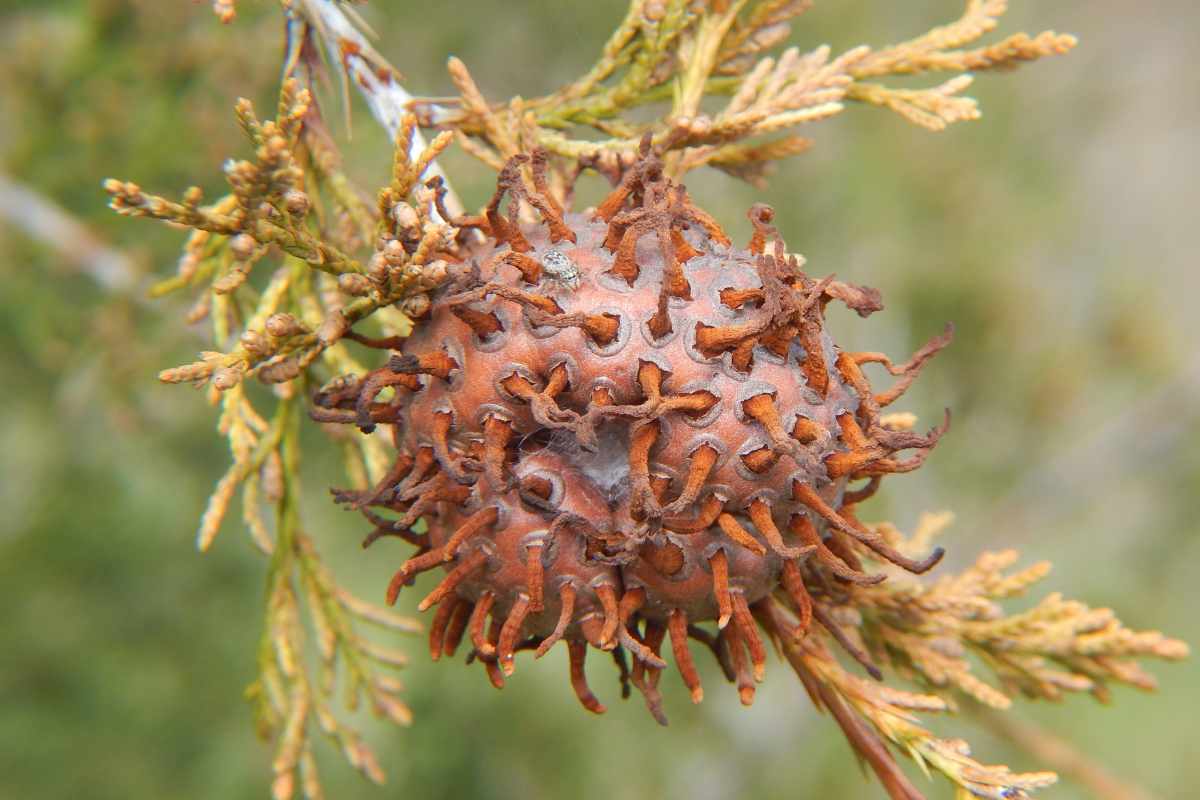
Cedar-apple rust is a unique fungal disease that requires two hosts: apple trees and cedar or juniper trees.
It spreads when spores travel from one host to the other, often during spring rains.
Symptoms
Bright yellow-orange spots on leaves.
Gelatinous, orange tendrils appear on cedar trees after rain.
Reduced fruit quality and premature leaf drop.
Prevention and Control
Remove nearby junipers: If possible, eliminate cedar or juniper hosts within 1,000 feet of apple trees.
Resistant varieties: Choose resistant cultivars like Redfree, Priscilla, or Jonafree.
Fungicide timing: Apply preventive fungicides (sulfur or copper) just before bloom and repeat as needed.
Regular cleanup: Collect and destroy fallen leaves and fruit to break the disease cycle.
General Tips for Healthy Apple Trees
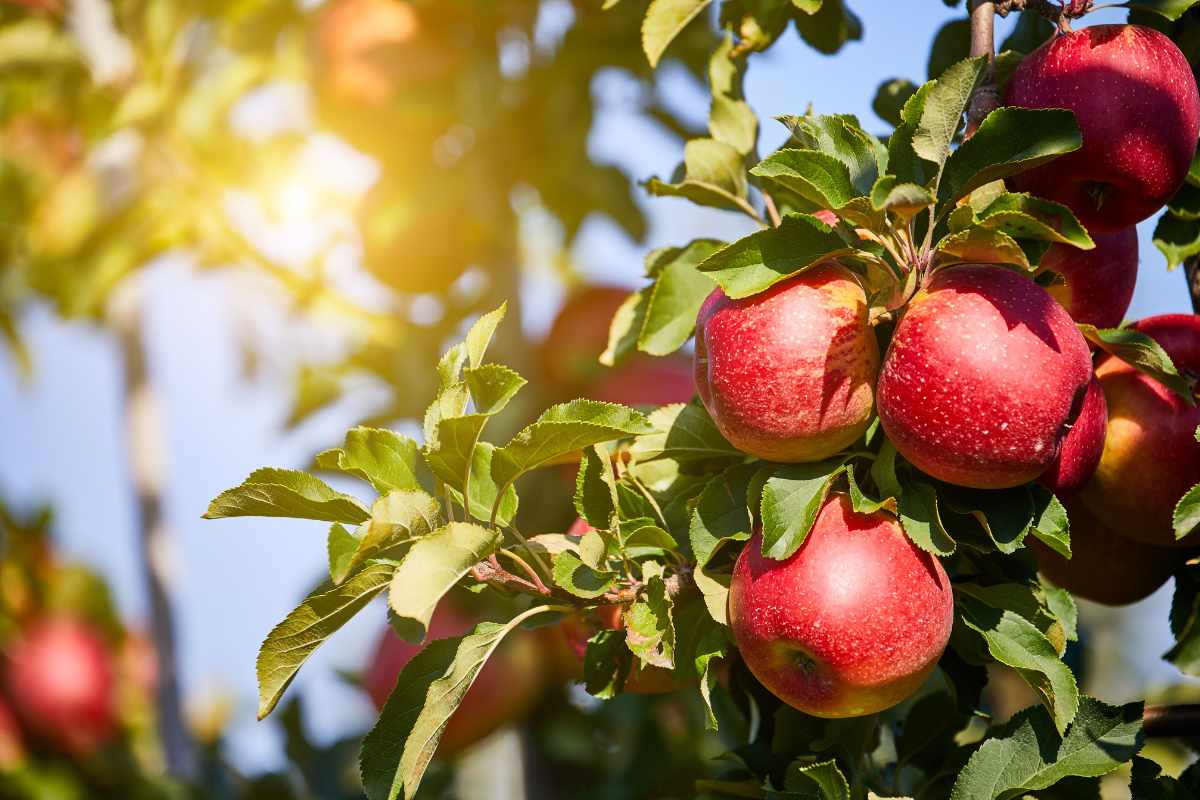
Keeping apple trees healthy starts with good cultural practices. Here are a few simple steps to strengthen their natural resistance:
Prune annually to improve airflow and reduce humidity.
Fertilize moderately, avoiding excessive nitrogen.
Water deeply but infrequently to encourage strong root systems.
Inspect regularly for early signs of infection.
Practice crop rotation if growing multiple fruit trees to reduce disease buildup in the soil.
Preventing apple tree diseases starts with observation and good garden hygiene.
By identifying symptoms early and maintaining a clean, balanced environment, you can enjoy a healthy orchard full of crisp, beautiful apples year after year.
Don’t forget to Subscribe to our Newsletter to receive amazing tips and tricks about Gardening and the FREE Ebook Green Living Strategies!
Did you find this post Useful or Inspiring? Save THIS PIN to your GARDENING Board on Pinterest! 😊

Once again, thank you for visiting our website!
We hope you've enjoyed exploring the content we've created for you.
Give yourself the chance to learn, get inspired, and have even more fun, keep browsing...
More Gardening Tips 👇🏼👇🏼