
5 EASY WAYS to Control Snails and Slugs in Your Garden


Snails and slugs may look harmless at first glance, but for gardeners, they can quickly become a nightmare.
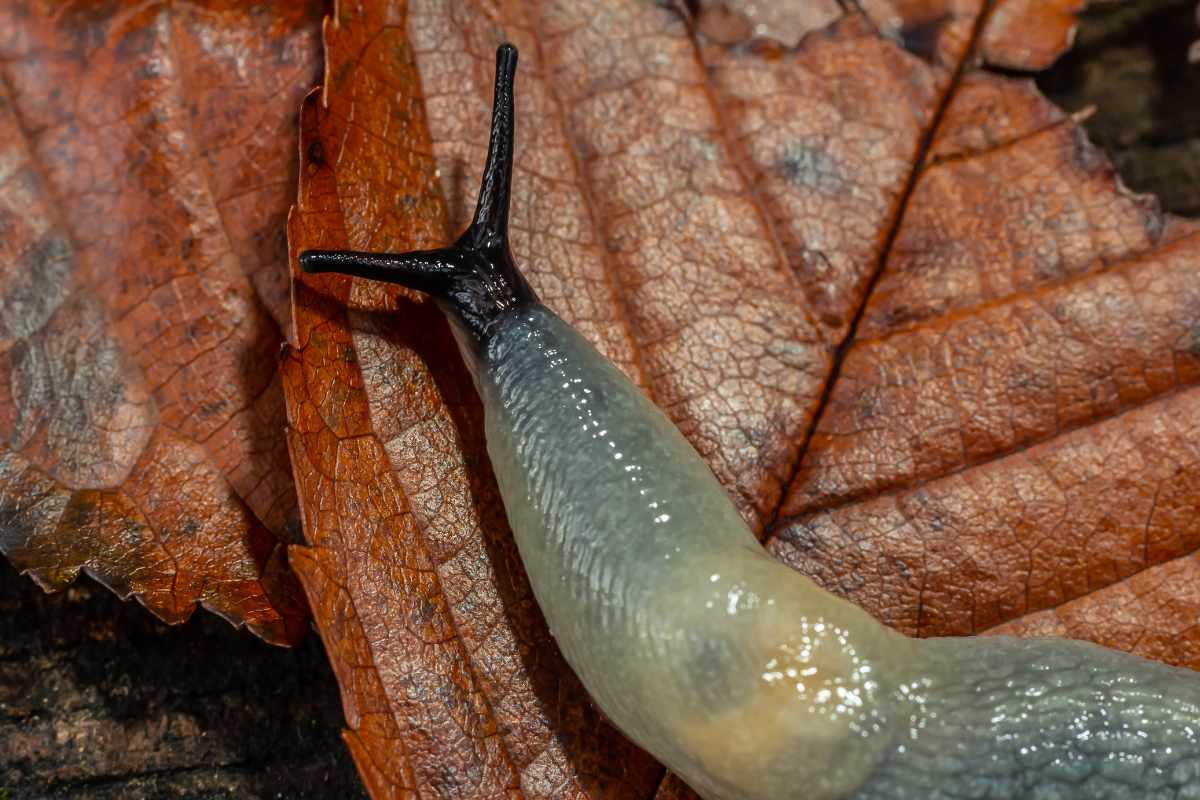
These pests thrive in cool, damp environments and are especially active at night, leaving behind holes in leaves, chewed seedlings, and a trail of slime.
If left unchecked, they can destroy tender plants within days.
The good news is that there are simple and effective ways to protect your garden. Below, you’ll find five proven methods to control snails and slugs that balance effectiveness with environmental safety.
Understanding the Problem
Before jumping into solutions, it helps to know why these pests are so difficult to manage.
Slugs and snails are nocturnal feeders, meaning they often attack plants when you aren’t watching.
They hide under mulch, pots, or dense foliage during the day, making them tricky to spot. Moisture is their best friend, so rainy seasons or over-watered beds often lead to infestations.
Knowing these habits allows you to choose the method that best fits your garden.
1. Handpicking: A Simple but Effective First Step
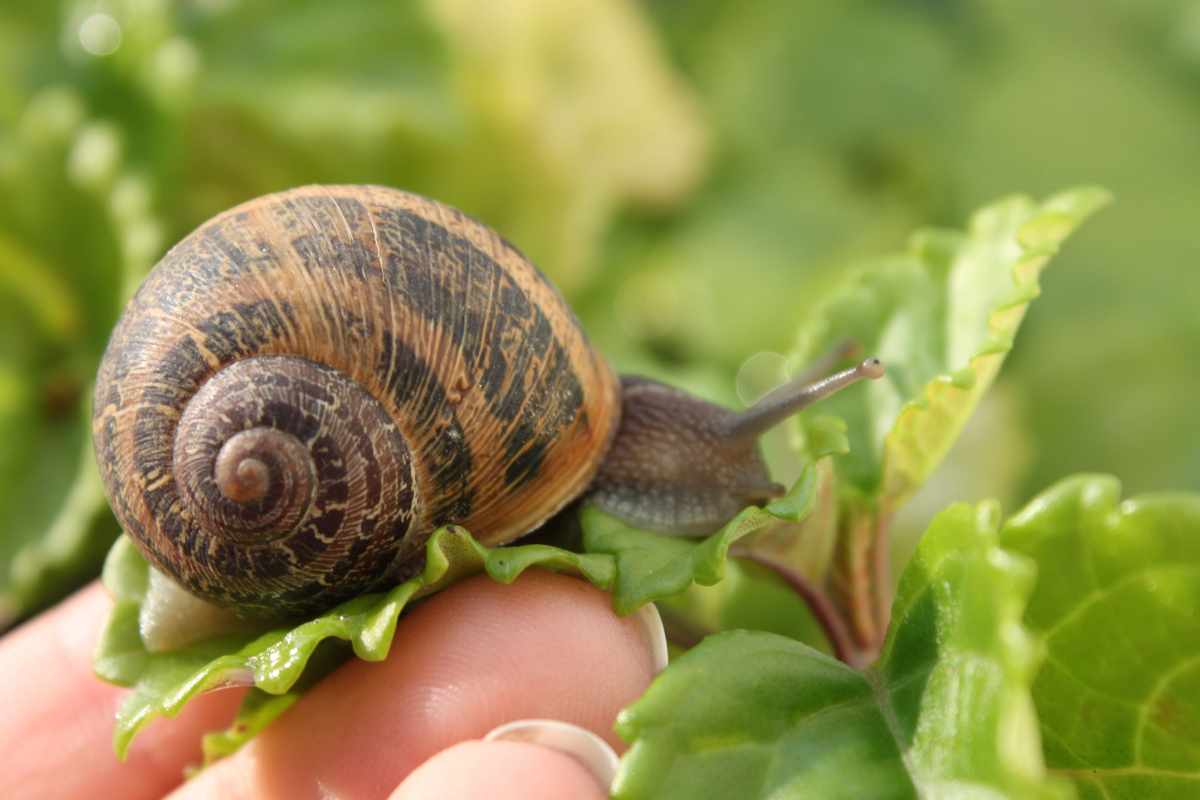
One of the oldest and most effective methods is simply removing snails and slugs by hand.
While it requires patience, it’s free and doesn’t harm your soil or other wildlife.
How to Do It
Go out after dusk or early morning with a flashlight.
Collect slugs and snails into a container.
Relocate them far from your garden or dispose of them humanely.
Tip: Keep a bucket of soapy water nearby to drop them into if you want a permanent solution.
This method works best for small gardens or mild infestations and gives you immediate results.
2. Barriers and Natural Deterrents

Creating a physical barrier is a powerful way to keep these pests away from your plants.
Copper tape, crushed eggshells, or diatomaceous earth are popular options.
Best Practices
Wrap copper tape around the rims of pots or raised beds. Snails and slugs receive a mild shock when crossing it.
Sprinkle crushed eggshells or sand around plant bases to create a sharp, unpleasant surface.
Use diatomaceous earth in dry weather for maximum effect.
Note: Barriers work best in dry conditions and need to be refreshed after heavy rain.
3. Traps That Lure and Capture
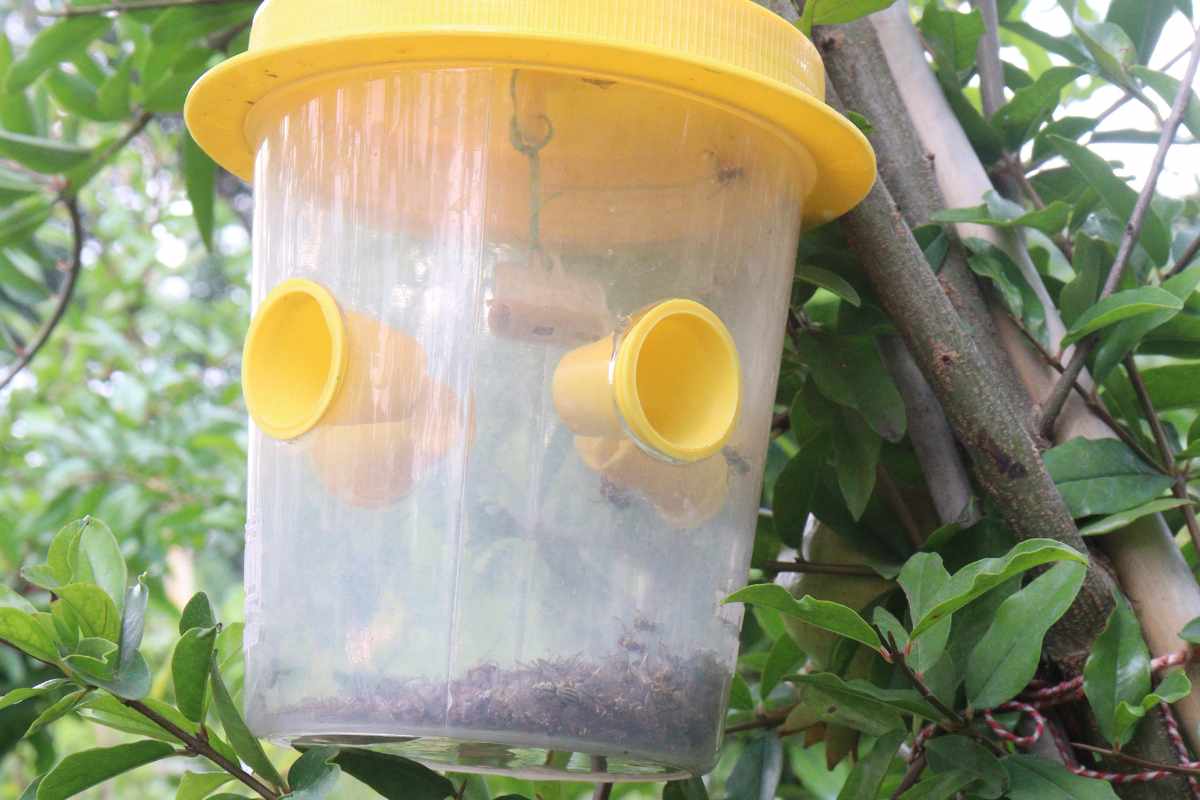
If handpicking feels tedious, traps are another effective method.
Beer traps are a classic solution because slugs and snails are attracted to the yeast.
How to Set a Beer Trap
Bury a shallow container at soil level near affected plants.
Fill it halfway with beer.
Empty and refill the trap daily.
Other options include grapefruit halves or damp boards placed on the soil surface — check them in the morning and remove pests hiding underneath.
4. Encourage Natural Predators
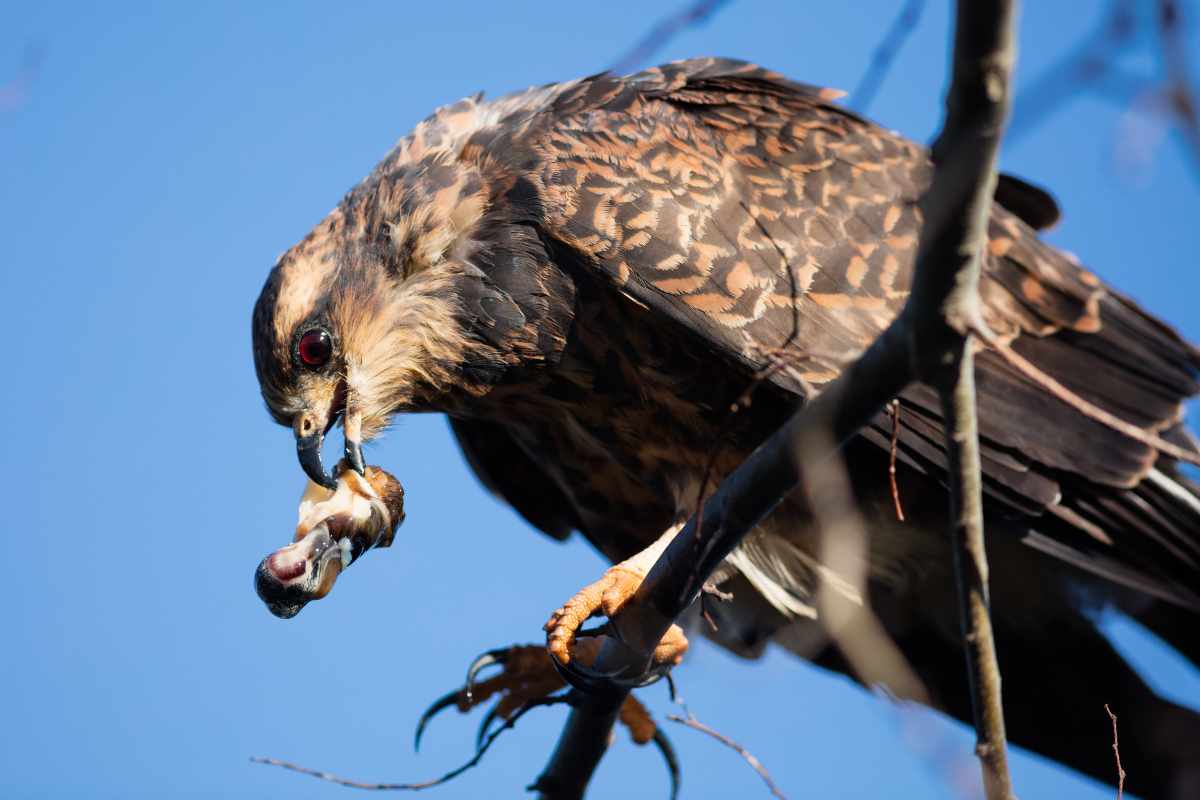
Nature provides its own pest control system.
By inviting natural predators into your garden, you can reduce snail and slug populations without chemicals.
Helpful Allies
Birds and ducks enjoy feeding on slugs and snails.
Frogs, toads, and ground beetles are natural hunters that thrive in moist areas.
Chickens (if allowed in your area) are excellent slug controllers.
To encourage these predators, create wildlife-friendly habitats such as small water features, native shrubs, and undisturbed corners of your yard.
5. Safe Slug Pellets and Alternatives
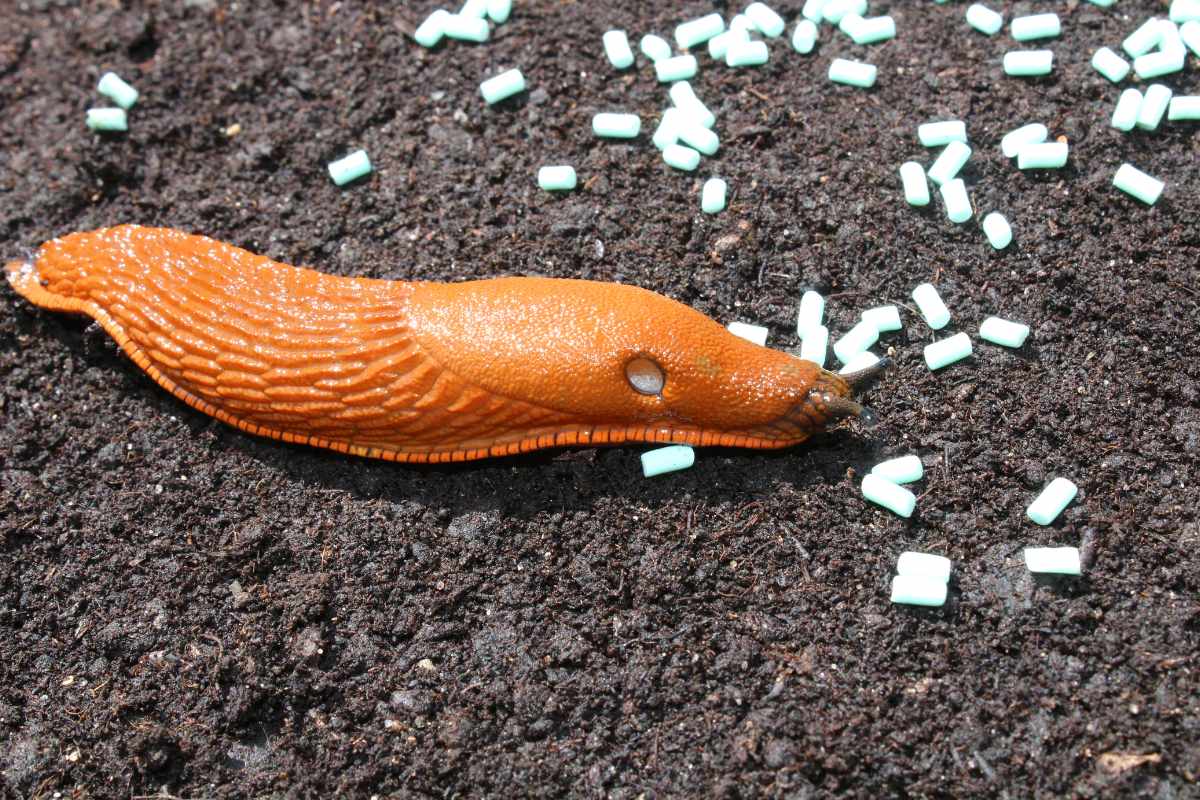
When infestations are severe, gardeners sometimes turn to slug pellets.
However, it’s important to choose safe options.
Safer Choices
Avoid products containing metaldehyde, which can harm pets, wildlife, and soil health.
Opt for pellets made with iron phosphate, which are effective but safer for animals and the environment.
Follow instructions carefully to avoid overuse.
Important: Chemical solutions should be a last resort, used only when other methods fail.
How to Choose the Best Method
Not every approach works for every garden. Here’s a quick guide to help you decide:
Small garden or light damage? Start with handpicking.
Container plants or raised beds? Use copper tape or eggshell barriers.
Heavy infestations? Combine traps with predator encouragement.
Persistent problems? Consider iron phosphate pellets as a last step.
By mixing and matching these methods, you’ll have a more reliable, long-term solution.
Protecting your garden doesn’t mean relying on harsh chemicals.
With a combination of simple habits, natural deterrents, and environmentally safe practices, you can effectively manage snails and slugs while maintaining a healthy ecosystem.
Remember, consistency is key: check your garden regularly, especially after rain, and apply the method that works best for your space.
Over time, you’ll notice healthier plants, stronger growth, and far less slug damage.
Enjoy This Video Tutorial
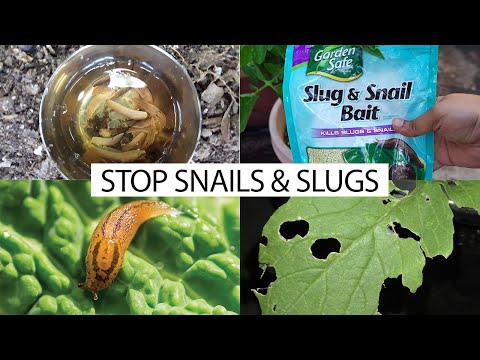
Source: California Gardening
Don’t forget to Subscribe to our Newsletter to receive amazing tips and tricks about Gardening and the FREE Ebook Green Living Strategies!
Did you find this post Useful or Inspiring? Save THIS PIN to your GARDENING Board on Pinterest! 😊

Once again, thank you for visiting our website!
We hope you've enjoyed exploring the content we've created for you.
Give yourself the chance to learn, get inspired, and have even more fun, keep browsing...
More Gardening Tips 👇🏼👇🏼