
5 Garden Border Ideas to Define and Beautify Your Yard


When your yard feels a little “unfinished,” the problem often isn’t the lawn or the flowerbeds—it’s the edges. A well-planted border creates clean lines, adds color and texture, and makes everything look more intentional.
In this guide, you’ll find five border ideas that use plants (not hard edging) to define spaces and boost curb appeal. Whether you want tidy and formal or soft and cottage-style, you’ll be able to pick a look that fits your maintenance level and your climate.
If you’re landscaping near the water, the key is choosing plants and design elements that can handle wind, moisture swings, and occasional flooding—without turning into a constant weekend project.
That’s why you’ll love these low-maintenance lakefront landscaping ideas: they’re designed to look polished, protect your shoreline, and thrive with minimal upkeep, so you can spend more time enjoying the view and less time weeding and replanting.
1) The Classic Low Hedge Border (Crisp + Timeless)
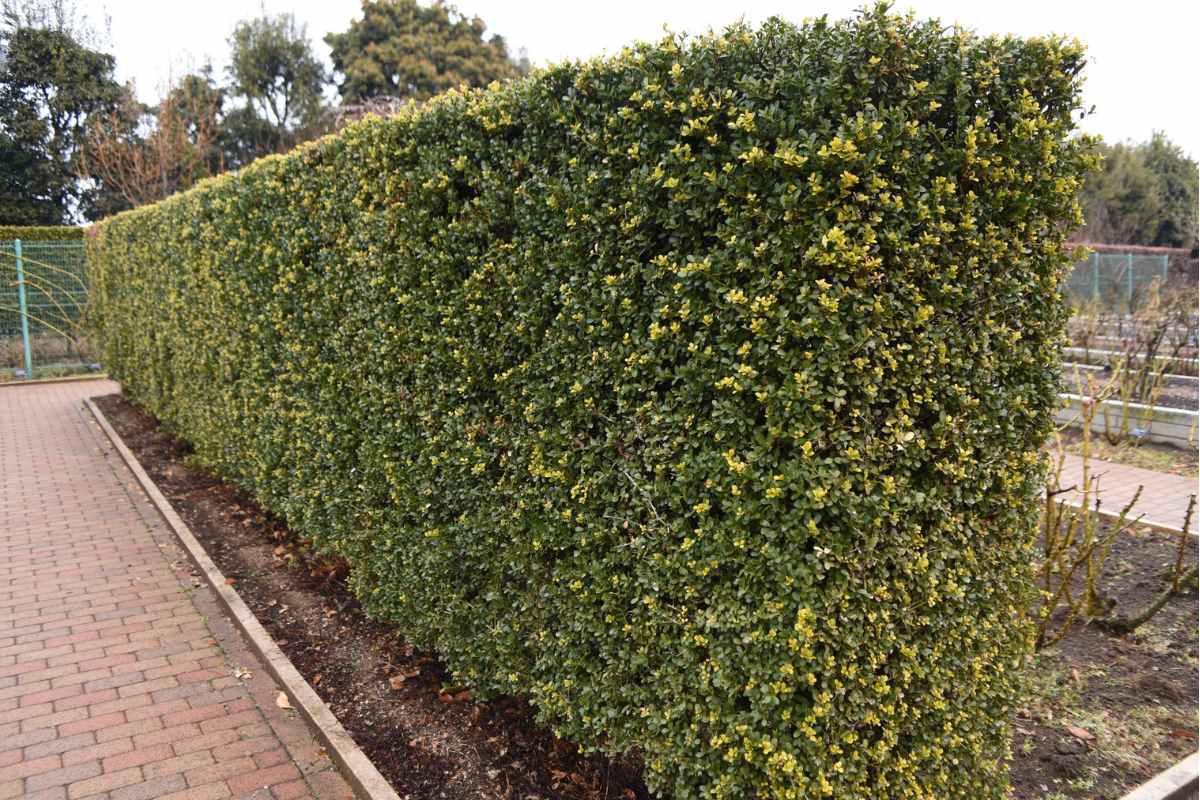
If you love that neat, “designed” look, a low hedge border is hard to beat. It creates a clear boundary along walkways, patios, or the front of foundation beds—without needing bricks or metal edging.
Best plants to use (choose what fits your zone):
- Boxwood (Buxus): iconic, dense, easy to shape (but check local boxwood blight pressure)
- Japanese holly (Ilex crenata): boxwood look-alike in many climates
- Dwarf yaupon holly (Ilex vomitoria ‘Nana’): great heat tolerance in many regions
- Lavender (Lavandula): a softer “hedge” option with fragrance (sun + drainage required)
Planting tips:
- Keep it low: aim for 12–24 inches (30–60 cm) tall for an edge that defines without blocking views.
- For a continuous line, space plants so they’ll touch at maturity (check the plant tag for mature width).
- Mulch well, but keep mulch away from stems to prevent rot.
2) A Perennial “Ribbon” Border (Color That Comes Back Every Year)
This is one of the most budget-friendly ways to add definition—because many perennials expand and fill in over time. Think of it as a repeating ribbon of plants that guides the eye along a path or around a bed.
Best border perennials (mix bloom + foliage):
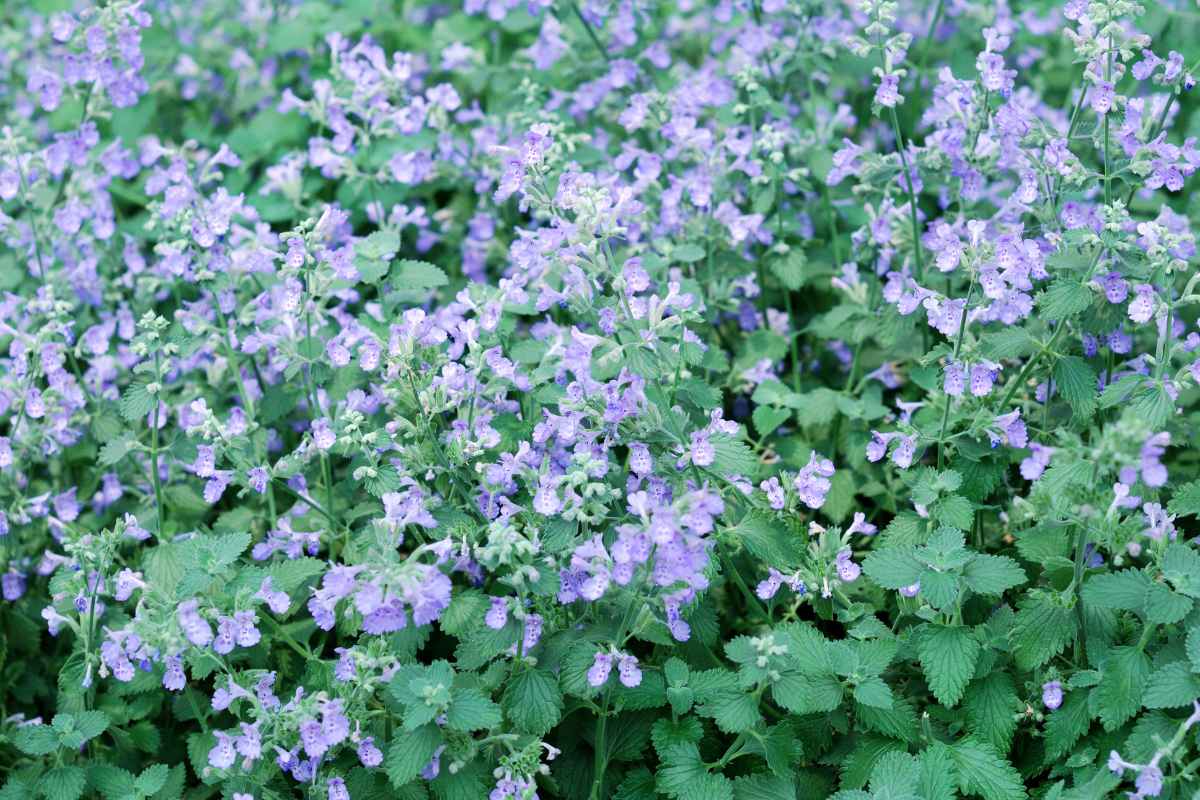
- Catmint (Nepeta): long bloom window, pollinator-friendly, soft edging habit
- Salvia: upright spikes, drought-tolerant once established
- Daylily (Hemerocallis): tough, reliable, great mass effect
- Coral bells (Heuchera): foliage color for shade/part shade edges
- Sedum/stonecrop (Hylotelephium): late-season color + structure
Design tip:
Use 2–3 plant types repeated in a pattern instead of lots of single plants. Repetition is what makes a border feel “professional.”
3) The Ornamental Grass Edge (Modern, Movement, Low Fuss)
Ornamental grasses define spaces in a way that feels natural and contemporary. They also look amazing when backlit in morning or evening sun, and many stay attractive into winter.
Best grasses for borders (pick compact varieties):
- Dwarf fountain grass (Pennisetum alopecuroides types) for soft mounds (check invasiveness in your area)
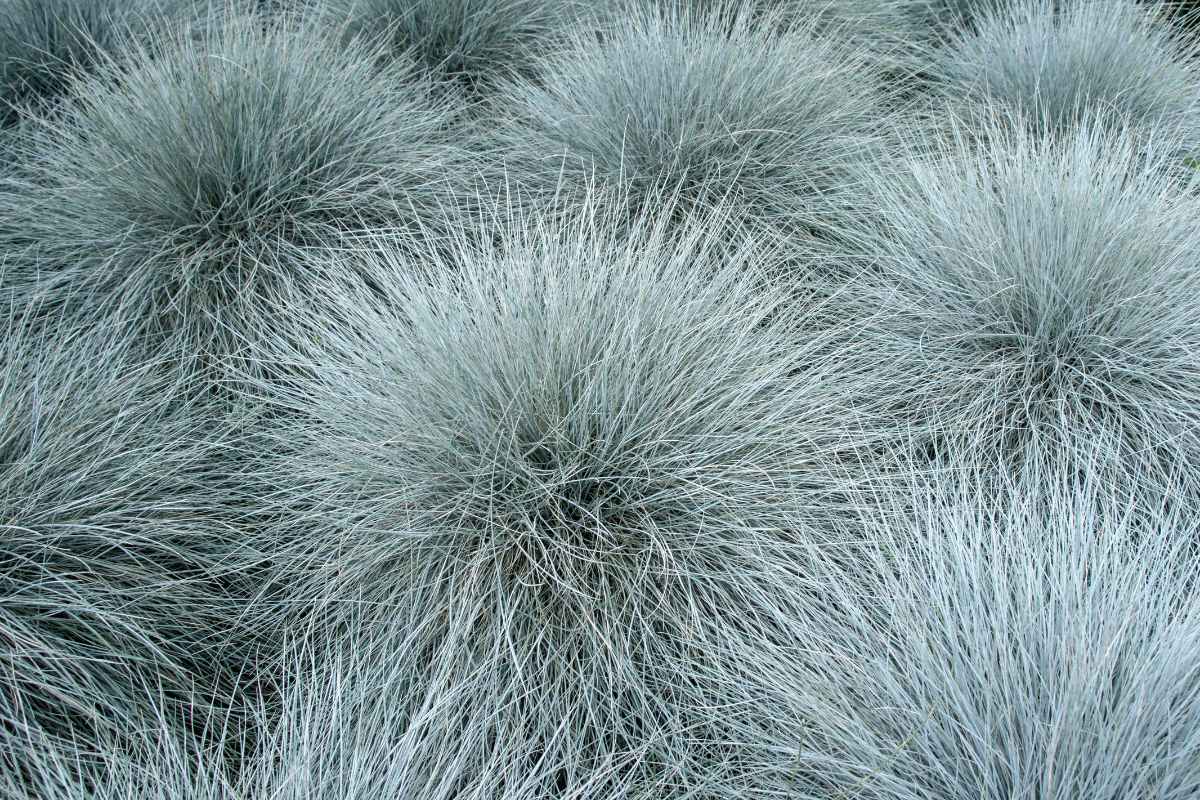
- Blue fescue (Festuca glauca) for a tidy, spiky edging
- Japanese forest grass (Hakonechloa) for shade and a flowing look
- Sedge (Carex) for part shade, texture, and easy maintenance
Where it works best:
- Along driveways and walkways
- Around patios (softens hard corners)
- As a “buffer” between lawn and flowerbeds
Quick care note: Many grasses look best with a once-a-year cutback in late winter/early spring.
4) The Evergreen + Seasonal Flower Layered Border (Four-Season Definition)
If you want a border that still looks intentional in winter, build it with structure first—then add seasonal color in front. This layered look is especially useful in front yards where you want year-round curb appeal.
How to layer it (simple formula):
- Back/structure: compact evergreens (waist-high or smaller)
- Middle: flowering shrubs or sturdy perennials
- Front edge: low perennials or groundcovers to “seal” the border line
Great plant picks:
- Evergreens: dwarf inkberry holly, dwarf arborvitae, small boxwood alternatives
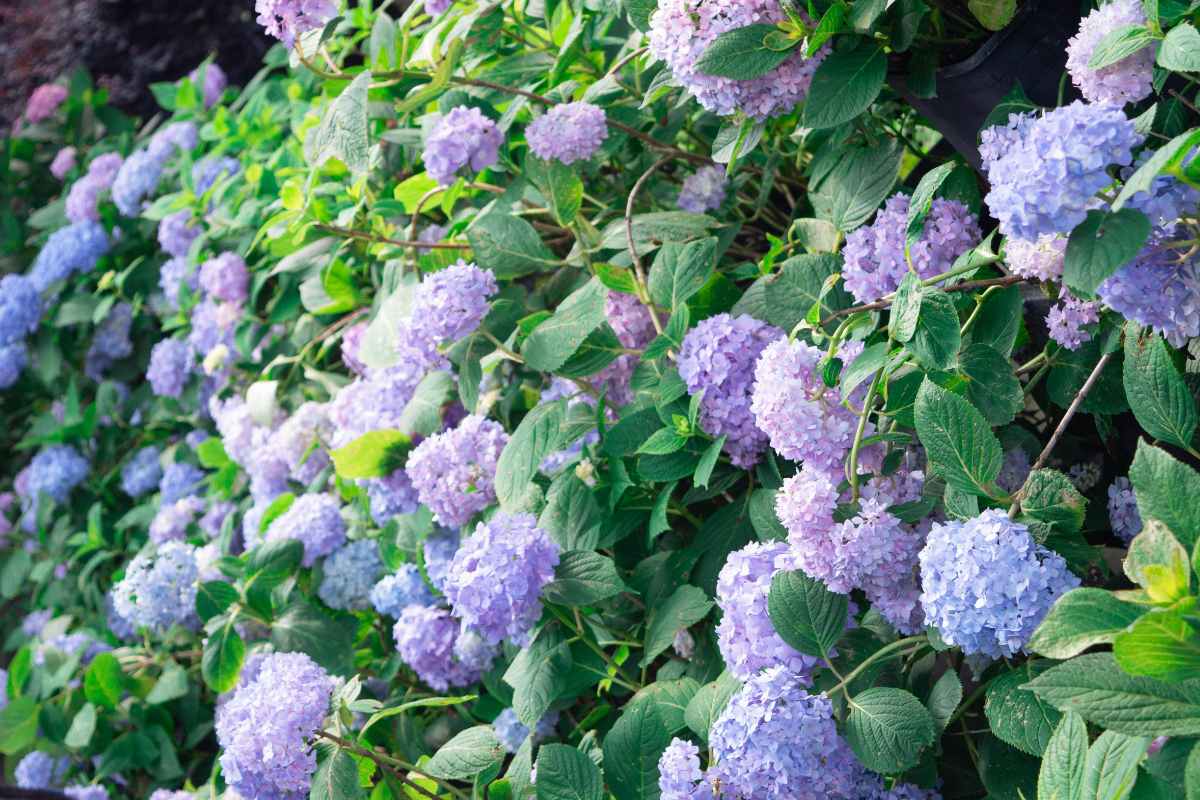
- Flowering middle: hydrangea (compact types), spirea, potentilla
- Front edge: creeping thyme, ajuga, sweet alyssum (annual), dianthus
Why this works:
Your border still has shape when flowers fade, and your front edge keeps the line crisp.
5) The Groundcover “Living Edging” Border (Soft + Weed-Suppressing)
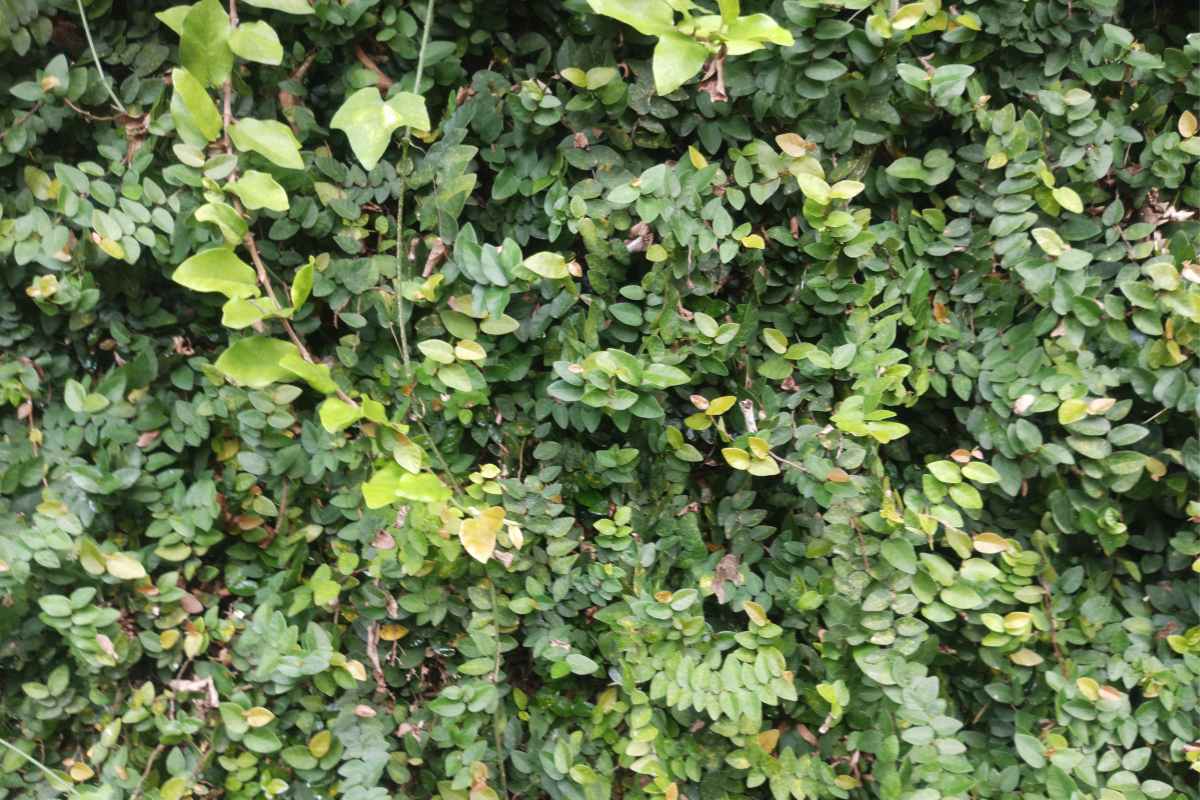
Groundcovers are a smart solution if you’re tired of grass creeping into beds or mulch washing out. A “living edge” hugs the soil, defines the boundary, and can reduce weeding.
Best groundcovers for borders (choose sun vs shade):
- Sun: creeping thyme, creeping phlox, sedum, ice plant (in suitable climates)
- Shade/part shade: ajuga, lamium, sweet woodruff
- Tough traffic-adjacent areas: dwarf mondo grass (in mild climates), certain sedges
Planting tips for success:
- Prep matters: remove weeds and loosen soil before planting.
- Start with closer spacing for faster fill-in (your plant tag usually suggests spacing).
- Water consistently the first season so plants knit together and outcompete weeds.
Border Planning Checklist (Use This Before You Buy Plants)
Before you load up your cart, run through this quick checklist:
- Identify your light: full sun (6+ hrs), part sun, shade
- Decide your border goal: formal line, soft transition, color ribbon, or year-round structure
- Choose your maintenance level:
- Low: grasses + groundcovers + hardy perennials
- Medium: low hedges + mixed borders
- Measure length and depth of the border area (in feet/meters)
- Pick 2–4 main plants to repeat for a cohesive look
- Plan watering access (especially in the first 6–10 weeks)
Common Mistakes (and How to Fix Them)
Mistake 1: Planting too close to the walkway or lawn edge
Fix: Leave a small buffer so plants don’t spill into paths. As a rule, set plants back half their mature width.
Mistake 2: Mixing too many plant types
Fix: Repeat fewer plants more often. It reads cleaner and is easier to maintain.
Mistake 3: Ignoring mature size
Fix: Check mature width/height before planting. Overcrowding leads to disease and constant pruning.
Mistake 4: Picking plants that don’t match your light or soil
Fix: Match plants to conditions first, style second. The “perfect” look won’t work if the plants struggle.
Mistake 5: Skipping the first-season watering plan
Fix: Even drought-tolerant plants need consistent water while roots establish. A simple soaker hose can be a game-changer.
Plant-based borders are one of the quickest ways to make a yard feel finished—without adding hard materials or complicated installs. Choose one border style that fits your maintenance level, repeat your plants for a cohesive look, and give everything a strong start with good spacing and first-season watering. If you’re not sure where to begin, start with a short section (like one walkway edge) and build from there.
— Emily
More Gardening Tips 👇🏼👇🏼