
5 Hydroponic Gardening Tips (With Useful Links)

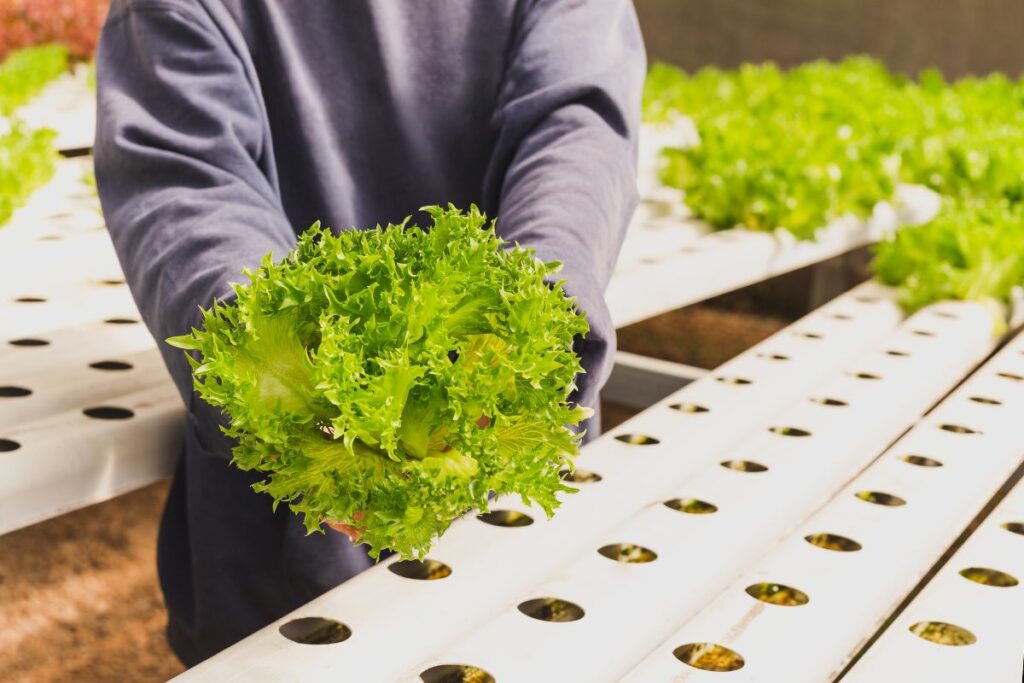
Hydroponic gardening makes it possible to grow crisp greens and juicy fruit with minimal space, no soil, and year-round consistency.
If you’re setting up an Indoor Food Garden or upgrading a Home Hydroponics System, the right mindset is to start simple, scale smartly, and learn by doing.
Below you’ll find five practical tips that point you to in-depth reading for each step—from beginner basics to vertical builds and crop choices.
Along the way, we’ll touch on Hydroponic Gardening For Beginners questions, How To Set Up Indoor Hydroponics, and even whether Cheap Hydroponic Systems can deliver.
Think of this as your field guide to planning a Homemade Hydroponic System you can run inside, in a Hydroponic Greenhouse, or as Hydroponic Gardening Outdoor when the weather allows.
1) Master the “No Soil” Fundamentals Before Buying Gear
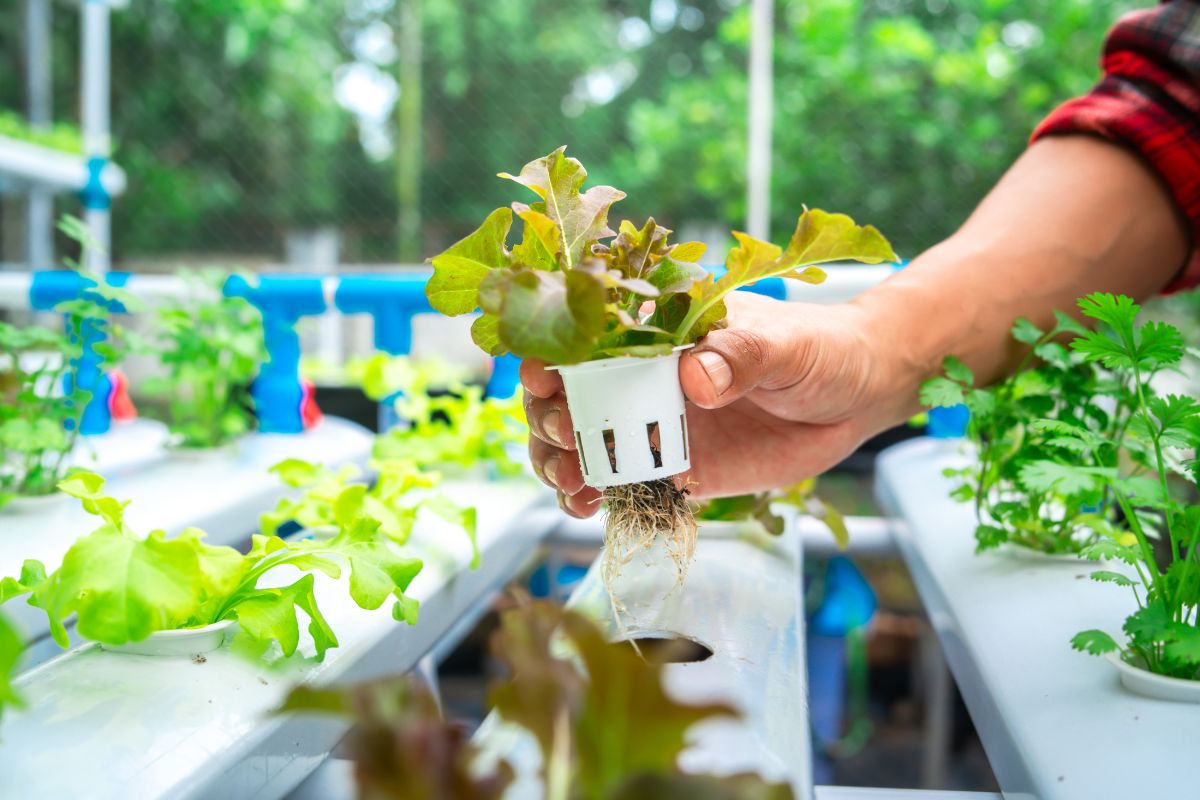 Before you shop for pumps or buckets, nail the fundamentals: how roots access water, oxygen, and nutrients without dirt; why pH and EC matter; and how light intensity and photoperiod shape growth.
This foundation helps you compare a Diy Hydroponics System against prebuilt options and prevents the most common mistakes—like overfeeding or starving your plants of oxygen.
Start here for a clear, beginner-friendly primer on nutrient solutions, media, and system types: hydroponic basics. With those essentials, you’ll feel confident planning a Home Hydroponics System that fits your budget and space.
As you absorb the basics, sketch a simple plan for How To Set Up Indoor Hydroponics—where lights will hang, where reservoirs will sit, and how you’ll handle maintenance.
Even a rough diagram improves your setup choices and keeps upgrades painless later.
2) Choose a System That Matches Your Space and Time
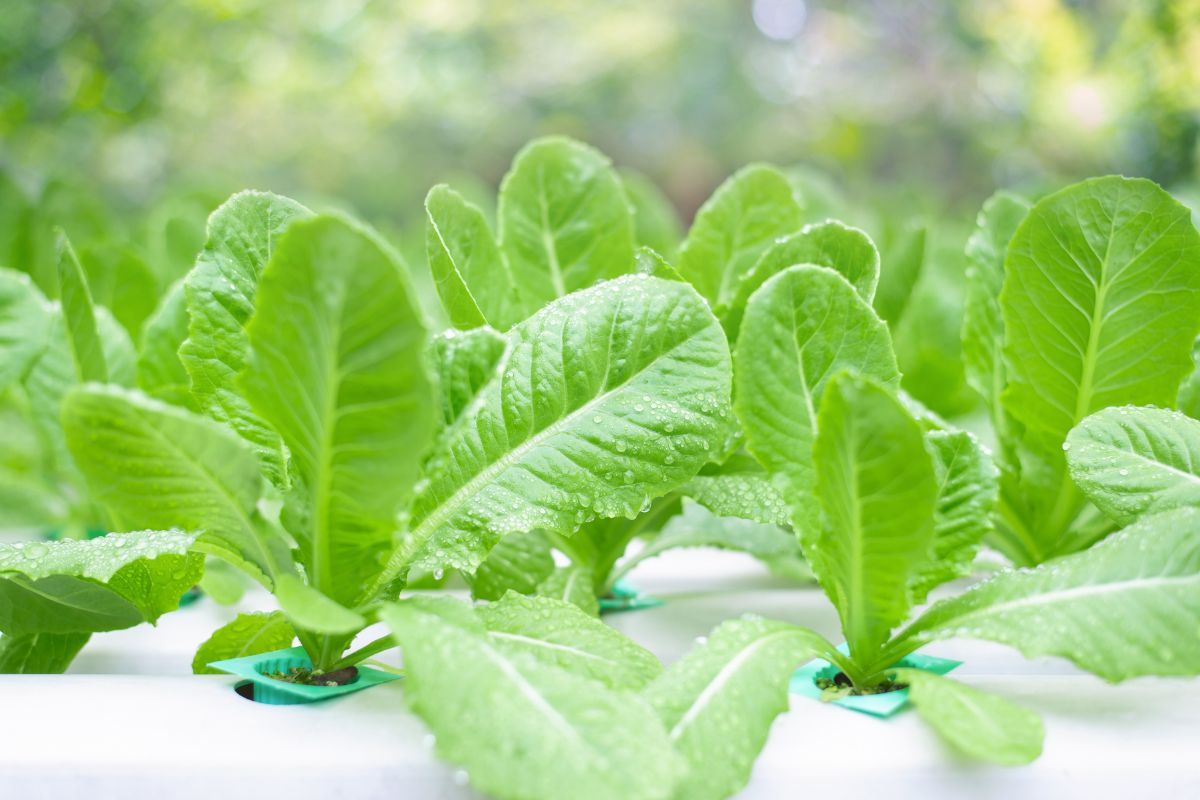 Pick a system style that fits your constraints and maintenance appetite.
Kratky and wick builds are extremely simple and the cheapest entry point; DWC adds air stones and faster growth; NFT and aeroponics maximize oxygenation but demand more oversight.
If you’re aiming for Hydro Growing Plants on a tight budget, start with Cheap Hydroponic Systems you can assemble with common materials.
For a hands-on, affordable build using everyday containers, tubing, and baskets, dive into this practical walkthrough: DIY hydroponics with baskets & buckets.
It’s a perfect on-ramp to a Homemade Hydroponic System that teaches you the ropes without a big upfront cost.
If you plan to scale to a small Hydroponic Farming operation or outfit a Hydroponic Greenhouse, factor in redundancy (backup air pumps, spare timers) and easy-to-sanitize components. Good choices early save time when your garden expands.
3) Go Vertical When Floor Space Is Tight
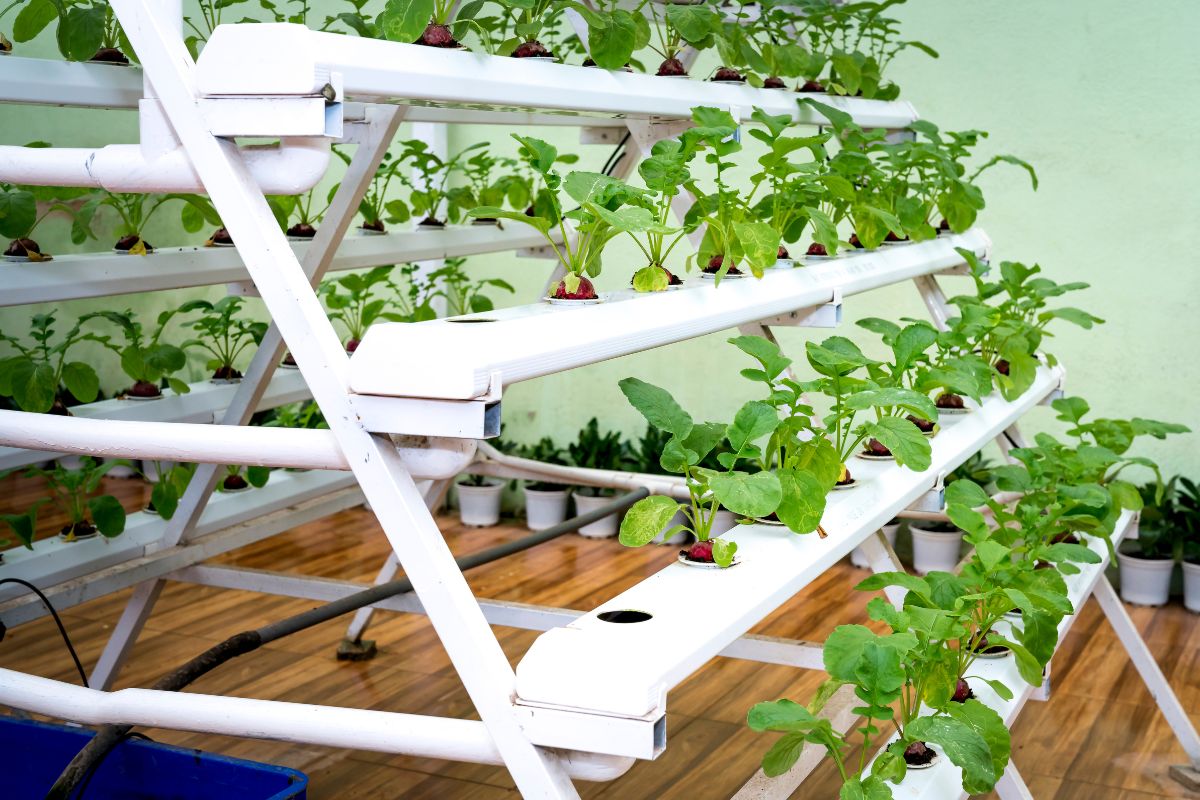 Vertical designs multiply plant sites without increasing the footprint, making them ideal for balconies, patios, or tight grow rooms.
A well-built Diy Hydroponic Tower can support leafy greens and herbs by stacking channels or columns around a central feed line and return.
See how to plan and assemble a compact, tidy tower here: build a vertical hydroponic garden. It breaks down layout, plumbing, and lighting so you can fit more in less space—perfect for an apartment-scale Indoor Food Garden.
For Hydroponic Gardening Outdoor, consider weather-resistant materials, secure anchoring against wind, and shade cloth to moderate summer heat.
Indoors, ensure uniform light coverage from top to bottom; add a light bar to eliminate shadowy tiers that slow growth.
4) Match Crops to the System for Reliable Results
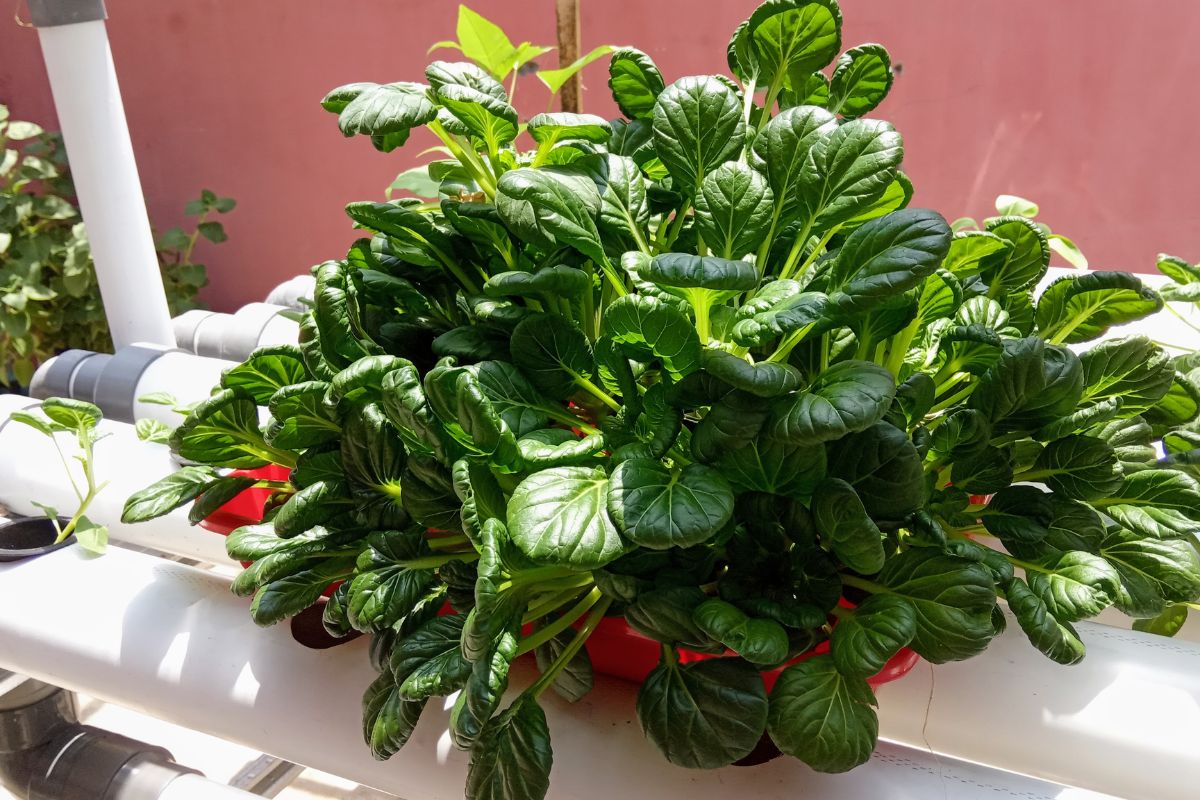 System choice should follow crop choice. Lettuce, basil, and pak choi thrive in low-maintenance systems, while fruiting crops demand more light, nutrition, and root oxygenation.
Get inspired and set expectations with this crop-focused guide: what you can grow in hydroponics.
Curious about berries or roots? Hydroponic Gardening Strawberries can flourish in vertical channels when you dial in pollination and drainage.
Root crops are trickier; Hydroponic Carrots need deep media and careful spacing, but adventurous growers do test them successfully. For steady wins, start with greens and herbs, then graduate to tomatoes and peppers.
As you expand, keep notes on yield, taste, and turnaround time. That record becomes your personal playbook for a future Hydroponic Farming micro-business or a productive Home Hydroponics System.
5) Iterate With Data: Lighting, Nutrition, and Cleanliness
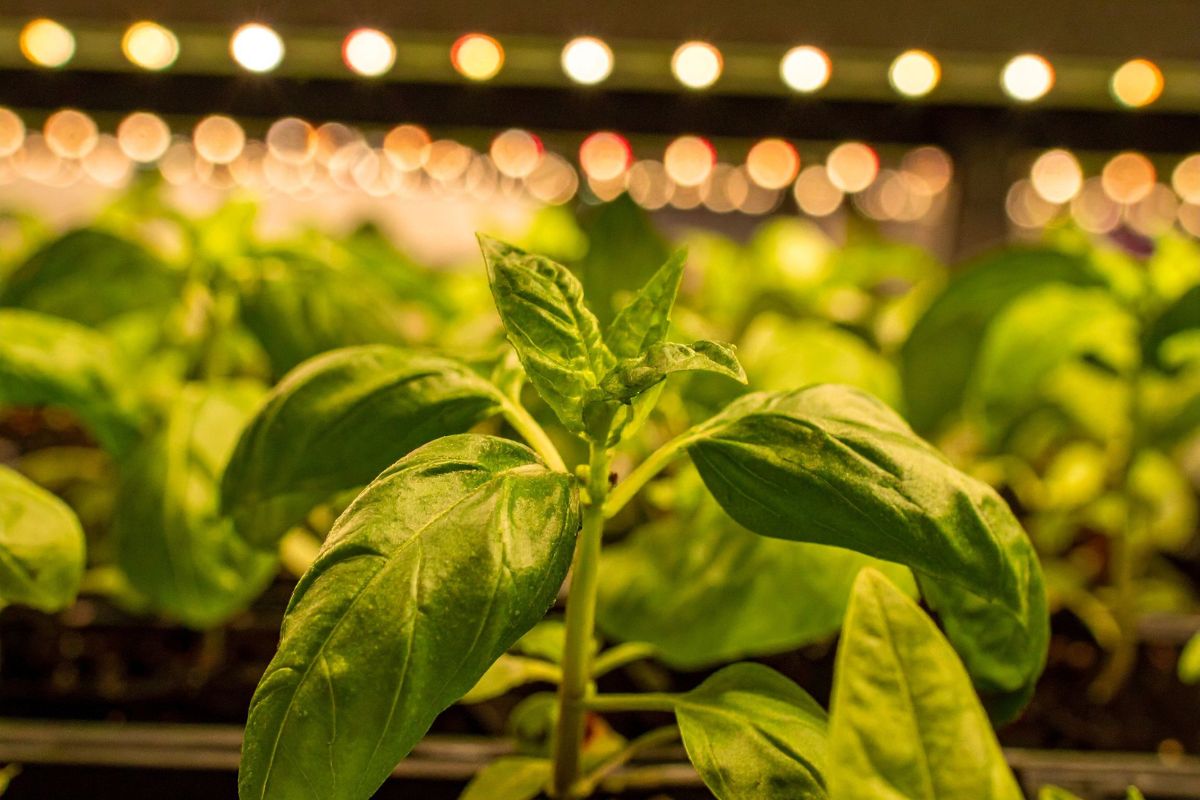 The fastest growers track what they tweak. Log pH, EC, temperature, and light intensity weekly; photograph plant progress; and schedule reservoir changes.
Tight hygiene—rinsing roots, scrubbing salt buildup, sanitizing tools—prevents disease and keeps growth steady. Small improvements compound across harvests.
When you’re ready for a concise checklist of best practices—plant selection, spacing, and harvest timing—scan this roundup of productive practices: fresh hydroponic gardening tips. Use it to refine your routine and reduce guesswork.
As you optimize, think in terms of a simple Hydroponic Farming Desig (yes, even a quick sketch) outlining airflow, access paths, power strips, and reservoirs.
With a clear plan, your Diy Hydroponics System evolves smoothly—indoors, in a Hydroponic Greenhouse, or outside when conditions allow.
Bonus: A Beginner’s Path From First Leaf to First Harvest
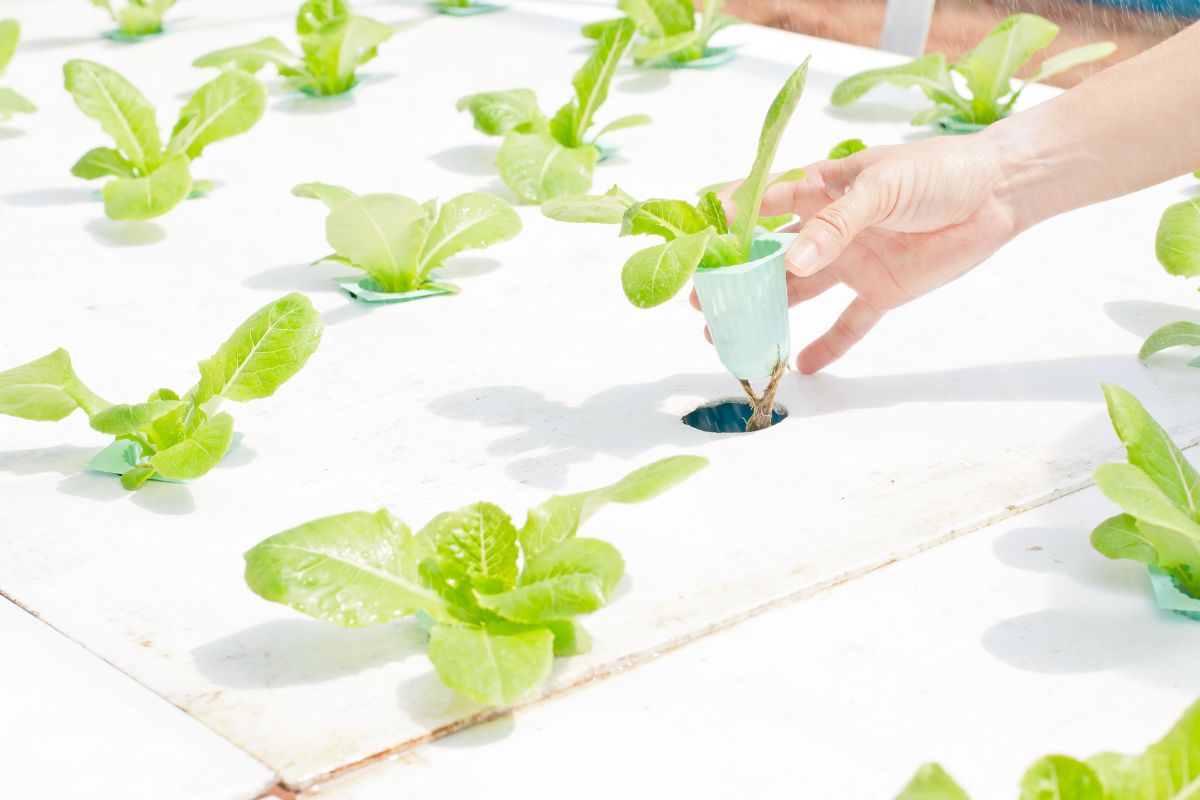 If you’re brand-new, a reliable sequence looks like this: start with a single reservoir DWC for greens; learn nutrient mixing and How To Set Up Indoor Hydroponics lighting; then add a second system to compare results.
Once you’re comfortable, experiment with an NFT channel or a small tower to diversify crops and practice maintenance on multiple units.
Keep the budget friendly as you learn. Repurpose food-grade containers and net cups for a Homemade Hydroponic System, then reinvest harvest savings into a better pump, timer, or light.
Over time, your affordable rig can grow into a tidy, low-maintenance Home Hydroponics System that puts salads and herbs on the table weekly.
Finally, decide whether your long-term goal is a compact kitchen garden or a hobbyist-scale Hydroponic Gardening Outdoor setup.
That choice guides whether you double down on a vertical tower, build out a Hydroponic Greenhouse, or standardize a couple of Cheap Hydroponic Systems for dependable, staggered harvests.
More Gardening Tips 👇🏼👇🏼