
Can You Grow a Plant Without Soil? Hydroponic Basics

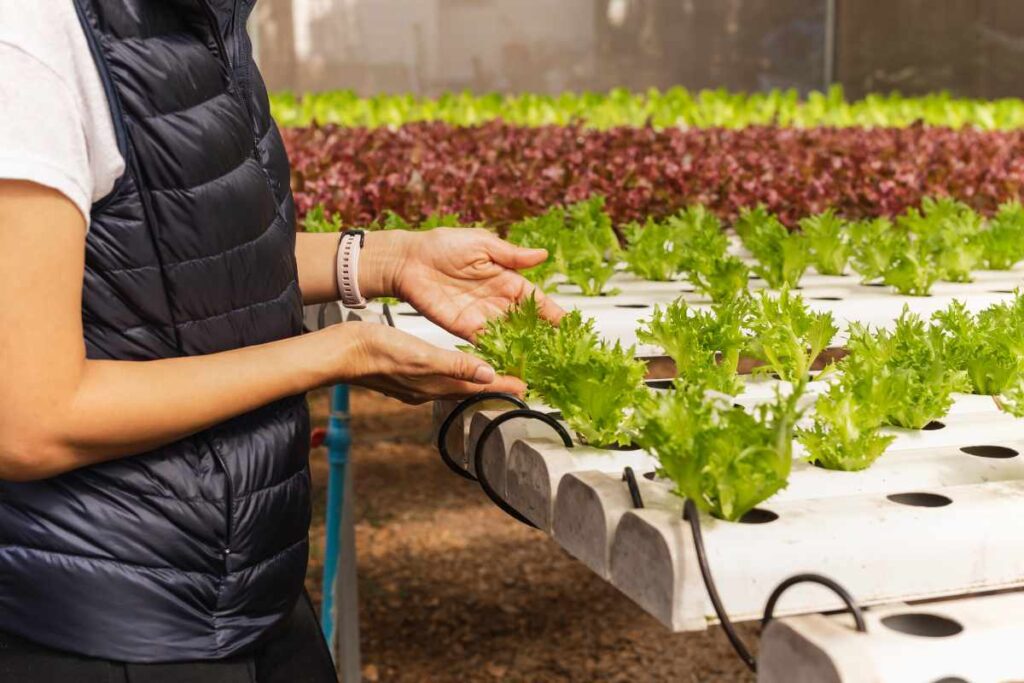
The idea of growing plants without soil might sound like science fiction, but it’s a well-established and increasingly popular gardening method.
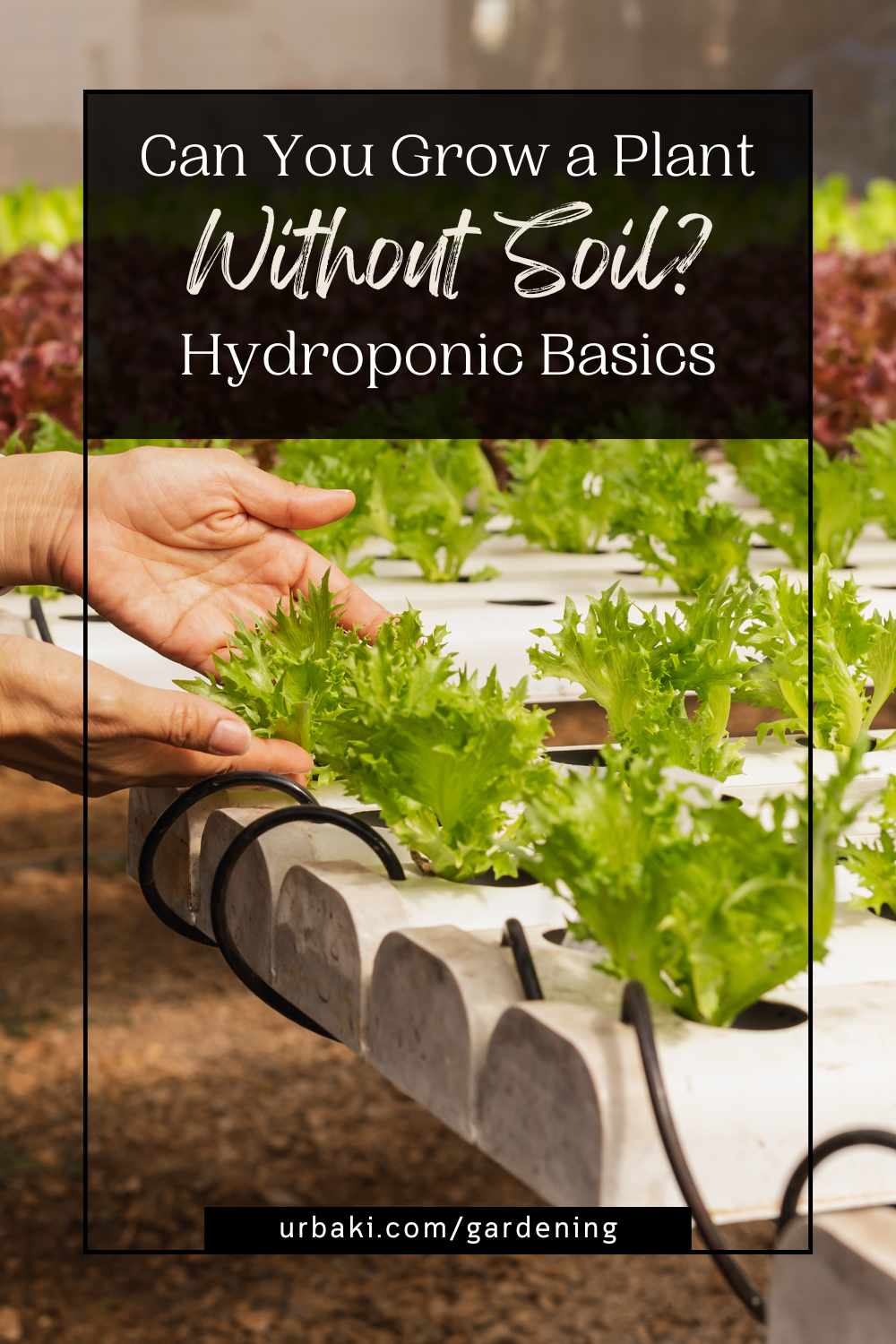
Hydroponics, the practice of cultivating plants using water, nutrients, and a soil-free system, has opened the door to growing fresh produce in places where traditional gardening isn’t practical, like small apartments, urban rooftops, and even indoors under lights.
If you’ve ever wondered whether you can truly grow a plant without soil, the answer is a confident yes.
Let’s explore how hydroponics works, what makes it different, and why more and more people are turning to this innovative technique.
What Is Hydroponics, Exactly?
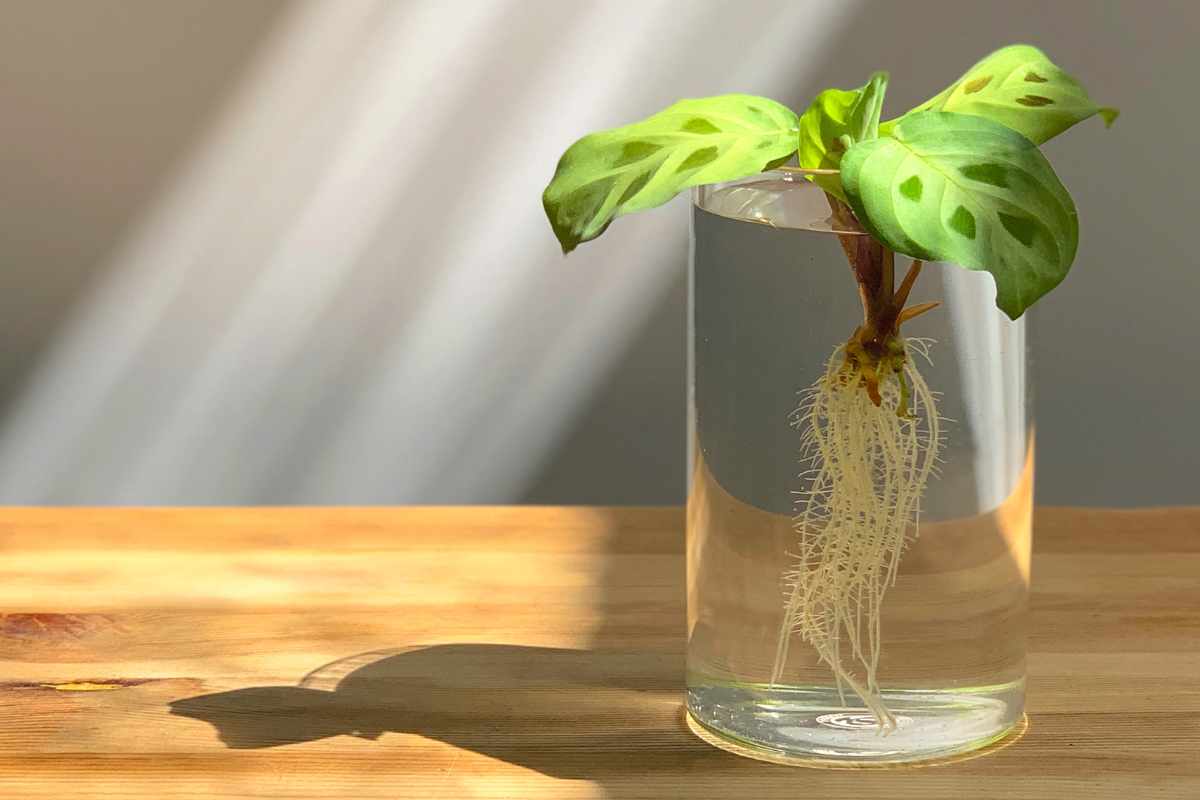
At its core, hydroponics is a soilless growing method where plants receive nutrients directly from a water-based solution. Instead of digging their roots into soil to search for minerals, hydroponic plants are placed in a medium like clay pebbles, coco coir, perlite, or even just water.
This system allows for precise control over growing conditions, often resulting in faster growth and higher yields.
The key to hydroponics is that all the nutrients plants normally get from soil are dissolved into the water, creating a nutrient-rich solution that nourishes roots directly.
With the right setup, almost any plant can be grown hydroponically—especially leafy greens, herbs, and even some fruits.
How Plants Thrive Without Soil
In traditional gardening, soil acts as a reservoir for water, nutrients, and oxygen. In hydroponics, these elements are still essential—but they’re delivered more efficiently.
The roots sit in or above a solution that’s constantly oxygenated and carefully balanced with the right nutrient mix. This reduces stress on the plant and eliminates competition for resources.
Since the roots don’t need to grow long in search of food or water, hydroponic plants tend to focus their energy on above-ground growth. This often leads to faster development, healthier leaves, and cleaner harvests, especially when compared to soil-based gardening in challenging environments.
Common Hydroponic Systems
There are several types of hydroponic setups, each with its strengths. Here are a few of the most popular:
Deep Water Culture (DWC): Plants float on a nutrient solution while their roots dangle directly into it. Air stones keep the water oxygenated.
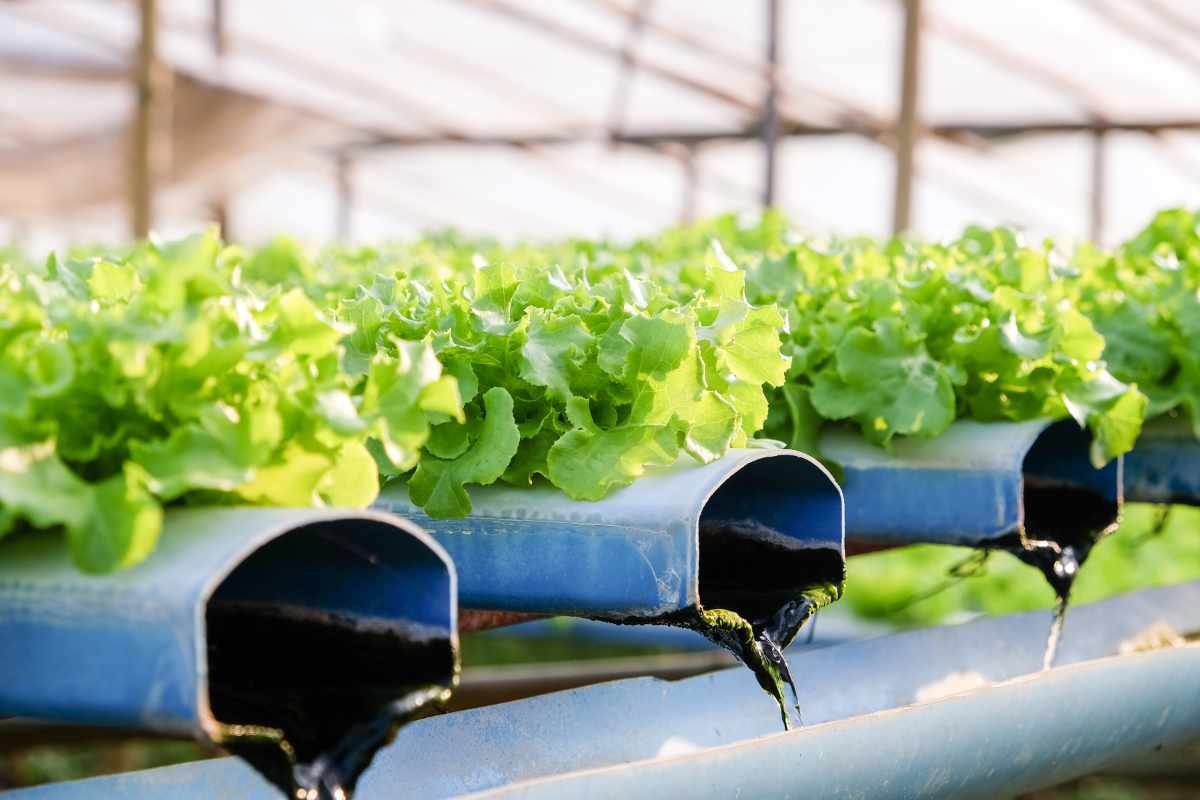
Nutrient Film Technique (NFT): A thin film of nutrient solution continuously flows past the roots inside a shallow channel.
Wicking System: A passive setup where a material draws water from a reservoir to the plant's roots, often used for small herbs.
Ebb and Flow (Flood and Drain): A timer-controlled system floods a grow tray with nutrients and then drains it away, allowing oxygen exchange.
Aeroponics: Roots are suspended in air and misted with nutrient solution, requiring careful control but offering high efficiency.
Each system has different space, cost, and maintenance requirements, making hydroponics flexible enough for windowsills or large-scale greenhouses.
What Can You Grow?
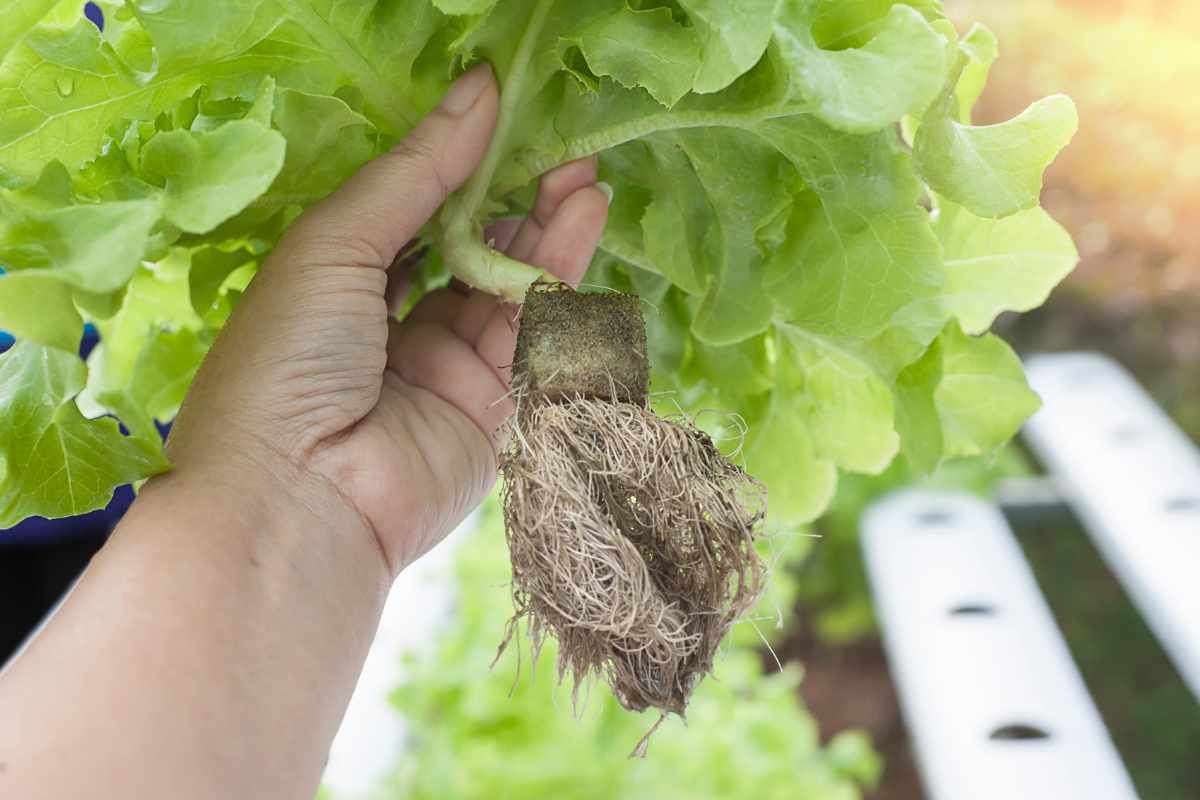
Hydroponic systems are especially well-suited for lettuce, spinach, kale, arugula, basil, mint, cilantro, and other fast-growing herbs and greens. With the right conditions and support, tomatoes, strawberries, cucumbers, and peppers can also thrive.
Root vegetables like carrots or potatoes are more challenging in hydroponic setups because they need space to expand underground, but it’s not impossible with creative engineering.
For beginners, leafy greens are a great starting point. They grow quickly, require minimal support, and give you early success as you learn how to manage water, nutrients, and lighting.
Advantages of Growing Without Soil
There are many reasons gardeners and farmers are turning to hydroponics:
Saves space: Perfect for vertical gardening or compact areas.
Uses less water: The closed-loop system recycles water, reducing waste.
Fewer pests and weeds: Without soil, common problems like fungus gnats and weeds are greatly reduced.
Faster growth: Nutrients are delivered directly to the roots, speeding up development.
Year-round gardening: Indoor systems allow for continuous harvests, even in winter.
These benefits make hydroponics ideal for urban settings, schools, or anyone with limited access to outdoor gardening space.
Things to Consider Before Starting
Hydroponics offers control, but it also requires monitoring and maintenance. You’ll need to keep an eye on nutrient levels, pH balance, water temperature, and oxygen supply. It’s not complicated, but it does involve a learning curve.
Grow lights may also be needed if natural sunlight is limited. And while the initial setup can be more costly than planting in soil, the long-term payoff in fresh, homegrown produce is often worth it.
Starting small is usually the best approach. A countertop herb garden or a single-lettuce setup can help you get familiar with the basics before scaling up.
Did you find this post useful or inspiring? Save THIS PIN to your GARDENING Board on Pinterest!
More Gardening Tips 👇🏼👇🏼