
5 Ways to Use Coffee Grounds in Gardens


Your morning coffee doesn’t just energize you—it can also work wonders in your garden. Coffee grounds are an underutilized resource that can enhance your plants, deter pests, and improve your soil's health.
With just a little effort, you can transform this everyday waste into an eco-friendly gardening solution, making your outdoor space thrive.
Boost Soil Health with Coffee as Fertilizer
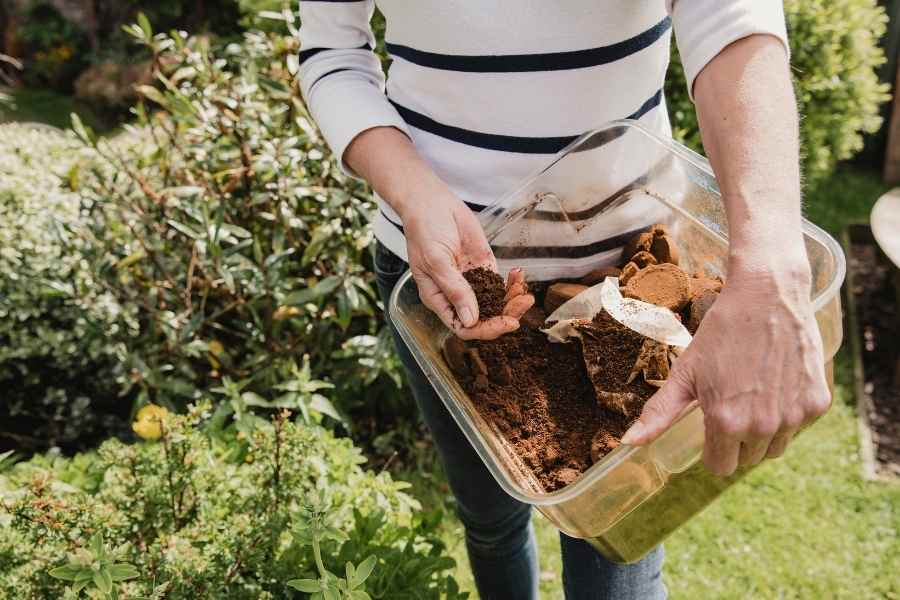
Coffee grounds are rich in nitrogen, potassium, and phosphorus, essential nutrients for plant growth. These nutrients, combined with their organic matter, make coffee grounds an excellent addition to your soil. By spreading used grounds around your plants—especially roses, azaleas, and carrots—you can encourage vibrant blooms and healthier roots. The grounds improve soil structure by enhancing water retention and aeration, helping plants grow stronger and more resilient.
For an added boost, you can turn your coffee into liquid fertilizer. Simply mix two cups of brewed coffee grounds with five liters of water, let it steep overnight, and use this nutrient-rich mixture to water your plants. It’s an easy, cost-effective way to keep your garden lush and thriving.

Encourage Worm Activity in Your Soil
Worms play a crucial role in maintaining healthy soil, and they love coffee grounds. The gritty texture helps worms grind food more effectively, while the nitrogen content nourishes them. Adding coffee grounds to your vermicompost bin will encourage worm activity, resulting in richer, more fertile soil.
To keep things balanced, incorporate a small amount of grounds weekly—about a cup should suffice. Include paper coffee filters as well, as they decompose easily and add more organic matter. This simple practice enhances your compost and ensures your soil remains nutrient-dense.

Keep Slugs, Snails, and Ants at Bay
Pests like slugs and snails can wreak havoc on your garden, but coffee grounds offer a natural and effective deterrent. The coarse texture acts as a barrier, preventing these critters from reaching your plants. Sprinkle a thin layer of grounds around the base of vulnerable plants, such as lettuce or hostas, to keep pests away without the need for harmful chemicals.
Coffee grounds also help deter ants, which can damage roots or invade your outdoor space. The smell and texture of the grounds create an environment that ants avoid, offering an eco-friendly way to protect your garden.

Add Nutrients to Your Compost
Composting is one of the most efficient ways to recycle organic waste, and coffee grounds are an invaluable addition. Rich in nitrogen, coffee helps create a balanced compost mix that breaks down effectively. Pair it with other "green" materials like grass clippings or fruit peels, and "brown" components such as dry leaves, sawdust, and newspaper. A 4:1 ratio of brown to green materials ensures your compost remains healthy and breaks down efficiently.
Moist coffee grounds contribute hydration to your compost, an essential factor in the decomposition process. Don’t forget to toss in used coffee filters—they’re biodegradable and add additional fiber to the pile. Over time, your compost will become a nutrient-rich mixture that benefits all areas of your garden.

Enhance Your Mulch for Better Plant Growth
Mulch is vital for maintaining moisture, suppressing weeds, and keeping your garden tidy. Mixing coffee grounds with leaf mold creates an ideal mulch that provides nutrients while improving soil structure. This combination prevents clumping and ensures water and air can reach plant roots effectively.
While coffee grounds are beneficial, avoid using them as a standalone mulch layer. Caffeine can sometimes affect plant growth, so it’s best to combine grounds with other organic materials to create a balanced mixture. This ensures your plants receive the benefits without any risks.
Improve Your Garden's Sustainability
Using coffee grounds in your garden isn’t just beneficial for plants—it’s an environmentally friendly practice. By repurposing something that would otherwise be thrown away, you reduce waste and minimize your environmental footprint. It’s a small but impactful step toward more sustainable living, and your garden will thank you for it.
Additionally, reusing coffee grounds encourages mindful gardening. Every time you finish your cup, you’re reminded of the ways you can contribute to a healthier planet. It’s a simple habit that can lead to significant results over time.
Experiment with Creative Uses
Coffee grounds offer more than just soil benefits—they can inspire creativity in how you approach gardening. For instance, they’re excellent for neutralizing odors in compost bins or keeping walkways and patios free of unwanted pests. Some gardeners even use them to scrub pots or tools, as their abrasive texture removes dirt and rust effectively.
Another creative use is adding coffee grounds to water before cleaning gardening tools, as they help remove residue while also acting as a natural deodorizer. It’s just another way to make coffee grounds a multifunctional resource in your outdoor space.
Enjoy The Video Tutorial

Source: OYR Frugal & Sustainable Organic Gardening
Don’t forget to Subscribe to our Newsletter to receive amazing tips and tricks about Gardening and the FREE Ebook Green Living Strategies!
Did you find this post Useful or Inspiring? Save THIS PIN to your GARDENING Board on Pinterest! 😊

Once again, thank you for visiting our website!
We hope you've enjoyed exploring the content we've created for you.
Give yourself the chance to learn, get inspired, and have even more fun, keep browsing...
More Gardening Tips 👇🏼👇🏼