
6 Expert-Approved Tips That Are Guaranteed to Grow Your Green Thumb


Green thumb isn’t magic—it’s a set of small, repeatable habits that help plants thrive. In this guide, we distill six expert-approved ideas into simple actions you can put to work this weekend, whether you care for houseplants or a backyard plot.
If you’ve wondered how to have a green thumb or even how to get a green thumb fast, start here.
What Is a Green Thumb, Really?

At its core, a green thumb means you consistently meet a plant’s basic needs: light, water, nutrients, airflow, and time. Pros don’t guess; they observe, adjust, and repeat. That feedback loop—not a secret fertilizer—is what keeps gardens healthy.
Think of your garden as a living system. When you tweak one factor, others respond. Learning to spot those relationships is the first step toward reliability. With a few Gardening Hacks and intentional habits, your confidence grows alongside your plants.
Build Habits Before Buying Gear

Tools are helpful, but habits win. Choose two five-minute routines you can maintain all season: a morning check for moisture and an evening glance for pests. Anchor them to existing habits—coffee time, dog walk, or closing the blinds—so you never forget.
Consistency makes outcomes predictable. When you water, water thoroughly. When you prune, prune cleanly. When you fertilize, follow the label. Reliable care reduces plant stress, and low-stress plants resist pests and bounce back faster from heat or cold snaps.
Start With the Right Plants
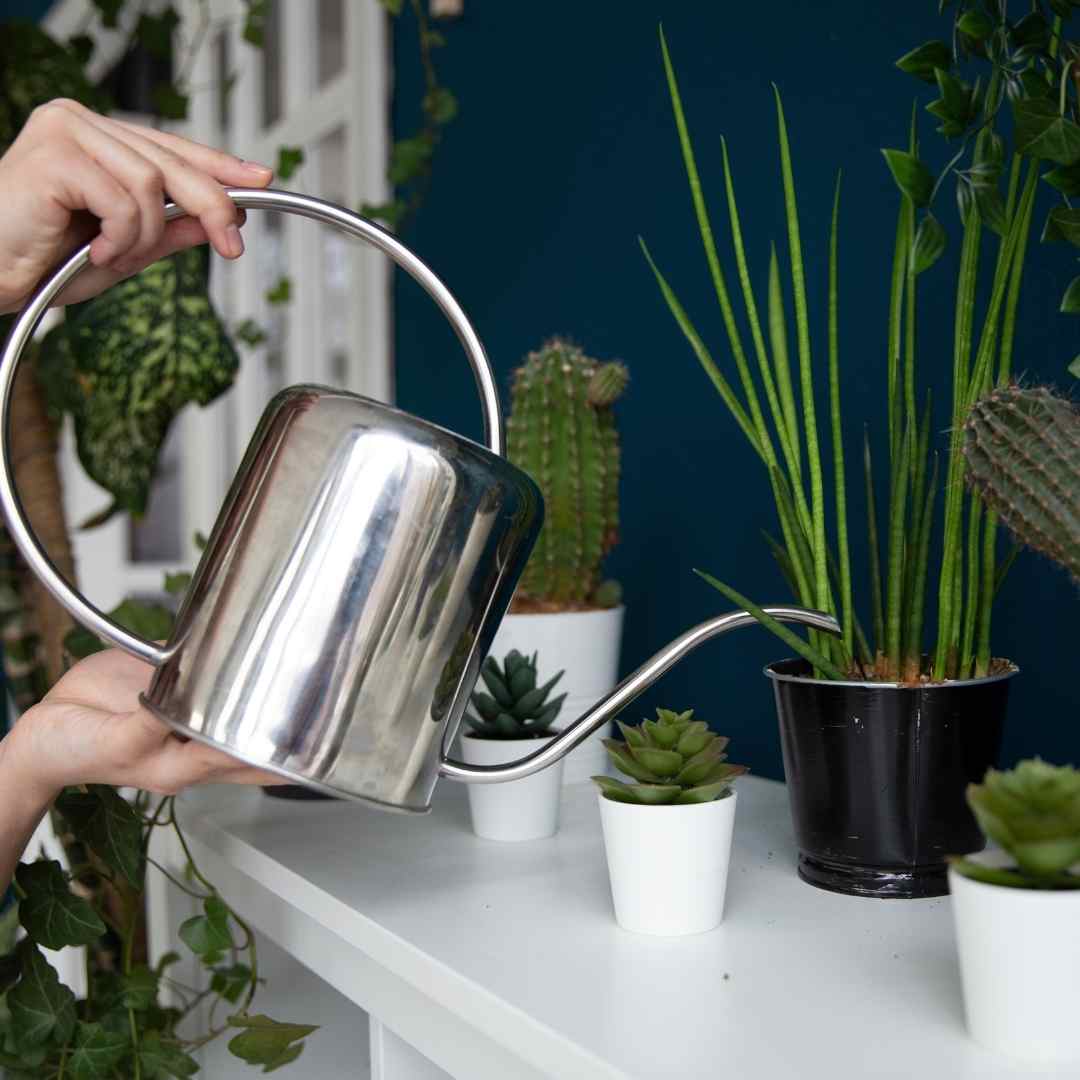
Right plant, right place. Sun-lovers need six to eight hours of direct light; shade plants prefer filtered light. Match your choices to your site and your schedule. If you travel often, pick drought-tolerant options; if you love daily tinkering, choose fast growers that respond quickly.
Begin with three “forgiving” species suited to your climate. Early success builds momentum and teaches you patterns you can apply to fussier favorites later. This is one of the simplest Plant Tips And Tricks: set yourself up to win.
Watering That Works

Most problems start with water—too much or too little. Probe soil with a finger or a simple moisture meter and water only when the top 2–3 cm are dry for houseplants or when the soil just below the surface feels barely moist outdoors. Then water slowly until moisture reaches the root zone.
Morning watering reduces evaporation and gives foliage time to dry, lowering disease risk. Group plants by thirst so you don’t overwater light drinkers while trying to satisfy heavy drinkers. A cheap mulch layer keeps moisture steady and temperatures even.
Feed and Mulch Smartly
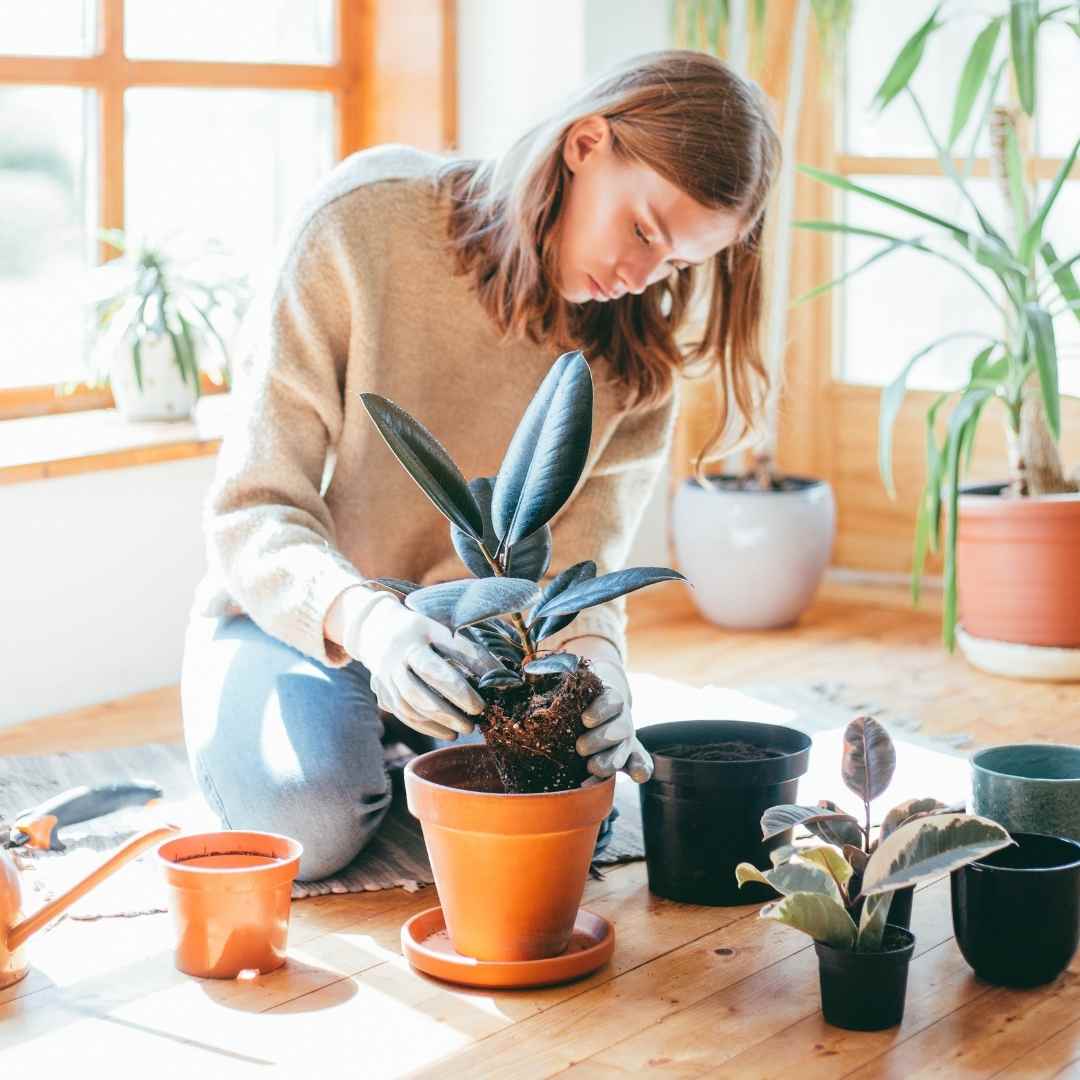
Plants eat light, but they also need nutrients. Use a balanced fertilizer at half strength during active growth, and skip feedings in winter for most houseplants. Outdoors, enrich soil with compost once or twice a year to fuel microbes and improve structure.
Mulch is a multipurpose miracle: fewer weeds, cooler roots, and consistent moisture. Two to five centimeters around (but not touching) stems is enough. Remember: mulch maintains; it doesn’t fix soggy soil. Improve drainage first, then mulch to hold your gains.
Observe, Record, Adjust
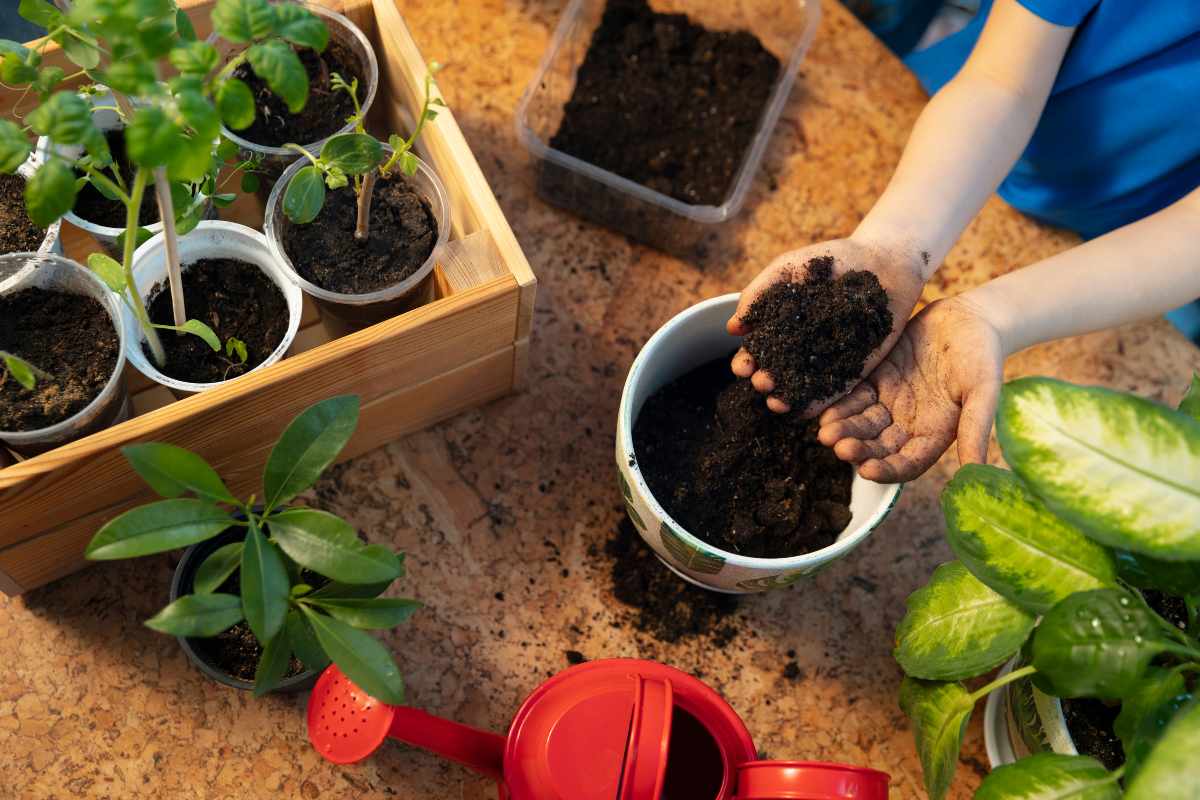
Great gardeners are great note-takers. Snap a weekly photo and jot two lines: what changed, and what you changed. If leaves yellowed, did you repot, move, or feed? These tiny logs make patterns obvious and help you avoid repeating mistakes.
When something goes wrong, change one variable at a time. Move the plant closer to light or reduce watering frequency, then wait a week. This deliberate approach is the quiet superpower behind a reliable green thumb.
Fast Wins: Gardening Hacks to Try Today
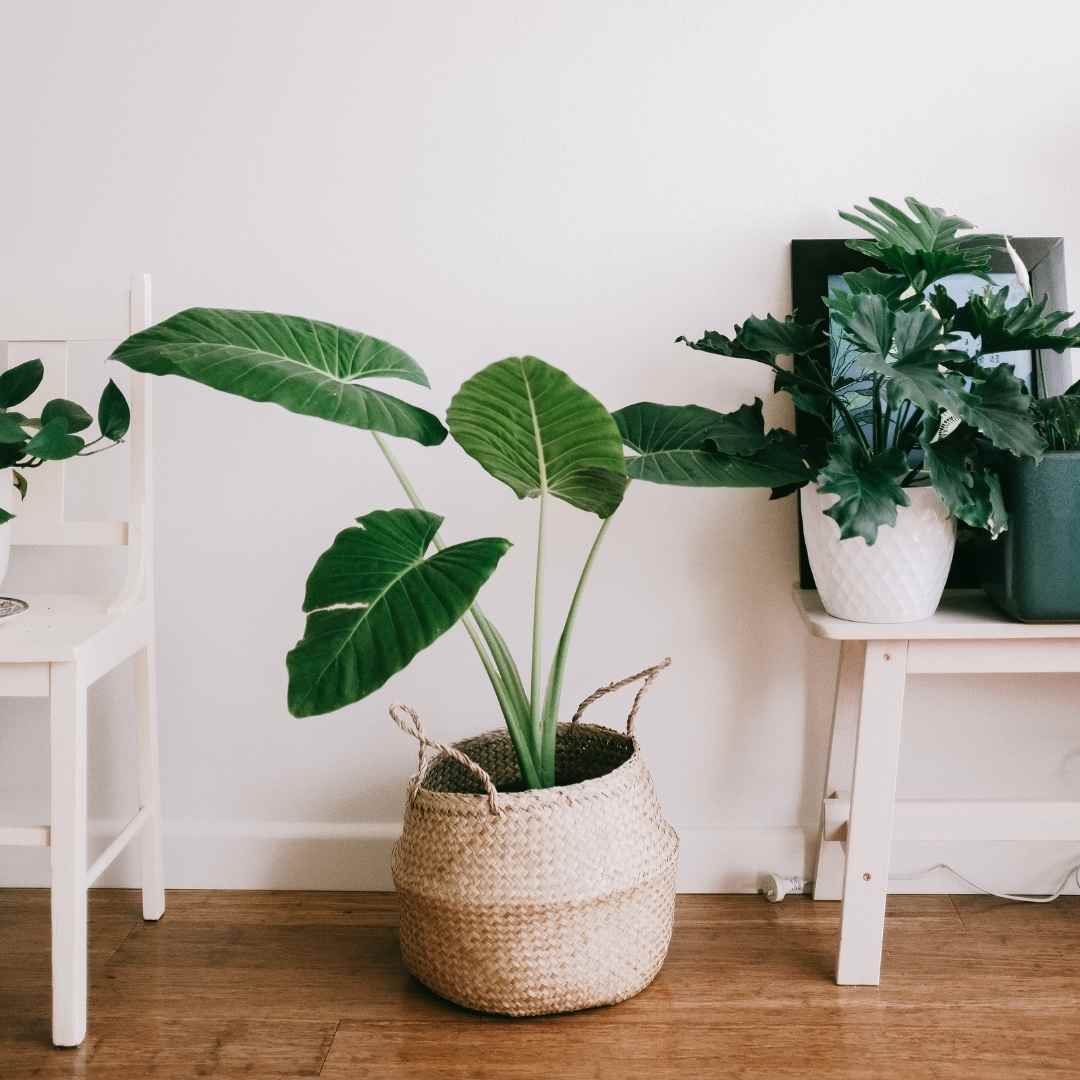
Want quick traction? Here are gentle, actionable ideas—no gimmicks, just solid practice. Bottom-water thirsty houseplants to hydrate roots without soaking leaves. Rotate pots a quarter-turn weekly for even growth. Clean dusty foliage so plants can photosynthesize efficiently.
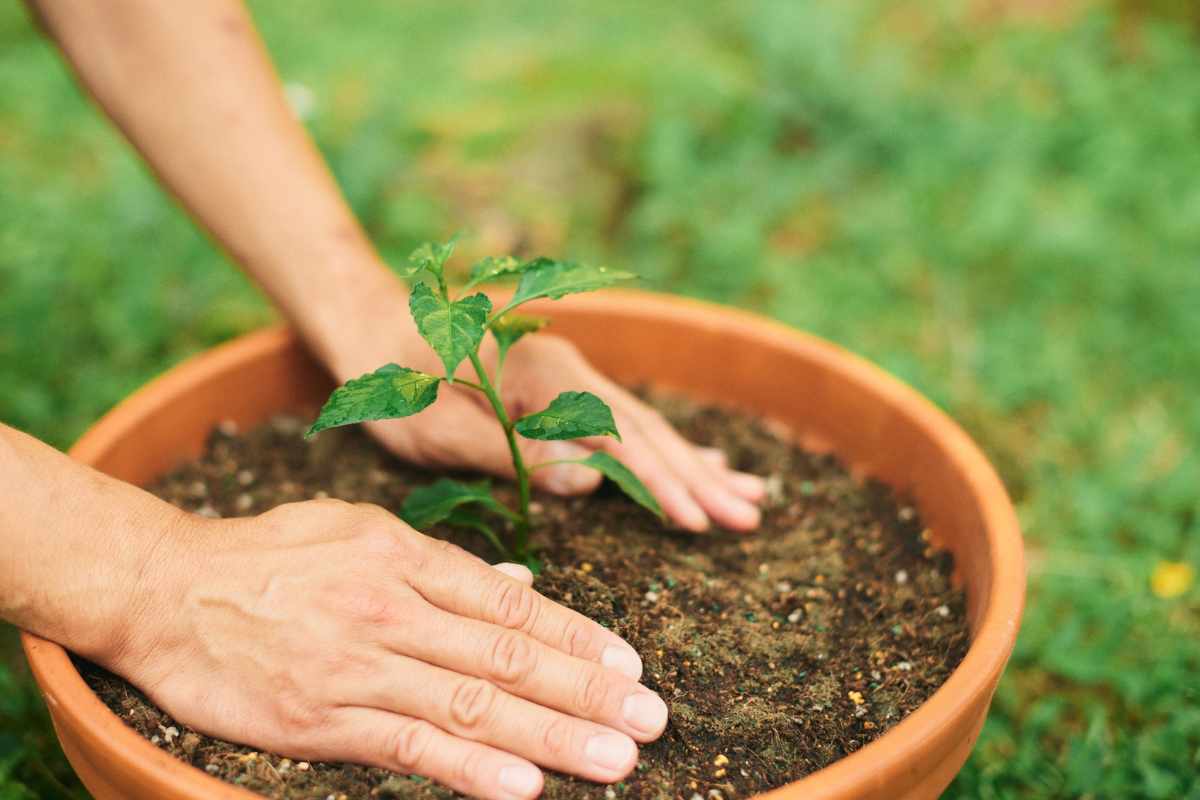
Outside, edge beds for neatness, then top with compost and mulch for a tidy, high-impact refresh. Pre-soak terracotta pots to prevent them from wicking moisture away from fresh transplants. These are practical Plant Hacks Tips that compound over a season.
If you’re still asking yourself how to have a green thumb, start with the smallest possible step you can repeat all month. If you’re wondering how to get a green thumb faster, pair that step with a weekly review of your notes. Small steps plus reflection = momentum.
When to Break the Rules
Guidelines are anchors, not handcuffs. Some plants thrive on neglect; others love constant attention. If your healthy plant contradicts a “rule,” side with the plant. Adaptation is one of the most underrated Gardening Hacks of all.
As you experiment, keep the spirit of Plant Tips And Tricks: notice, test, and iterate. That mindset turns setbacks into lessons and turns lessons into lush, resilient growth.
Explore More Ways to Grow Your Green Thumb

Ready to keep leveling up? Dive into more practical guides, seasonal checklists, and real-world problem solvers on Urbaki Gardening. Save your favorites, try one tip this week, and share your results—we’re rooting for you.
More Gardening Tips 👇🏼👇🏼