
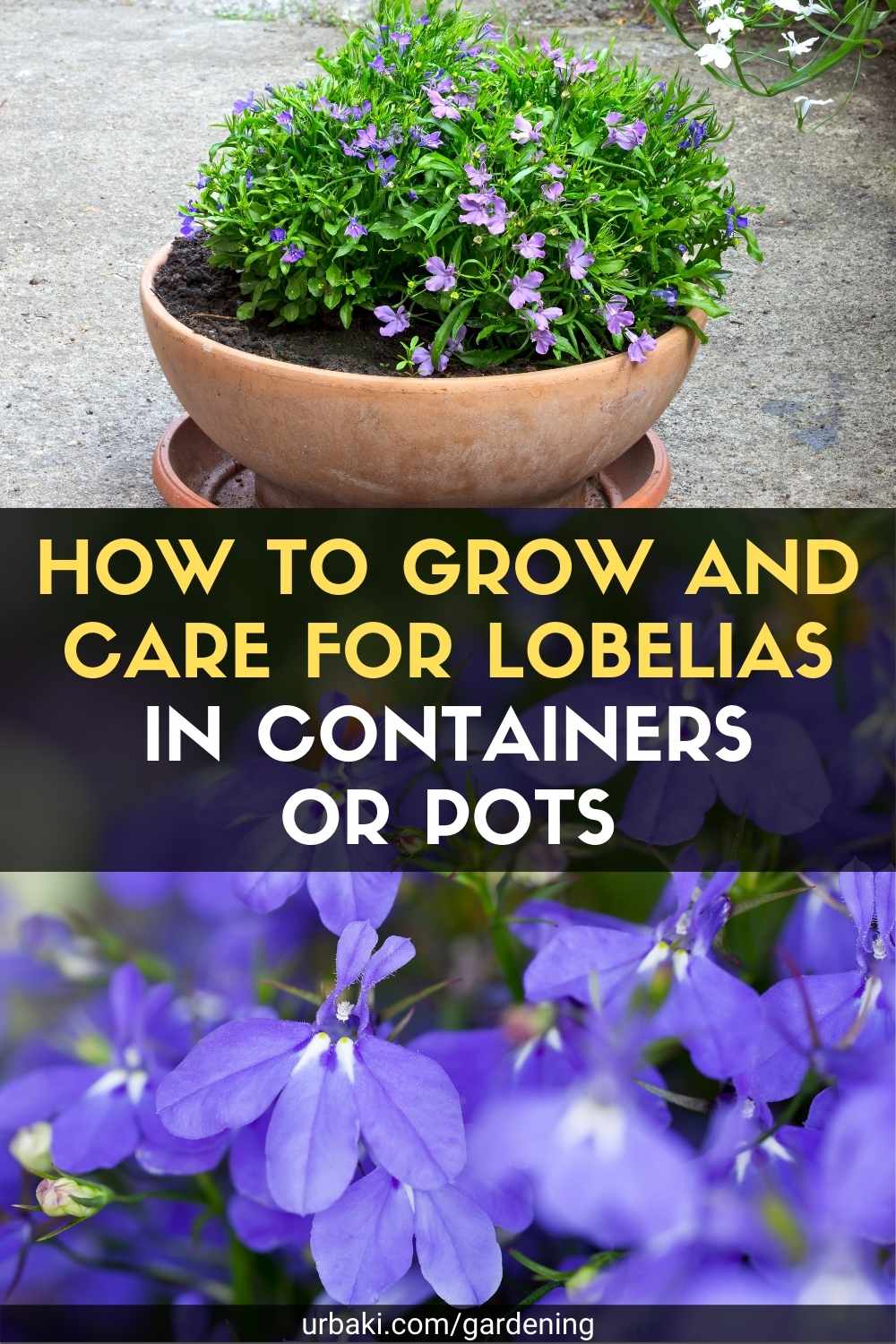
How to Grow and Care for Lobelias in Containers or Pots


The lobelia plant (Lobelia spp.) is a stunning addition to any garden or container. Known for its vibrant blooms and versatility, this easy-to-grow plant thrives in cooler weather and continues flowering well into the first frost.
With numerous varieties, lobelia can be an excellent choice for gardeners looking to add color and charm to their outdoor or indoor spaces.
Growing Lobelias in Containers
Growing lobelia in pots is a fantastic way to showcase its beauty while giving it the care it needs to thrive. Popular varieties like L. inflata (Indian tobacco), L. cardinalis (cardinal flower), and L. siphilitica produce abundant blooms in shades of pink, white, and blue.
These flowers create a dramatic impact, especially when cascading over the edges of containers.
Key Growing Conditions for Potted Lobelia
- Sunlight: Potted lobelia performs best in bright sunlight. In cooler climates, it requires at least six hours of sunlight daily. For warmer regions, provide partial shade during the hottest parts of the day.
- Watering Needs: Native to swampy environments, lobelia thrives in moist soil. Ensure the container soil remains evenly moist but not waterlogged to prevent stress or wilting.
- Temperature Considerations: Lobelia prefers cooler temperatures and may struggle during very hot summers. Position pots accordingly to balance sun exposure and temperature.

Lobelia Care for Healthy Growth
Light Requirements
Lobelia is incredibly adaptable to light conditions, making it a versatile plant.
- In the North: Full sun encourages maximum flowering as long as the plant is watered consistently.
- In the South: Partial shade helps prevent the plant from declining during hot summers.
Soil Needs
Rich, well-drained soil is ideal for lobelia. It is particularly sensitive to soil heat and humidity, so maintaining the right balance is crucial for its success.
Watering
These plants need consistent moisture to thrive, but overwatering can be detrimental. Keep the soil evenly moist to support continuous flowering and healthy growth.
Fertilization
Lobelia is a heavy feeder and benefits from regular fertilization. Using compost or applying a liquid fertilizer every two weeks ensures the plant has the nutrients it needs for vibrant blooms.
Uses of Lobelia in Northern Landscapes
Lobelia's compact growth, abundant flowers, and tolerance for various light conditions make it a versatile addition to gardens and landscapes. Here are some creative ways to use it:
- As a flowering ground cover.
- In rock gardens for a pop of color.
- In moon gardens with white-flowered varieties.
- In hanging baskets for dramatic, cascading blooms.
- Along walkways as a border plant.
- In butterfly gardens to complement taller species like common sedge.
The annual lobelia brings elegance and color to any garden or container arrangement. With its ability to adapt to different environments and minimal maintenance needs, it’s an excellent choice for both novice and experienced gardeners.
Start growing lobelia today and enjoy its stunning blooms throughout the season!
We Hope You Enjoy this Video

Source: Wholesome Day
Did you find this post Useful or Inspiring? Save THIS PIN to your GARDENING Board on Pinterest! 
More Gardening Tips 👇🏼👇🏼