
How to Grow Bee Balm Plants (Wild Bergamot)

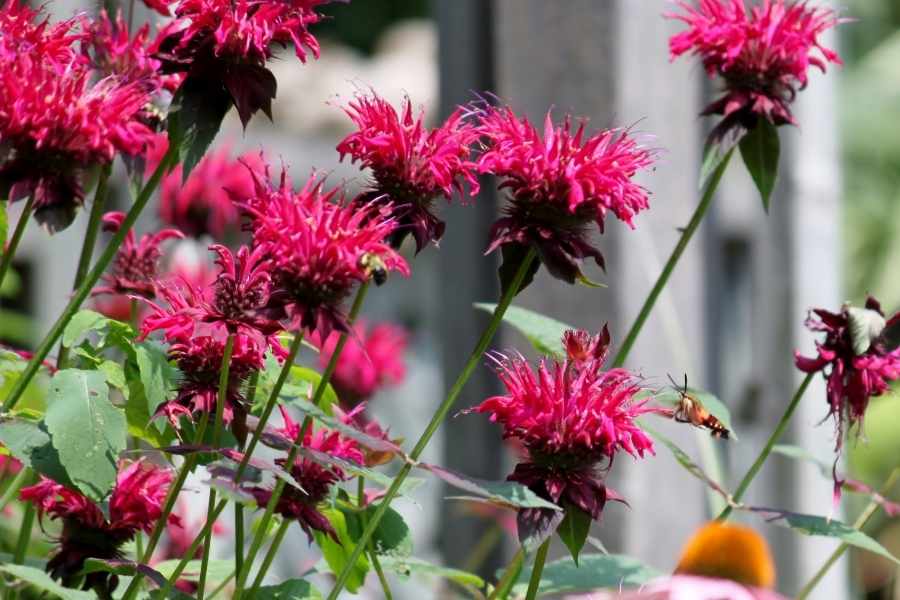
Valued for their bright, vibrant flowers, bee balm plants are herbaceous perennials native to North America. Interestingly, these plants are also considered as herbs: bee balm is actually part of the mint family, with aromatic leaves and many culinary and medicinal uses.
Best planted in spring or fall, bee balm plants will produce clusters of scarlet, pink, or purple tubular flowers in mid to late summer.
Distinctive "spiky-combed" flowers are among its key selling points, along with the plants' ability to attract a variety of wildlife to the garden landscape (including bees, butterflies, and hummingbirds).
Also, if you're looking for an option that adds long-lasting color to your garden, bee balm might be just that: The plants are long-blooming perennials that grow quickly and can reach up to a meter or more in height.
We hope you enjoy this video about Growing Bee Balm Plants:
Source: MIgardener
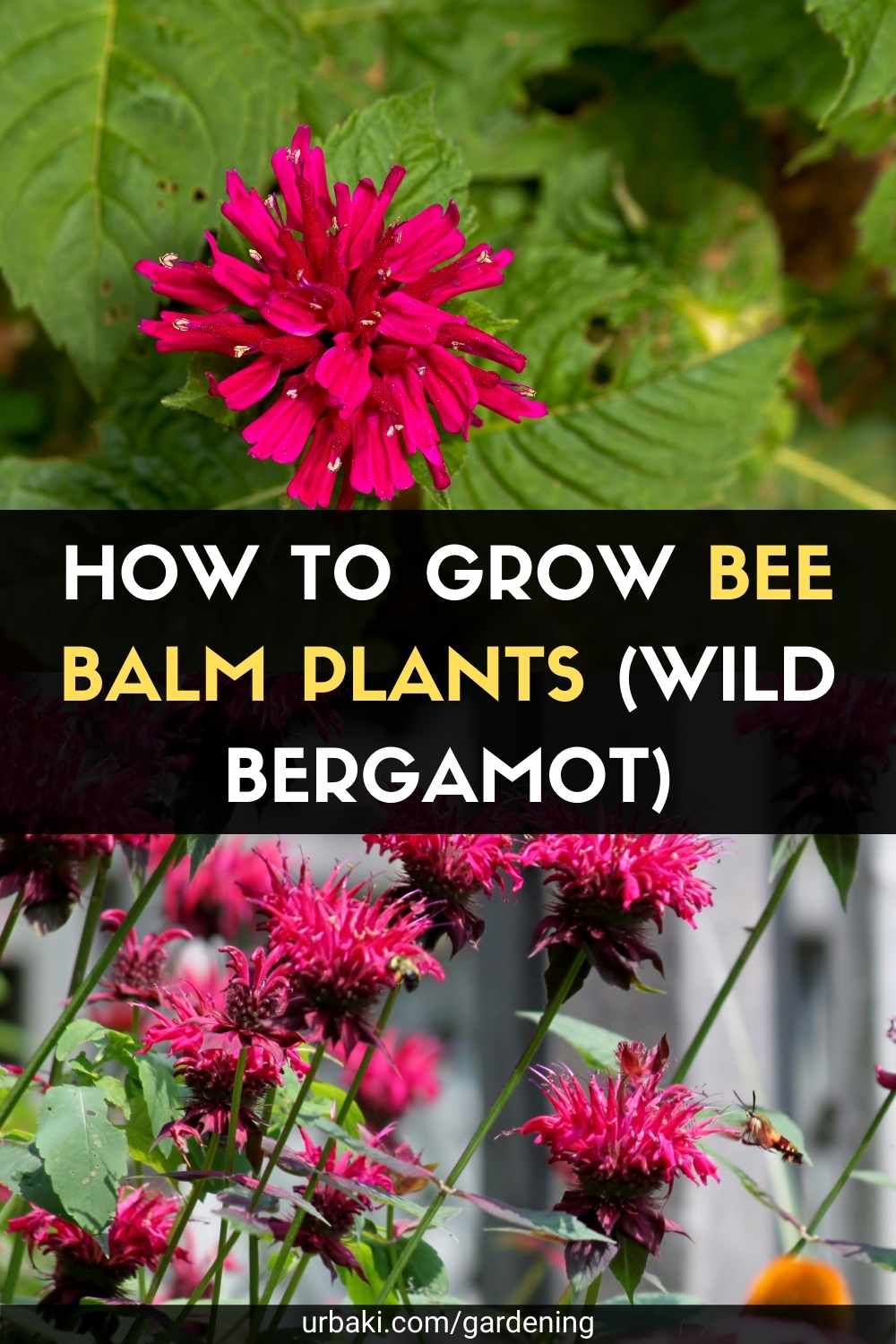
Did you find this post Useful or Inspiring? Save THIS PIN to your GARDENING Board on Pinterest! 
Once again, thank you for visiting our website!
We hope you've enjoyed exploring the content we've created for you.
Give yourself the chance to learn, get inspired, and have even more fun, keep browsing...
More Gardening Tips 👇🏼👇🏼