
Floating Serenity - DIY Mini Pond Magic


Imagine having your own tranquil oasis right in your backyard, where the soothing sounds of water mingle with the vibrant colors of aquatic plants and the gentle presence of fish.
With a DIY mini pond, you can bring the beauty of nature to your outdoor space and create a serene haven for relaxation and contemplation.
In this article, we will guide you through the process of building a Walstad-style mini pond, a low-maintenance and eco-friendly approach that mimics the balance of a natural ecosystem.
With floating plants and fish, this mini pond will become a harmonious ecosystem that enhances the aesthetics of your garden while providing a haven for aquatic life.
Step 1: Choosing the Right Location
The first step in creating your mini pond is selecting the perfect spot in your garden.
Look for an area that receives partial sunlight, as too much direct sunlight can lead to excessive algae growth.
Ensure that the location is level and has enough space to accommodate the size of your mini pond.

Step 2: Selecting the Container
For a Walstad-style mini pond, you can choose a container such as a large pot, a whiskey barrel, or even a repurposed bathtub.
Make sure the container is sturdy and can hold water without leaking.
Aim for a depth of at least 12 inches to provide enough space for plant roots and fish to thrive.
Step 3: Adding Substrate and Plants
Fill the bottom of the container with a layer of nutrient-rich substrate, such as organic soil or a mix of clay and sand.
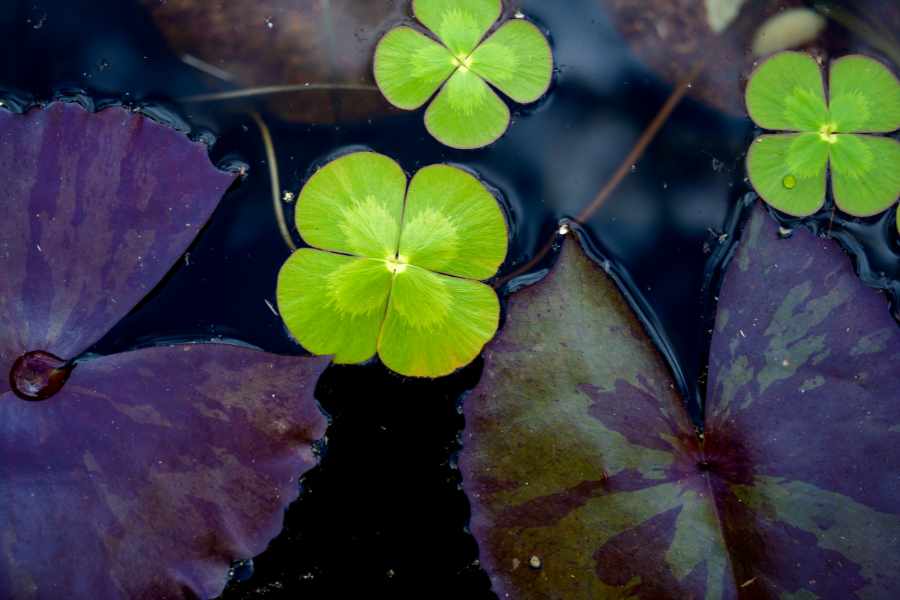
This substrate will provide essential nutrients for the plants and help establish a balanced ecosystem. Introduce a variety of floating aquatic plants like water lettuce, water hyacinth, or duckweed.
These plants not only add visual appeal but also help regulate the water quality by absorbing excess nutrients.
Step 4: Introducing Fish
Adding fish to your mini pond brings another dimension of beauty and life.
Opt for small, hardy species like goldfish or guppies that can thrive in a confined space.
These fish will contribute to the ecosystem by providing natural fertilizer for the plants and controlling mosquito larvae.
Step 5: Maintenance and Care
To maintain a healthy mini pond, monitor the water quality regularly. Perform partial water changes as needed and remove any excess debris or fallen leaves.
Keep an eye on the growth of the aquatic plants, trimming them back when necessary to maintain a balanced ecosystem.
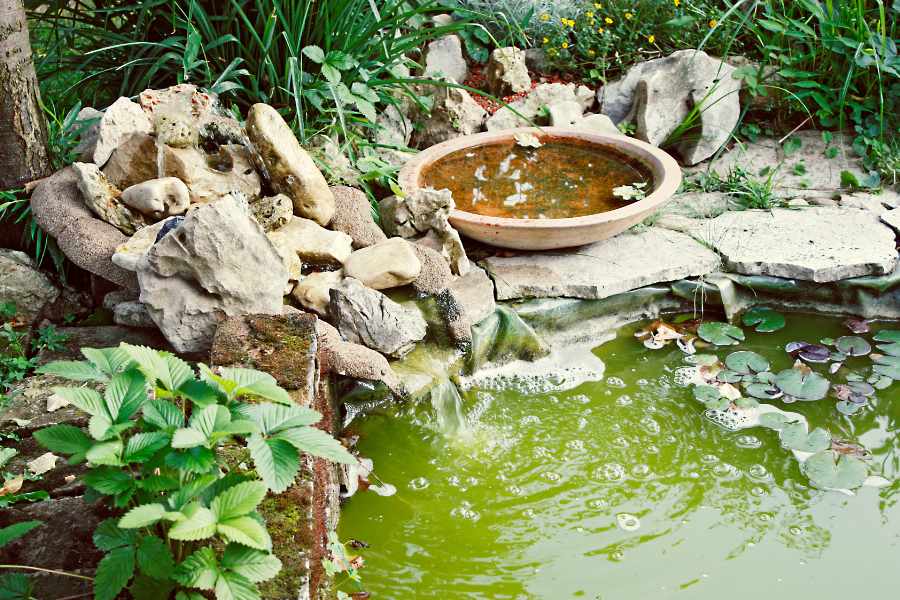
By following these simple steps, you can create your own captivating mini pond, transforming your garden into a haven of serenity.
So, gather your tools, unleash your creativity, and embark on this rewarding DIY journey to create a miniature aquatic paradise in your very own backyard.
We hope you enjoy this video about a Simple DIY mini pond
Source: The Urban Nemophilist
Did you find this post Useful or Inspiring? Save THIS PIN to your GARDENING Board on Pinterest! 
Once again, thank you for visiting our website!
We hope you've enjoyed exploring the content we've created for you.
Give yourself the chance to learn, get inspired, and have even more fun, keep browsing...
More Gardening Tips 👇🏼👇🏼