
Complete Guide on Using Rainwater for Plant Irrigation

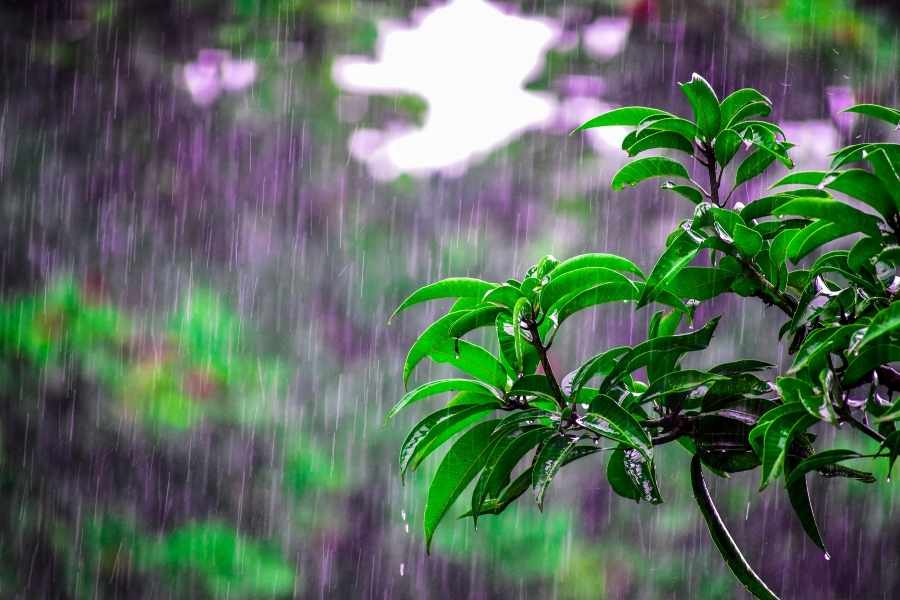
Incorporating rainwater into your plant care routine is not just eco-friendly; it's a sustainable practice that helps safeguard our vital water resources while delivering your beloved greens a nourishing, natural elixir.
By harnessing the power of rain, you can enhance the health of your plants, reduce your water bill, and contribute to a greener planet.
Rainwater is a valuable resource that has been underutilized for too long.
It's time to tap into its potential and learn how to use it effectively to irrigate your plants while preserving this precious gift from the skies.
Step 1: Collect the Rainwater
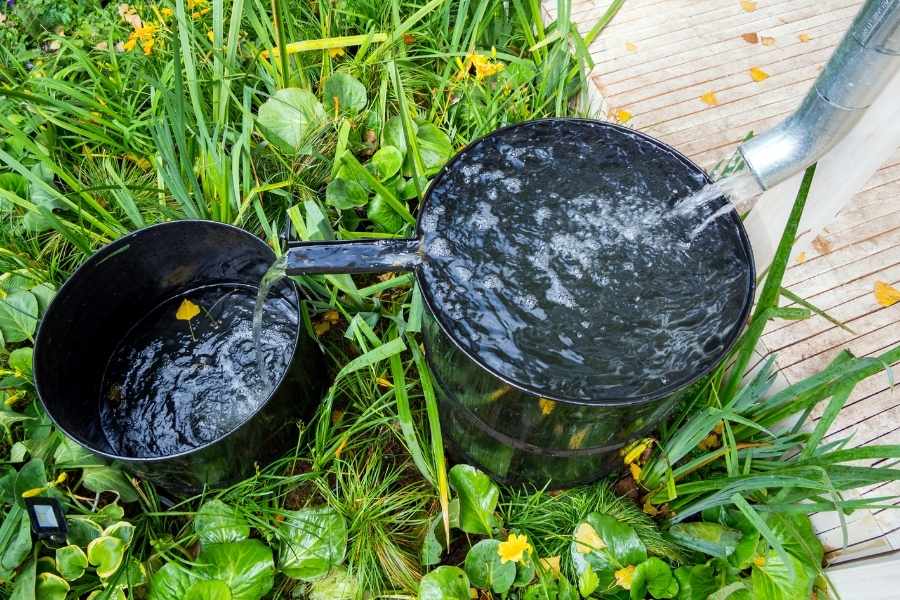
Gather rainwater using rain barrels, cisterns, or other suitable containers strategically placed to capture water from your roof or other surfaces.
Ensure your gutters and downspouts are clean to prevent debris from entering the collection containers.
Step 2: Filter the Rainwater
To prevent debris like leaves, twigs, and dust from clogging your irrigation system or harming your plants, use a mesh screen or a dedicated rain barrel filter for rainwater filtration.
Step 3: Test the Rainwater
Safety first! Given that rainwater can be slightly acidic and may contain pollutants like heavy metals and bacteria, it's wise to test it before using it on your plants.
Rainwater test kits are available online or at select garden centers.
Step 4: Irrigate Your Plants
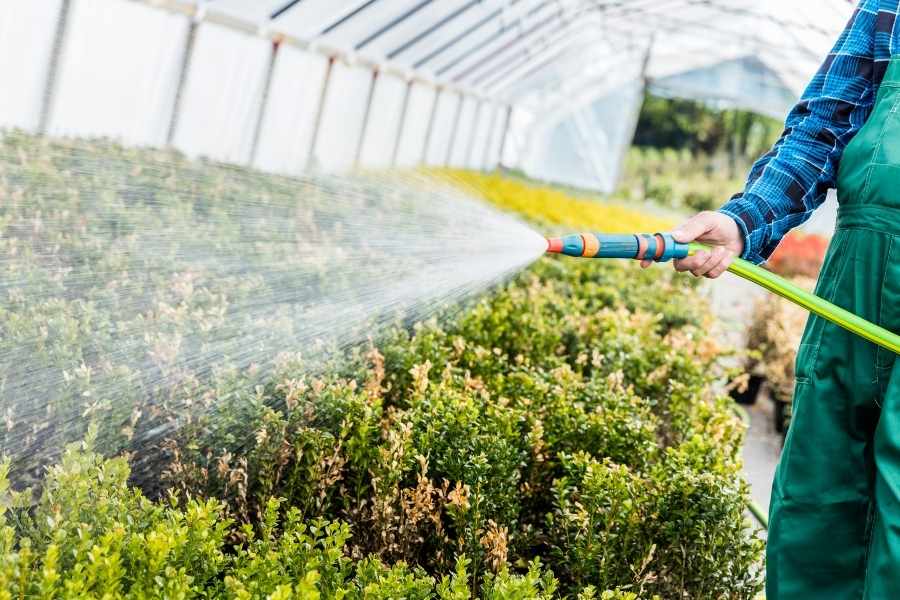
Once you've verified that your rainwater is safe for use, you can start watering your plants using a watering can, hose, or irrigation system. Remember to water your plants deeply and less frequently, promoting strong root growth.
Additional Tips for Using Rainwater for Plant Irrigation
- Rainwater is suitable for all types of plants, including vegetables, flowers, trees, and shrubs.
- Opt for morning or evening irrigation to reduce water evaporation, avoiding midday watering that can harm plant leaves.
- Mulch around your plants to retain soil moisture and inhibit weed growth.
- Tailor your watering schedule to meet the specific needs of the plants you're growing.
By following these guidelines, you can safely and effectively use rainwater for your plant irrigation needs, contributing to a more sustainable and eco-conscious gardening approach.
We hope you enjoy this video about Using Rainwater for Plant Irrigation
Source: EarthWise TV
Did you find this post Useful or Inspiring? Save THIS PIN to your GARDENING Board on Pinterest!

Once again, thank you for visiting our website!
We hope you've enjoyed exploring the content we've created for you.
Give yourself the chance to learn, get inspired, and have even more fun, keep browsing...
More Gardening Tips 👇🏼👇🏼