
Understanding the Layers - Lasagna Gardening Explained


Discover a gardening technique that's as rich and layered as its name suggests – Lasagna Gardening.
In this article, we delve into the concept, advantages, and potential drawbacks of this innovative gardening approach.
Lasagna Gardening, also known as sheet composting, is a no-dig gardening method that mimics the layers of a lasagna.
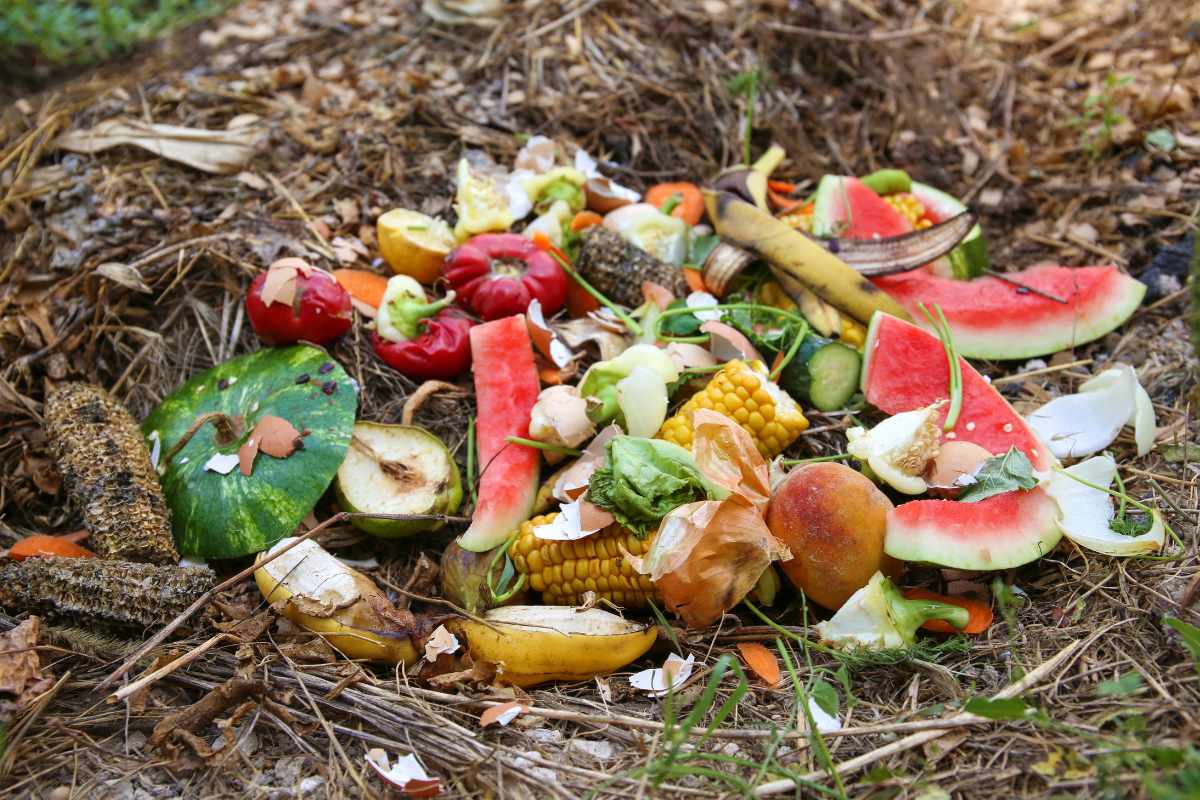
Instead of traditional tilling, gardeners stack organic materials like a delicious recipe, creating nutrient-rich soil over time. The layers act as a natural mulch, retaining moisture and promoting a healthy ecosystem for plants.
The Origins of Lasagna Gardening
Lasagna Gardening, also known as sheet composting, is a gardening technique that originated in the permaculture and organic gardening movements.
The exact origin is not attributed to a specific individual but rather evolved as a sustainable and no-dig alternative to traditional gardening practices.
The concept gained popularity in the late 20th century as gardeners sought more natural and environmentally friendly approaches to cultivate healthy and productive gardens.
The metaphorical term "lasagna" comes from the layered structure of this gardening method, where organic materials are stacked like the layers of a lasagna to create nutrient-rich soil.
Advantages of Lasagna Gardening:
- No Digging Required:
- Say goodbye to back-breaking digging! Lasagna Gardening eliminates the need for traditional tilling, making it a low-effort approach for both beginners and experienced gardeners.
- Weed Suppression:
- The layered structure naturally suppresses weed growth, reducing the need for constant weeding. This creates a more time-efficient and aesthetically pleasing garden.
- Enhanced Soil Fertility:
- As the layers break down, they enrich the soil with a variety of nutrients, creating a fertile environment for plants to thrive. This continuous improvement makes Lasagna Gardening a sustainable choice.
- Moisture Retention:
- The organic layers act as a natural mulch, retaining moisture in the soil. This not only benefits the plants but also conserves water, making it an eco-friendly gardening solution.
- Versatility in Location:
- Lasagna Gardening can be implemented in various locations, including raised beds, containers, or directly on the ground. Its adaptability makes it suitable for different gardening scenarios.
Potential Drawbacks of Lasagna Gardening:
- Initial Setup Time:
- Establishing the initial layers may take time and effort, as it involves collecting and arranging organic materials. However, the long-term benefits often outweigh the upfront investment.
- Appearance during Layering:
- While the layers are establishing, the garden might not have the polished appearance of traditional gardens. This aesthetic consideration is temporary, and the garden's visual appeal improves over time.
- Material Availability:
- Depending on your location, obtaining the necessary organic materials might be challenging. However, with creativity, local resources can often be repurposed for successful Lasagna Gardening.

Lasagna Gardening presents an enticing alternative to conventional gardening methods, offering a no-dig, low-maintenance approach with numerous benefits.
By understanding the concept and considering both advantages and potential drawbacks, you can make an informed decision on whether Lasagna Gardening is the right fit for your green oasis.
Did you find this post Useful or Inspiring? Save THIS PIN to your GARDENING Board on Pinterest!

Once again, thank you for visiting our website!
We hope you've enjoyed exploring the content we've created for you.
Give yourself the chance to learn, get inspired, and have even more fun, keep browsing...
More Gardening Tips 👇🏼👇🏼