
Simple Guide to Create a Pond in Small Gardens

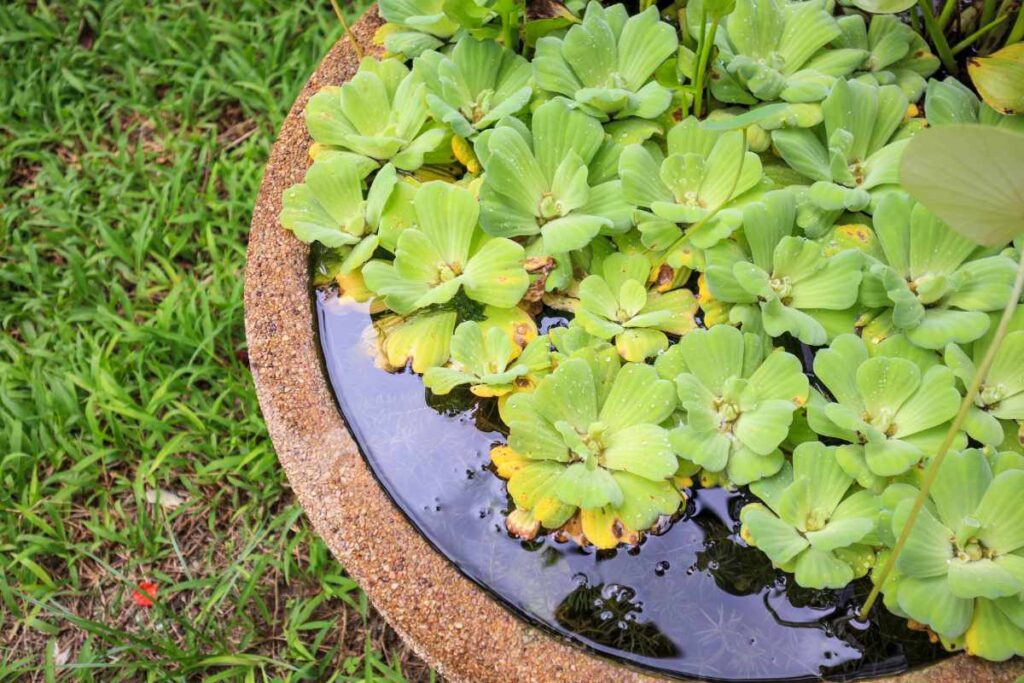
Are you longing to infuse your small garden oasis with the soothing presence of a tranquil pond?
Despite space constraints, achieving this dream is entirely feasible with a touch of ingenuity and careful planning.
Our comprehensive guide is your roadmap to crafting a breathtaking pond that not only elevates the ambiance of your compact outdoor space but also beckons wildlife to thrive.
Join us as we navigate the steps to curate a stunning pond sanctuary amidst the confines of your small garden, where serenity knows no bounds.
1. Assess Your Space
Before diving into pond construction, carefully evaluate your garden's dimensions and layout. Look for areas that receive adequate sunlight and consider how the pond will fit within the existing landscape.
The ideal amount of light for a pond depends on various factors, including the types of plants and fish you have, as well as the overall aesthetic you wish to achieve.
Most pond plants thrive in partial sunlight, which translates to about 4 to 6 hours of direct sunlight per day. However, it's essential to strike a balance to prevent excessive algae growth, which can occur with too much sunlight.
For ponds in super small gardens, aim for a location that receives partial sunlight, meaning it gets sunlight for a portion of the day but also has shaded areas.
This balance helps promote healthy plant growth while minimizing the risk of algae overgrowth.
Additionally, consider incorporating floating plants or adding a shade structure to provide additional protection from intense sunlight.
2. Choose the Right Location
Opt for a spot that receives partial sunlight to promote healthy plant growth while preventing excessive algae growth. Avoid areas with overhanging trees or where runoff water collects to maintain water quality.
Avoiding these areas is important for several reasons:
- Leaf Debris: Overhanging trees can drop leaves, twigs, and other organic matter into your pond, leading to increased nutrient levels and potential water quality issues. Decomposing organic matter can also contribute to algae growth and foul odors.
- Shade: While some shade is beneficial for preventing excessive algae growth, too much shade from overhanging trees can limit sunlight exposure, hindering the growth of aquatic plants and disrupting the balance of your pond ecosystem.
- Chemical Contamination: Runoff water from surrounding areas may contain pollutants such as pesticides, fertilizers, or chemicals from nearby structures. Allowing runoff water to enter your pond can introduce these contaminants, compromising water quality and harming aquatic life.
- Water Level Fluctuations: Areas prone to runoff water collection may experience fluctuating water levels, which can stress aquatic plants and fish. Consistent water levels are essential for maintaining a stable pond environment.
By selecting a location away from overhanging trees and runoff water sources, you can help ensure that your pond remains a healthy and vibrant ecosystem for aquatic plants and wildlife.

Select the Pond Type
In small gardens, preformed or container ponds are ideal choices due to their compact size and ease of installation. These options allow for greater flexibility in placement and require minimal excavation, making them perfect for limited spaces.
Additionally, container ponds offer the versatility to experiment with different designs and styles, enhancing the aesthetic appeal of your garden.
Alternatively, consider a raised pond or water feature that doubles as a focal point. Raised ponds add visual interest to your garden while providing a unique setting for aquatic plants and fish.
By elevating the pond above ground level, you can create a captivating focal point that draws the eye and adds depth to your outdoor space. Plus, raised ponds are easier to access for maintenance and can be customized to suit your garden's style and theme.
Gather Your Materials
Once you've chosen a location, gather your pond liner, pump, filter, and decorative elements such as rocks, pebbles, and aquatic plants.
Ensure all materials are suitable for small-scale ponds and compatible with your garden's aesthetic to achieve a cohesive and harmonious look.
Opt for durable materials that can withstand outdoor elements and provide long-lasting beauty.
Consider the color, texture, and style of the materials to ensure they complement your garden's overall design scheme.
Dig and Install
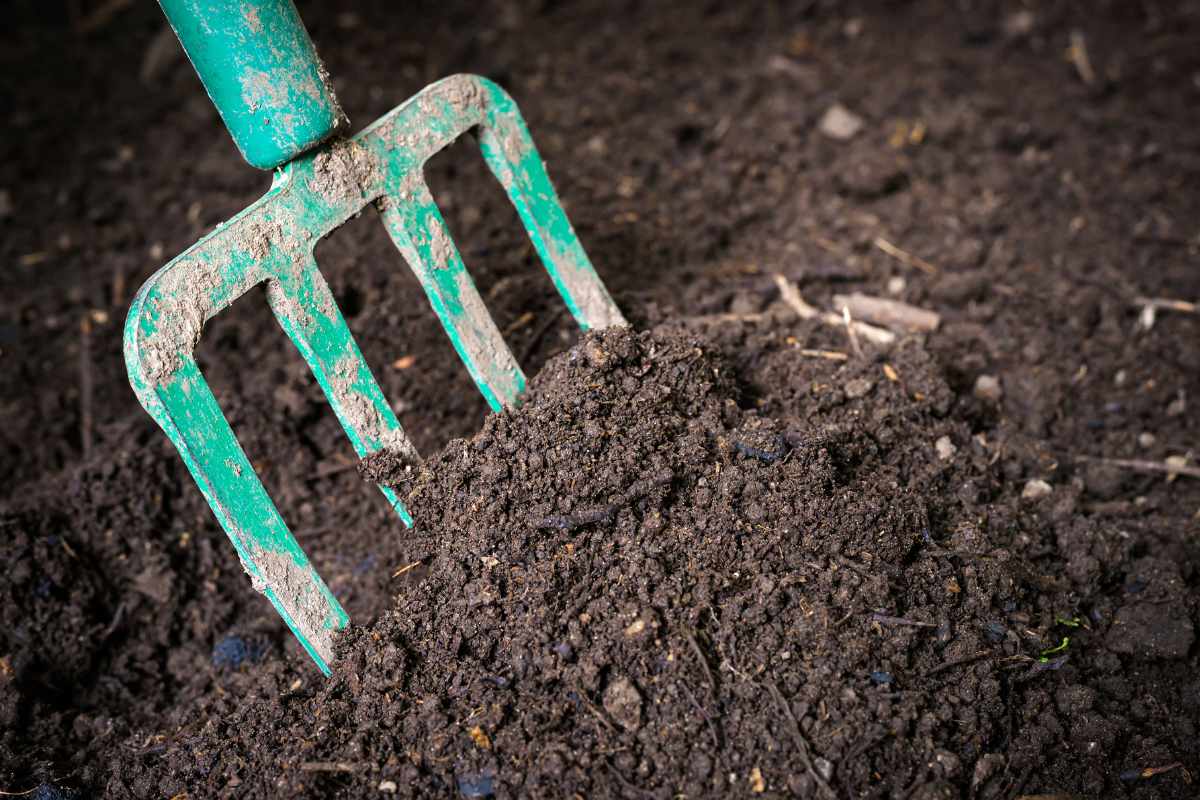
Begin by marking the pond's outline with spray paint or chalk. Dig the hole to the desired depth, ensuring it is level and free of sharp objects that could puncture the liner.
Carefully install the pond liner, making sure to smooth out wrinkles and secure the edges.
Add Water and Decoration
Once the liner is in place, fill the pond with water and install the pump and filter system according to the manufacturer's instructions.
Arrange rocks, stones, and aquatic plants around the pond's edge to create a naturalistic habitat for wildlife.
Maintain Your Pond
Regular maintenance is key to keeping your small garden pond healthy and thriving. Monitor water quality by testing pH levels and checking for signs of algae or bacterial growth.
Clean the filter regularly to ensure proper water circulation and remove debris such as leaves, twigs, and algae buildup.
This helps prevent clogs and maintains optimal filtration efficiency. Additionally, consider adding beneficial bacteria to help break down organic matter and maintain water clarity.
By staying on top of maintenance tasks, you can enjoy a beautiful and balanced pond ecosystem in your small garden.
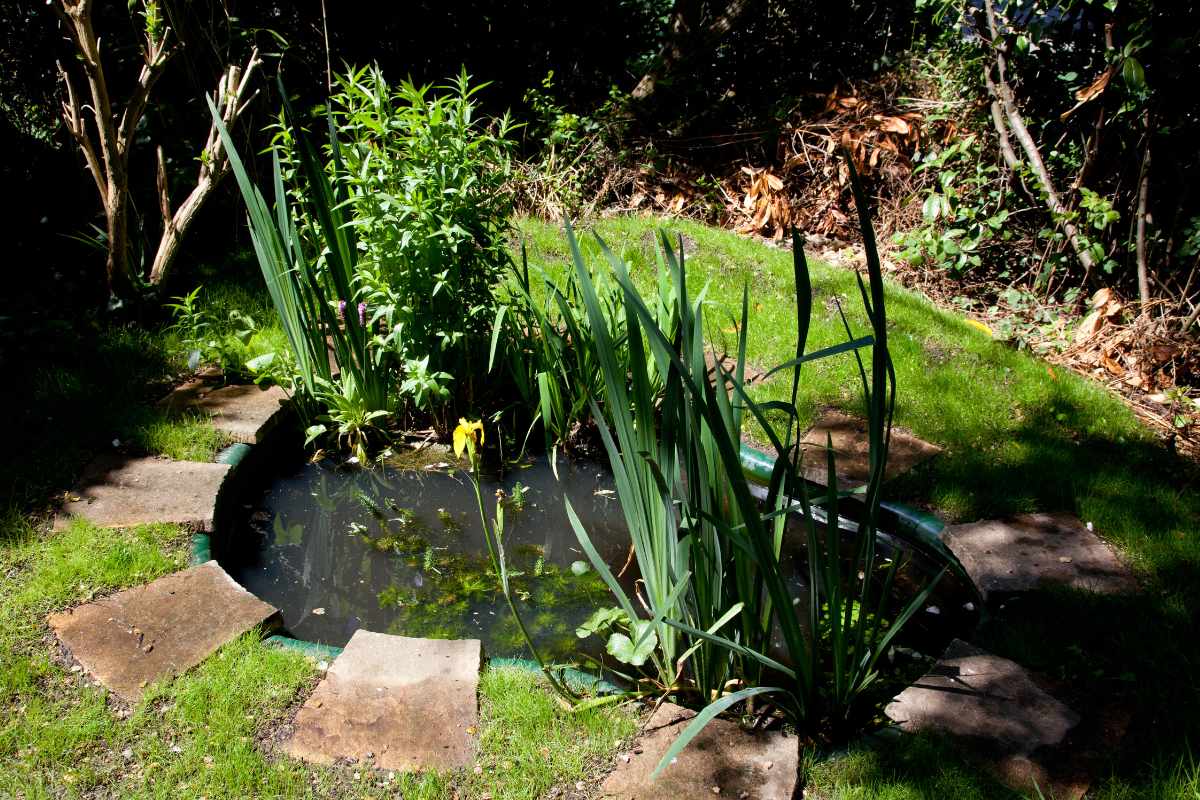
By following these steps, you can transform even the smallest of gardens into a peaceful retreat with a beautiful pond at its center.
Embrace the serenity of water and create a haven for both yourself and local wildlife to enjoy.
Did you find this post Useful or Inspiring? Save THIS PIN to your GARDENING Board on Pinterest!

Once again, thank you for visiting our website!
We hope you've enjoyed exploring the content we've created for you.
Give yourself the chance to learn, get inspired, and have even more fun, keep browsing...
More Gardening Tips 👇🏼👇🏼