
Top Strategies for a Successful Fall Garden

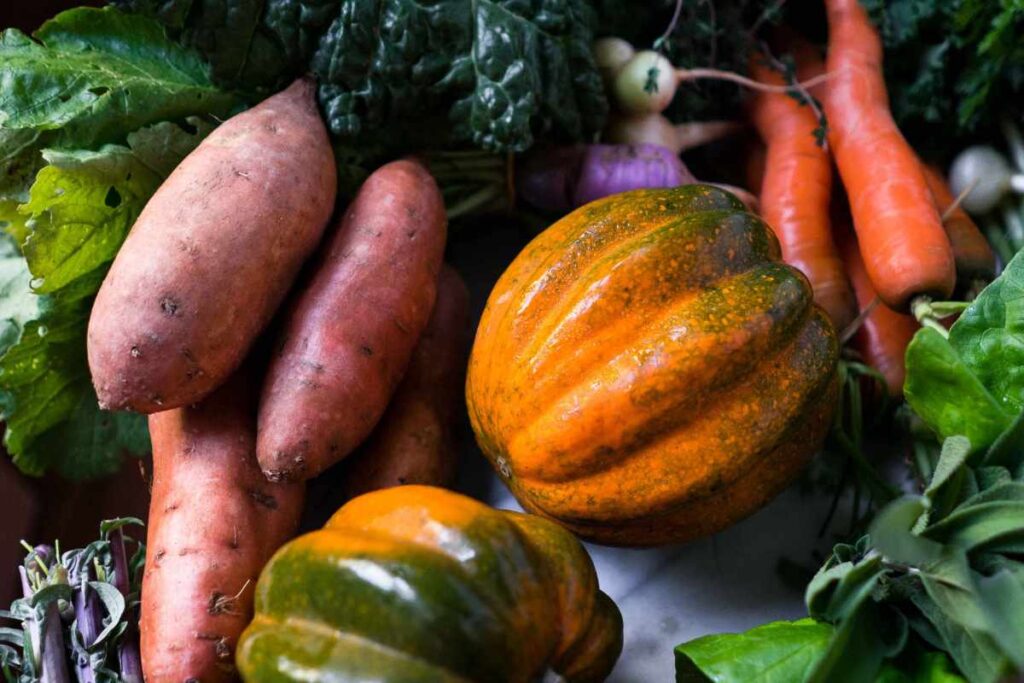
As summer winds down and the days start to shorten, many gardeners think it’s time to pack up their tools. However, fall gardening can be incredibly rewarding with the right strategies.
Whether you’re looking to extend your growing season or prepare your garden for the winter, these tips will help you achieve a thriving fall garden.
Embrace the cooler temperatures and take advantage of the unique growing conditions that autumn offers. With proper planning and care, you can enjoy a bountiful harvest and a beautiful garden well into the colder months.
1. Choose the Right Crops
Selecting the right crops is crucial for a successful fall garden. Cool-season vegetables thrive in the cooler temperatures of autumn and can often handle a light frost.
Consider planting leafy greens like spinach, kale, and lettuce. Root vegetables such as carrots, beets, and radishes also do well.
Additionally, brassicas like broccoli, cauliflower, and Brussels sprouts are excellent choices. These crops not only tolerate cooler weather but often taste better after a light frost.

2. Prepare Your Soil
Healthy soil is the foundation of a productive garden. Start by removing any leftover summer crops and weeds. Then, add a layer of compost or well-rotted manure to enrich the soil with nutrients.
If your soil is compacted, consider tilling or aerating it to improve drainage and root growth.
Testing your soil’s pH can also help you make necessary adjustments, ensuring your fall plants have the optimal growing conditions.
3. Extend Your Growing Season
To make the most of your fall garden, consider using season extenders. Row covers, cold frames, and cloches can protect your plants from early frosts and help maintain warmer soil temperatures.
These tools create a microclimate around your plants, allowing you to start your fall garden earlier and harvest later into the season. Additionally, mulching with straw or leaves can insulate the soil and protect roots from cold temperatures.
For a less common strategy, try using water-filled garden cloches, which absorb heat during the day and release it at night, providing extra warmth for your plants.
4. Water Wisely
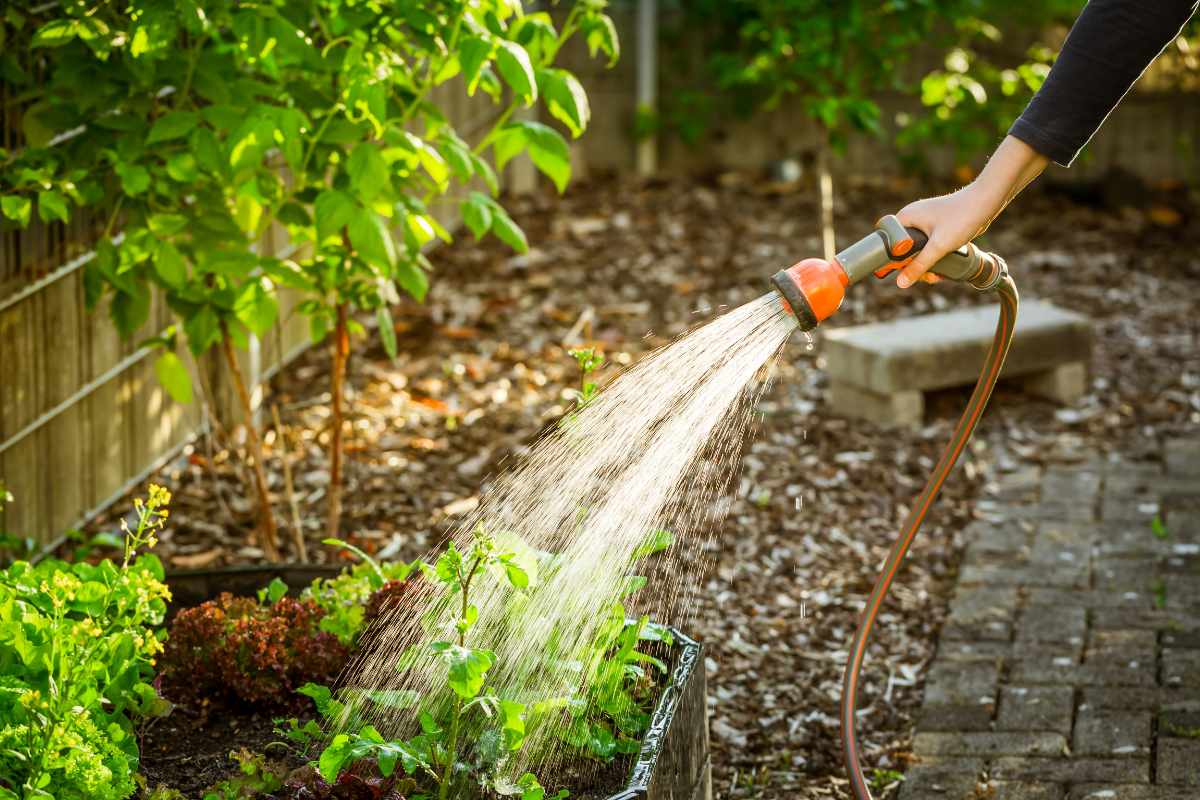
As temperatures drop, your plants' water needs will change. While it’s important to keep your garden hydrated, overwatering can lead to root rot and other issues. Water your plants deeply and less frequently, focusing on the root zone rather than the foliage.
Early morning watering is best, as it allows the soil to absorb moisture before the cooler evening temperatures set in. Consider using a soaker hose or drip irrigation system to deliver water directly to the roots and minimize evaporation.
Another specific tip is to use olla irrigation, a traditional method using clay pots buried in the soil to provide consistent moisture directly to the roots.
5. Pest and Disease Management
Fall gardens are less susceptible to many pests and diseases than summer gardens, but they are not entirely immune. Keep an eye out for common fall pests like aphids, cabbage worms, and slugs. Use organic pest control methods such as neem oil, insecticidal soap, or beneficial insects like ladybugs.
Regularly inspect your plants for signs of disease and remove any affected foliage to prevent the spread of pathogens.
Introducing beneficial nematodes to your soil can also help control root-eating pests and improve overall soil health.
6. Plan for Successive Plantings
One of the keys to a successful fall garden is succession planting. This involves planting crops in intervals to ensure a continuous harvest throughout the season.
For example, you can plant radishes every two weeks, as they mature quickly and can be harvested multiple times.
Similarly, stagger plantings of leafy greens to enjoy fresh salads well into late fall. This strategy maximizes your garden’s productivity and ensures you have a steady supply of fresh produce.
To further optimize, consider intercropping—planting fast-growing crops between slower-growing ones to make full use of garden space.
7. Use Cover Crops
Cover crops are an excellent way to improve soil health during the fall and winter months. Plants like clover, rye, and vetch add organic matter to the soil, prevent erosion, and suppress weeds. They also fix nitrogen, enriching the soil for future plantings.
Sow cover crops in areas of your garden that will remain fallow during the winter, and till them into the soil in the spring to enhance its fertility.
Another effective but lesser-known cover crop is buckwheat, which grows quickly and helps improve soil structure.
8. Harvest and Store Your Produce
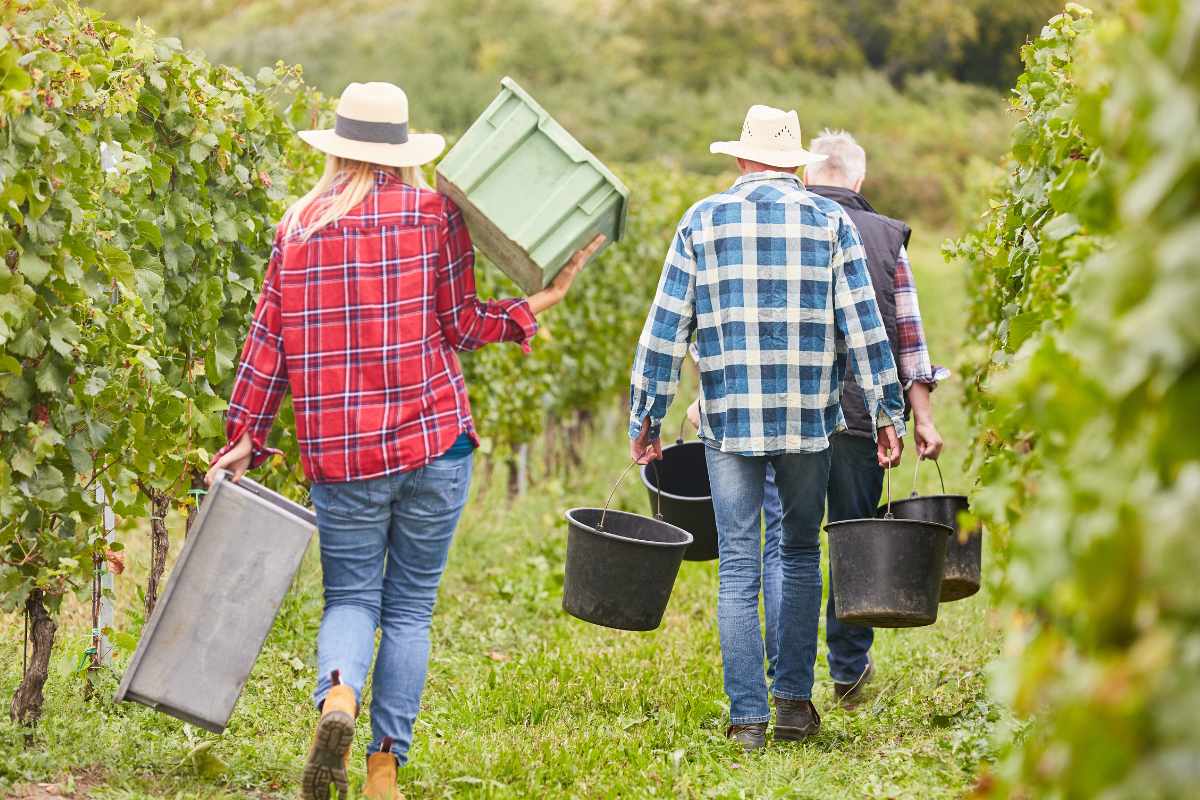
Properly harvesting and storing your fall crops ensures you enjoy the fruits of your labor well into winter.
Root vegetables can be left in the ground and covered with mulch to prevent freezing, allowing you to harvest as needed. Leafy greens should be picked regularly to encourage new growth. For longer storage, consider freezing, canning, or drying your produce.
These methods preserve the nutritional value and flavor of your vegetables, providing you with homegrown goodness even in the colder months.
Another specific strategy is to use a root cellar or a cool, dark, and humid place to store root vegetables and squashes for an extended period.
9. Prepare for Next Season
Finally, fall is the perfect time to start preparing for the next growing season. Clean and store your gardening tools to prevent rust and wear.
Take notes on what worked well in your garden and what didn’t, so you can make improvements next year. Consider planting garlic or spring bulbs now, as they require a cold period to establish roots and will be ready to sprout as soon as the weather warms.
Another proactive step is to plan your garden layout for next year, rotating crops to prevent soil depletion and reduce pest and disease buildup.
By implementing these strategies, you can enjoy a bountiful fall garden and set the stage for a successful growing season next year.

Did you find this post Useful or Inspiring? Save THIS PIN to your GARDENING Board on Pinterest!
Once again, thank you for visiting our website!
We hope you've enjoyed exploring the content we've created for you.
Give yourself the chance to learn, get inspired, and have even more fun, keep browsing...
More Gardening Tips 👇🏼👇🏼