
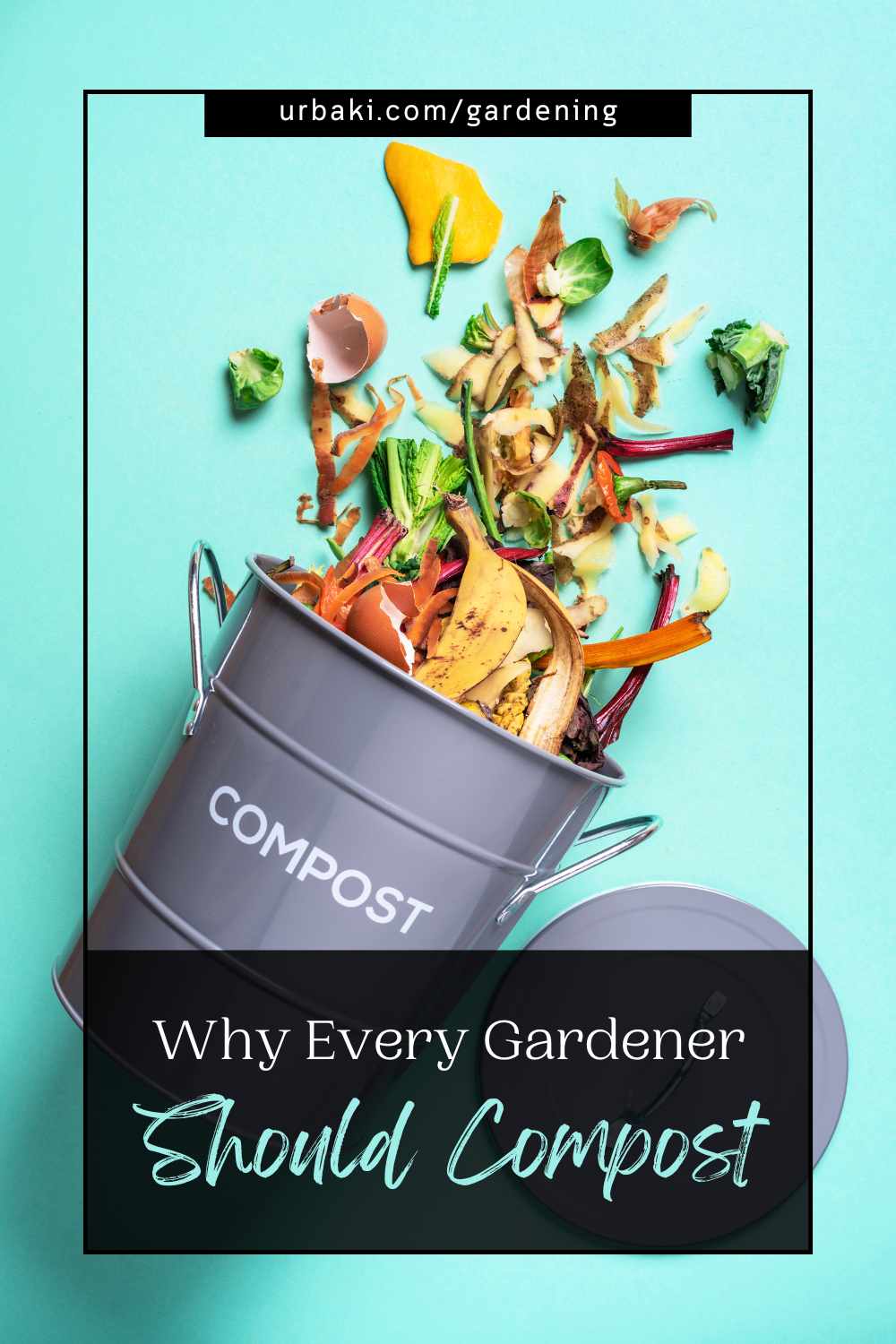
Why Every Gardener Should Compost

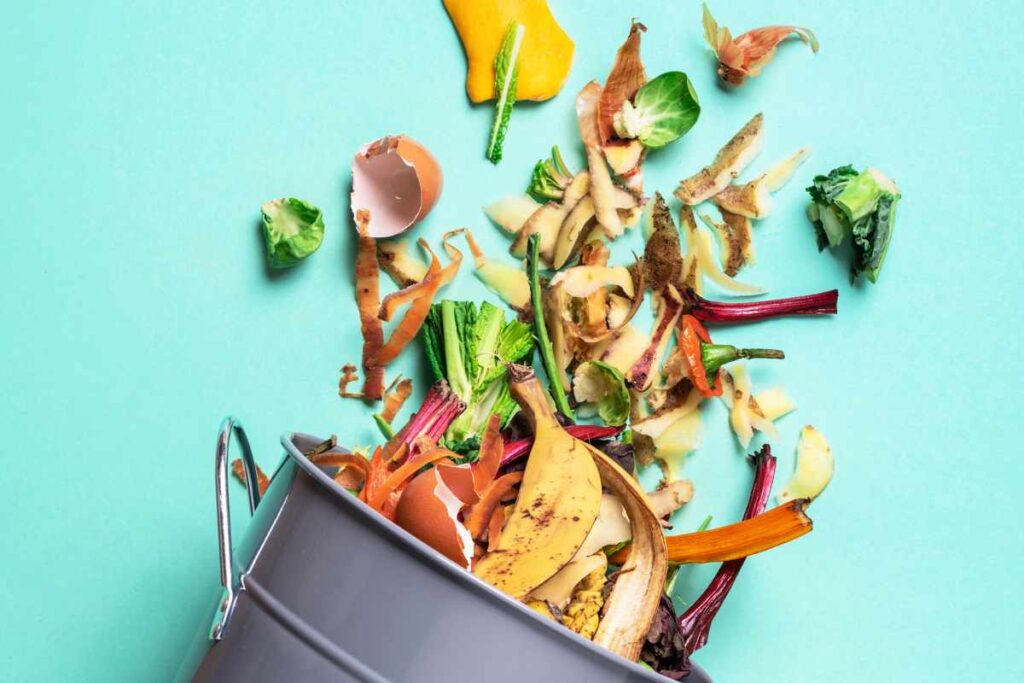
Composting is a practice that every gardener should embrace. It’s not just about reducing waste; composting offers numerous benefits that can transform your garden.
It enhances soil health, boosts plant growth, and contributes to a more sustainable environment.
Additionally, composting can help save money on fertilizers and soil conditioners.
In this article, we'll explore why every gardener should compost, the benefits it provides, and how you can start your own composting journey.
What is Composting?
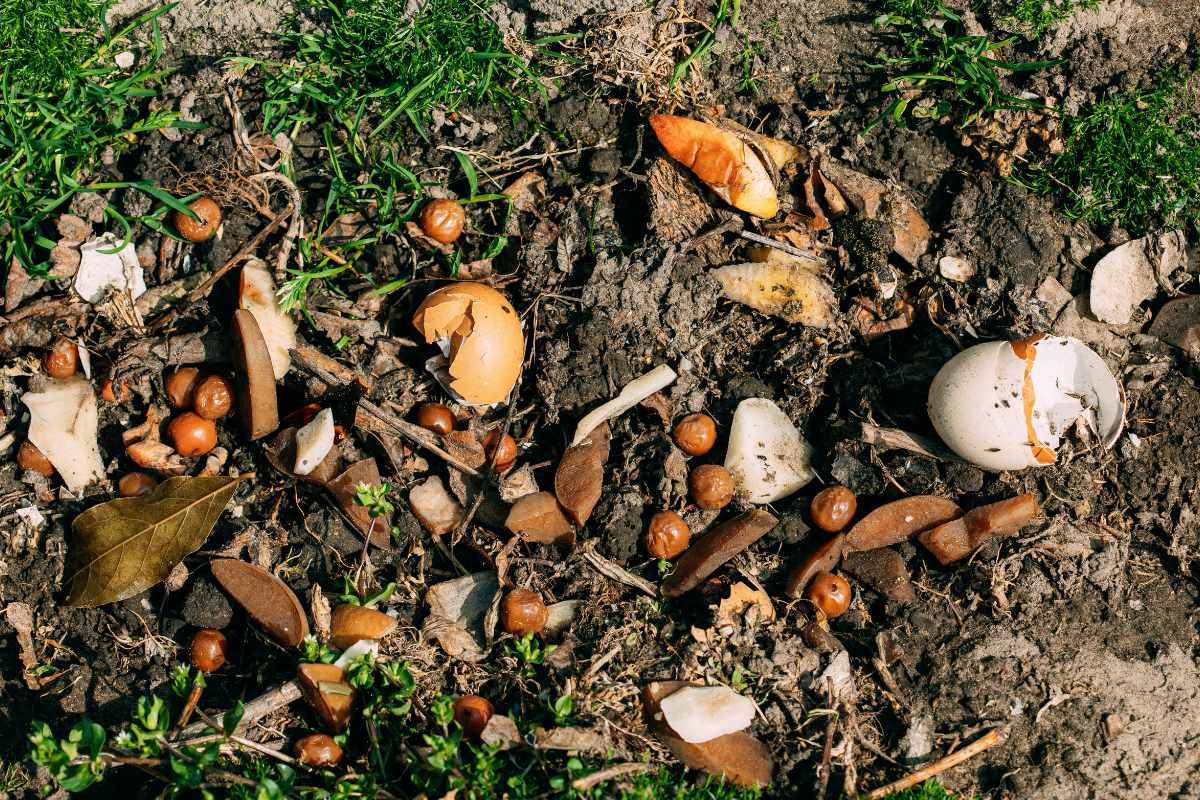
Composting is the process of breaking down organic materials like kitchen scraps and garden waste into a rich, nutrient-dense soil amendment.
This natural process is driven by microorganisms that decompose the materials, turning them into compost.
Benefits of Composting
1. Improves Soil Health
Compost is often referred to as “black gold” by gardeners. It enriches the soil, improving its structure, texture, and aeration. Composting adds essential nutrients to the soil, making it more fertile and better able to retain moisture.
2. Reduces Waste
By composting, you can significantly reduce the amount of waste you send to landfills. Kitchen scraps, yard clippings, and even some paper products can be composted. This not only helps the environment but also reduces your waste disposal costs.
3. Natural Fertilizer
Compost provides a natural alternative to chemical fertilizers. It supplies plants with a balanced range of nutrients, promoting healthy growth without the risk of chemical buildup in the soil.
4. Cost-Effective
Starting a compost pile is inexpensive. Most of the materials you need are already in your kitchen or garden. Over time, composting can save you money on buying soil conditioners and fertilizers.
5. Reduces Greenhouse Gases
Organic waste in landfills generates methane, a potent greenhouse gas. Composting helps reduce these emissions by diverting organic waste from landfills.
How to Start Composting
Getting started with composting is simple and can be done in a few easy steps.
1. Choose a Composting Method: There are several methods of composting to choose from:
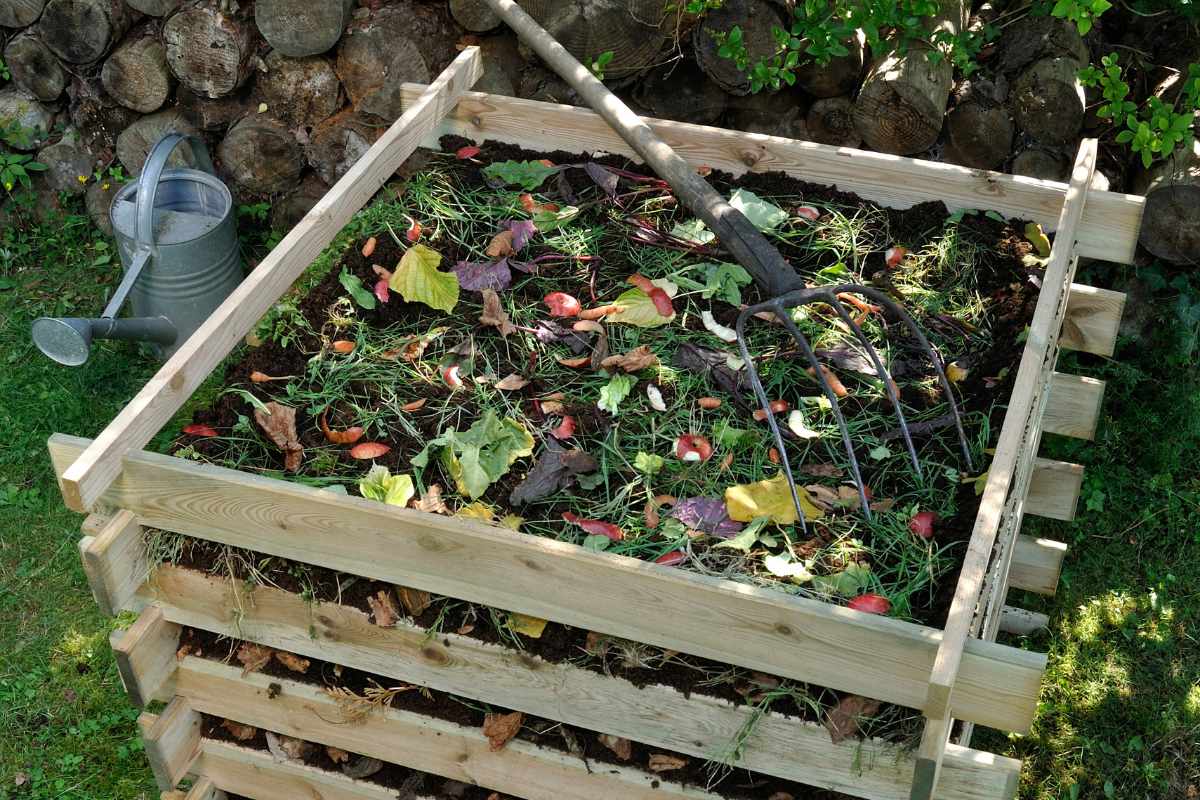
- Backyard Composting: Ideal for gardeners with space, this involves creating a compost pile or bin in your yard.
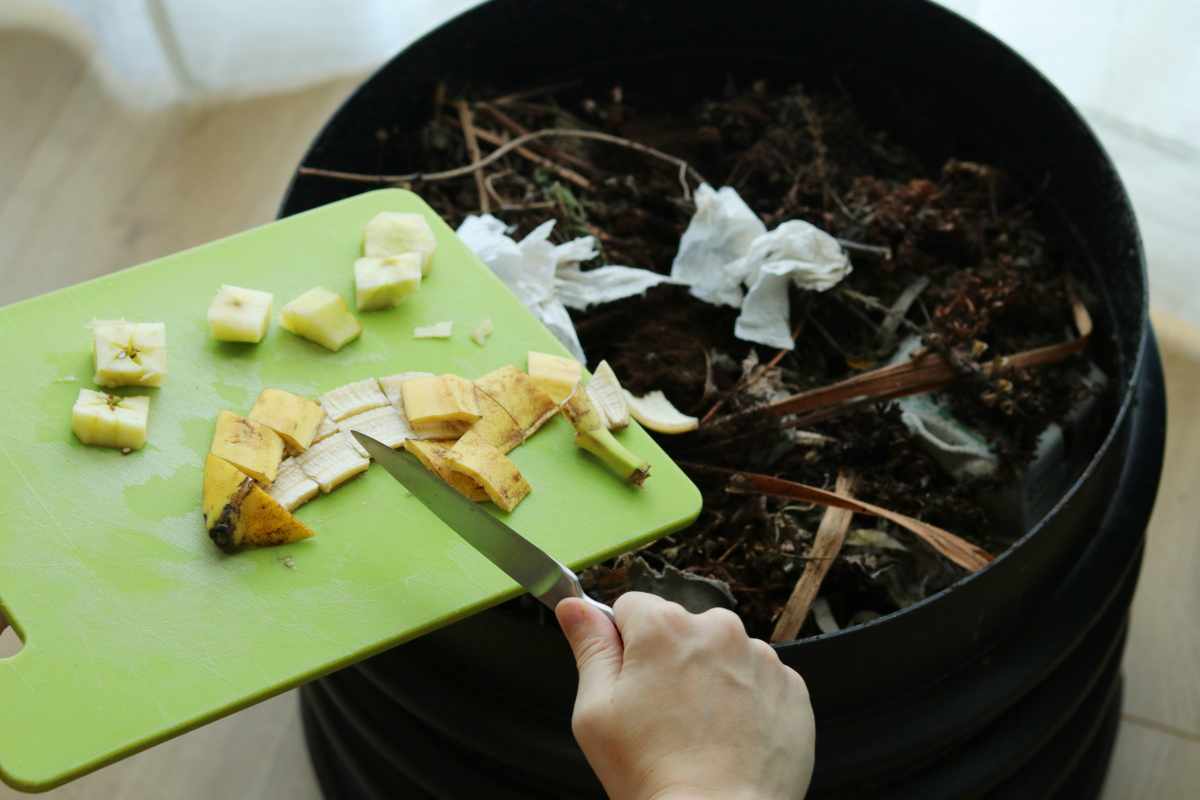
- Vermicomposting: Uses worms to break down organic materials. This is great for indoor or small-space composting.
- Tumbler Composting: A convenient, enclosed system that speeds up the composting process and is perfect for urban gardeners.
2. Gather Compostable Materials: Start collecting organic materials such as:
- Green Materials: Fruit and vegetable scraps, coffee grounds, and grass clippings.
- Brown Materials: Dry leaves, cardboard, and newspaper.
Balance green and brown materials for the best results.
3. Build Your Compost Pile: Layer green and brown materials in your compost bin or pile. Make sure to chop larger items into smaller pieces to speed up decomposition.
4. Maintain Your Compost: Turn your compost pile regularly to aerate it and speed up the decomposition process. Keep it moist, but not too wet. In a few months, you’ll have rich, dark compost ready to use in your garden.
Using Compost in Your Garden
Incorporating compost into your gardening routine is easy and highly beneficial. Here’s how you can use compost in your garden:
1. Soil Amendment: Mix compost into your garden soil to improve its structure and fertility. This is especially helpful for heavy clay or sandy soils.
2. Mulch: Spread a layer of compost around plants to help retain moisture, suppress weeds, and provide nutrients.
3. Compost Tea: Steep compost in water to create a nutrient-rich liquid fertilizer, perfect for feeding plants and seedlings.
Common Composting Issues and Solutions
While composting is generally straightforward, you might encounter some challenges. Here are a few common issues and their solutions:
1. Bad Odors: Bad smells usually indicate too much green material or not enough air. Add more brown materials and turn your compost pile regularly.
2. Pests: If pests are a problem, make sure you’re not adding meat or dairy to your compost pile. Use a closed bin or tumbler to deter animals.
3. Slow Decomposition: If your compost is breaking down slowly, it might be too dry or lacking nitrogen. Ensure it’s moist and add green materials like grass clippings or kitchen scraps.
Composting is a simple, cost-effective, and environmentally friendly way to enhance your gardening efforts.
By turning waste into valuable compost, you’ll improve your soil health, reduce waste, and promote a more sustainable garden. Start composting today and experience the benefits firsthand – your garden will thank you!
Did you find this post Useful or Inspiring? Save THIS PIN to your GARDENING Board on Pinterest!
Once again, thank you for visiting our website!
We hope you've enjoyed exploring the content we've created for you.
Give yourself the chance to learn, get inspired, and have even more fun, keep browsing...
More Gardening Tips 👇🏼👇🏼