
Is Fall a Good Time to Start a Compost Pile?

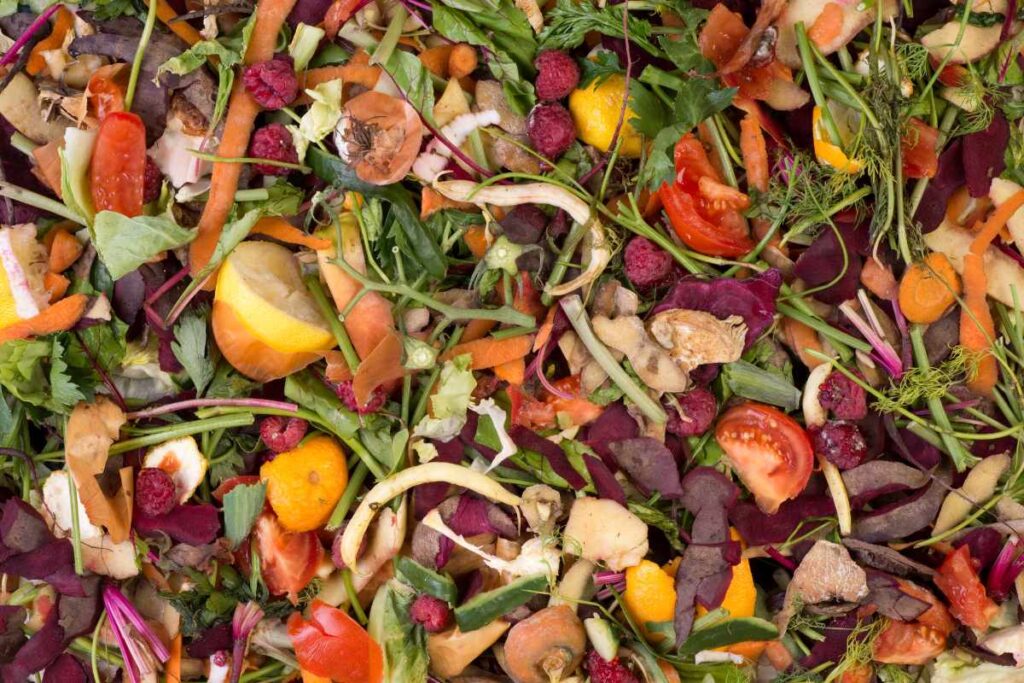
As the leaves begin to turn and the air becomes crisp, many gardeners wonder if fall is the right time to start a compost pile.
The answer is a resounding yes! Fall offers unique advantages for creating and managing a successful compost system. The season’s natural bounty provides an ample supply of organic material, and the cooler temperatures create ideal conditions for decomposition.
Let’s explore why autumn is an ideal season to begin your composting journey and how you can make the most of this opportunity.
Abundant Organic Material
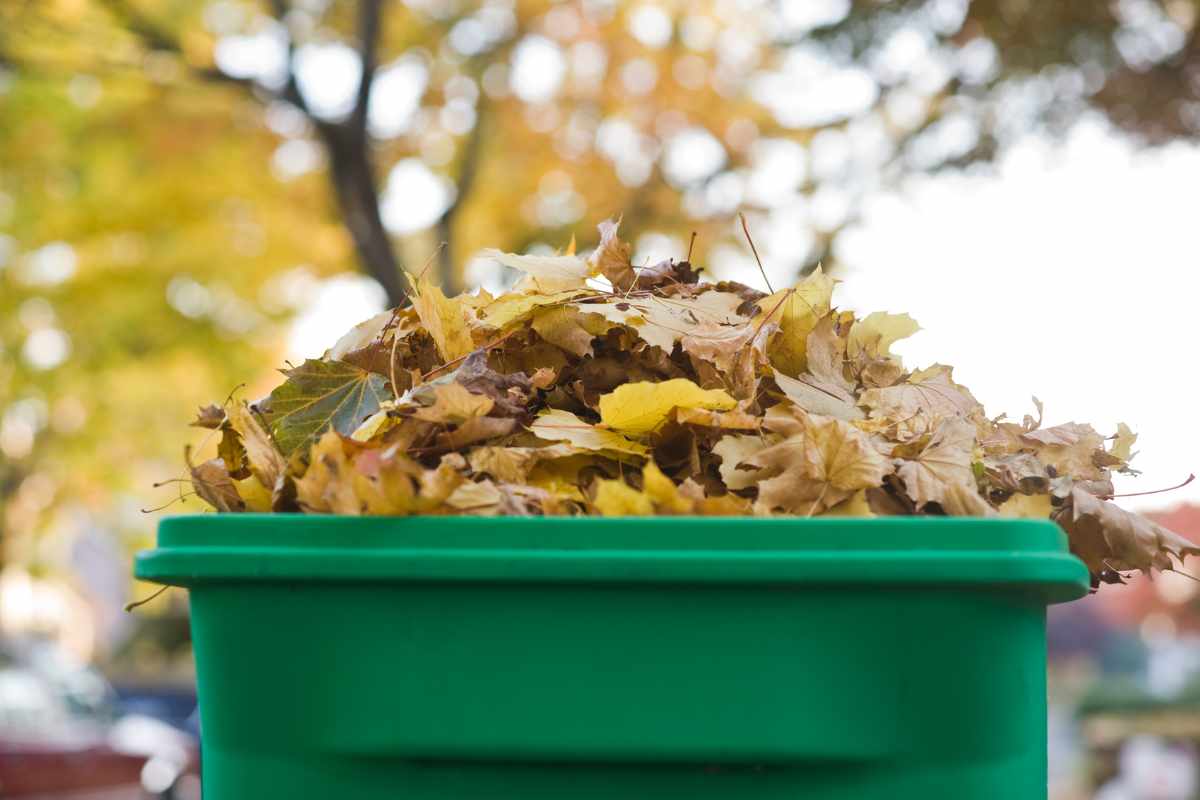
One of the primary reasons fall is a great time to start a compost pile is the abundance of organic material. As trees shed their leaves, you’ll find yourself with plenty of carbon-rich materials, also known as "browns." These leaves, when combined with other garden waste, create a balanced compost pile.
Additionally, you’ll likely have a mix of nitrogen-rich "greens" such as vegetable scraps, grass clippings, and coffee grounds, which are essential for composting.
Perfect Balance of Browns and Greens
Achieving the right balance of browns and greens is crucial for successful composting. In fall, nature provides an abundance of both.
The fallen leaves (browns) mixed with leftover garden plants and kitchen scraps (greens) create an ideal composting environment. This balance helps to maintain the correct moisture level and aeration, which are essential for decomposition.
Cooler Temperatures
The cooler temperatures of fall are beneficial for composting. While compost piles do generate heat as microorganisms break down organic material, starting your compost pile in cooler weather can prevent it from overheating.
Overheating can kill beneficial microbes and slow down the composting process. The moderate temperatures of fall help to maintain a steady, manageable composting environment.
Reduced Odors
Another advantage of starting a compost pile in fall is the reduction in odors. Warmer months can cause compost piles to emit strong smells, especially if they are not managed correctly.
Cooler temperatures in autumn slow down the decomposition process slightly, which can help to keep odors at bay. This makes the whole experience more pleasant, especially if your compost pile is near your home.
Preparing for Spring Planting
Starting your compost pile in fall ensures that you’ll have rich, nutrient-dense compost ready for spring planting. Compost takes several months to mature, so beginning in the fall gives your compost ample time to break down over the winter.
By the time spring rolls around, you’ll have a supply of black gold to enrich your garden soil and promote healthy plant growth.
Easy Management
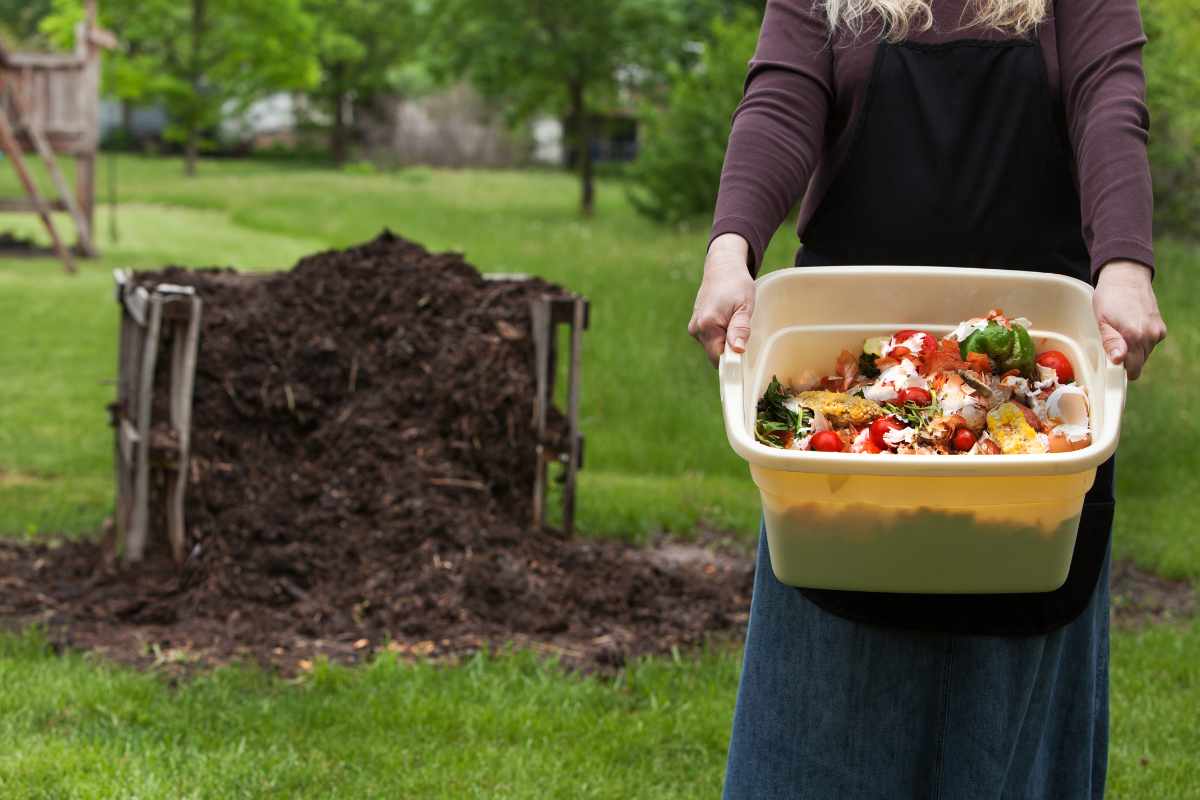
Fall is a less busy time in the garden compared to the growing season. This allows you to focus more on setting up and managing your compost pile.
Regular turning and monitoring are key to effective composting, and having the extra time in the fall means you can give your compost the attention it needs to thrive.
Utilizing Yard Waste
Fall garden clean-up often generates a significant amount of yard waste. Instead of sending this material to a landfill, you can use it to start your compost pile.
Leaves, grass clippings, spent plants, and small branches are all excellent additions to your compost. This not only reduces waste but also recycles valuable nutrients back into your garden.
Attracting Beneficial Insects
Starting a compost pile in fall can attract beneficial insects to your garden. As the organic material begins to decompose, it provides a habitat for insects such as earthworms, which are crucial for soil health.
These insects help to aerate the compost and speed up the decomposition process, resulting in richer, more fertile compost for your garden.
Tips for Starting a Fall Compost Pile
To get started with your fall compost pile, follow these simple steps:
- Choose a Location: Select a spot in your yard that has good drainage and is convenient for adding materials.
- Layer Materials: Begin with a layer of coarse materials such as small branches or straw to help with aeration. Then, alternate layers of browns (leaves, straw) and greens (kitchen scraps, grass clippings).
- Maintain Moisture: Your compost pile should be as damp as a wrung-out sponge. If it’s too dry, add water; if it’s too wet, add more browns.
- Turn Regularly: Turning your compost pile every few weeks helps to aerate it and speed up decomposition. This is especially important in the cooler fall months.
- Monitor Temperature: Use a compost thermometer to ensure your pile is staying within the ideal temperature range of 110-160°F. Adjust as necessary by adding more materials or turning the pile.

Fall is an excellent time to start a compost pile due to the abundance of organic materials, the perfect balance of browns and greens, and the favorable weather conditions.
By starting your composting journey in autumn, you’ll be well on your way to creating rich, fertile compost to enhance your garden in the coming spring.
So grab those rakes, gather those leaves, and start your compost pile today! Your garden will thank you.

Did you find this post Useful or Inspiring? Save THIS PIN to your GARDENING Board on Pinterest!
Once again, thank you for visiting our website!
We hope you've enjoyed exploring the content we've created for you.
Give yourself the chance to learn, get inspired, and have even more fun, keep browsing...
More Gardening Tips 👇🏼👇🏼