
Is Aloe Vera a Good Fertilizer?

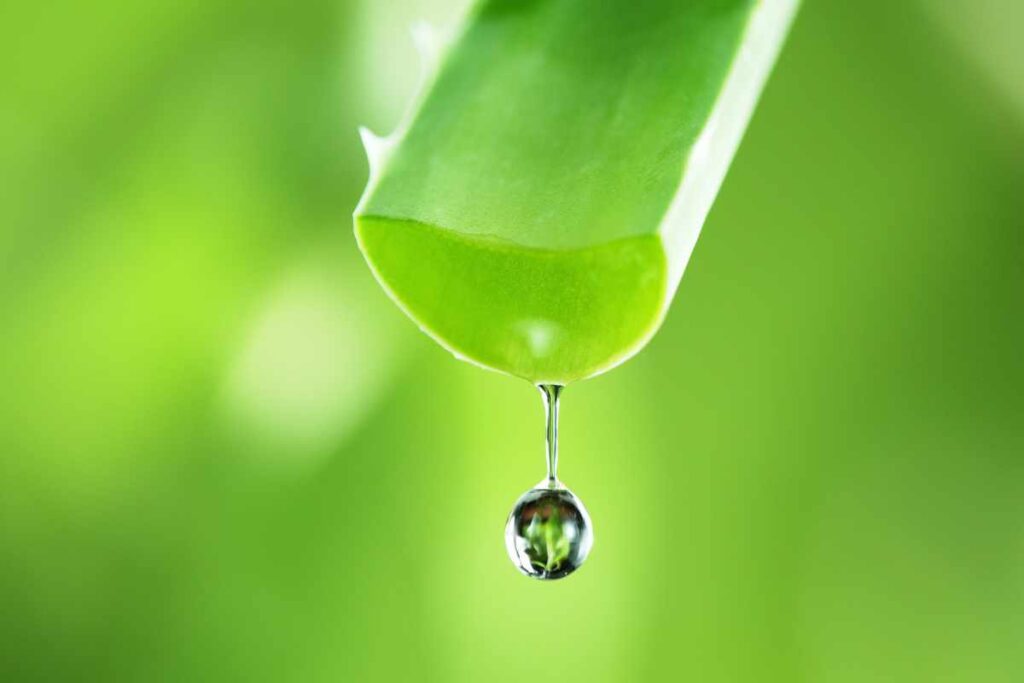
Aloe vera is widely known for its medicinal properties, but can it also serve as a good fertilizer for your plants? Let's explore the benefits and potential drawbacks of using aloe vera as a natural fertilizer.
Aloe vera gel is rich in essential nutrients like vitamins, minerals, and amino acids that can boost plant growth and improve soil health.
This natural fertilizer can enhance root development, increase resilience to pests and diseases, and improve overall plant vitality.
However, it's important to use it correctly, as over-application can lead to nutrient imbalances. Additionally, sourcing fresh aloe vera can be labor-intensive, and not all plants may respond equally to its properties.
Nutrient-Rich Composition
Aloe vera is packed with essential nutrients, including vitamins, enzymes, amino acids, and minerals. These nutrients can benefit plant growth by:
- Enhancing root development
- Improving soil quality
- Boosting plant immunity
The presence of auxins and gibberellins in aloe vera also promotes cell growth and reduces stress in plants.
Using Aloe Vera Gel
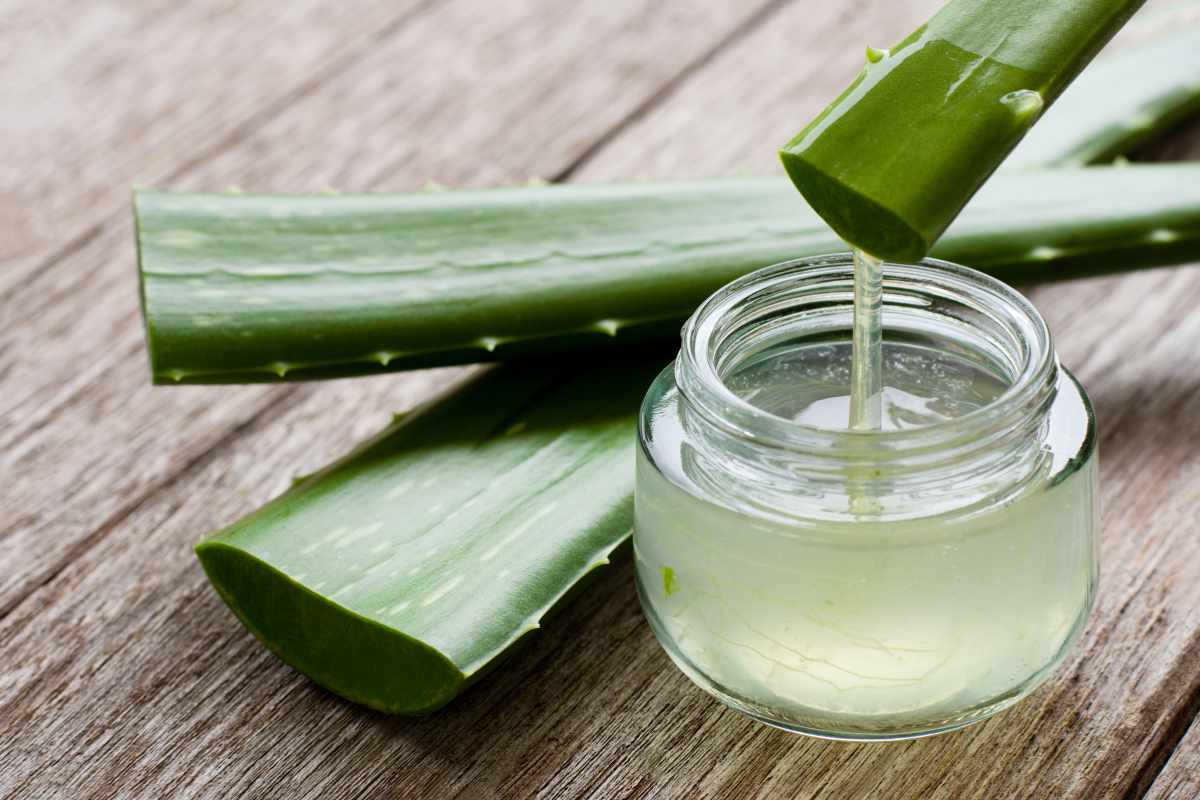
To use aloe vera as a fertilizer, you can extract the gel from its leaves. Here's a simple method:
- Cut a mature aloe vera leaf.
- Extract the gel using a spoon or knife.
- Dilute the gel with water (1 part gel to 10 parts water).
- Apply the solution directly to the soil or as a foliar spray.
This diluted aloe vera solution can provide your plants with a quick nutrient boost.
Aloe Vera as a Soil Conditioner
In addition to being a fertilizer, aloe vera can act as a soil conditioner. Its natural enzymes help break down organic matter, improving soil structure and enhancing nutrient availability.
This can be particularly beneficial for compacted or nutrient-poor soils.
Pest and Disease Resistance
Aloe vera contains natural antiseptic and antifungal properties that can help protect your plants from pests and diseases.
Using aloe vera as a fertilizer can strengthen your plants’ natural defenses, making them more resilient to common garden problems.
Considerations and Limitations
While aloe vera offers many benefits, there are some considerations to keep in mind:
- Cost and Availability: Regularly using aloe vera as a fertilizer can be costly, especially if you don't have your own plants.
- Overuse: Excessive use of aloe vera can lead to nutrient imbalances. Always dilute the gel appropriately and avoid over-application.
- Specific Plant Needs: Not all plants may respond equally to aloe vera. It’s best to test on a small group of plants before widespread use.
Aloe vera can be a valuable addition to your gardening routine as a natural fertilizer and soil conditioner.
Its nutrient-rich composition and natural pest resistance make it an excellent choice for enhancing plant growth.
However, it's essential to use it judiciously and consider your plants' specific needs. With careful application, aloe vera can help you achieve a healthier, more vibrant garden.
Did you find this post Useful or Inspiring? Save THIS PIN to your GARDENING Board on Pinterest!
Once again, thank you for visiting our website!
We hope you've enjoyed exploring the content we've created for you.
Give yourself the chance to learn, get inspired, and have even more fun, keep browsing...
More Gardening Tips 👇🏼👇🏼