
What is the Difference Between Gardening & Permaculture?

What is Gardening?
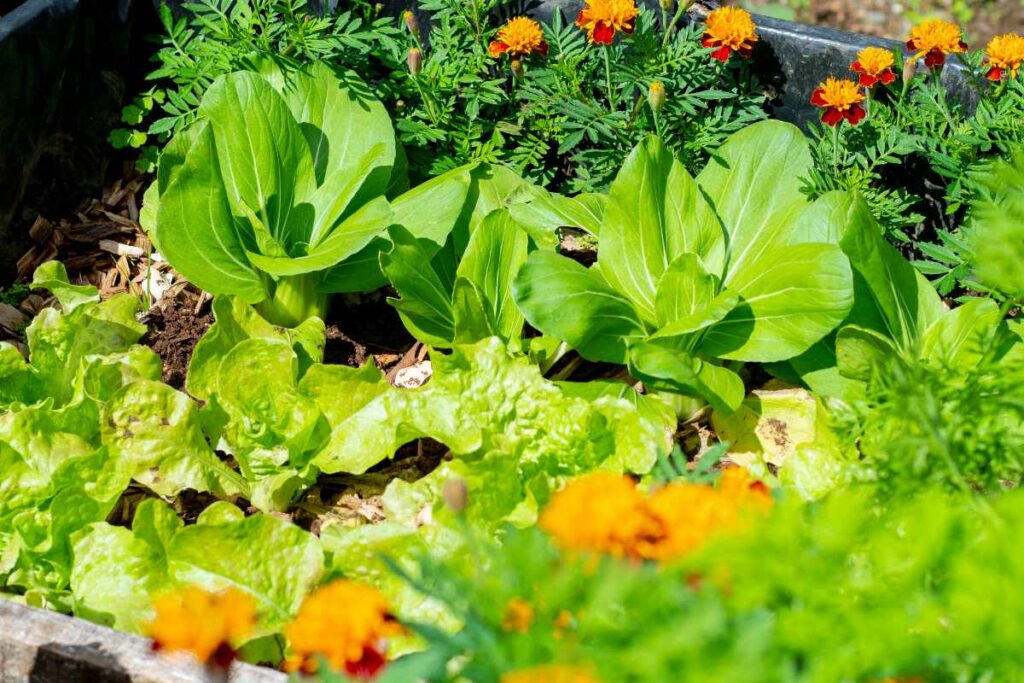
Gardening is all about growing and tending to plants—whether it’s flowers, vegetables, herbs, or decorative plants. It can be done in any space, from small containers to sprawling backyard beds. The focus is often on aesthetics, growing food, or simply enjoying the process.
Characteristics of Gardening
- Flexible Approach: Gardeners have a lot of freedom to choose what they plant, how they care for it, and where it grows, based on personal taste and the conditions of their space.
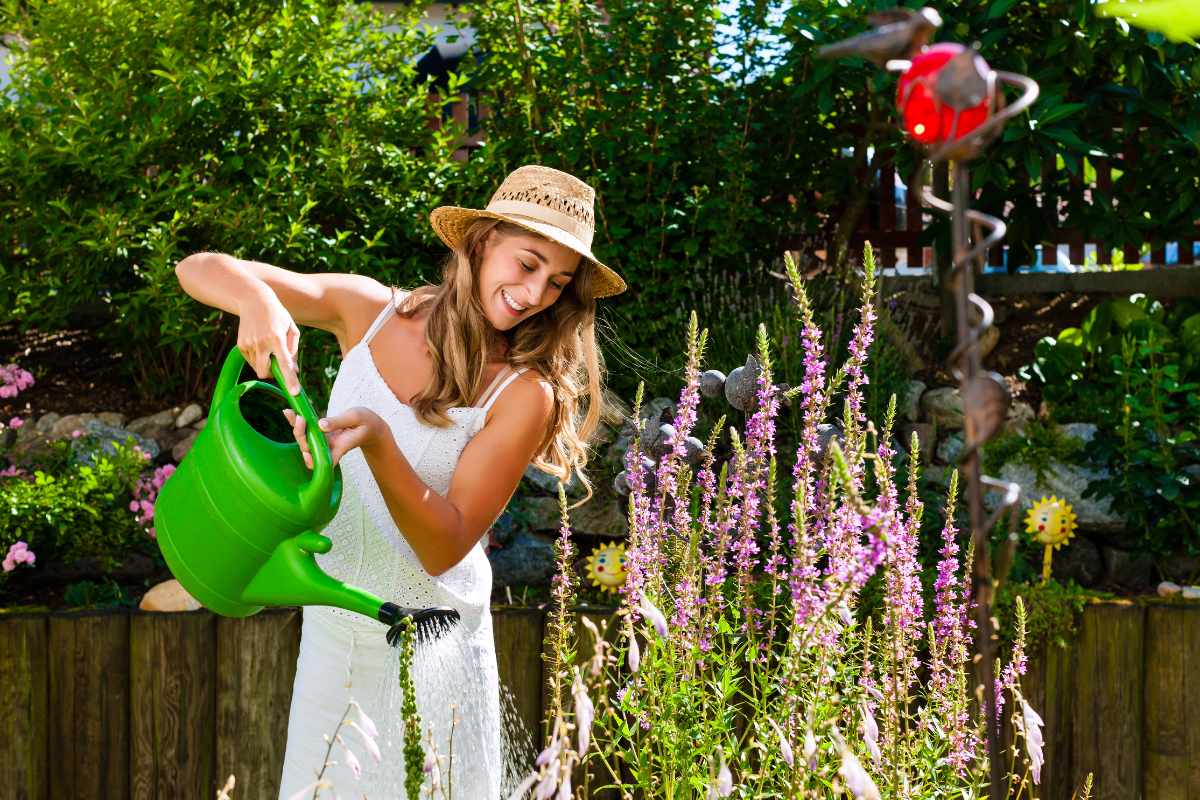
- Ornamental Focus: Many gardeners design their spaces for beauty, filling them with vibrant flowers, shrubs, and other plants that create a visual impact.
- Input-Dependent: Gardening often relies on things like fertilizers, pesticides, and extra water to help plants thrive.
- Seasonal: Gardening activities tend to align with the seasons, with different plants and tasks suited to each time of year.
Types of Gardening
- Vegetable Gardening: Growing your own produce at home.
- Flower Gardening: Cultivating flowers for their beauty.
- Container Gardening: Growing plants in pots or containers, perfect for small spaces.
- Organic Gardening: Avoiding synthetic chemicals and focusing on natural methods for pest control and soil health.
What is Permaculture?
Permaculture goes beyond traditional gardening. It’s a philosophy of designing sustainable, self-sufficient ecosystems that work in harmony with nature. The word itself comes from "permanent" and "agriculture," reflecting its goal of creating systems that are both productive and sustainable long-term.
Principles of Permaculture
- Earth Care: Protecting and regenerating natural ecosystems while reducing waste and minimizing environmental impact.
- People Care: Meeting human needs in a sustainable way, often through community-focused efforts.
- Fair Share: Recognizing that resources are finite and should be used wisely, reducing consumption and waste.
Characteristics of Permaculture
- Holistic Design: Permaculture isn’t just about plants—it’s about designing whole ecosystems that include animals, water, energy, and human activity.
- Sustainability: Unlike traditional gardening, permaculture focuses on minimizing external inputs and creating systems that can sustain themselves naturally.
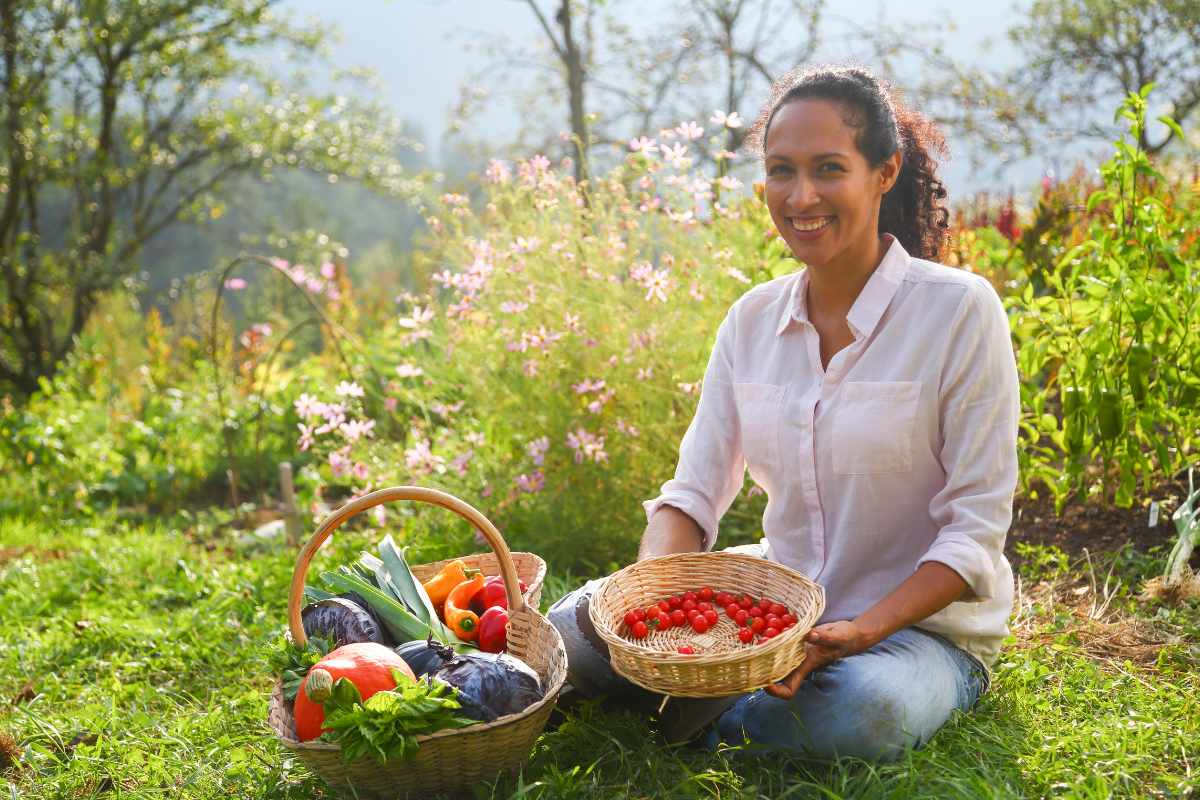
- Diversity: A permaculture garden typically includes a wide variety of plants—trees, shrubs, groundcovers, and more—that all work together in a balanced ecosystem.
- Ethical Foundation: Permaculture is grounded in sustainability, equity, and taking care of the earth.
Examples of Permaculture Practices
- Forest Gardens: Mimicking natural forests, these gardens include layers of plants that function together, from tall trees to ground-level herbs.
- Swales: Contour trenches that capture water, preventing erosion and improving soil moisture.
- Composting Toilets: Sustainable waste management integrated into the overall homestead design.
Key Differences Between Gardening and Permaculture
While gardening and permaculture both involve growing plants, several key differences set them apart:
1. Philosophy and Goals
- Gardening: Often focuses on aesthetics, personal enjoyment, and the production of food or flowers. It can be seen as a hobby or practical activity.
- Permaculture: Aims to create a sustainable and self-sufficient system that works with nature. It is rooted in ethics and seeks to minimize environmental impact.
2. Approach to Resources
- Gardening: May rely on external inputs like synthetic fertilizers, pesticides, and irrigation systems to maintain plant health.
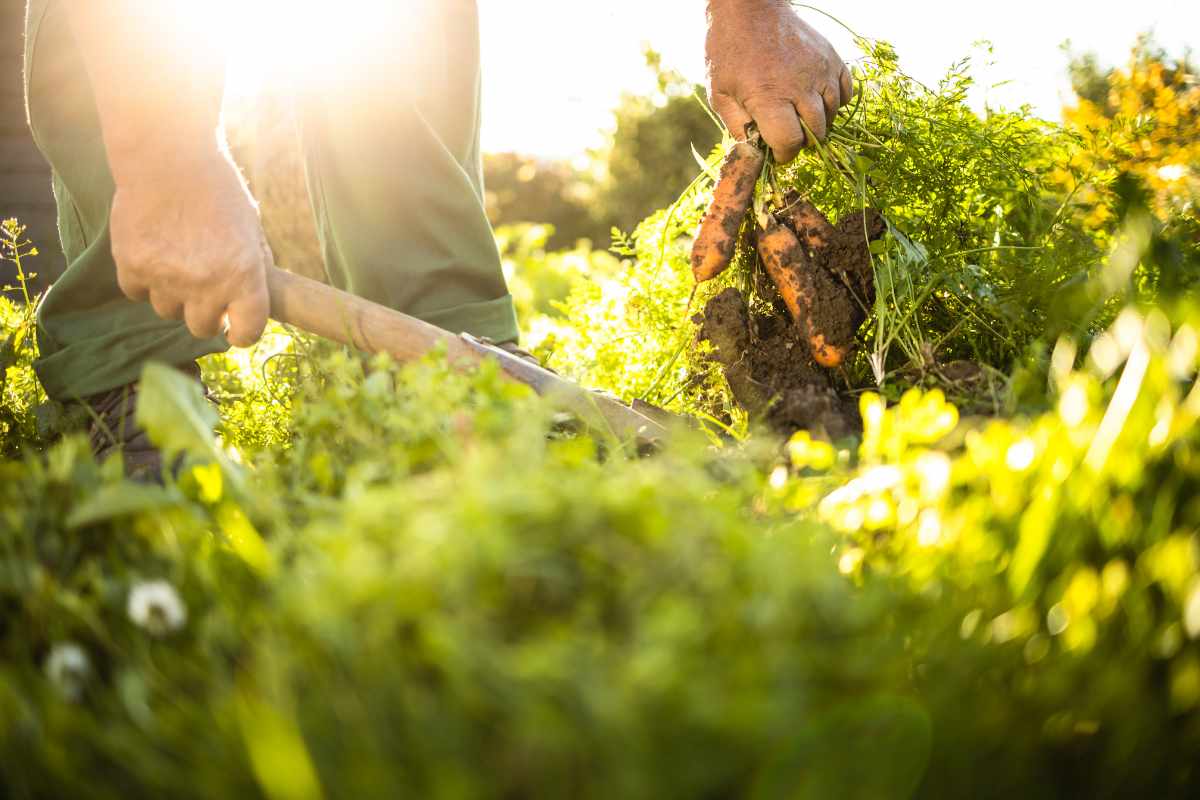
- Permaculture: Focuses on using natural resources wisely, such as rainwater harvesting, composting, and mulching, to create a resilient and low-maintenance system.
3. Design and Planning
- Gardening: Often involves selecting plants based on aesthetic appeal or specific purposes (e.g., growing vegetables).
- Permaculture: Involves a holistic design process that considers the entire ecosystem, including soil, water, climate, and human needs. The goal is to create a balanced, self-sustaining environment.
4. Plant Diversity
- Gardening: This may involve growing a limited range of plants, often focusing on annuals that require replanting each year.
- Permaculture: Emphasizes diversity, including a mix of annuals, perennials, trees, and shrubs that work together to support the ecosystem.
Did you find this post useful or Inspiring? Save THIS PIN to your GARDENING Board on Pinterest!
Once again, thank you for visiting our website!
We hope you've enjoyed exploring the content we've created for you.
Give yourself the chance to learn, get inspired, and have even more fun, keep browsing...
More Gardening Tips 👇🏼👇🏼