
Azaleas Landscaping: A Beautiful and Versatile Choice

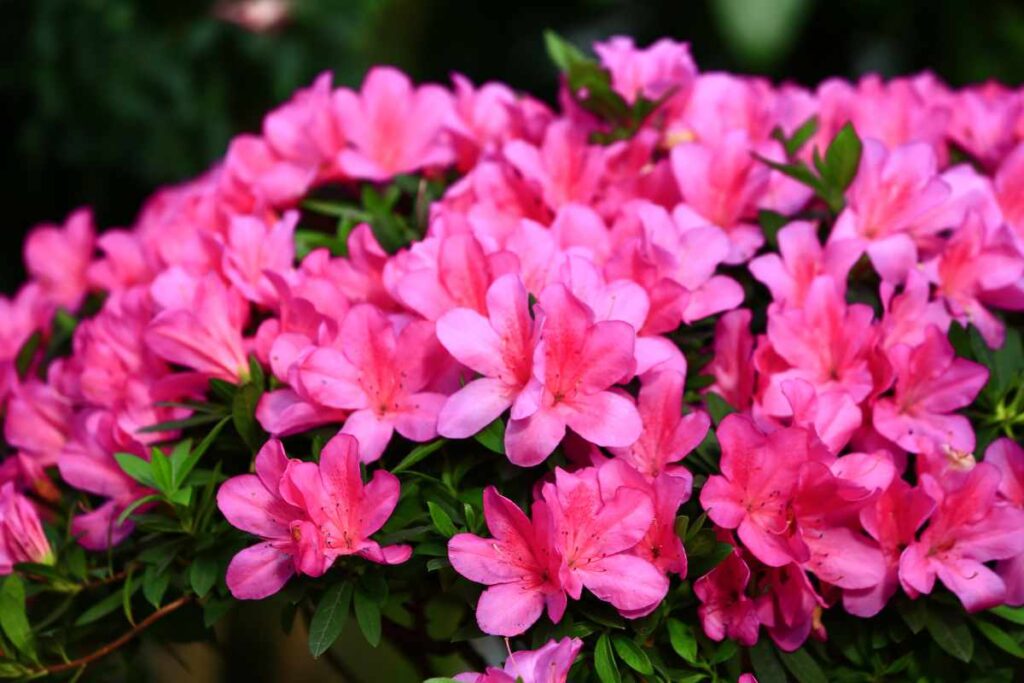
Azaleas have long been a favorite among garden enthusiasts due to their vibrant blooms and adaptability to different environments. Their ability to thrive in various conditions makes them a popular choice for outdoor spaces.
Whether used as a focal point or as part of a broader design, these plants offer unique benefits that contribute to a well-balanced landscape. Learn how to maximize their visual impact with strategic placement and companion planting. With proper care, azaleas can provide year-round beauty and enhance the biodiversity of your garden.
Seasonal Beauty and Visual Appeal
One of the biggest advantages of incorporating azaleas into landscaping is their seasonal charm. In spring, their blossoms provide bursts of color, transforming gardens into lively, picturesque settings. Even when not in bloom, their evergreen varieties maintain a structured and polished look, ensuring that outdoor spaces remain visually appealing throughout the year.
Adaptability to Different Environments
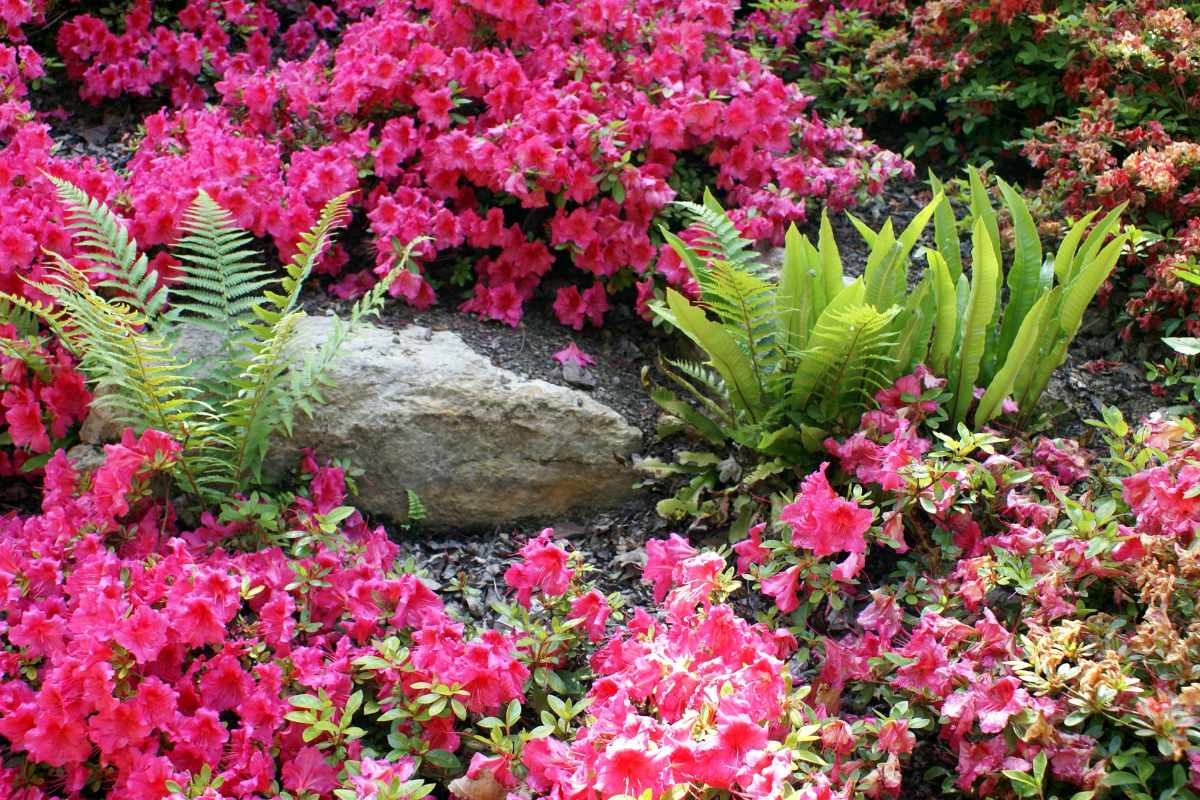
Azaleas can grow in various climates and soil conditions, provided they receive adequate care. They flourish in well-drained soil and partial shade, making them ideal for gardens that feature diverse plant life. Their ability to adjust to different environments means they can be planted as border shrubs, hedges, or standalone features, depending on the desired aesthetic.
Soil and Moisture Considerations
To achieve optimal growth, azaleas require slightly acidic soil with good aeration. Proper drainage is essential, as standing water can lead to root issues. Mulching helps retain moisture and regulate soil temperature, promoting healthy development. Regular watering ensures sustained growth, particularly during dry periods.

Low Maintenance Requirements
Despite their stunning appearance, azaleas are relatively easy to maintain. Once established, they require minimal intervention beyond occasional pruning and fertilization. Their disease resistance and longevity make them an excellent investment for any garden. Occasional trimming keeps them looking neat and prevents overgrowth, ensuring they blend seamlessly with other landscape elements.
Enhancing Garden Biodiversity
These plants are crucial in attracting beneficial wildlife. Bees, butterflies, and other pollinators are drawn to their blossoms, contributing to a healthier ecosystem. By integrating azaleas into landscaping, gardeners support biodiversity while enhancing the natural beauty of their surroundings.
Potential Challenges to Consider
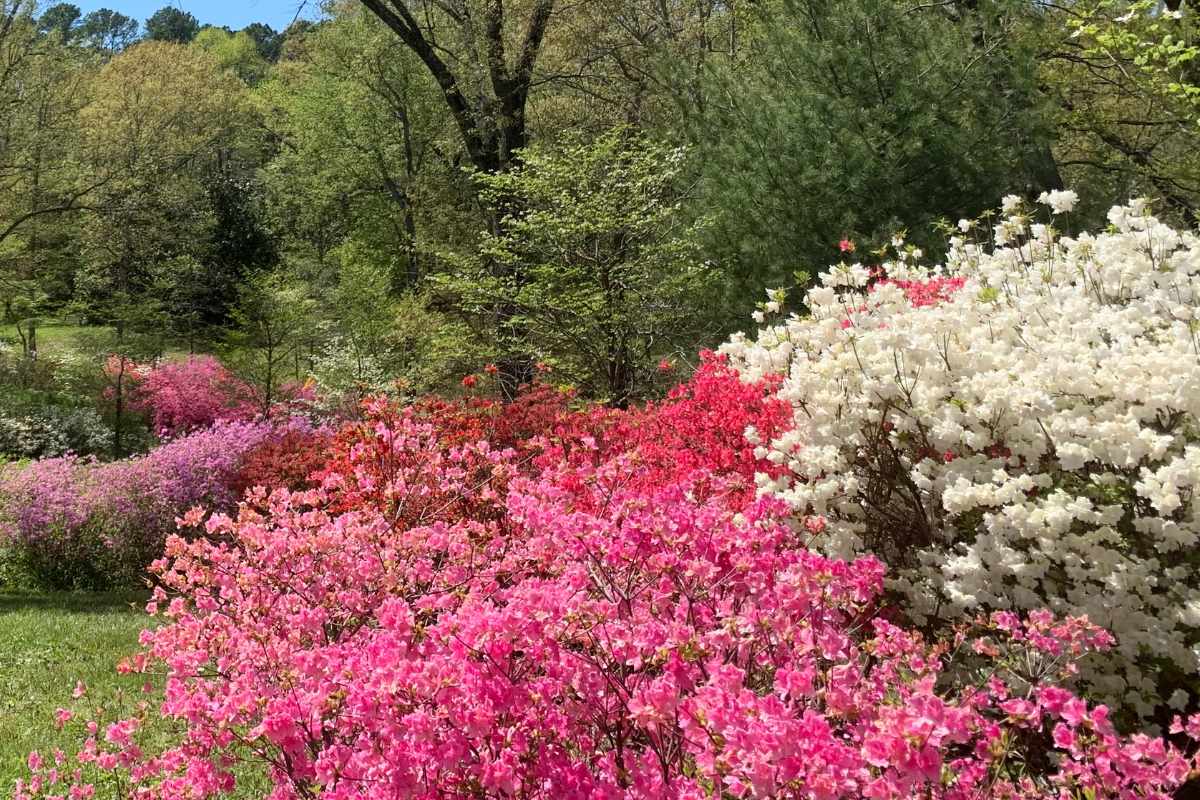
While azaleas offer numerous benefits, they also present some challenges. If not properly maintained, they can be susceptible to pest infestations and fungal diseases. Additionally, certain varieties require specific pH levels, which may necessitate soil amendments. However, with proper care, these issues can be easily managed, allowing gardeners to enjoy their full potential.
Making the Right Choice for Your Landscape
Choosing azaleas for landscaping depends on personal preferences and environmental factors. Whether looking to create a structured hedge, add pops of color, or establish a garden centerpiece, these plants provide a versatile and reliable option. Understanding their needs and growth patterns ensures they remain a thriving part of any outdoor space.
Did you find this post Useful or Inspiring? Save THIS PIN to your GARDENING Board on Pinterest!
More Gardening Tips 👇🏼👇🏼