
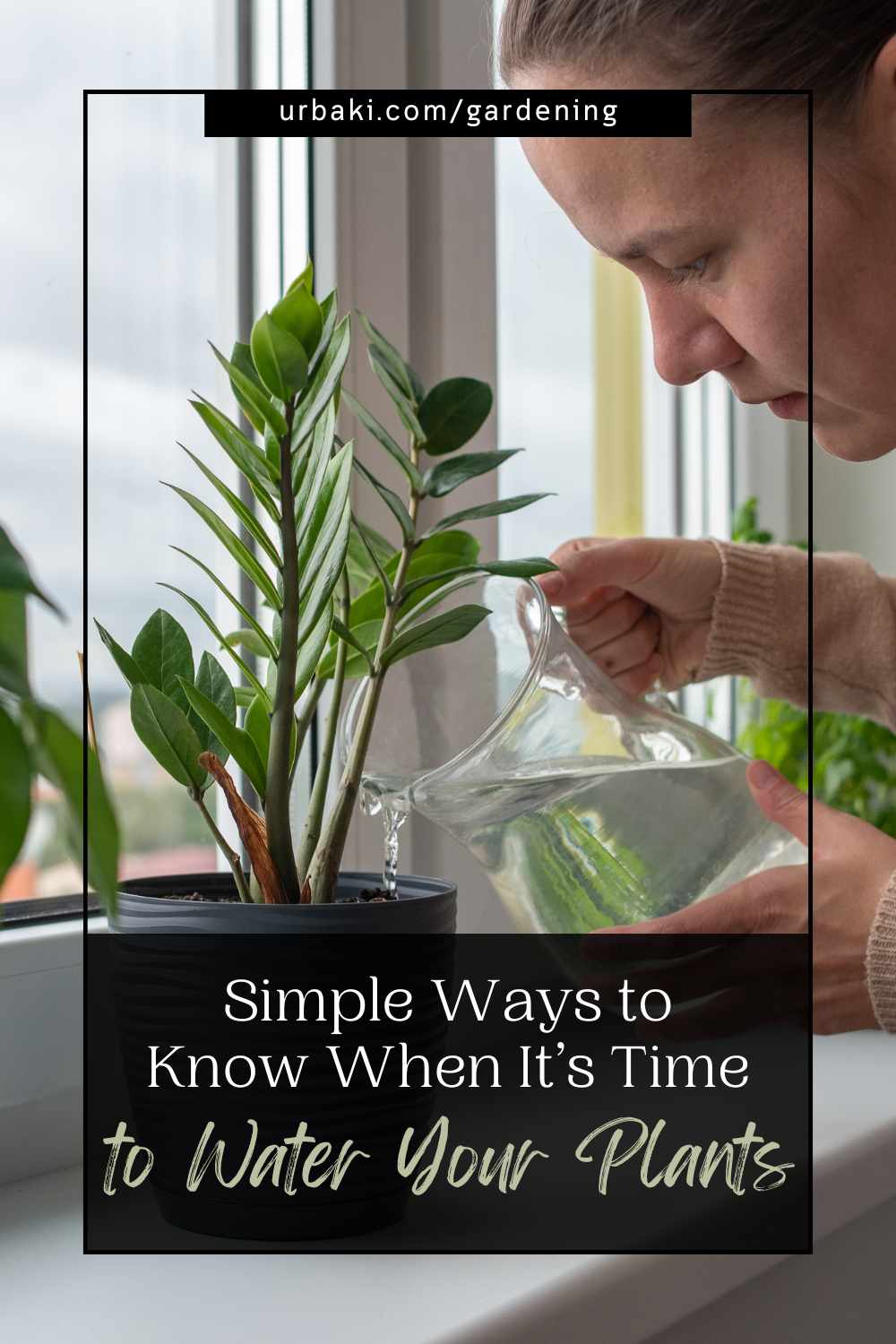
Simple Ways to Know When It’s Time to Water Your Plants

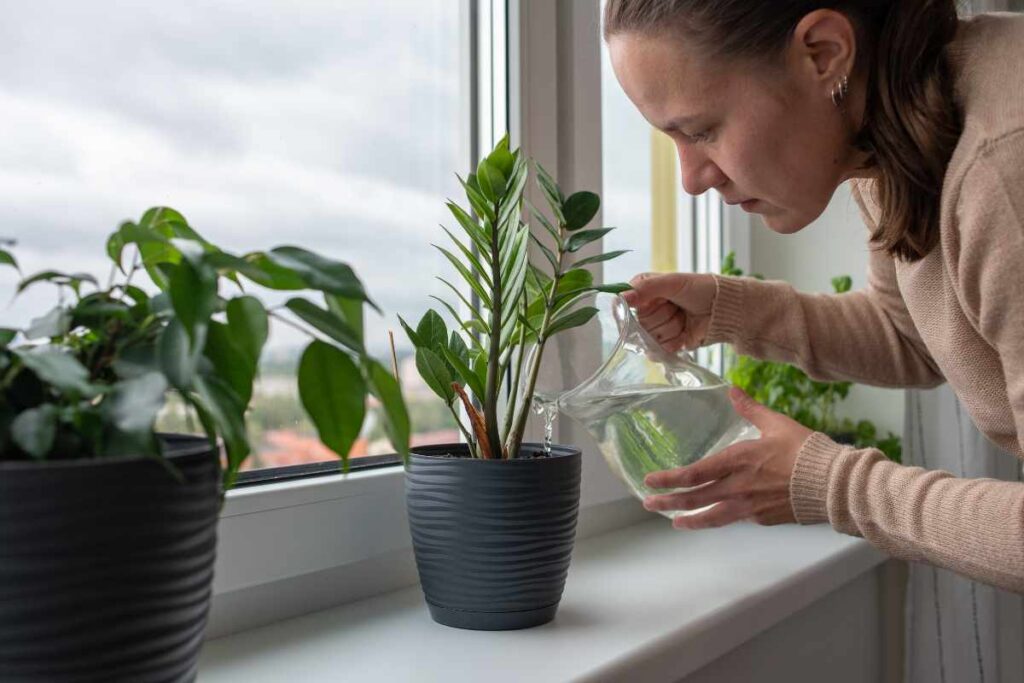
Caring for plants goes beyond simply placing them in sunlight and hoping for the best. One of the most important aspects of plant care is knowing when to water—and it’s not always as obvious as it seems. Both overwatering and underwatering can cause harm, and the key to healthy growth often lies in understanding the condition of the soil itself.
By learning to observe and interpret the signs in the soil, gardeners and plant lovers can provide just the right amount of hydration. Whether you're tending to houseplants, a vegetable bed, or outdoor flowers, developing a sense for soil moisture helps maintain a vibrant and thriving environment.
Observing the Surface Isn’t Enough
At first glance, it might seem logical to judge soil moisture based on its appearance. A dry-looking top layer might suggest your plant is thirsty, but that’s not always the case. Surface dryness can be deceptive, especially in warm rooms or hot weather. Just a few millimeters down, the soil might still be damp enough for the plant’s roots.
Instead of relying solely on what you see, it's better to touch and feel. Gently press your finger about an inch into the soil. If it feels dry at that depth, it may be time to water. If it’s cool or slightly damp, hold off. This simple method works well for most houseplants and many garden beds.
Using Tools for a Clearer Picture
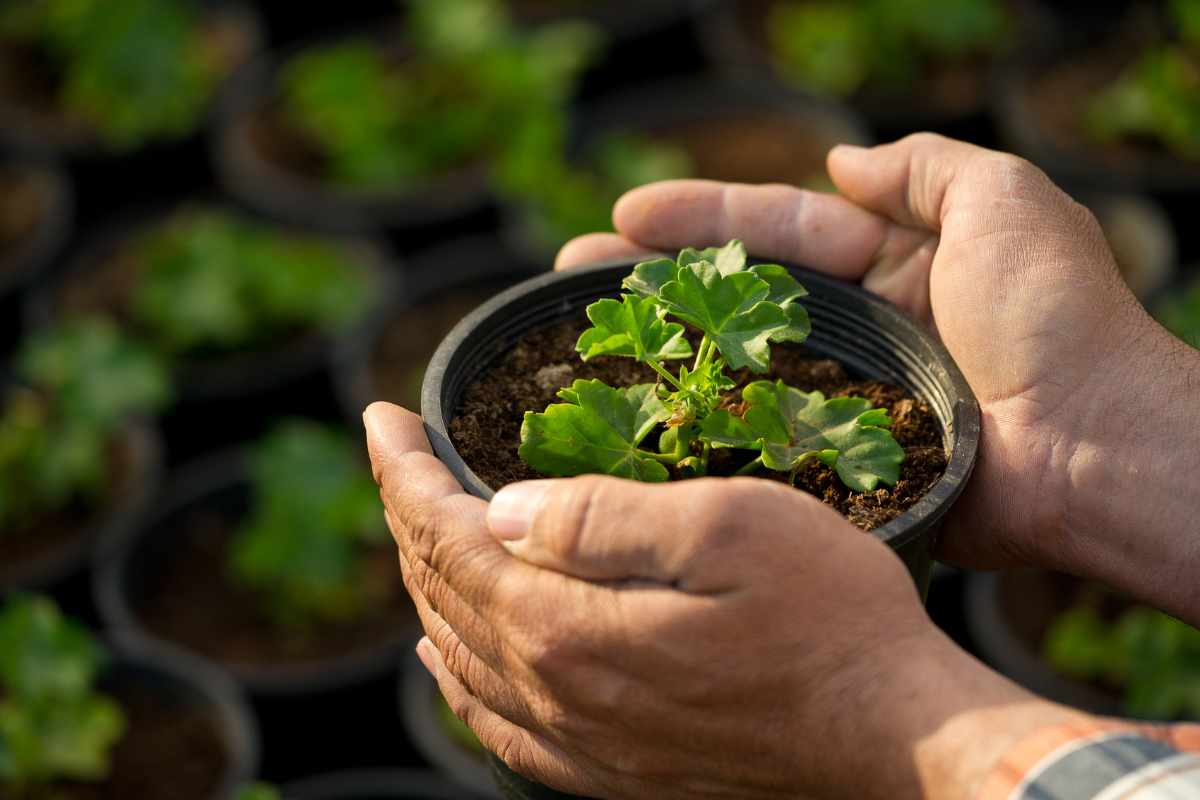
Sometimes, especially with larger pots or deeper beds, it’s hard to know what’s happening below the surface. In these cases, tools can offer a helpful solution. Soil moisture meters, which are widely available and inexpensive, provide a quick reading that shows whether the soil is dry, moist, or wet.
A wooden chopstick or skewer can also work as a DIY solution. Insert it into the soil and leave it for a few minutes. When you pull it out, look for dark patches or dampness on the wood. This method is especially handy for small or medium containers where fingers can’t easily reach.
Watching for Changes in the Plant
Plants are often the best indicators of their own needs. If the leaves begin to droop or curl, or if they feel soft and limp, it may be a sign that the roots aren't receiving enough moisture. On the other hand, if the soil feels wet but the plant shows yellowing leaves or a mushy texture, overwatering may be the culprit.
Leaf condition, stem firmness, and growth patterns can all give subtle clues. A sudden slowdown in growth or dry, crisp leaf edges might point to a lack of water. Paying attention to these signs helps you adjust your watering routine before damage becomes severe.
Considering Plant Type and Environment
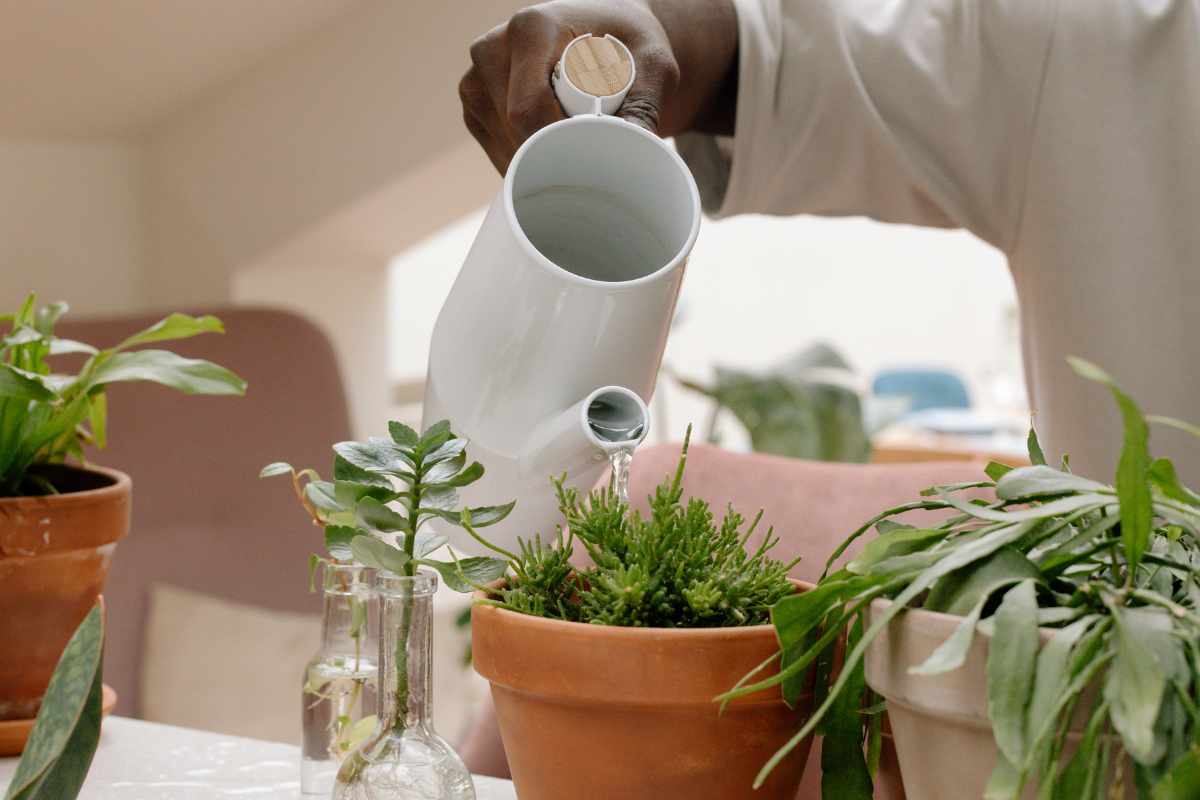
Not all plants require the same watering schedule. Some, like succulents or cacti, prefer dry soil between waterings, while others, such as ferns or tropical houseplants, thrive with consistent moisture. Knowing your plant’s natural habitat gives you a starting point for understanding its ideal soil condition.
The environment also plays a role. Plants in smaller pots, sunny windows, or heated rooms may need more frequent watering than those in shaded or cooler spots. Seasonal changes, too, affect how quickly soil dries. During summer months, you might find yourself checking more often, while in winter, less frequent watering may be needed.
Monitoring Weight and Sound
Another clever method is lifting the pot to check its weight. A well-watered pot feels noticeably heavier than a dry one. Once you get familiar with the typical weight when moist, you can use this as a regular cue. This technique is particularly helpful for hanging baskets or plastic containers that retain or drain water quickly.
You can also tap the side of a pot. A dry pot may sound hollow, while one with moist soil will have a duller tone. Although this method takes some practice, it becomes second nature with time and adds another tool to your gardening instincts.
Preventing Common Watering Mistakes
Overwatering is one of the most frequent mistakes made by new plant owners. Many believe that watering on a strict schedule is the best approach, but plants don’t always follow a calendar. They respond to the moisture around their roots. Sticking to a fixed routine without checking the soil can lead to soggy conditions and poor root health.
Using pots with drainage holes, choosing the right soil mix, and avoiding shallow watering can all help maintain balanced moisture levels. It’s always better to water deeply and less often than to add small amounts frequently, which may only moisten the surface without reaching deeper roots.
Developing a Routine That Adapts
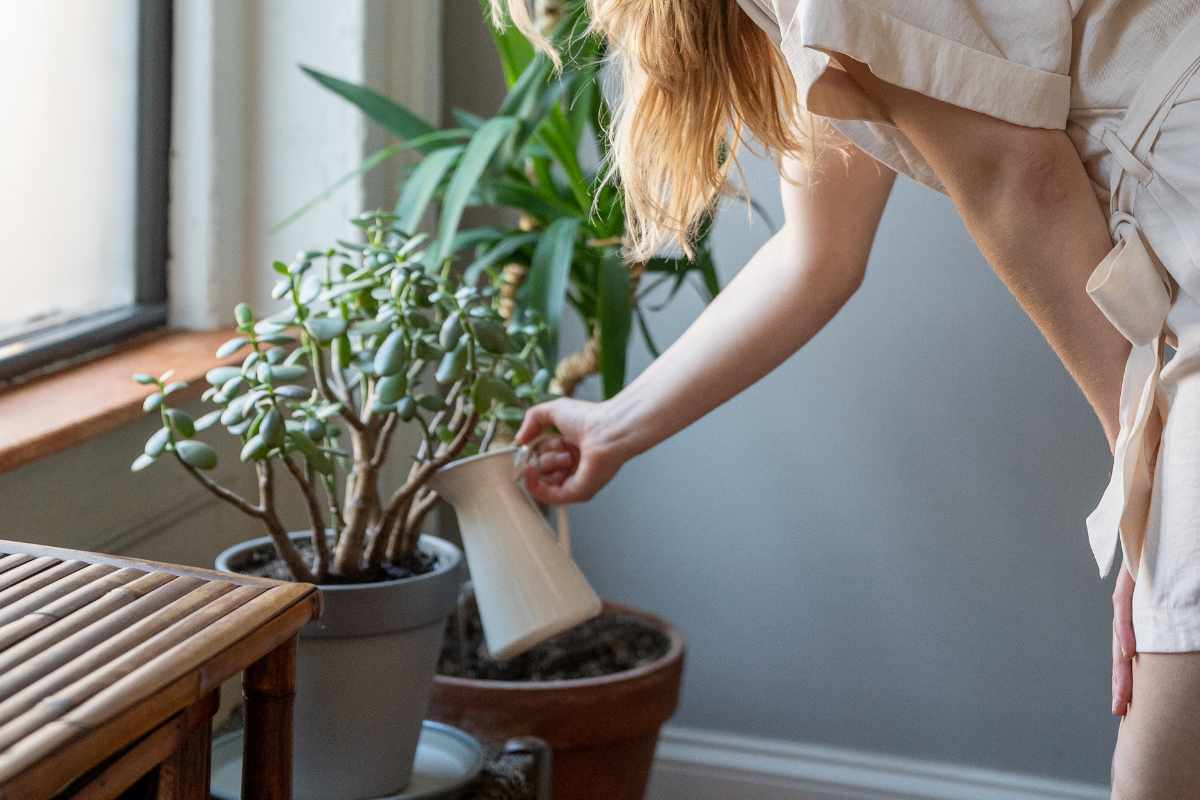
Every plant and environment is different, but with consistent observation and flexible habits, watering becomes more intuitive. Set a time every few days to check on your plants—not necessarily to water them, but just to see how they’re doing. This keeps you tuned in to changes and encourages proactive care.
Once you’ve established this rhythm, your plants will begin to show you what they need. Over time, you’ll become familiar with their unique signals, and checking the soil will become second nature.
Did you find this post useful or inspiring? Save THIS PIN to your GARDEN Board on Pinterest!
More Gardening Tips 👇🏼👇🏼