
Common Jackfruit Tree Pests & Simple Fixes


Jackfruit trees are a valuable addition to many eco-conscious gardens due to their high yield and adaptability. However, like many fruit-bearing trees, they’re not immune to pest problems.
If you're trying to grow healthy jackfruits, it's important to understand the threats that can interfere with the tree’s growth and fruit production.
Knowing the most common pests and how to manage them naturally is essential for maintaining a thriving and sustainable garden.
Understanding the Pest Problem
Jackfruit trees, particularly in tropical and subtropical climates, attract a variety of insects. Some pests directly attack the fruit, while others harm the leaves, roots, or trunk.
If not controlled, infestations can lead to reduced fruit quality, stunted growth, and even tree decline. Regular observation, early identification, and gentle intervention are key components of effective care.
Fruit Borers and Their Impact
One of the most damaging pests for jackfruit is the fruit borer, a larval insect that lays eggs on young fruits.
Once the larvae hatch, they burrow into the fruit, causing internal damage that often goes unnoticed until it's too late.
Infected fruits become soft, discolored, and may fall prematurely.
To reduce their impact, it’s helpful to keep the base of the tree clean and avoid letting fruits over-ripen on the branches.
Removing and disposing of infested fruits early is one of the simplest and most effective steps.
Additionally, introducing natural predators like parasitic wasps can help keep the borer population in check without harming the tree or the environment.
Scale Insects and Their Subtle Invasion
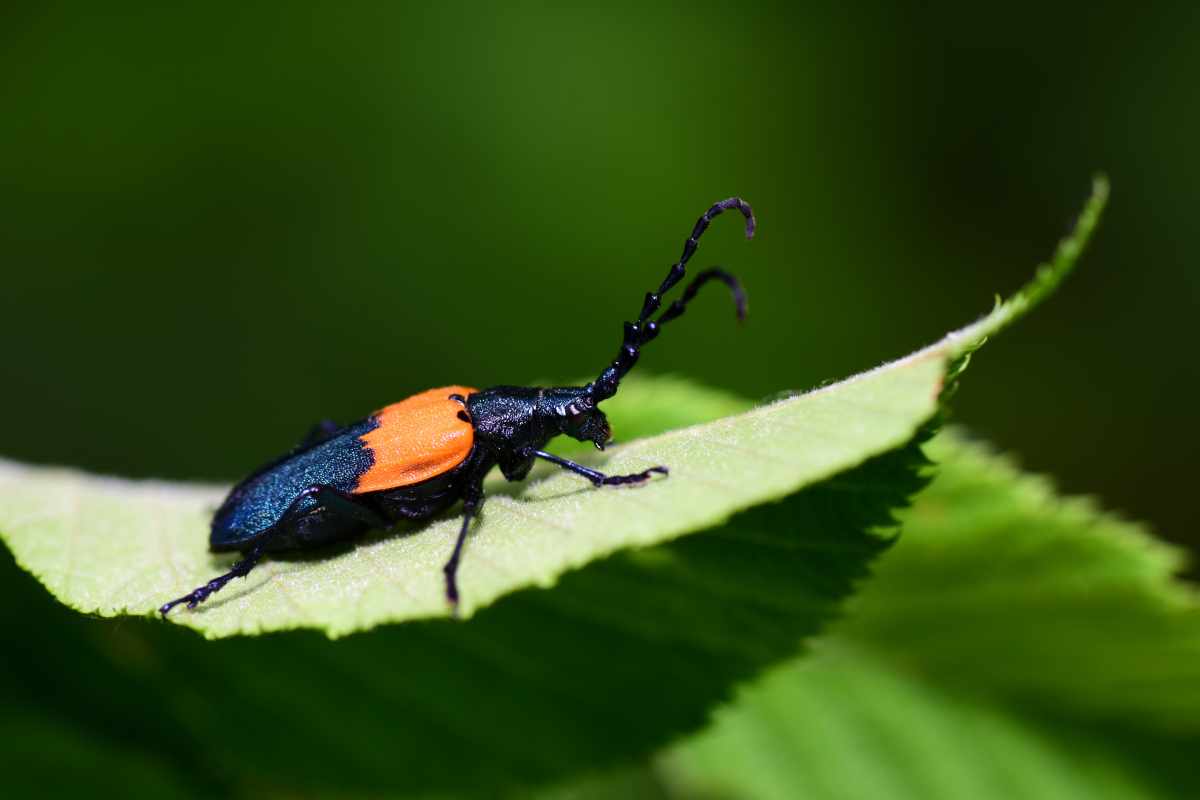
Scale insects are small, immobile bugs that stick to branches and the undersides of leaves. They often look like tiny brown or white bumps.
These pests feed on plant sap and secrete a sticky substance called honeydew, which can encourage the growth of sooty mold—a black fungus that interferes with photosynthesis.
To manage them, pruning heavily infested branches is a good start. Then, apply neem oil or a mild insecticidal soap directly to the affected areas.
These treatments are gentle on the plant and safe for beneficial insects. Regular application during warm months keeps scale populations under control.
Mealybugs and Their Rapid Spread
Mealybugs are soft-bodied, white insects that thrive in warm, moist environments. They gather in clusters on new shoots and flower buds, feeding on sap and weakening the plant.
Their presence also encourages ant activity, which protects them from predators and makes the infestation worse.
One eco-friendly solution is to spray the bugs off with a strong stream of water. Afterward, use a mixture of water and a few drops of dish soap to disrupt their waxy coating.
Introduce ladybugs or lacewings if possible—they’re natural predators and excellent at keeping populations low.
Leaf Miners and Their Telltale Trails
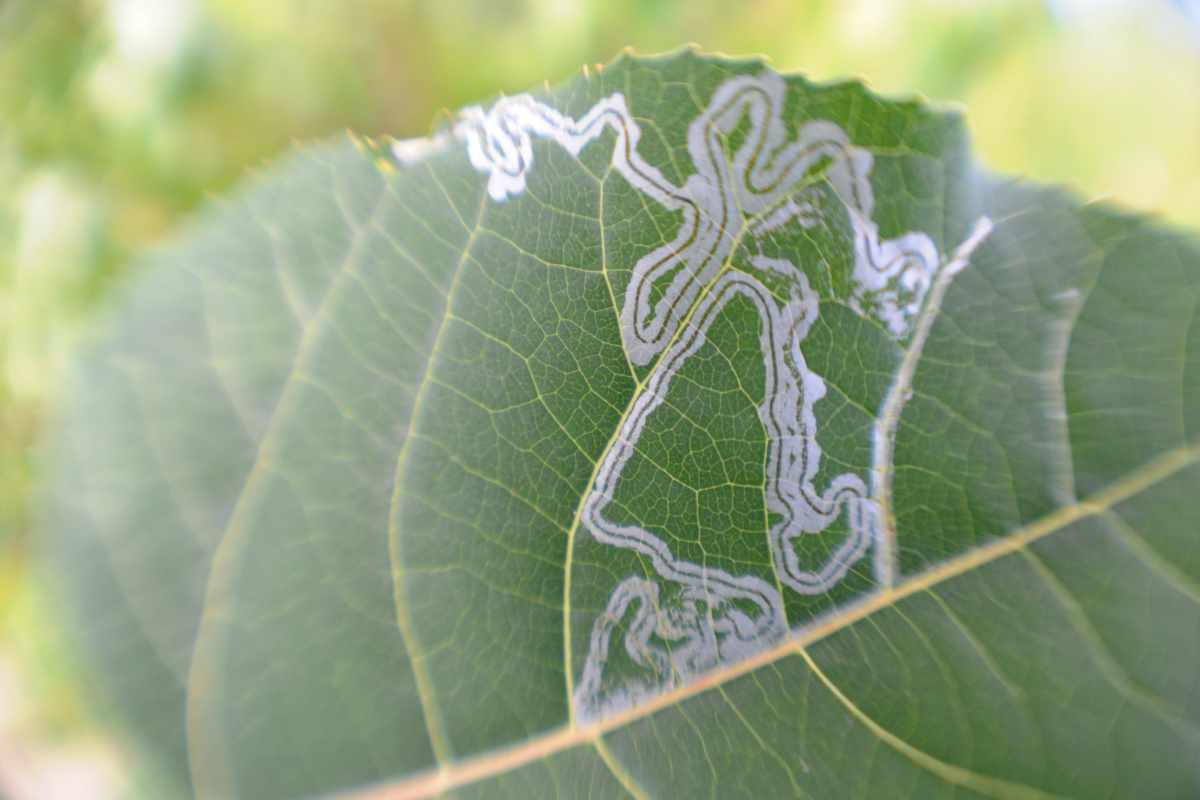
Leaf miners are larvae that live inside jackfruit leaves, creating winding tunnels as they feed. Although they don’t usually kill the tree, they reduce its ability to perform photosynthesis and can weaken younger plants.
Damaged leaves often appear blotchy and discolored.
To manage leaf miners, remove and destroy affected leaves as soon as possible. Encourage birds to visit your garden by setting up feeders or birdbaths—many of them enjoy snacking on these larvae.
Avoid using harsh pesticides, which can kill off the birds and other beneficial predators.
Mites and Their Invisible Damage
Spider mites are tiny, often invisible to the naked eye, but their presence becomes obvious when leaves turn yellow, dry out, or develop a fine webbing.
They prefer dry conditions and can multiply quickly if not addressed.
Boosting humidity around the tree is an effective deterrent. Spraying the undersides of leaves with water regularly keeps mites at bay.
If needed, use a diluted neem oil solution to disrupt their life cycle. Be sure to alternate treatments to avoid pest resistance.
Best Practices for Long-Term Control
While treating existing infestations is important, prevention is even better. Healthy jackfruit trees are naturally more resilient to pests.
Start by choosing disease-resistant varieties whenever available, and make sure the tree is planted in well-drained soil with adequate space and airflow.
Mulching with natural materials helps retain moisture and reduces weeds that attract harmful insects. Keep the area around the tree free from fallen leaves or fruit, which can harbor pests or diseases.
Rotate your pest control methods to avoid building resistance and avoid chemical-heavy treatments whenever possible.
Another powerful technique is companion planting. Basil, marigold, and lemongrass are all known for their pest-repellent properties.
These plants not only help deter insects but also enhance the biodiversity of your garden space.

Monitoring and Gentle Intervention
Regular monitoring is essential. Inspect the tree weekly for signs of infestation. Look under the leaves, at the base of the fruit, and around the bark.
Early detection makes treatment simpler and far more effective.
Rather than reacting harshly, consider each intervention carefully. Many pests are part of the local ecosystem, and the goal isn’t complete eradication but rather balance.
Encourage natural predators, avoid broad-spectrum insecticides, and stay consistent with your garden care routine.
Did you find this post useful or inspiring? Save THIS PIN to your GARDEN Board on Pinterest!
More Gardening Tips 👇🏼👇🏼