
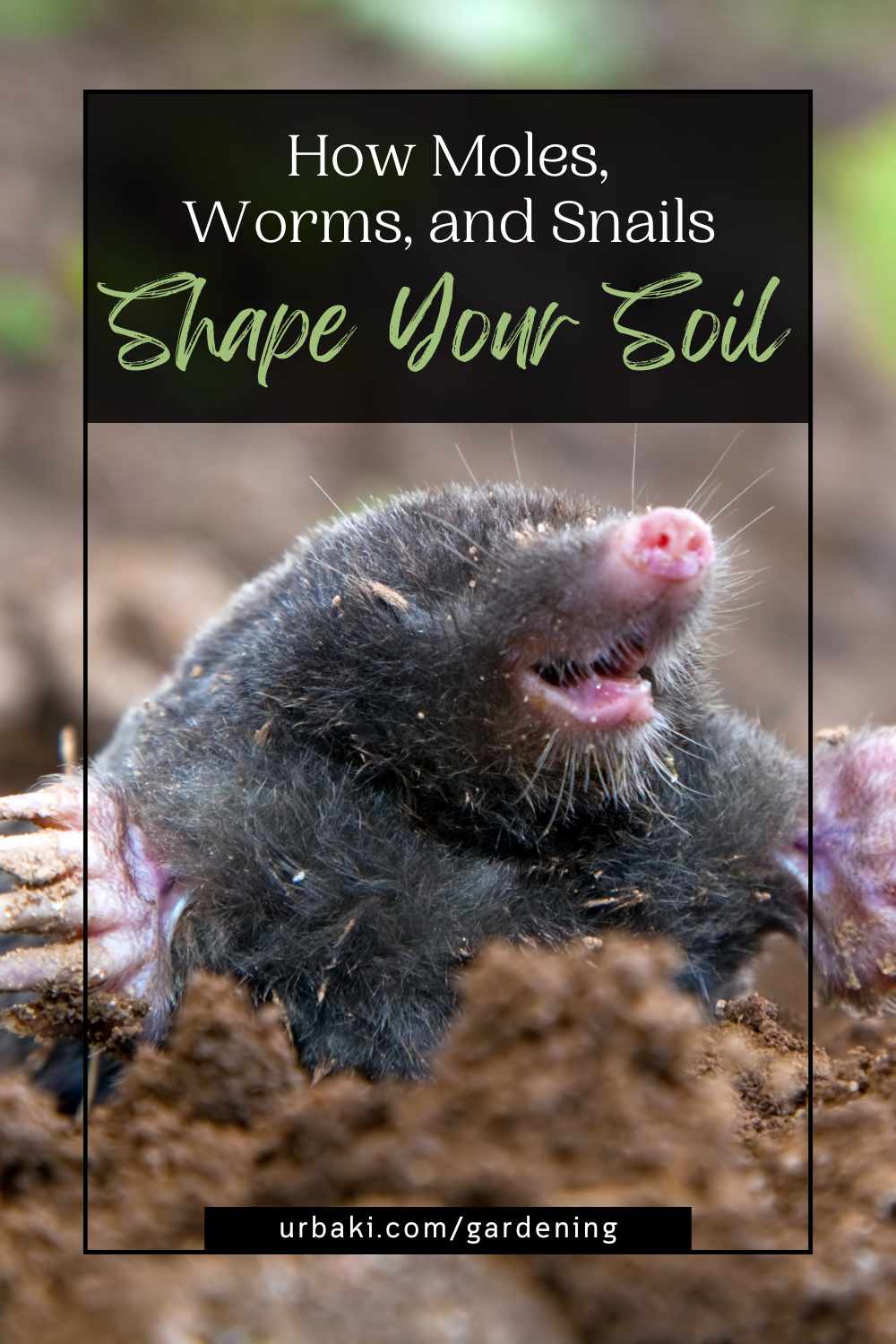
How Moles, Worms, and Snails Shape Your Soil

When we think about a healthy garden, we often focus on sunlight, water, and selecting the right plants. But beneath the surface, there's a fascinating world of activity shaping the very foundation of our green spaces—the soil.
Creatures like moles, earthworms, and snails play crucial roles in soil development and garden vitality, quietly contributing to their environment.
Although they’re not always welcomed with open arms, their presence often tells a deeper story about what’s happening underground.
Moles: The Garden’s Natural Tillers
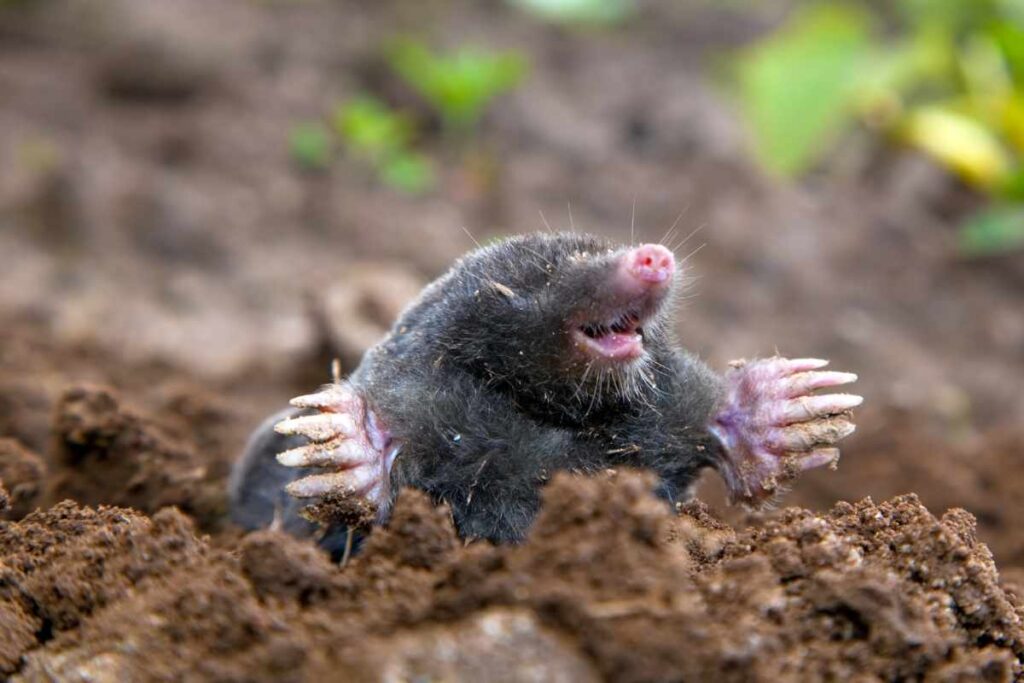
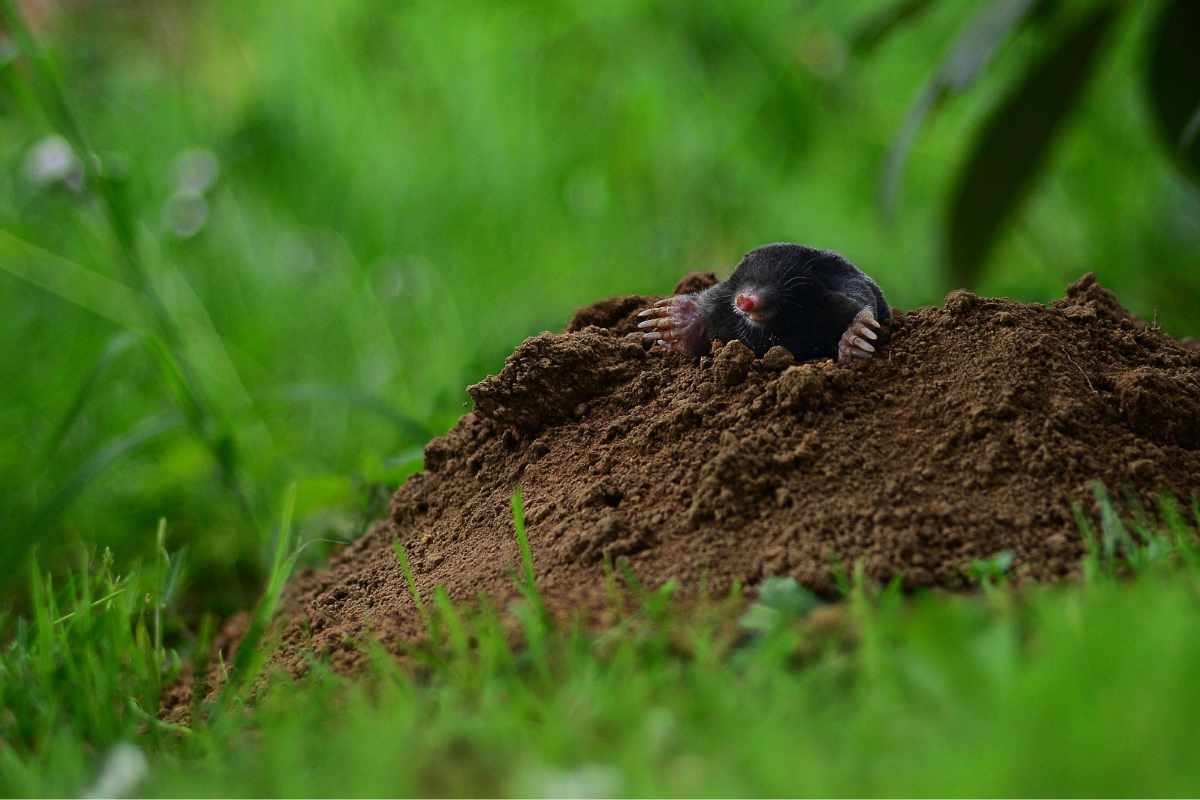
At first glance, moles might seem like a nuisance. Their raised tunnels and sudden mounds can disturb carefully laid lawns or beds. But moles aren’t attacking your plants—they’re after insects, especially grubs and larvae that can damage roots.
As they dig in search of food, they naturally aerate the soil, improving its structure and helping water penetrate more deeply.
Their tunnels break up compacted earth, creating space for roots to breathe and expand. This enhanced root development leads to stronger, more resilient plants.
While their activity may not always align with a gardener’s aesthetic, understanding their function can shift our perspective from frustration to appreciation.
Earthworms: Silent Soil Engineers
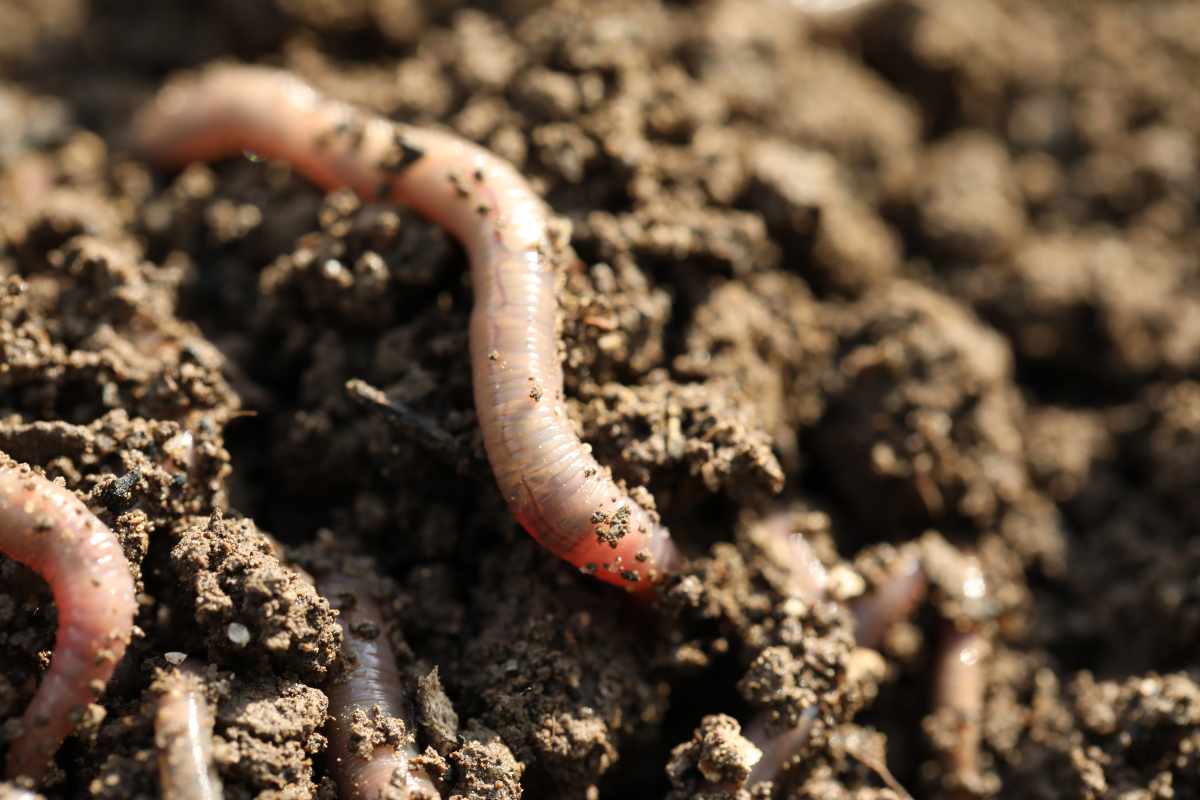
Among underground allies, earthworms are perhaps the most celebrated. Their movements help mix layers of soil, incorporating organic matter like fallen leaves and compost into the deeper zones.
This creates a nutrient-rich environment where plants can thrive.
As earthworms consume organic debris, they produce castings—a byproduct rich in nitrogen, phosphorus, and potassium. These castings serve as a natural fertilizer, improving soil fertility without synthetic chemicals.
Their burrowing also enhances drainage and moisture retention, especially beneficial in heavy or clay soils.
Healthy soil teeming with earthworms often smells rich and feels soft underfoot. It’s a sign that below the surface, there’s a robust cycle of decomposition and renewal keeping the garden ecosystem balanced.
Snails: More Than Just Pests
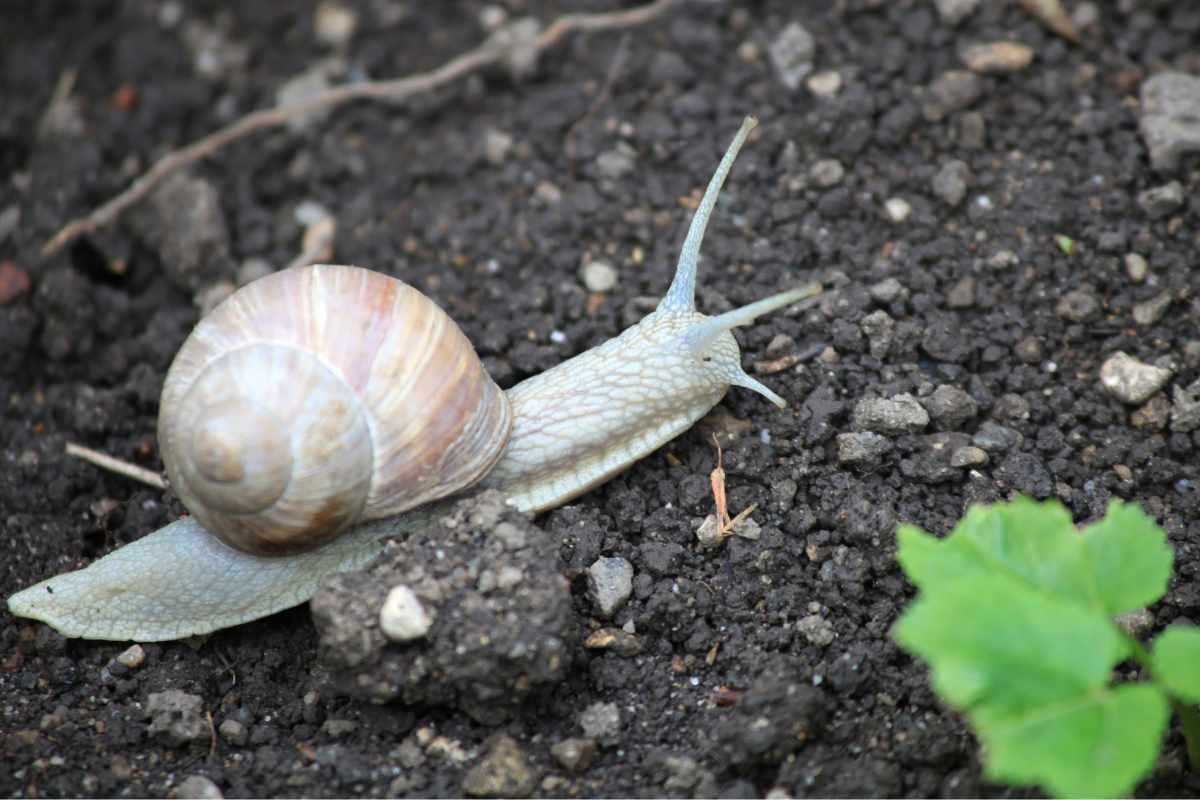
Snails often get a bad reputation in gardening circles. Their appetite for leaves, especially tender seedlings, can be frustrating. But their role in the soil ecosystem deserves a second look. Snails are part of the decomposition crew—they break down decaying plant matter, contributing to the natural recycling process.
By feeding on dead vegetation, snails help clean up debris that would otherwise accumulate on the surface. Their waste adds organic material back into the soil, subtly enriching it over time.
While too many snails can cause visible damage, a small, controlled presence contributes to soil health in ways that aren't always obvious.
Their slow, deliberate movements often go unnoticed, yet they play a part in the continual breakdown and redistribution of nutrients, especially in garden corners that might be overlooked.
Balancing Soil Activity with Garden Needs
While moles, worms, and snails all offer benefits to soil structure and fertility, managing their presence is essential. It’s about balance. Too many moles can make planting difficult.
A worm population that's thriving is rarely a problem, but excessive snail activity may call for intervention, especially when young plants are at risk.
Creating a garden that supports beneficial underground activity while protecting vulnerable vegetation requires a thoughtful approach. Avoiding harsh pesticides and chemical treatments helps preserve the life below the surface.
Encouraging natural predators like birds, toads, and beetles can help maintain a healthy population of soil dwellers without overwhelming your garden beds.
Mulching, rotating crops, and introducing organic matter regularly can create an inviting space for earthworms while also deterring overpopulation of less desirable guests.
The goal is not to eliminate, but to coexist and allow nature to contribute to the soil’s renewal.
Recognizing Soil Quality Through Animal Activity
Observing signs of animal life in your garden can reveal a great deal about soil health. Active worm populations suggest fertile, well-aerated ground. Occasional mole activity can indicate the presence of grubs or a balanced insect population.
Even snails, when seen in moderation, can signal the presence of adequate moisture and decomposing organic matter.
Instead of reacting immediately to their presence, take a moment to evaluate what they might be telling you. Your soil may be richer and more dynamic than you thought. These creatures act as tiny messengers, offering clues about the balance—or imbalance—within your garden.
In some cases, their behavior can help guide your gardening decisions. For example, compacted or poorly draining soil may not support earthworms, while an explosion in snail numbers may point to excessive leaf litter or high humidity.
Supporting a Healthy Underground Network
Just as we care for what grows above the ground, nurturing what lies beneath is essential for long-term success. That means adopting practices that encourage diversity in soil life without causing harm.
Introducing compost, reducing tilling, and planting cover crops during the off-season all contribute to a more stable and resilient garden ecosystem.
Natural systems are complex but efficient. When we work alongside creatures like moles, worms, and snails—rather than trying to remove them entirely—we tap into a cycle that renews itself year after year. Gardens supported by these silent workers often require fewer inputs and provide more consistent results over time.
As the seasons change, keeping an eye on soil conditions and the subtle signs left by underground life can make us more responsive, more intuitive gardeners.
What we see above is only part of the story—the rest is happening quietly beneath our feet.
Did you find this post useful or inspiring? Save THIS PIN to your GARDEN Board on Pinterest!
More Gardening Tips 👇🏼👇🏼