
How to Grow a Healthy Staghorn Fern at Home

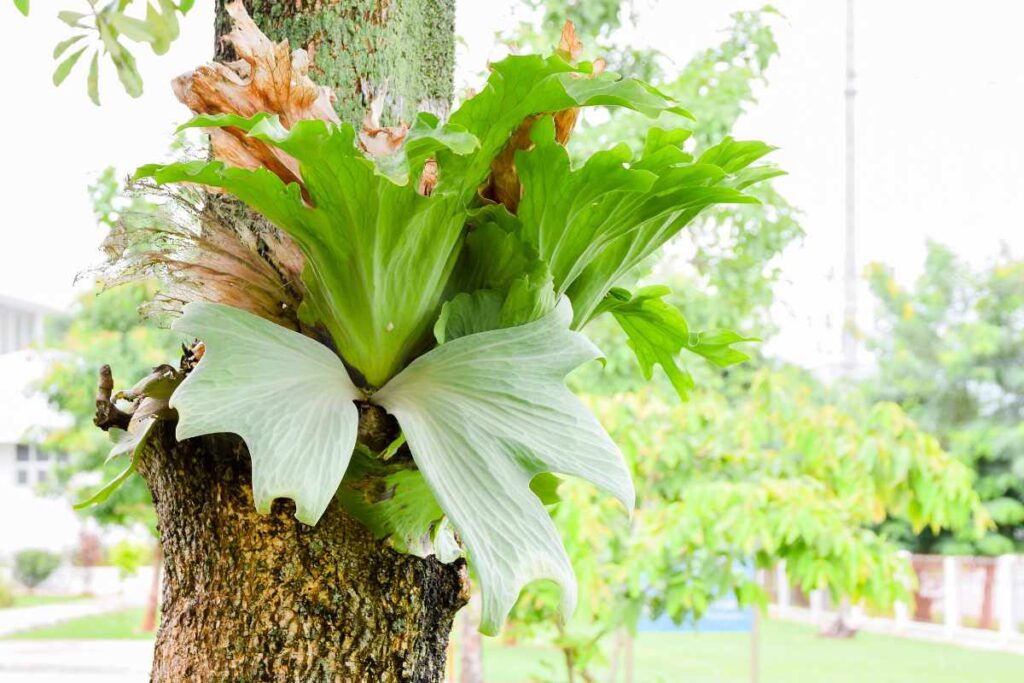
Among the many unique plants you can bring into your home, the staghorn fern stands out with its dramatic shape and otherworldly charm.
With broad, antler-like fronds and a growth habit that defies the usual expectations of houseplants, this epiphytic beauty is both conversation starter and living art.
Growing one at home may seem intimidating at first, but with a few essential tips, you can enjoy a lush, thriving specimen that brings a touch of the forest canopy into your indoor space.
Understanding the Nature of a Staghorn Fern
To grow this plant successfully, it helps to understand its background. Native to tropical and subtropical regions, staghorn ferns naturally grow on trees, not in soil.
They anchor themselves to trunks and branches, drawing moisture and nutrients from the air, rain, and debris around them.
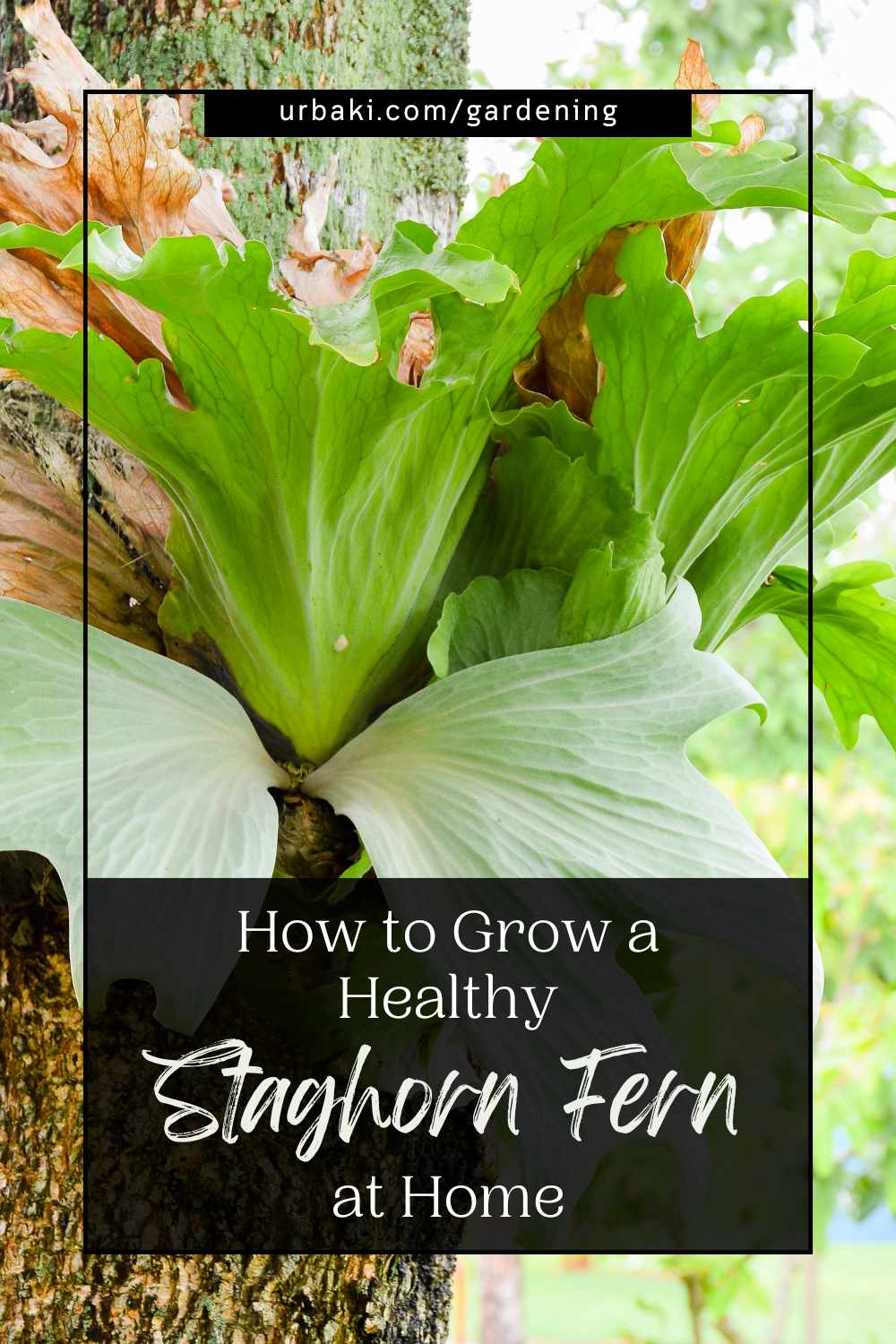
Their two types of fronds—flat shield fronds and upright antler fronds—serve different purposes, each contributing to the plant’s health and overall appearance.
This epiphytic lifestyle means that caring for a staghorn fern is different from traditional potted plants.
It thrives when treated more like an orchid or air plant, benefiting from open air circulation, indirect light, and occasional soaking rather than daily watering.
Finding the Right Spot
Light is one of the most important factors in keeping a staghorn fern healthy. These plants love bright, indirect light, which mimics the filtered sunlight they’d receive under a tree canopy.
A spot near a window with sheer curtains or slightly set back from a bright east- or north-facing window is ideal.
Direct sunlight can scorch the fronds, while low light will slow growth and dull the vibrant green of the plant. If your space has limited natural light, a grow light can be a helpful alternative.
Keep it at a safe distance to avoid overheating the fronds.
Humidity is also important. Since these ferns come from tropical environments, they appreciate a bit more moisture in the air. Bathrooms with windows, kitchens, or areas where you can use a humidifier regularly will keep your plant happier.
Mounting or Potting
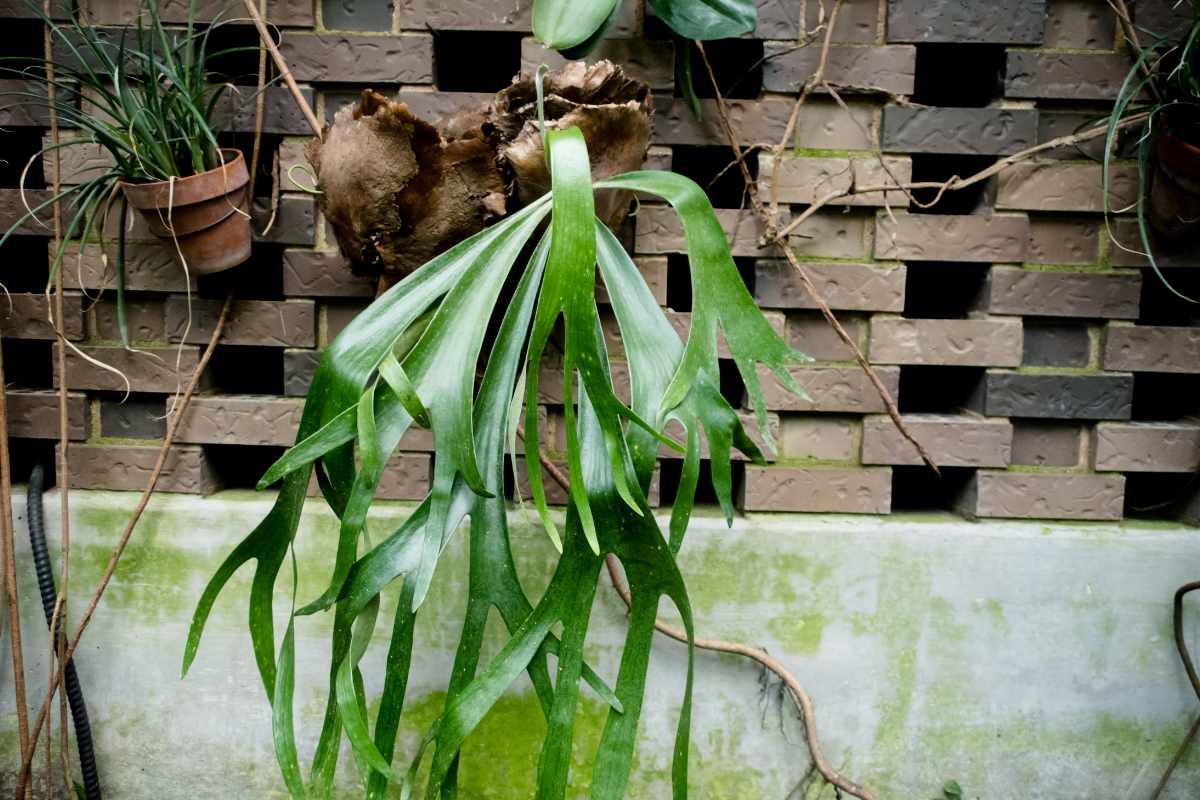
One of the most eye-catching ways to display a staghorn fern is by mounting it on a wooden board, slab of bark, or even inside a wire basket. This style replicates its natural growth and allows air to circulate freely around the roots.
To mount your fern, place a bed of damp sphagnum moss on the board, position the plant with its shield fronds against the moss, and secure it gently with fishing line, garden wire, or fabric strips. Over time, the plant will anchor itself naturally.
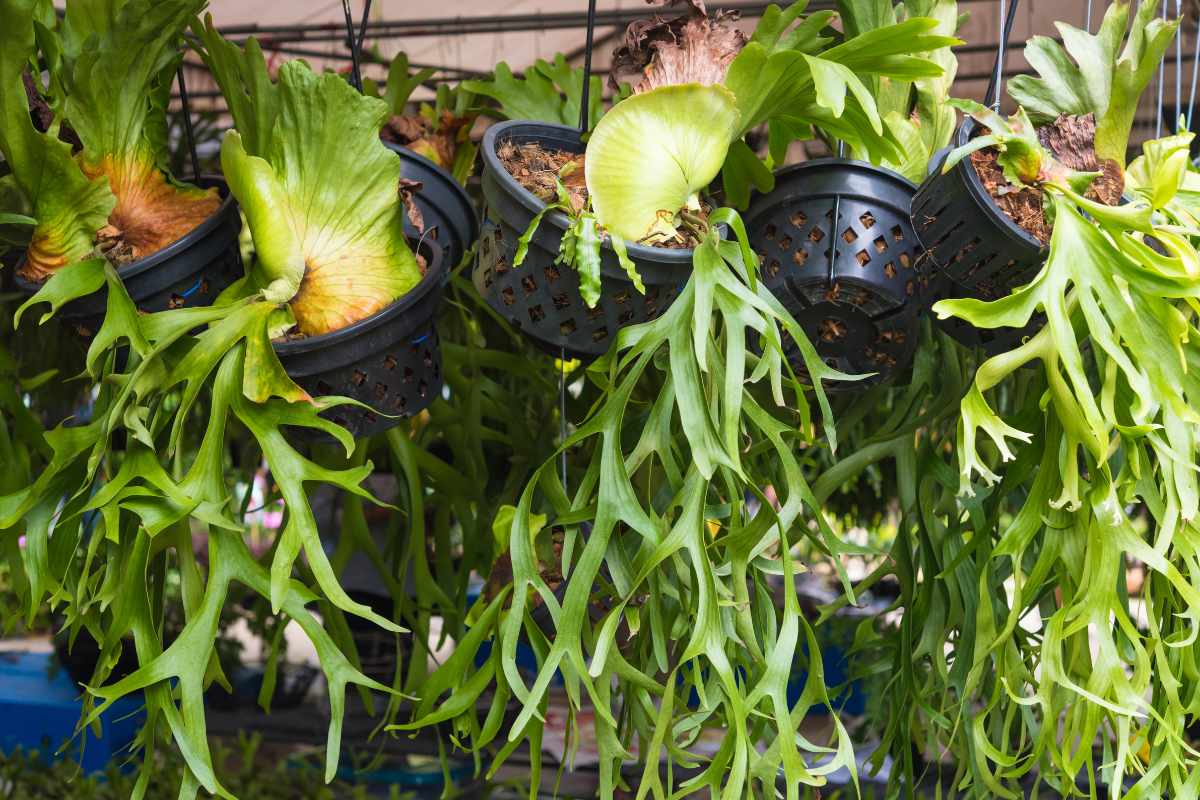
If you prefer not to mount it, a wire or mesh basket filled with a mix of sphagnum moss and bark chips is the next best thing.
Avoid using traditional soil, which retains too much moisture and can lead to rot.
Watering With Care
Watering is where many new plant parents go wrong—but with a little attention, your staghorn fern can thrive. Because the plant doesn’t sit in soil, watering involves soaking the moss base or basket every 1–2 weeks, depending on conditions.
In warmer months or dry climates, more frequent watering may be needed.
To water, simply remove the mount or basket and soak it in a sink or basin for about 15–20 minutes. Let it drain thoroughly before rehanging. You can also mist the fronds between soakings, especially if the humidity in your home is low.
It’s important to avoid letting the base stay wet for too long.
Staghorn ferns dislike being soggy, and excess moisture can cause rot. After watering, make sure the moss has a chance to dry out completely before the next soak.
Feeding for Healthy Growth
Feeding your staghorn fern ensures strong, vibrant fronds and consistent growth. Every 4–6 weeks during the growing season, apply a balanced, water-soluble fertilizer diluted to half strength.
You can either mix it into the soaking water or apply it via a light mist directly on the moss base.
During the cooler months, reduce or skip feeding entirely, as growth naturally slows down.
If you notice browning or pale fronds, that could signal underfeeding, but over-fertilizing can also harm the plant, so moderation is key.
As your fern matures, its shield fronds will brown and harden, which is a normal part of the plant’s life cycle. These fronds protect the root structure and should not be removed.
Keeping It Clean and Well-Maintained
A healthy staghorn fern doesn’t require much pruning, but occasional maintenance helps keep it looking its best. Trim away any dried or broken antler fronds carefully, and gently wipe off dust with a damp cloth or soft brush to keep them clean and vibrant.
As the plant grows, you might need to remount it or provide extra support. Shield fronds can grow over old mounting materials, so it's normal to update the setup every few years.
Take care not to disturb the roots too much during any move or adjustment.
Pests are rare but not impossible. Check regularly for scale or mealybugs, especially around the base and under the fronds.
If you spot any, remove them manually with a cotton swab dipped in rubbing alcohol or use a gentle insecticidal soap if needed.
Enjoying the Unique Beauty
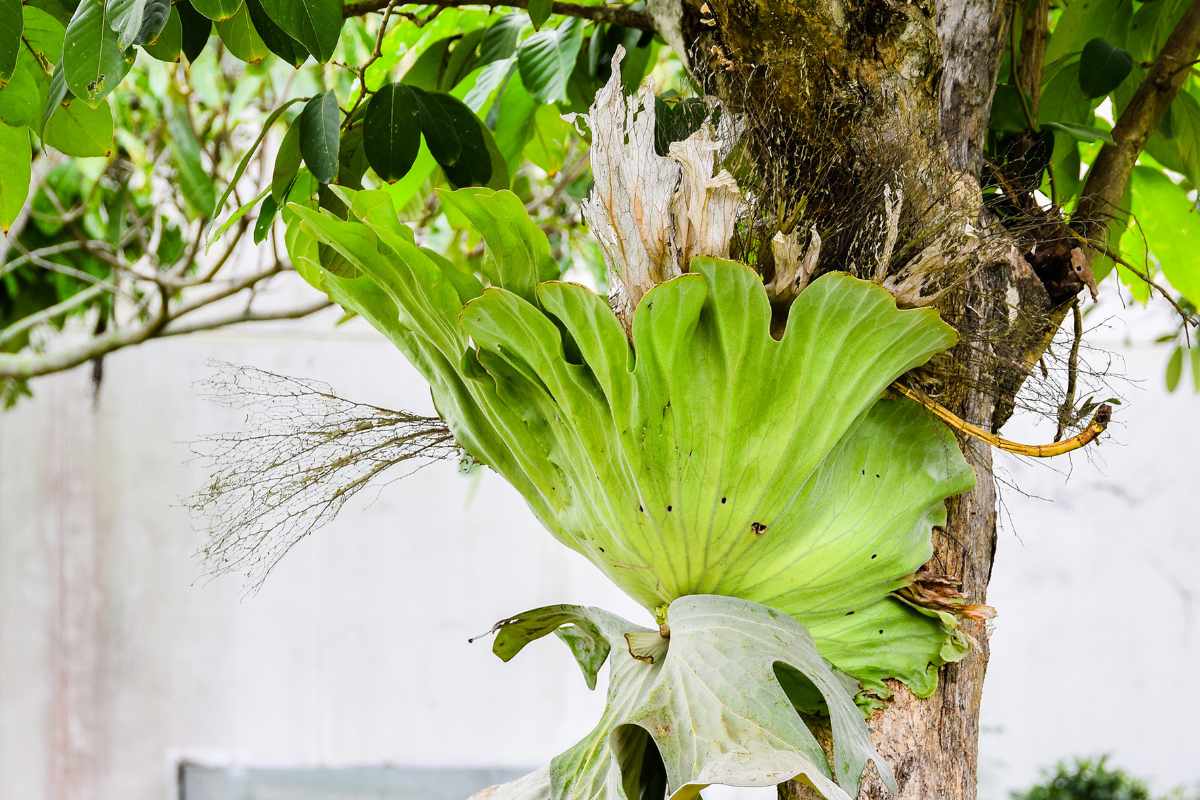
One of the joys of growing a staghorn fern is watching its unusual shape and growth habit develop over time. As it matures, the plant takes on a sculptural quality that adds natural elegance to any room.
Mounted on a piece of driftwood or hung in a basket, it brings a touch of the rainforest indoors and adds texture and dimension to walls, bathrooms, or shaded patios.
Because it’s not the kind of plant you repot or rearrange often, it becomes a steady presence—quietly growing, unfurling new fronds, and rewarding care with an ever-evolving silhouette.
Did you find this post useful or inspiring? Save THIS PIN to your GARDEN Board on Pinterest!
More Gardening Tips 👇🏼👇🏼