
Wallflowers in the Garden: Easy Color for Every Corner

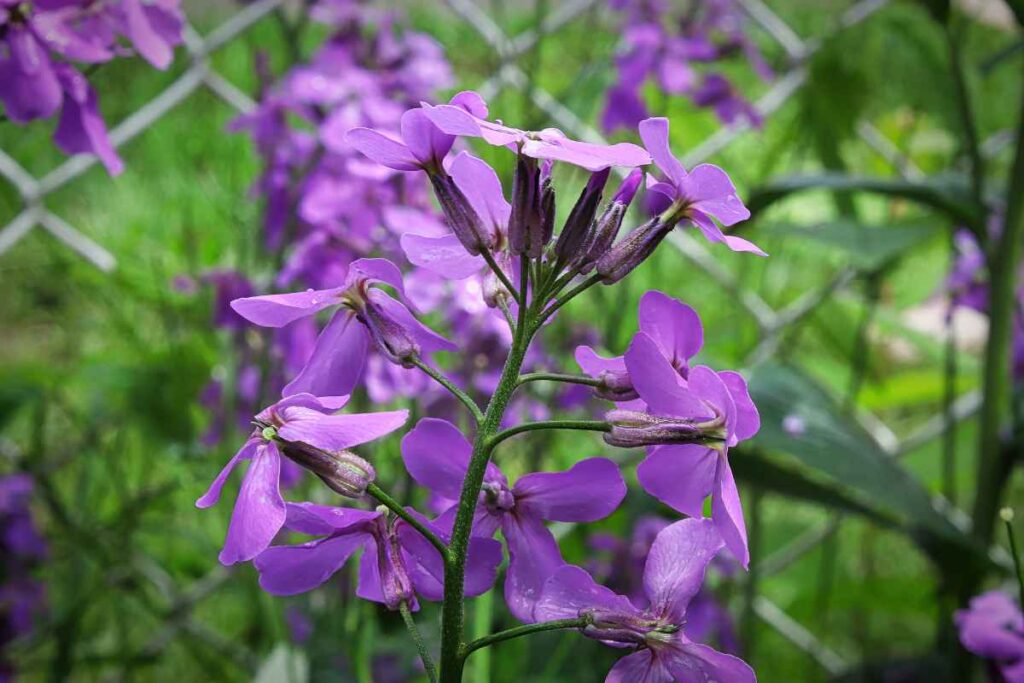
If you’re looking to brighten up bare spots in your garden with minimal effort, wallflowers might be your new best friend.
These humble but charming plants offer a burst of vibrant color, are easy to grow, and thrive in places where other plants struggle.
Whether you’re a beginner gardener or a seasoned green thumb, wallflowers provide long-lasting blooms, pleasant fragrance, and a surprising ability to transform overlooked corners into highlights of your yard.
What Are Wallflowers?
Wallflowers, or Erysimum, are part of the brassicaceae family, which includes cabbage, broccoli, and mustard. Most varieties grown in gardens today are hybrids, bred for their bright colors, compact growth, and floriferous nature.
They get their name from their ability to grow in cracks, walls, and dry, rocky places. In other words, they’re not needy. Wallflowers are known for their:
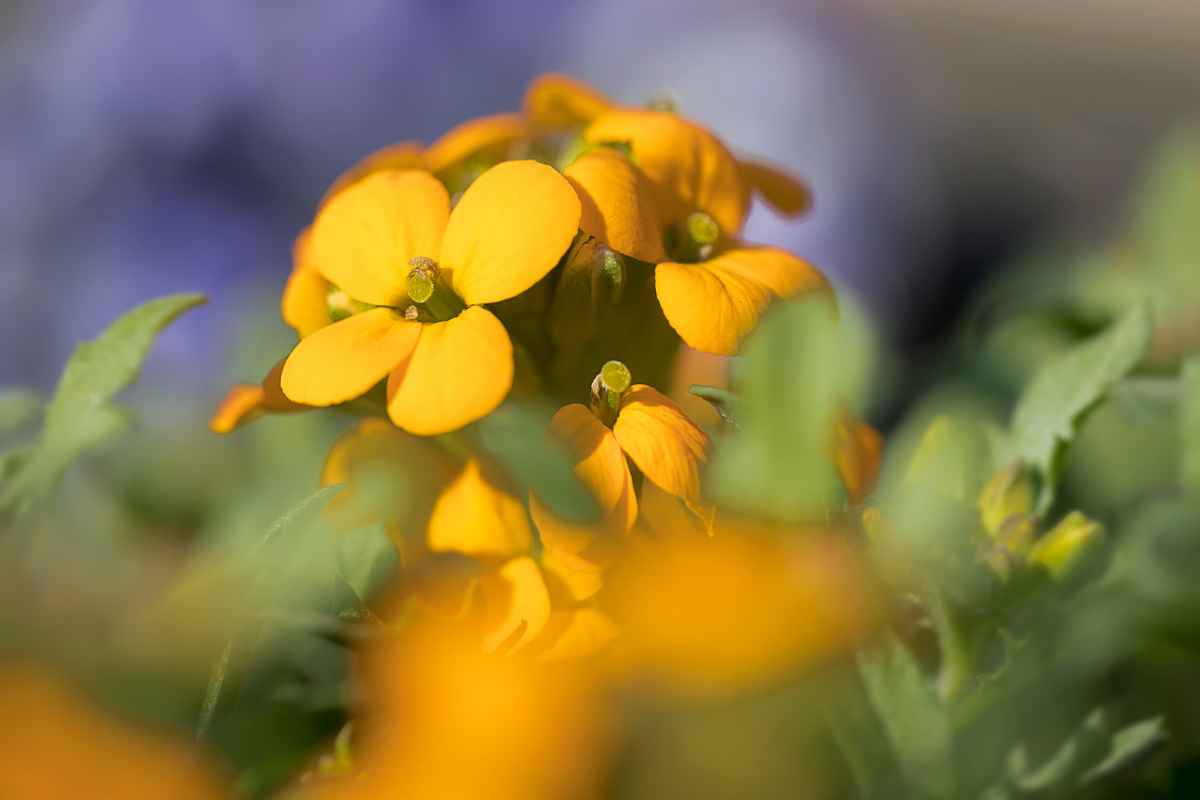
Clusters of small, four-petaled flowers
Spicy, clove-like scent
Variety of colors—from warm yellows and oranges to deep purples and soft pastels

Why Choose Wallflowers?
There are plenty of reasons gardeners keep coming back to wallflowers:
1. Reliable Spring Color
Wallflowers are famous for their early spring blooms, often appearing just as winter ends. In some climates, they’ll start flowering in late winter and continue into early summer.
2. Tough and Resilient
These plants handle poor soil, drought, and wind better than many other flowering plants. They’re perfect for walls, raised beds, edges, and dry garden borders.
3. Pollinator-Friendly
Bees, butterflies, and other pollinators love wallflowers. Planting them is a great way to support local wildlife while making your garden more colorful.
4. Low Maintenance
Wallflowers don’t ask for much. A bit of sun, occasional watering, and light pruning is usually enough to keep them thriving.
Types of Wallflowers to Consider
There are two main types of wallflowers you’ll find in gardens: biennial and perennial.
Biennial Wallflowers (Erysimum cheiri)
These are the traditional wallflowers often found in cottage gardens. You plant them in late summer or early fall, and they bloom the following spring.
Typically grown as annuals or biennials
Come in bold colors: orange, red, gold, purple
Often used in formal flowerbeds and borders
Perennial Wallflowers (Erysimum 'Bowles's Mauve' and hybrids)
These are modern hybrids bred to bloom for months and live for several seasons.
Flowers for an extended period, sometimes from spring to frost
Typically in shades of purple, lilac, or pink
Compact and ideal for containers, rock gardens, and mixed borders
Where to Plant Wallflowers
Wallflowers love sunlight. The more sun they get, the more they bloom. Choose spots with well-drained soil, and don’t worry if the soil isn’t rich—they prefer it that way.
Here are great spots to plant them:
Along paths or driveways for a fragrant welcome
In containers on balconies or patios
Rock gardens where little else will grow
At the front of borders, where their compact size shines
Under taller plants, where they fill in gaps with color
They’re also excellent companions for spring bulbs like tulips and daffodils. Wallflowers bloom around the same time and provide a lush base layer for taller flowers.

How to Grow Wallflowers
From Seed
Growing wallflowers from seed is cost-effective and simple.
Sow seeds outdoors in late summer for biennial types.
Thin seedlings to allow air flow.
Transplant them into beds in early fall, so they’re ready to bloom in spring.
From Cuttings
Perennial varieties are best propagated from softwood cuttings in spring or summer. This ensures new plants are strong and disease-free.
From Nursery Plants
For immediate results, buy young plants or potted wallflowers in early spring or fall. Plant them directly into your chosen spot and water well.
Caring for Wallflowers
Wallflowers are low-fuss, but a little care goes a long way:
Water when the soil is dry, especially in containers.
Deadhead spent blooms to encourage more flowers.
Trim back perennial types in midsummer to keep them tidy and encourage fresh growth.
Replace biennial types each year, as they typically fade after flowering.
Design Ideas Using Wallflowers
Because of their color range and tidy shape, wallflowers are great for design versatility:
Mix with silver foliage like artemisia for a bold contrast.
Combine with tulips in complementary colors for spring drama.
Plant in terracotta pots for a Mediterranean feel.
Use in gravel gardens alongside lavender and thyme.
Their upright growth makes them useful for layering in flower beds, while their scent adds another sensory element to your landscape.
Common Problems and How to Fix Them
Wallflowers are generally healthy, but keep an eye out for:
Clubroot: A soil-borne disease that affects brassicas. Avoid planting in infected soil and improve drainage.
Legginess: Perennials can get tall and scraggly. Cut them back in midsummer to encourage bushiness.
Short lifespan: Perennial types often live only 2–3 years. Take cuttings annually to keep your stock fresh.
Wallflowers bring effortless beauty to any garden, from tight corners to wide borders. They thrive where many plants give up and deliver weeks—even months—of color with little effort on your part. Whether you’re looking to fill a tricky space, add pollinator power, or just enjoy vibrant spring color, wallflowers are a reliable and rewarding choice.
Plant a few, and you’ll see how easy it is to turn underused garden spots into something worth noticing.
Did you find this post useful or inspiring? Save THIS PIN to your GARDEN Board on Pinterest!
More Gardening Tips 👇🏼👇🏼