
Gardeners’ Q&A - Ask Anything, Get Answers

Gardening often begins with a simple idea—grow something beautiful, fresh, or useful. But once you get your hands in the soil, questions inevitably sprout.
Whether you’re planting herbs on a balcony or tending to rows of vegetables in a backyard plot, you're bound to wonder if you’re doing everything right.
The good news is: you're not alone. Every gardener, beginner or advanced, has questions, and most of the answers are easier than you might think.
Let’s explore some of the most frequently asked questions in the gardening world and uncover practical answers that can help your plants thrive.
What Should I Plant in My Garden This Season?
This is one of the most common and important questions to ask at the start of any gardening journey.
The answer depends on a few key things: your location, the season, and how much light your garden receives each day.
If you're planting in early spring, cool-weather crops like lettuce, kale, and peas are great choices. As the days warm up, you can transition into sun-loving options such as tomatoes, zucchini, and cucumbers.
Knowing your hardiness zone helps a lot—it tells you which plants are likely to survive and flourish where you live.
Keep in mind that trial and error play a role. Start small and observe what grows best. Some plants will surprise you with how well they adapt to your garden's conditions.
How Can I Keep Pests Away Without Using Chemicals?
Pest problems can make even the most enthusiastic gardener feel discouraged. But avoiding harsh chemicals is entirely possible, and often better for your garden in the long run.
Start by encouraging beneficial insects like ladybugs and lacewings, which naturally keep pests in check. You can attract them with flowering herbs like dill and yarrow.
Another effective tactic is companion planting—placing plants together that help protect each other. For instance, marigolds deter aphids, and planting basil near tomatoes can confuse hornworms.
Also, keep your garden clean. Remove fallen leaves and dead plants to prevent diseases and pest hiding spots. And don’t forget that healthy, well-cared-for plants are more resistant to pests in the first place.
Am I Watering My Plants Too Much or Not Enough?
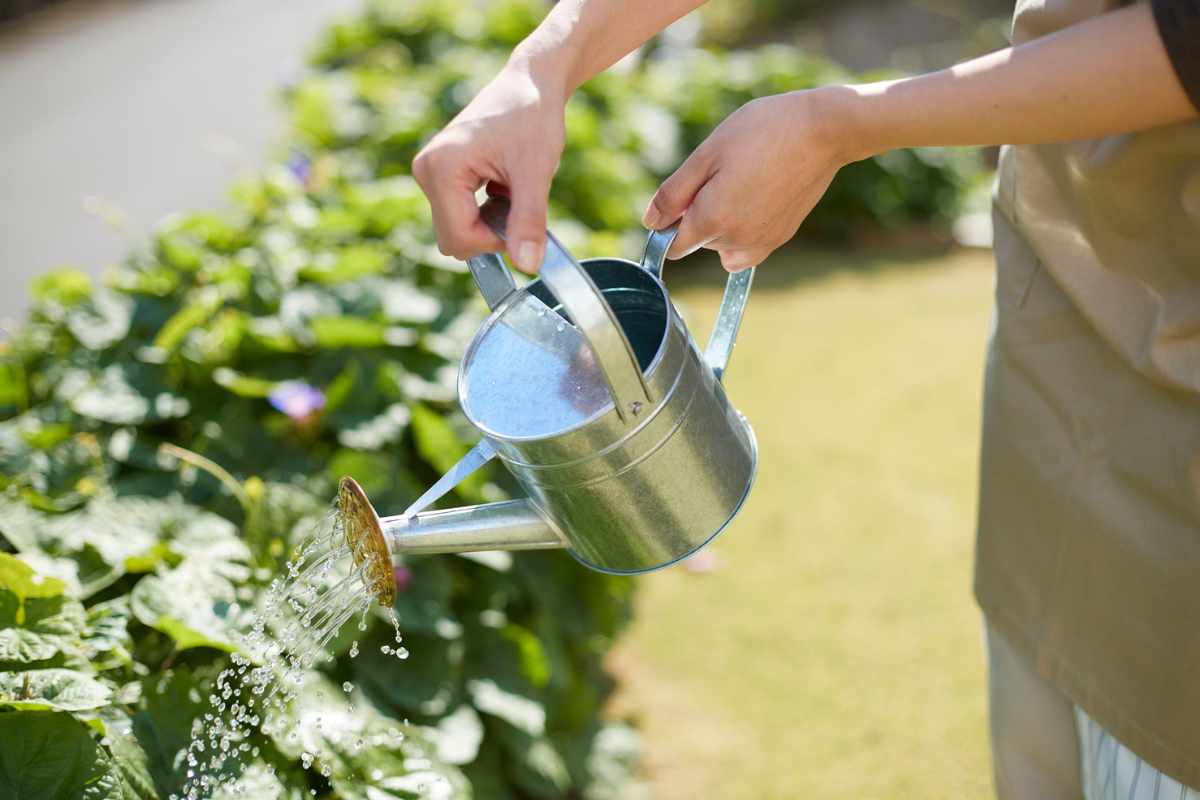
Finding the sweet spot with watering is a challenge for many gardeners. Too little, and plants dry out. Too much, and roots rot. The solution lies in observing your soil rather than sticking to a rigid schedule.
Check the moisture a few inches below the surface. If it feels dry, water. If it still feels damp, wait another day.
Containers tend to dry out more quickly than garden beds, so they often need more attention.
Watering early in the morning is ideal—it gives the plants time to absorb moisture before the heat of the day. Avoid wetting the leaves if possible to reduce the chance of fungal diseases.
What’s the Best Way to Improve My Soil?
Soil is the base of everything in your garden, and getting it right can make all the difference. The key is creating a rich, well-draining environment filled with nutrients and organic matter.
Adding compost regularly improves structure and feeds your plants over time.
If your soil feels heavy or sticky, try mixing in coarse sand or perlite for better drainage. For sandy soil that drains too quickly, compost helps retain moisture.
You can also use a soil test to check pH levels and identify missing nutrients. That way, you’ll know exactly what your garden needs rather than guessing and potentially overfeeding your plants.
How Do I Make the Most of a Small Garden Space?
Not everyone has room for sprawling beds and rows of crops. But even the smallest space can become a thriving garden with the right strategies.
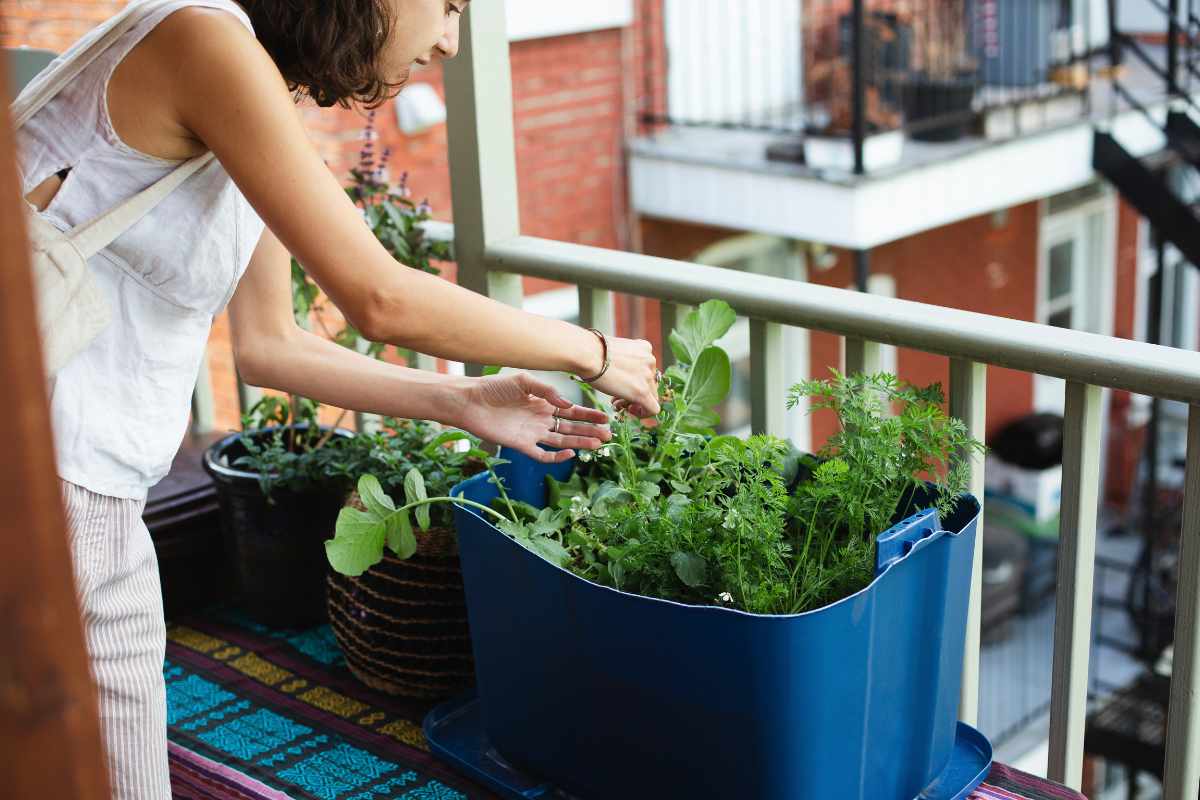
Vertical gardening is one of the best ways to maximize space. Trellises, hanging planters, and wall-mounted containers can transform a bare wall or balcony into a green oasis.
Choose compact or trailing varieties of vegetables and herbs, like cherry tomatoes, strawberries, or thyme.
Containers also offer flexibility—you can move them to follow the sun or shelter them from a storm. And mixing edible plants with decorative flowers creates a garden that’s both productive and beautiful.
When Is the Right Time to Start Planting?
Timing can be everything. Planting too early may lead to frost damage, while planting too late can cut short a growing season.
Start by learning your first and last frost dates, which vary by region.
Cool-season vegetables such as spinach, radishes, and broccoli prefer the early spring, while warm-season crops like peppers and beans do best once the soil has warmed up.
Pay attention to your local climate and adjust accordingly. You can even start seeds indoors a few weeks before transplanting them outside, giving your garden a head start.
What Should I Do If My Plants Look Unhealthy?
It’s disappointing when a plant looks sick and you’re not sure what’s wrong. But there are usually clear signs you can read to help diagnose the problem.
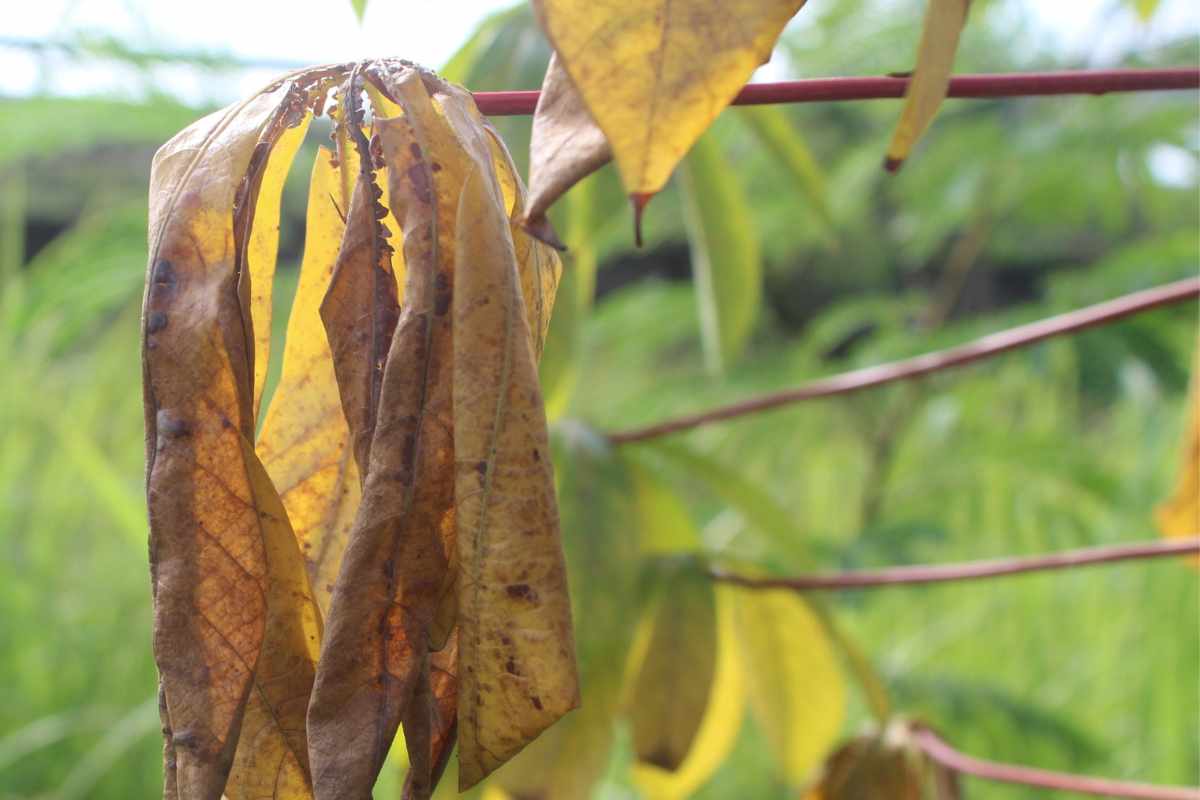
If leaves are turning yellow, it could indicate nutrient deficiency, overwatering, or compacted roots. Wilting might point to root rot or extreme heat. Spots, mildew, or holes often mean pests or fungal infections.
Examine your plants closely and take action based on what you observe. Sometimes, simply moving a pot to a better location or trimming off infected leaves can lead to recovery.
Don’t be afraid to remove a struggling plant entirely—doing so can protect the rest of your garden.
How Can I Garden If I Don’t Have Much Time?
Maintaining a garden doesn’t have to take hours each day. With a few smart habits, you can keep your space healthy and thriving with just a little effort.
Start by choosing low-maintenance plants. Many herbs, succulents, and native flowers require minimal attention once established.
Use mulch to retain moisture and reduce weeds, and group plants with similar needs together.
Set aside just 10 minutes a day for basic tasks: checking for pests, watering, or snipping dead leaves. This daily habit helps prevent problems and keeps you connected to your garden’s rhythm.
Why Are My Plants Not Growing the Way They Should?
When growth is slow or nonexistent, it’s usually tied to one of three things: soil health, sunlight, or spacing.
Plants need enough room for their roots to expand and enough sunlight to photosynthesize. Crowded containers or shaded beds can stunt development. Nutrient-poor soil or inconsistent watering can also slow things down.
Sometimes, all it takes is repotting, feeding, or relocating a plant to boost its performance.
Take note of what's worked in the past and keep learning with each season.
Did you find this post useful or inspiring? Save THIS PIN to your GARDEN Board on Pinterest!
More Gardening Tips 👇🏼👇🏼