
- Urbaki Gardening
- Plants
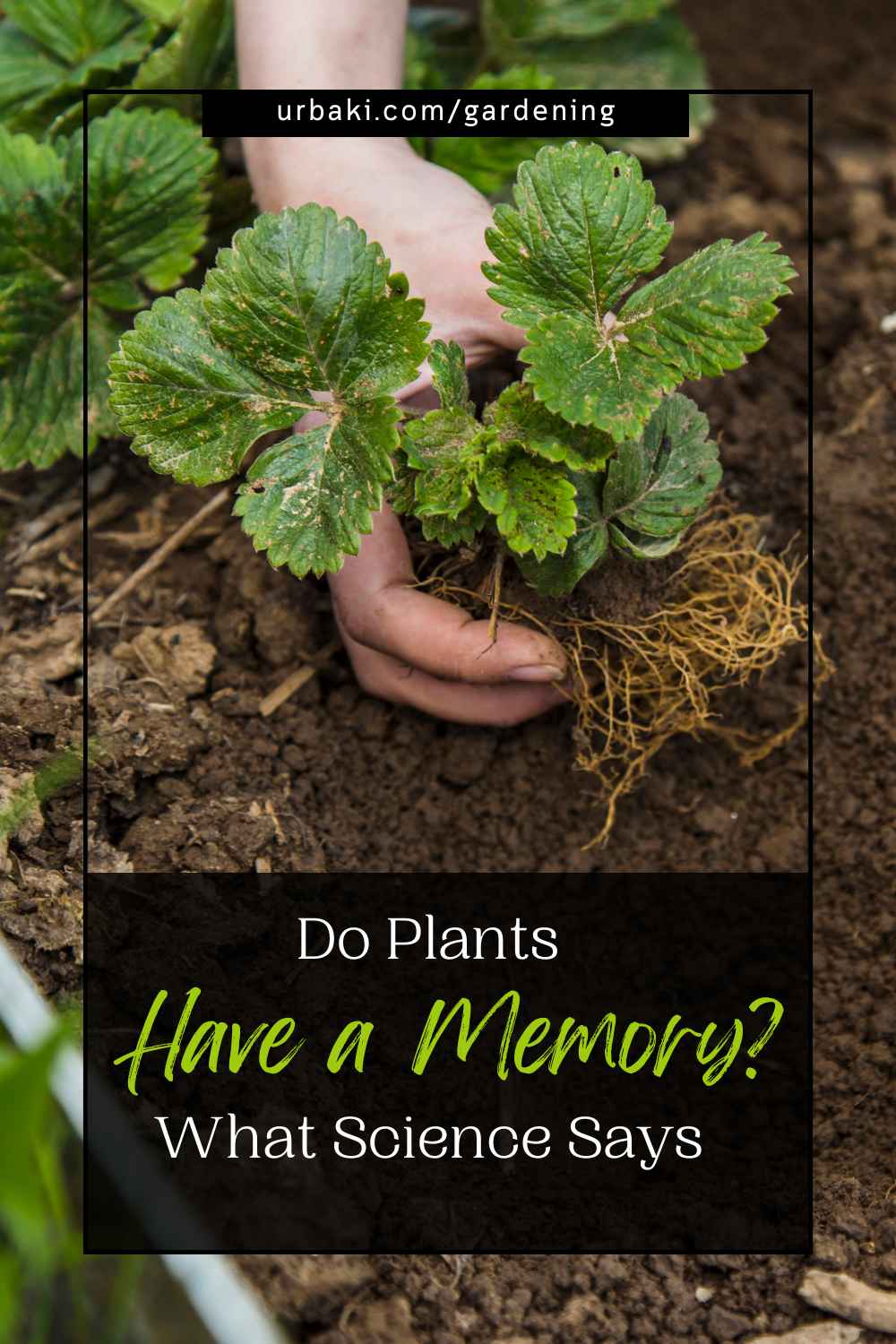
- Do Plants Have a Memory? What Science Says
Do Plants Have a Memory? What Science Says

Emily Brooks
14/07/2025 · Updated on: 04/02/2026
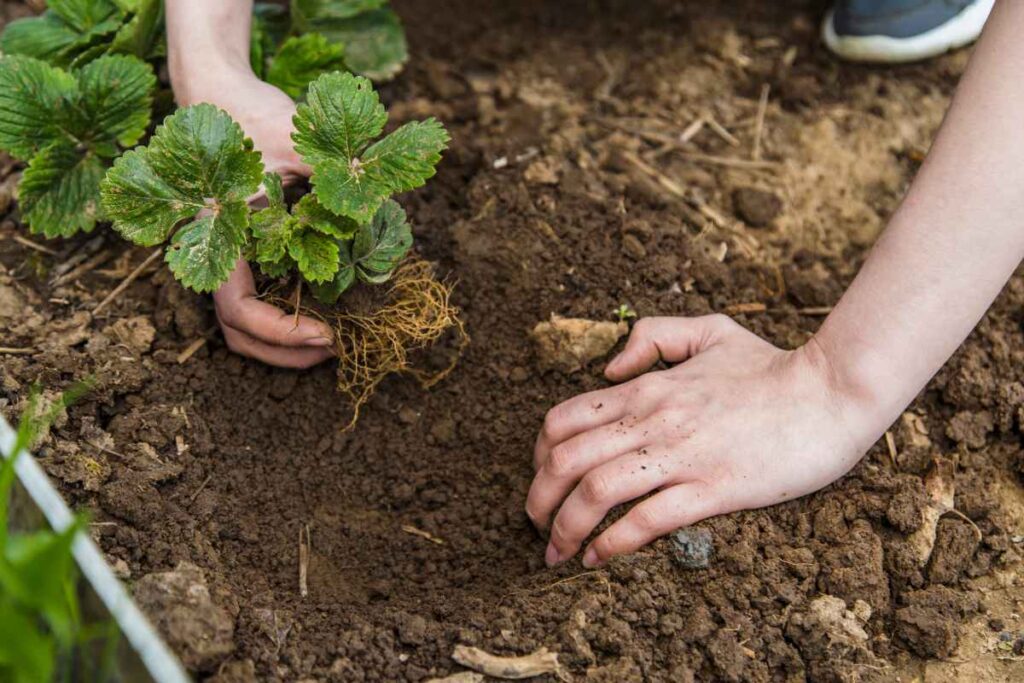
Plants, with their silent growth and stillness, have fascinated scientists and nature enthusiasts for centuries. While we often associate memory with animals and humans, the idea that plants might have memory seems unusual, yet intriguing.
Can plants actually "remember" past events, experiences, or environmental changes? In recent years, research in plant neurobiology has begun to uncover surprising evidence that suggests plants might indeed have a form of memory.
In this article, we will explore the scientific perspective on whether plants have memory and how they adapt to their environment over time.
Understanding Plant Memory
When we think of memory, we typically envision the complex mental faculties of humans and animals. However, the concept of memory in plants is not about recalling past events like we do.
Instead, it’s more about adaptive responses to environmental stimuli.
Plants are living organisms, constantly responding to their surroundings. While they don’t have brains or nervous systems like animals, they do have intricate mechanisms that allow them to perceive and respond to stimuli.
One way plants demonstrate memory is through environmental adaptations. For instance, some plants can adapt to stress or changes in light, temperature, or moisture, and these adaptations can persist even after the initial stimulus has been removed.
This phenomenon suggests that plants have a form of memory that helps them survive and thrive.
The Science Behind Plant Memory
Scientists have found that plants possess complex signaling mechanisms that allow them to "remember" past experiences and use this information to adjust their behavior in the future. Here are some key ways in which plant memory has been observed:
1. Chemical Signaling and Stress Response
Plants are constantly exposed to environmental stressors, such as drought, extreme temperatures, or pest attacks.
One of the ways plants "remember" these stressful events is through chemical signaling. For example, plants release certain hormones, like jasmonic acid, in response to stress, such as being eaten by herbivores.
Once the stressor is gone, the plant can "remember" the event and activate defensive mechanisms if the same threat occurs again.
In fact, plants can store this information for an extended period. A study involving Arabidopsis plants (a commonly used model organism in plant research) demonstrated that when exposed to herbivores or pathogens, the plant’s immune response was more robust when the same stressor reappeared, indicating some form of "memory" in the plant.
2. Epigenetic Memory: Heritable Traits
Another compelling argument for plant memory lies in the concept of epigenetic changes. Epigenetics refers to modifications in gene expression that do not involve changes to the DNA sequence itself but can still be passed down to future generations.
When a plant experiences environmental stress, epigenetic changes can occur in its cells, effectively "marking" the plant’s genetic code.
These changes can then be inherited by the next generation, providing offspring with a kind of memory of the environmental conditions their parents faced.
For instance, when a plant is exposed to drought conditions, it may undergo epigenetic modifications that allow its seeds to become more resistant to similar conditions.
This form of memory helps plants adapt to their environment over time, ensuring the survival of the species even if conditions change unpredictably.
3. Learning Through Experience
One of the most surprising aspects of plant memory involves learning through experience, similar to the way animals learn and adapt to their environment. Research conducted on mimosa plants has shown that they can "learn" from previous experiences.
In an experiment, researchers repeatedly dropped a small object onto the mimosa plant’s leaves. At first, the plant responded by closing its leaves, a defense mechanism to avoid damage. However, after several repeated drops, the plant began to "learn" that the object was harmless and stopped closing its leaves.
This type of habituation (where a plant decreases its response to a repeated, non-threatening stimulus) suggests that plants are capable of memory-like learning.
This kind of "learning" allows plants to conserve energy and resources by reducing unnecessary responses to benign events.
In the natural world, this ability helps plants differentiate between real threats and harmless events, allowing them to focus on more pressing survival tasks.
The Role of Plant Hormones in Memory
Hormones play a crucial role in the memory-like processes of plants. These chemical messengers help regulate plant growth, development, and responses to environmental stimuli. For example:
Auxins control growth and cell elongation, which help the plant grow toward or away from stimuli (like light or gravity).
Gibberellins are involved in seed germination and growth.
Cytokinins promote cell division and play a role in responses to stress.
These hormones are essential in helping the plant "remember" its environment. After a stressful event, the plant's hormonal system is often adjusted to better cope with similar challenges in the future. This enables plants to make more informed decisions about where and how to grow, optimizing their survival strategies.
Memory in Plants: A Controversial Topic
While there is growing evidence supporting the idea of memory in plants, not all scientists agree on the concept. Some argue that plants do not have memory in the traditional sense, as they lack brains, nervous systems, and the neural connections that are necessary for memory storage and recall in animals.
Instead, they believe that what we interpret as "memory" in plants is simply the plant's ability to respond adaptively to environmental stimuli.
Critics of plant memory suggest that while plants exhibit complex behaviors and can adapt over time, this doesn’t necessarily equate to memory.
Instead, these responses could simply be part of an ongoing biological feedback loop that enables the plant to react appropriately to its environment.
Implications for Agriculture and Environmental Science
Understanding that plants have the ability to "remember" past experiences has profound implications for fields like agriculture and environmental science.
If plants can store and utilize information about environmental conditions, this could pave the way for more sustainable farming practices.
For example, crop plants could be bred or genetically engineered to enhance their memory-like capabilities, enabling them to better withstand stressors like drought, disease, or extreme temperatures.
Moreover, knowledge about plant memory could help scientists create smarter irrigation systems that take advantage of a plant’s ability to adapt to water availability.
In the future, farmers could use this information to optimize crop yields while reducing resource waste, leading to more efficient and sustainable farming practices.
Final Thoughts: The Mysteries of Plant Memory
The idea of plant memory challenges traditional views of intelligence and consciousness. While it’s clear that plants lack the complex brains and nervous systems that define memory in animals, the emerging research suggests that plants have evolved sophisticated mechanisms to respond to their environment in ways that mimic memory.
Plants, though silent and still, are far more complex than we once realized. Their ability to adapt, learn, and remember helps them survive in a world full of changing conditions.
As science continues to explore this fascinating subject, we may uncover even more about the ways plants interact with their environment and, ultimately, their form of memory.
In conclusion, plants may not remember in the same way animals or humans do, but their adaptive responses to stimuli, epigenetic inheritance, and learning behaviors are evidence that they possess a remarkable, if unconventional, form of memory.
Emily Brooks
I’m Emily, a lifelong nature lover with dirt on my boots and a passion for all things green. I don’t claim to be a botanist; I’m just an enthusiast who believes that every backyard—no matter how small—can become a sanctuary. After years of trial and error (and more than a few wilted ferns), I’m sharing my honest journey of growing flowers and veggies. Let's learn from the seasons and grow something beautiful together!
More Gardening Tips 👇🏼👇🏼