
The Floating Gardens of Xochimilco: Ancient Innovation

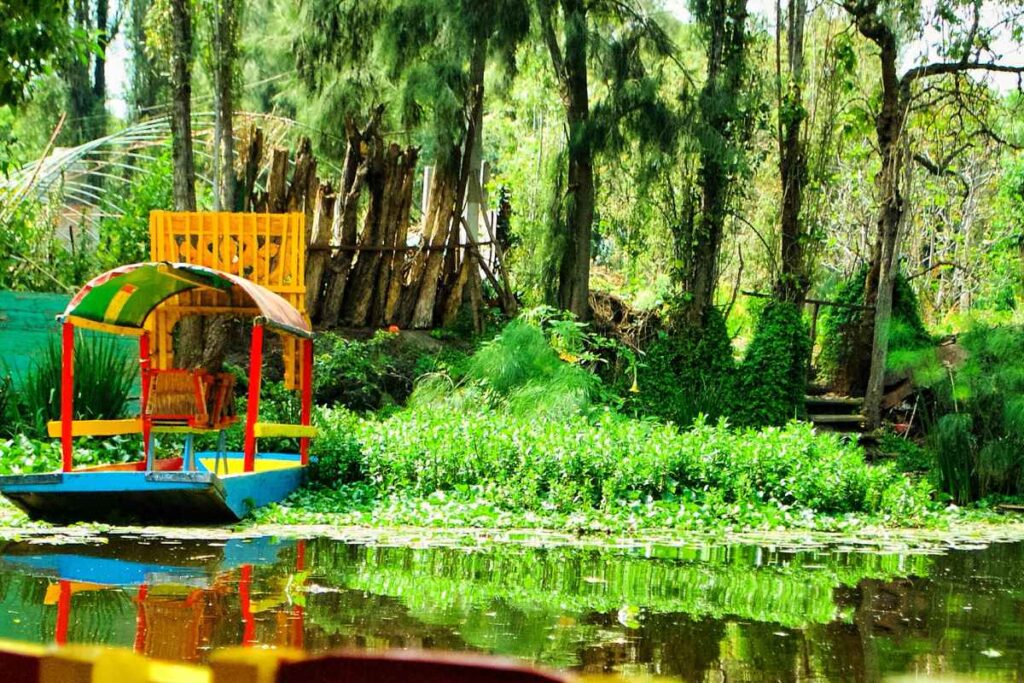
Nestled in the heart of Mexico City, the Floating Gardens of Xochimilco stand as a testament to the ingenuity of ancient Mesoamerican civilizations.
These gardens, known locally as chinampas, offer a glimpse into the innovative agricultural techniques developed by the Aztecs more than 500 years ago.
While today, Xochimilco is renowned for its vibrant culture, picturesque canals, and lively boats, its historical significance as an agricultural wonder is equally impressive.
The Birth of Chinampas: A Solution to an Urban Challenge
The origins of the floating gardens date back to the Aztec Empire (14th-16th centuries). As the Aztecs expanded their capital city, Tenochtitlán, on the islands of Lake Texcoco, they faced the challenge of feeding a rapidly growing population.
The lake, though rich in aquatic resources, provided limited arable land. The solution? Chinampas, artificial islands constructed on the lake’s surface for agricultural purposes.
Chinampas were crafted by weaving matted reeds, willow branches, and mud, forming large, rectangular plots that floated on the water.
Over time, these plots became self-sustaining ecosystems, capable of supporting a variety of crops such as corn, beans, squash, chilies, and amaranth.
The surrounding canals provided water, while the rich soil from the lakebed added fertility to the land, creating a perfect environment for agriculture.
The Engineering Behind the Floating Gardens
Building a chinampa required incredible skill and knowledge of the natural environment. The process began by driving stakes into the lakebed and weaving them together to form a rectangular frame.
The Aztecs then added layers of lake sediment and organic matter to build up the land, which was rich in nutrients. Over time, these plots grew in size and became productive farm plots capable of sustaining entire communities.
One of the most remarkable aspects of chinampa farming is the water management system that supports the gardens.
Canals separated the plots, and water from the lake continually replenished the soil’s moisture levels. This irrigation system was far ahead of its time, ensuring that crops received an abundant and consistent water supply.
Additionally, the canals acted as natural barriers against pests and flooding, protecting the crops from external threats.
Agricultural Productivity: How Chinampas Revolutionized Farming
The productivity of chinampas was staggering. An area of just one chinampa could produce enough food to feed a family for an entire year, and in some cases, several families.
This intense agricultural output allowed the Aztecs to support their large urban centers like Tenochtitlán, which, at its peak, had a population of over 200,000 people.
The floating gardens were essential to the Aztec economy, supplying food, flowers, and medicinal plants.
In addition to providing for urban centers, chinampas were also integral to the Aztec agricultural calendar, which was closely tied to the cycles of the moon and the seasons.
The gardens' year-round productivity made it possible for the Aztecs to cultivate multiple crops in a single year, enhancing food security and economic stability.
Decline and Revival: The Legacy of Chinampas
The fall of the Aztec Empire in the early 16th century brought an end to many of the advanced systems that had been developed, including the chinampas.
After the Spanish conquest, the once-thriving agricultural system began to decline as European farming methods were introduced and the canal systems were neglected.
Over time, many chinampas were abandoned or destroyed in the face of urban expansion and environmental changes.
However, in recent decades, there has been a growing effort to preserve and restore the floating gardens. In the face of increasing urbanization and environmental degradation, organizations and local communities are working to maintain the chinampas, both as a cultural heritage and as a model of sustainable agriculture.
Today, the UNESCO has recognized the Xochimilco ecosystem as a World Heritage Site, helping to protect and promote the unique agricultural techniques that were developed centuries ago.
The floating gardens are now being used for a variety of purposes, from tourism to environmental conservation.

The Cultural Significance of Xochimilco
Xochimilco is not just an agricultural wonder; it is a cultural hub. The canals, which stretch for over 170 kilometers, are a popular destination for both locals and tourists.
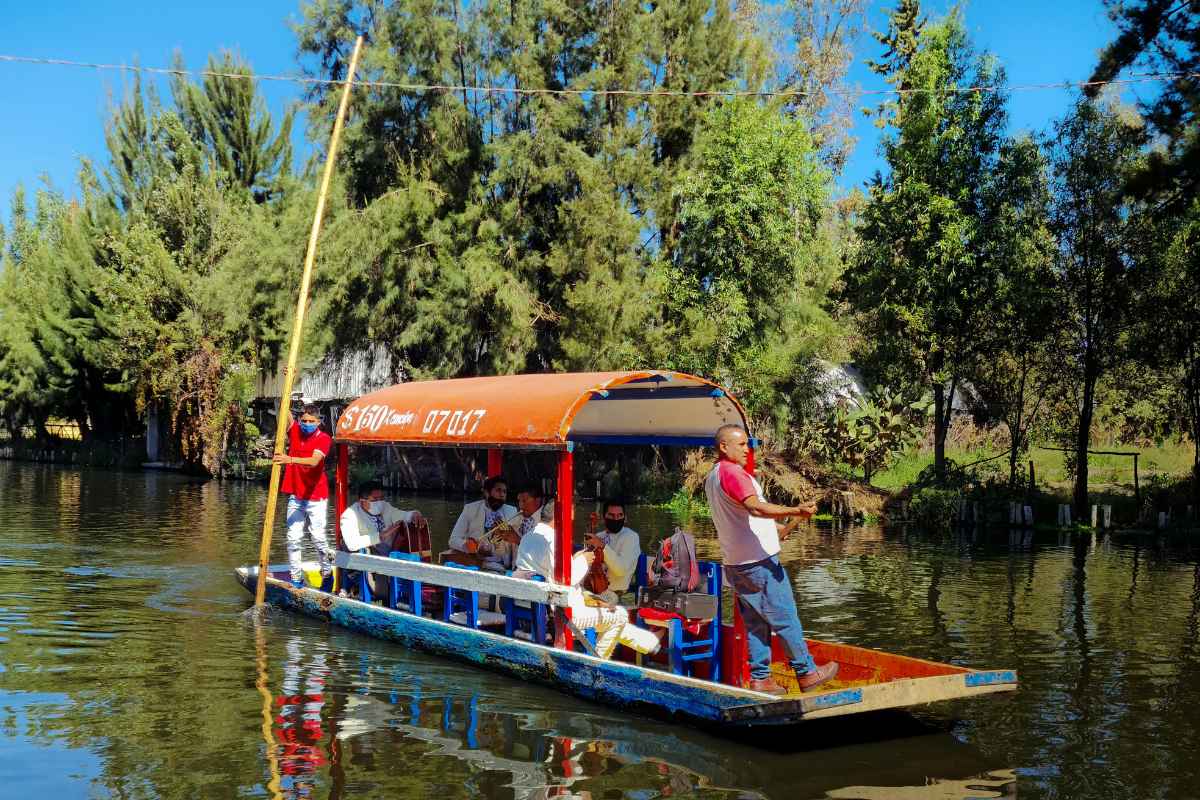
People can rent trajinera boats—decorative wooden vessels— to float through the canals, taking in the lush scenery, listening to live music, and enjoying local delicacies.
The region is also famous for its vibrant festivals, particularly the Fiesta de la Flores (Flower Festival), where the beauty of the floating gardens is celebrated with parades, music, and traditional dances.
This vibrant culture is a reflection of the rich history that Xochimilco represents, blending ancient traditions with modern-day festivities.
Sustainable Agriculture: A Modern-Day Solution
The environmental benefits of the chinampa system are becoming increasingly recognized in the 21st century. In a time when many parts of the world are grappling with climate change, water shortages, and unsustainable agricultural practices, chinampas present a valuable example of sustainable farming.
The system’s ability to maintain soil fertility without the need for chemical fertilizers, as well as its use of water resources in a sustainable manner, offers lessons for modern agriculture.
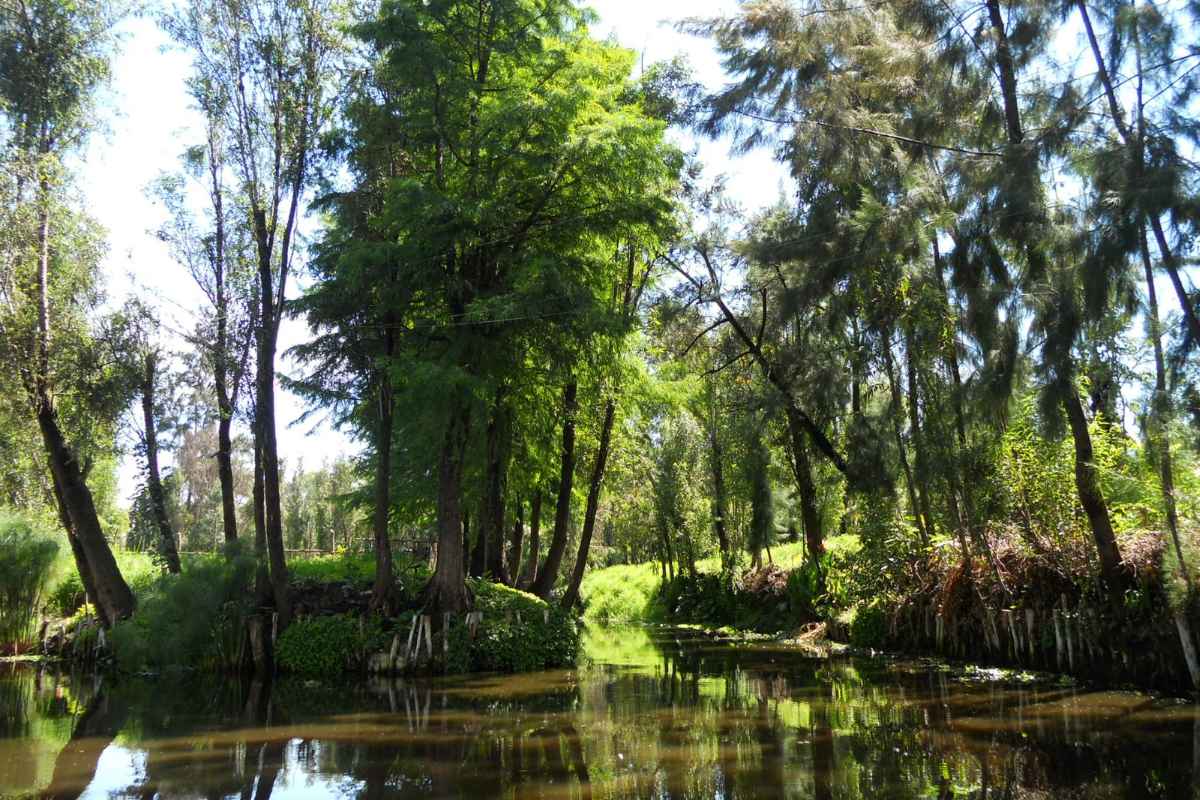
Moreover, the restoration of chinampas has proven to be beneficial for the biodiversity of the area. The canals and surrounding environments are home to a variety of plant and animal species, including waterfowl, fish, and insects, many of which rely on the healthy ecosystems of the chinampas.
By reviving these floating gardens, local communities are not only preserving an important cultural heritage but also contributing to the overall health of the ecosystem.
A Lasting Innovation
The Floating Gardens of Xochimilco are a remarkable example of how ancient civilizations used innovation to overcome environmental challenges and sustain their growing populations.
The chinampa system, with its advanced agricultural techniques and sustainable practices, remains a testament to the resourcefulness and ingenuity of the Aztecs.
As we face environmental challenges in the modern world, there is much we can learn from these ancient practices.
The floating gardens are not just a relic of the past; they offer solutions to present-day issues related to agriculture, sustainability, and environmental conservation.
In a world that increasingly looks for ways to balance nature with progress, the ancient innovation of chinampas is more relevant than ever.
The story of Xochimilco is not just about preserving a cultural heritage; it’s about understanding and respecting the delicate balance between human development and the natural world.
Did you find this post useful or inspiring? Save THIS PIN to your GARDEN Board on Pinterest!
More Gardening Tips 👇🏼👇🏼