
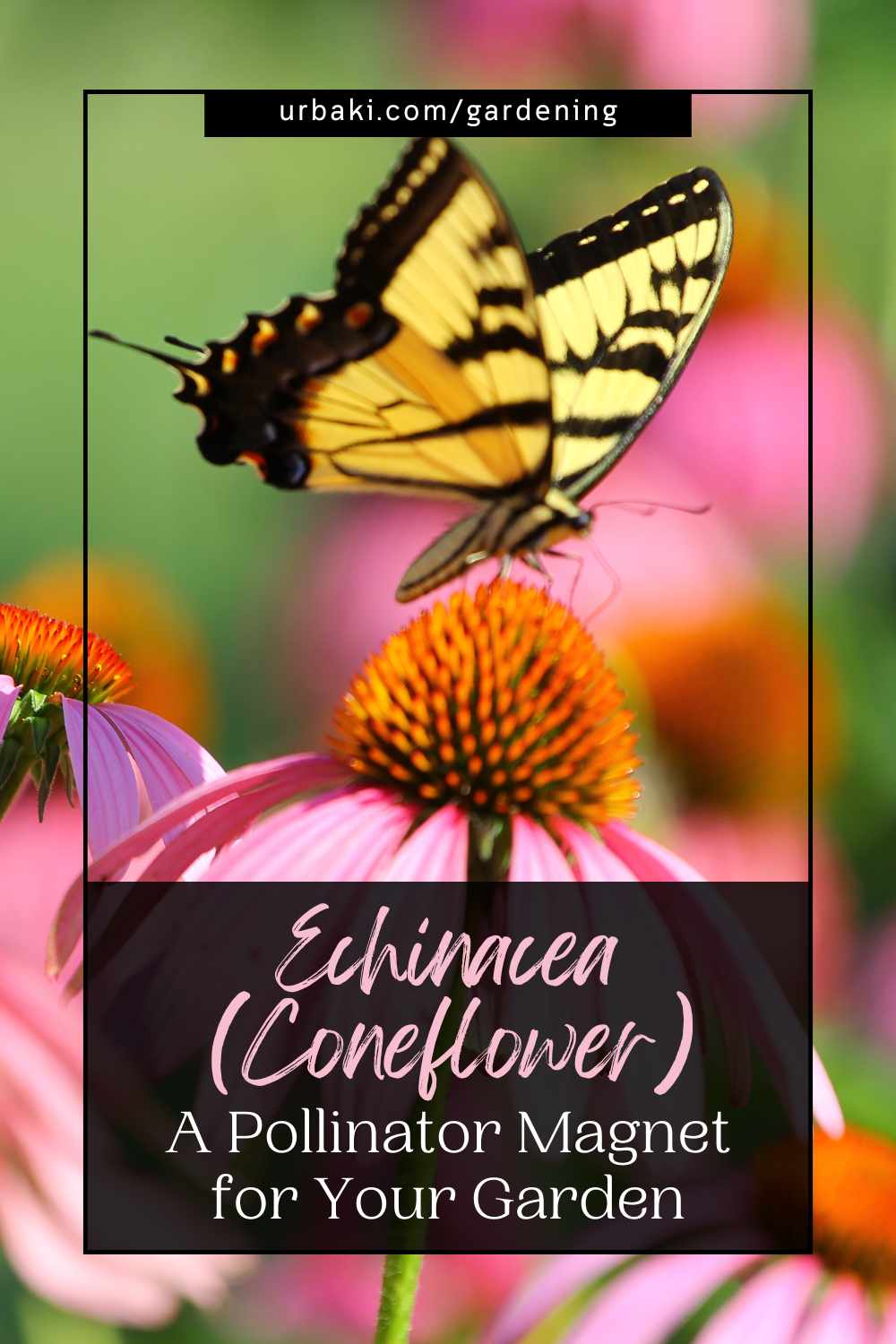
Echinacea (Coneflower): A Pollinator Magnet for Your Garden

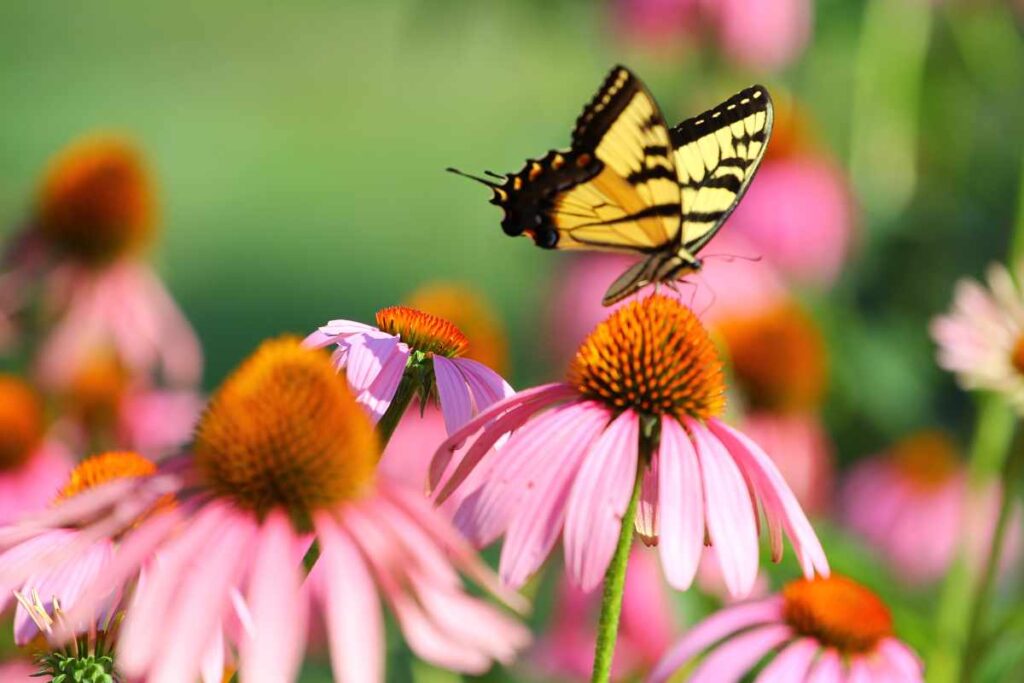
If you're looking to add vibrant color and life to your garden while supporting local wildlife, Echinacea, commonly known as coneflower, is a top choice.
With its bold, daisy-like blooms and long flowering season, this native North American perennial is beloved not only by gardeners but also by bees, butterflies, and other essential pollinators.
It’s more than just a pretty flower—it plays a meaningful role in the ecological health of any green space.
Welcoming Pollinators with Purpose
Pollinators are vital for plant reproduction and a healthy ecosystem, yet their populations have faced significant decline due to habitat loss, pesticides, and climate change.
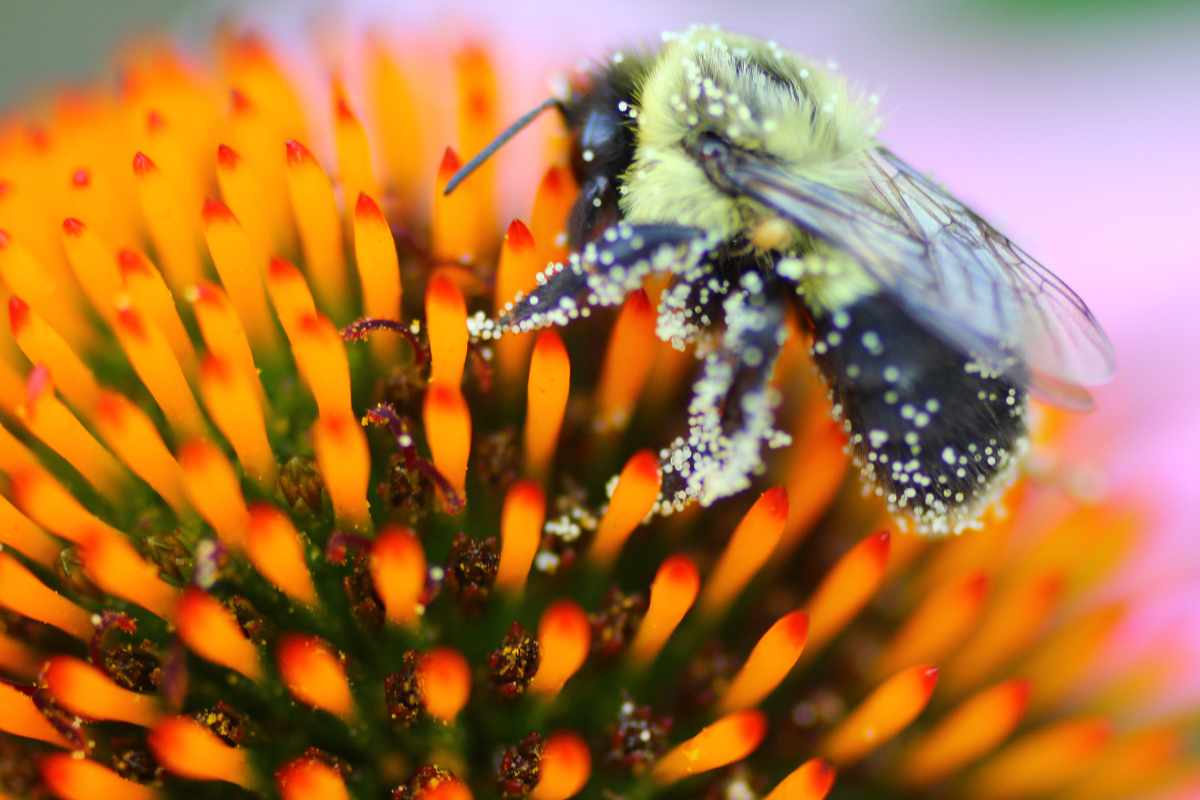
Adding Echinacea to your garden helps create a pollinator-friendly environment, offering nectar and pollen throughout the warmer months when many species are most active.
Bees of all types are frequent visitors to coneflowers, drawn by their prominent centers and easy landing pads. Butterflies love the bright hues and scent, while hummingbirds occasionally stop by for a sip.
This single plant can attract a wide variety of garden allies without much maintenance or effort on your part.
Beauty That Lasts Through the Seasons
Echinacea’s showy flowers bloom from early summer into fall, providing consistent color during the peak of gardening season.
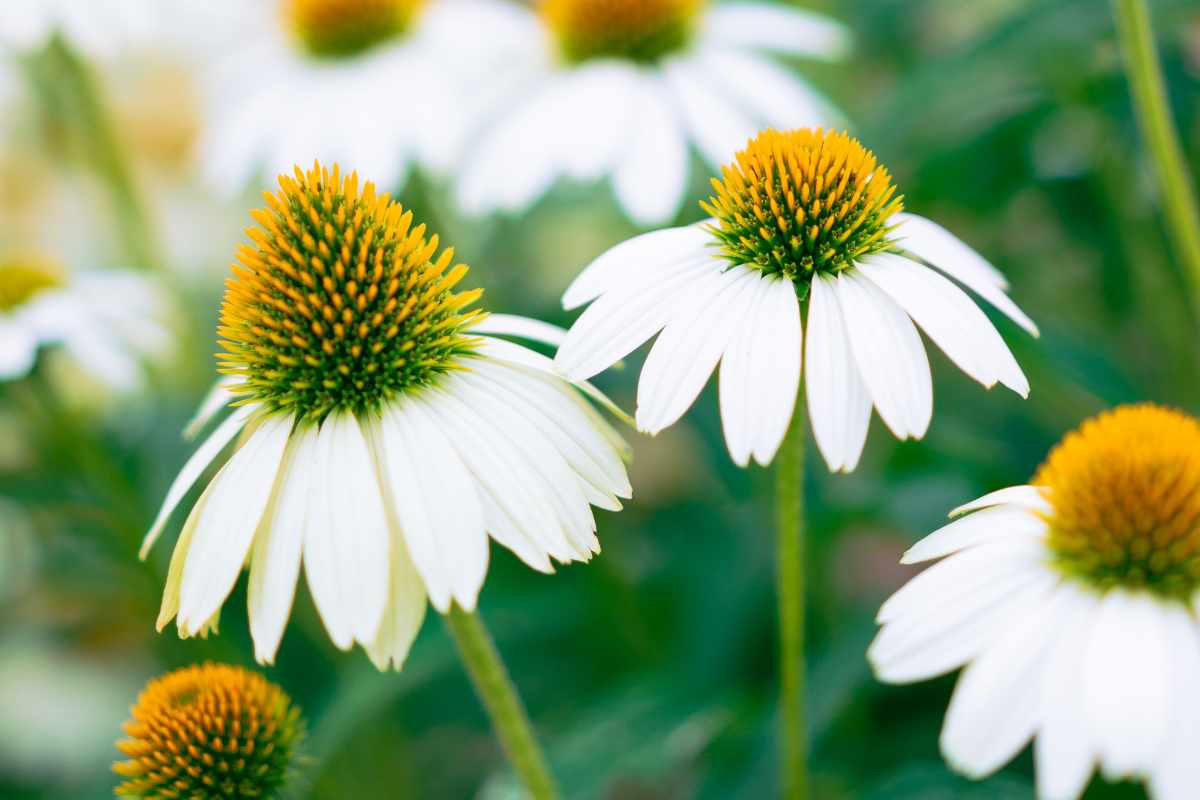
The most well-known variety, Echinacea purpurea, boasts purple-pink petals surrounding a raised orange cone, but newer cultivars come in shades of white, yellow, red, and coral—offering endless possibilities for garden design.
Once the petals fade, the seed heads remain attractive in the garden and provide food for birds, particularly goldfinches. Leaving them in place through winter not only supports wildlife but also adds interesting structure to an otherwise quiet landscape.
Easy to Grow and Hard to Forget
One of the reasons Echinacea has become such a garden favorite is its resilience. It tolerates a range of soil types, including clay and rocky ground, and prefers full sun to partial shade. Once established, it’s drought-tolerant and rarely troubled by pests or disease.
This plant is a great choice for gardeners of all experience levels. It doesn’t require special attention, and its strong, upright stems usually don’t need staking.
Even in hot, dry conditions, Echinacea continues to bloom, offering reliable beauty and ecological value.
Creating a Pollinator Paradise
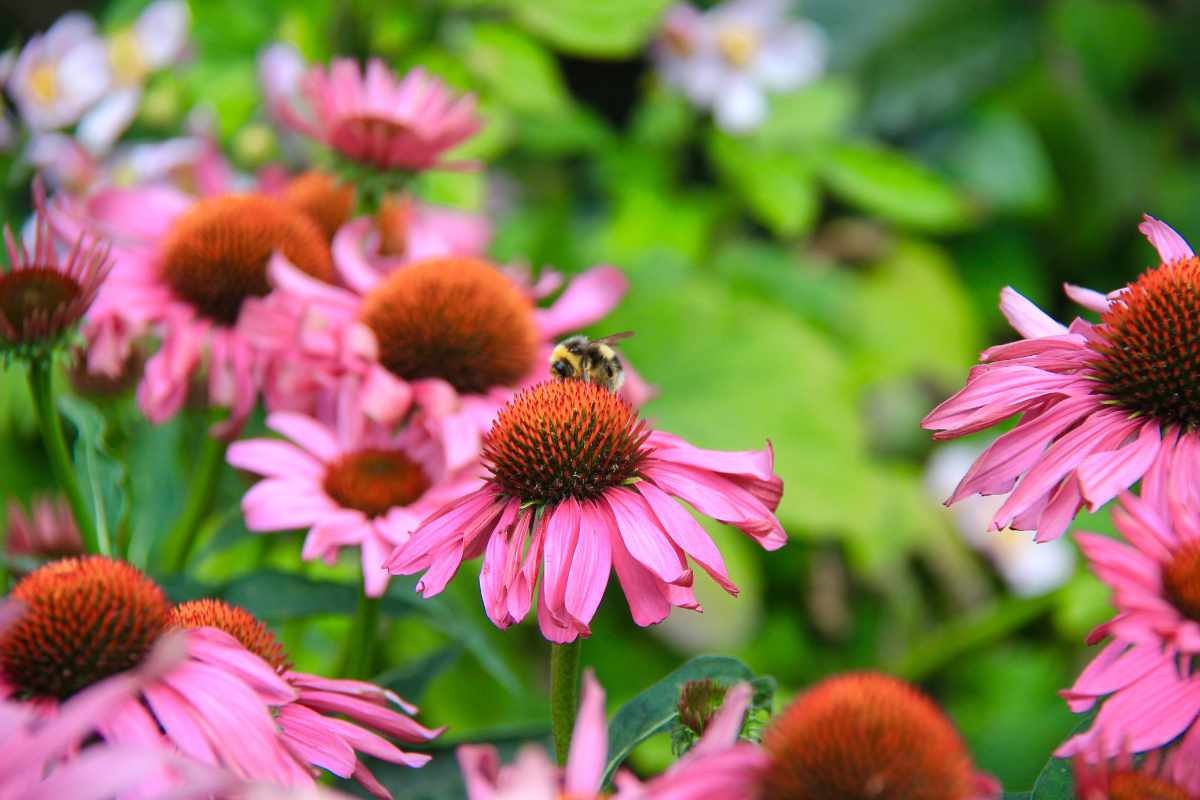
For maximum benefit, plant coneflowers in groups rather than scattering them throughout your space. Clusters make it easier for pollinators to find flowers and provide more efficient foraging.
Combine Echinacea with other nectar-rich perennials like bee balm, black-eyed Susan, and milkweed to extend the blooming season and increase pollinator traffic.
Avoid using chemical pesticides or herbicides in the garden. These can harm bees and butterflies, undermining the very habitat you're trying to support. Instead, focus on organic practices and let your garden become a true sanctuary.
Propagation and Continued Blooms
Echinacea can be propagated by seeds, division, or cuttings, making it easy to expand your garden or share with friends. Allow some flower heads to go to seed in late summer if you’d like to collect them.
If you deadhead regularly, you'll encourage more blooms throughout the season, but consider leaving a few seed heads intact for the birds.
Every few years, divide larger clumps in early spring or fall to rejuvenate the plants and keep them blooming vigorously. This practice not only promotes healthier growth but also allows you to multiply your pollinator haven.
A Native Plant with Timeless Appeal
As native perennials, coneflowers are well adapted to many regions and contribute to restoring biodiversity in urban and suburban settings. They’re a smart addition to rain gardens, wildflower meadows, or traditional garden beds.
Their balance of ruggedness and beauty makes them a cornerstone of sustainable landscaping.
With Echinacea, you're not just planting flowers—you’re building a thriving, buzzing ecosystem right outside your door.
Did you find this post useful or inspiring? Save THIS PIN to your GARDENING Board on Pinterest!
More Gardening Tips 👇🏼👇🏼