
How Moon Phases Affect Plant Growth

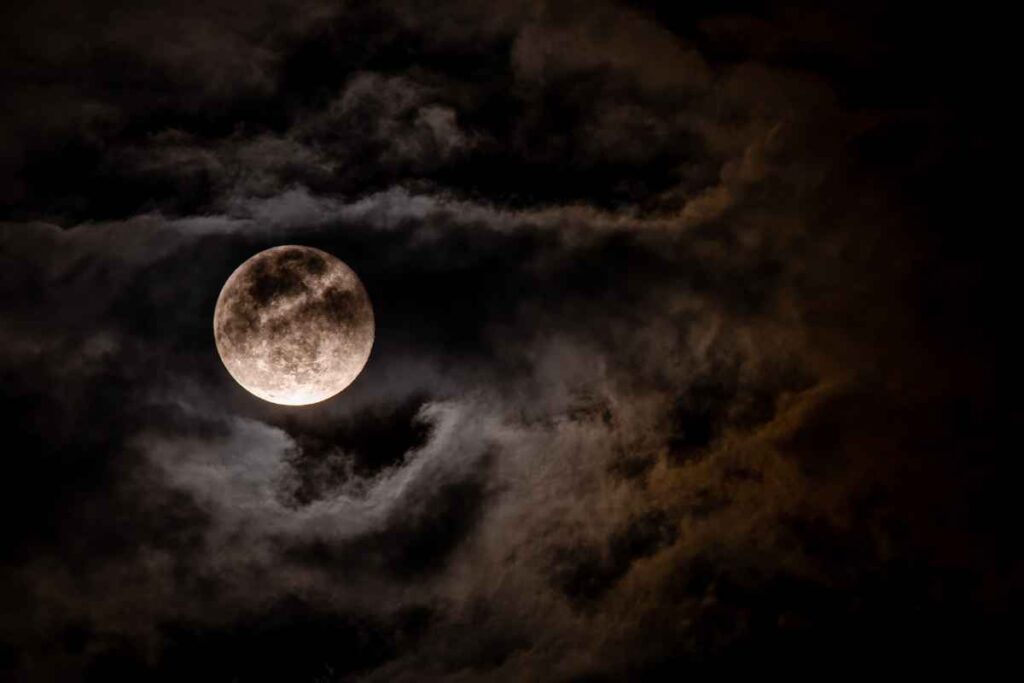
The relationship between the moon and plant growth has been a subject of fascination for centuries. Ancient agricultural practices often followed lunar cycles, believing that the phases of the moon could influence how plants grew, bloomed, and yielded.
But how exactly do the moon phases affect plant growth? Let’s explore the fascinating link between lunar cycles and the natural world.
Understanding the Phases of the Moon
Before diving into how these phases affect plant life, it’s essential to understand the different phases of the moon. The lunar cycle lasts about 29.5 days and consists of four primary phases:
New Moon: The moon is not visible from Earth, marking the beginning of a new lunar cycle.
Waxing Crescent: A small sliver of the moon becomes visible, growing larger each night.
Full Moon: The entire face of the moon is visible, and it appears at its brightest.
Waning Crescent: The moon gradually decreases in size until it returns to the new moon phase.
Each phase of the moon is believed to have distinct effects on the growth of plants. Let’s break them down and understand how they might influence gardening.
The Influence of the Moon on Water and Plant Roots
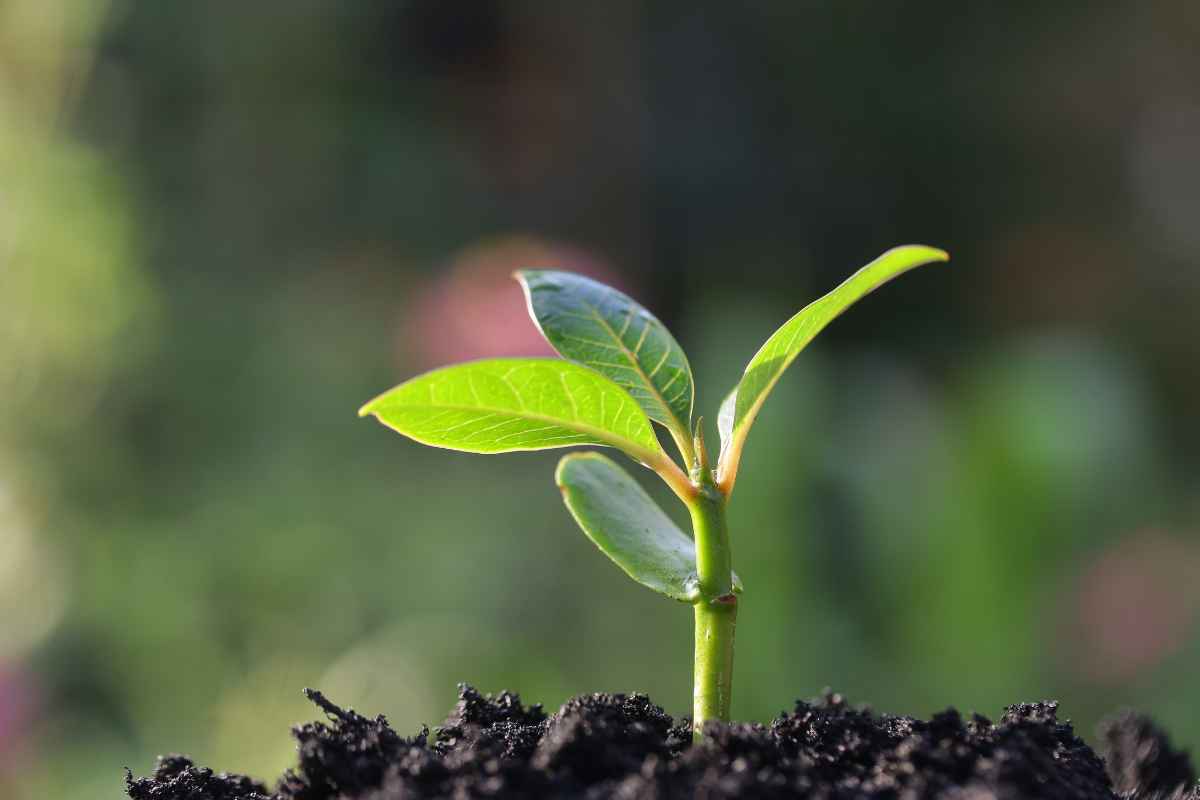
One of the primary ways the moon is thought to impact plant growth is through its gravitational pull. Just as the moon affects ocean tides, it also has a subtle effect on water within the soil.
This influence can guide plant roots to grow deeper during certain moon phases, leading to better nutrient absorption.
During the full moon, when the gravitational pull is at its strongest, it is believed that plants’ roots may absorb water and nutrients more efficiently.
This period is ideal for planting crops that benefit from strong, deep root systems, such as root vegetables like carrots, potatoes, and beets.
On the other hand, during the new moon phase, the gravitational pull is weaker, and the energy is directed more toward the soil's surface.
This is believed to be a better time for planting above-ground crops, such as leafy greens, lettuce, and herbs, as these plants tend to benefit from rapid growth and shallow root systems.
Moon Phases and the Growth Cycle
The phases of the moon are also thought to influence the growth stages of plants. Here’s how:
1. New Moon – A Time for Rest and Preparation
The new moon marks the start of a new lunar cycle and is often seen as a time for plants to "rest" and prepare for growth. This phase is associated with soil preparation and sowing seeds that will later sprout. Since this phase is low in energy, it's a good time to focus on nurturing the soil, enriching it with compost, and ensuring that the environment is conducive to healthy plant growth.
2. Waxing Moon – Encouraging Above-Ground Growth
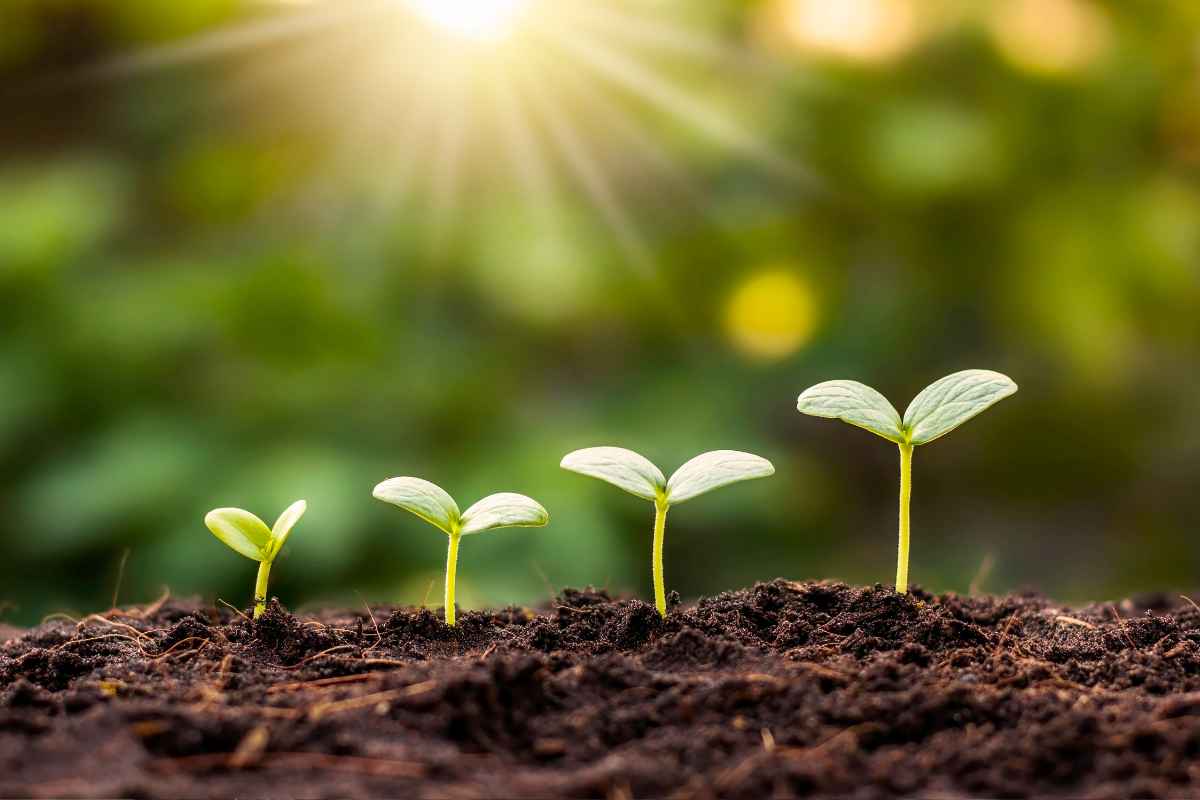
As the moon transitions from the new moon to the full moon, the gravitational pull begins to increase. The waxing crescent and first quarter phases encourage the upward growth of plants.
During this time, it is believed that seeds planted in these phases tend to grow taller and develop stronger stems and leaves.
This makes the waxing phase an ideal time for planting crops that produce above-ground yields, such as tomatoes, beans, and leafy vegetables.
3. Full Moon – Maximum Energy for Roots and Flowers
The full moon is thought to have the most potent influence on plant growth due to its strong gravitational pull. During this phase, plants are believed to have maximum energy for growth, and their roots can absorb more water and nutrients.
For flowering plants, this is the best time to plant them to encourage healthy blooms. It's also the ideal phase for harvesting plants that have reached their full maturity.
For gardeners, this is also a great time to tend to their crops and harvest any mature fruits or vegetables. Some gardeners swear by harvesting herbs and flowers during the full moon, as they believe this can enhance the aroma, flavor, and healing properties of the plants.

4. Waning Moon – Time for Maintenance and Transplanting
During the waning moon, as the moon begins to shrink in size, it’s considered a time for plants to focus their energy on root development and conserving energy.
This phase is ideal for maintenance tasks like pruning, weeding, and dividing perennials. Some believe that the waning moon’s energy helps plants to focus on strengthening their roots rather than focusing on above-ground growth.
It is also a good time for transplanting plants. As the gravitational pull decreases, plants are less stressed by being moved, making it easier for them to adapt to new environments. This phase is perfect for moving mature plants to their final location, as they are more likely to settle in successfully.
The Importance of Timing in Gardening
While the influence of the moon on plant growth is a subject of ongoing debate, many gardeners swear by timing their planting, pruning, and harvesting around the moon’s phases. Understanding the moon’s effects on plant growth allows gardeners to work with nature rather than against it, improving the chances of a successful crop.
The idea of planting by the moon is not just a trend but a long-standing tradition. Whether you’re growing vegetables, flowers, or herbs, it’s worth considering how the phases of the moon can influence your garden. Some gardeners even keep a moon planting calendar to track the best times to plant specific crops.
Working in Harmony with Nature
Although scientific studies are still needed to fully validate the moon's effect on plant growth, the connection between lunar phases and gardening practices is fascinating.
By understanding the moon's gravitational influence, gardeners can choose the best times to plant, care for, and harvest their crops.
Working in harmony with the natural rhythms of the moon may help you achieve healthier, more productive plants, creating a rewarding gardening experience that is connected to the broader cycles of nature.
So, the next time you plan to plant, take a moment to consider the phase of the moon—your plants may just thank you for it!
Did you find this post useful or inspiring? Save THIS PIN to your GARDEN Board on Pinterest!

More Gardening Tips 👇🏼👇🏼