
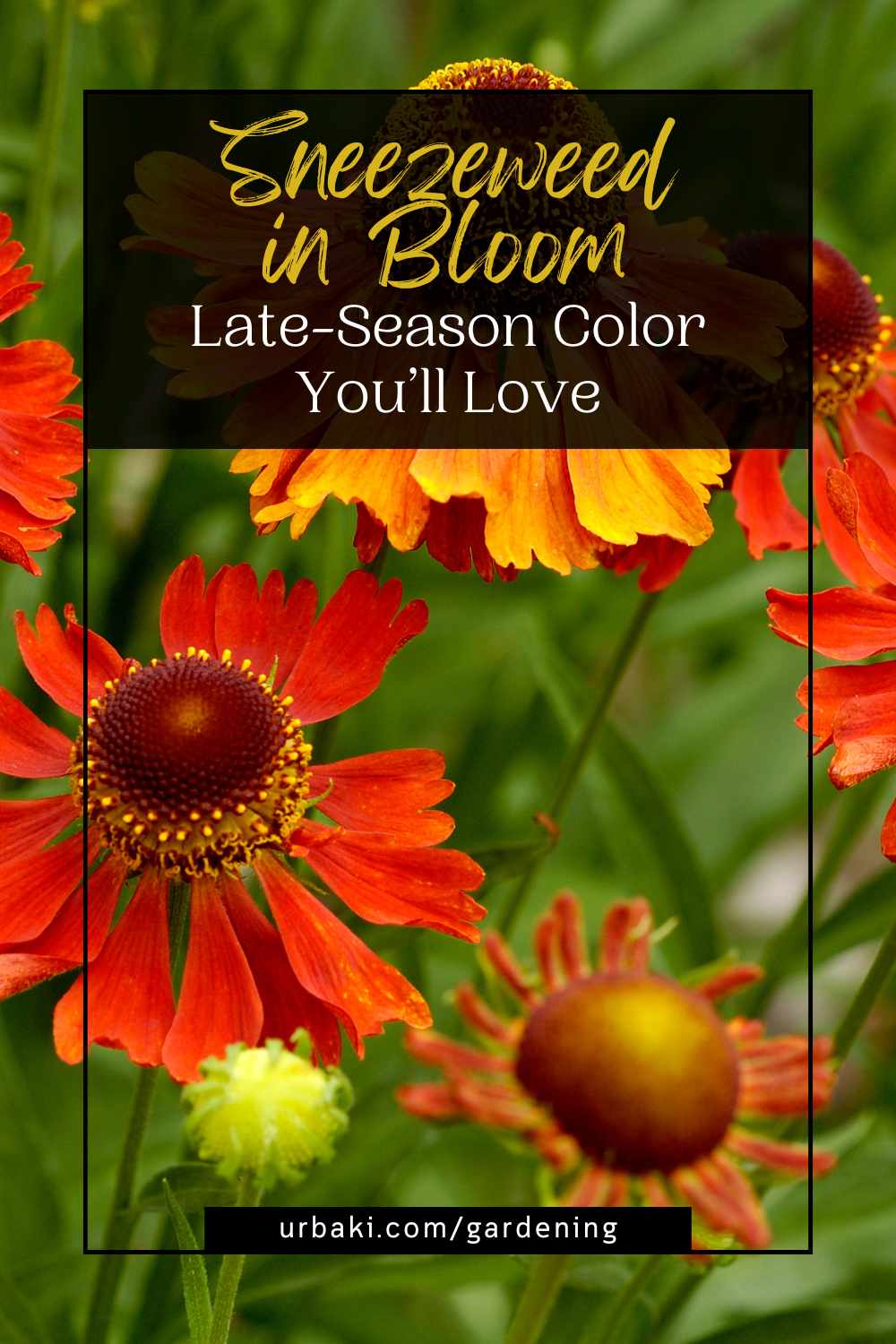
Sneezeweed in Bloom: Late-Season Color You’ll Love

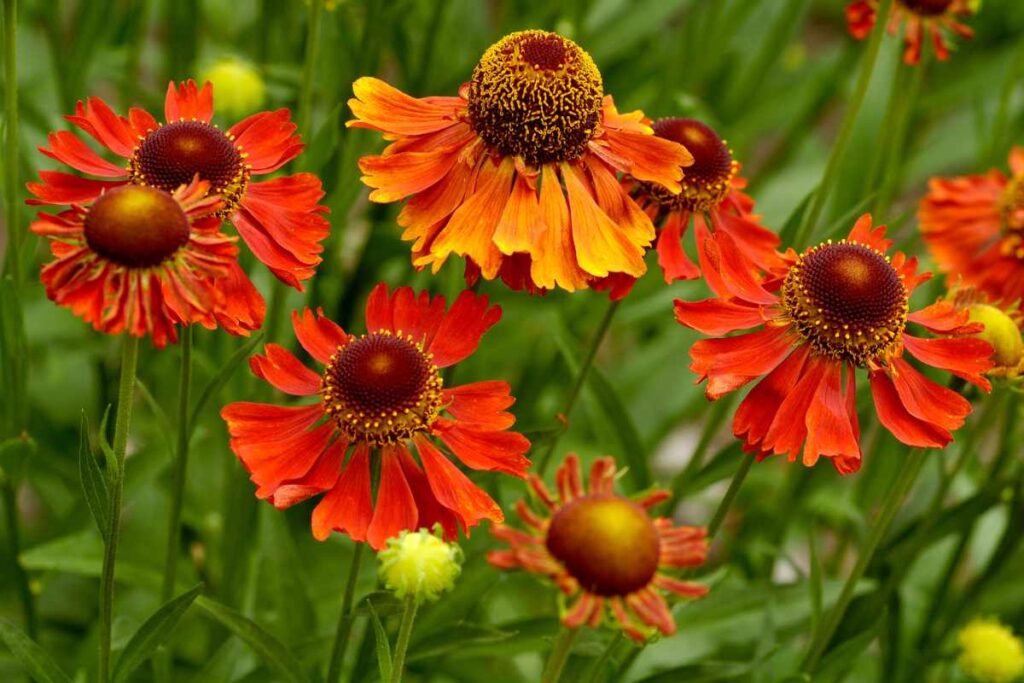
As summer begins to fade and many garden beds lose their brilliance, there’s one standout performer that refuses to be overshadowed: sneezeweed.
Known botanically as Helenium autumnale, this cheerful perennial brings vibrant energy to the late-season landscape. Its bright, daisy-like blooms—ranging from golden yellow to fiery orange and deep red—offer a much-needed splash of color just as the days grow shorter.
Despite its misleading name, sneezeweed is not an allergen.
Instead, it’s a hardy and dependable bloomer that can transform an average fall garden into a warm, welcoming haven for pollinators and plant lovers alike.
A Bold Statement for Autumn Gardens
While spring and early summer get much of the gardening spotlight, fall has its quiet magic. It’s a time of soft sunlight, crisp air, and rich hues—and sneezeweed fits right in.
These plants bloom abundantly from late summer into early autumn, just when many other flowers are starting to decline.
The bloom period can last several weeks, making it an ideal addition to borders, wildflower areas, or mixed perennial beds. Its vibrant tones contrast beautifully with ornamental grasses, asters, and other late bloomers, helping you extend the life of your garden well into the season.
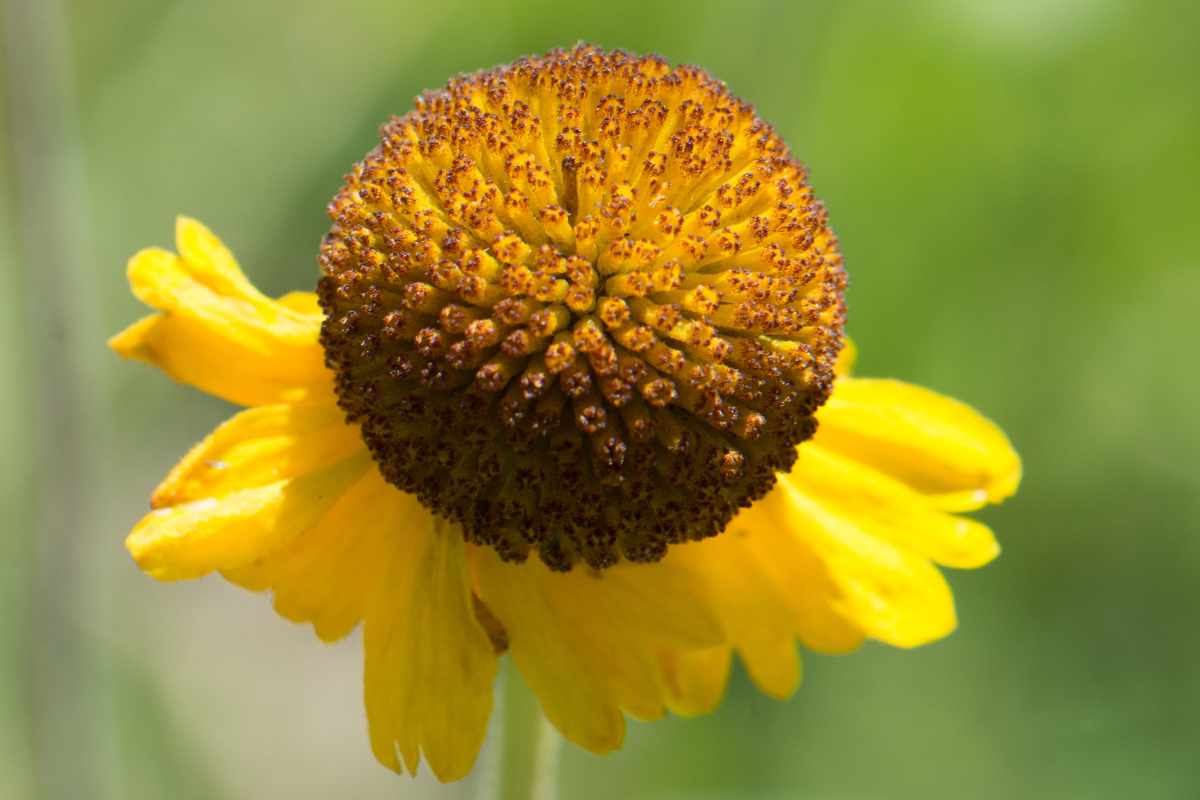
Ideal Growing Conditions
Sneezeweed thrives in full sun and prefers consistently moist, well-draining soil. It naturally grows in meadows and along streambanks, so it appreciates a spot that doesn't dry out completely.
However, it’s remarkably adaptable and can perform well in average garden conditions as long as it's not planted in overly dry soil.
Adding compost or organic matter at the time of planting will help the roots establish quickly. Once mature, sneezeweed is fairly low-maintenance, requiring little beyond occasional watering during drought and a bit of support if it grows tall.
Encouraging Longer Blooms
To keep sneezeweed looking its best throughout the season, you can deadhead spent flowers, which helps encourage new blooms and prevents the plant from putting energy into seed production too early.
Taller varieties may benefit from staking or being planted among sturdier neighbors to help support their upright growth.
For even bushier plants, consider pinching back the stems in early summer. This will result in shorter, sturdier plants that produce more flower heads when they bloom later in the season.
Benefits Beyond Beauty
Sneezeweed isn’t just about aesthetics. It also plays a valuable role in the garden ecosystem. Its blooms are a late-season food source for bees, butterflies, and other pollinators, providing nectar when few other plants are still flowering.
Because it’s a native North American plant, sneezeweed supports local wildlife and works well in pollinator-friendly landscapes. It can also help fill gaps in the garden, providing vertical interest and color when many other plants are going dormant.
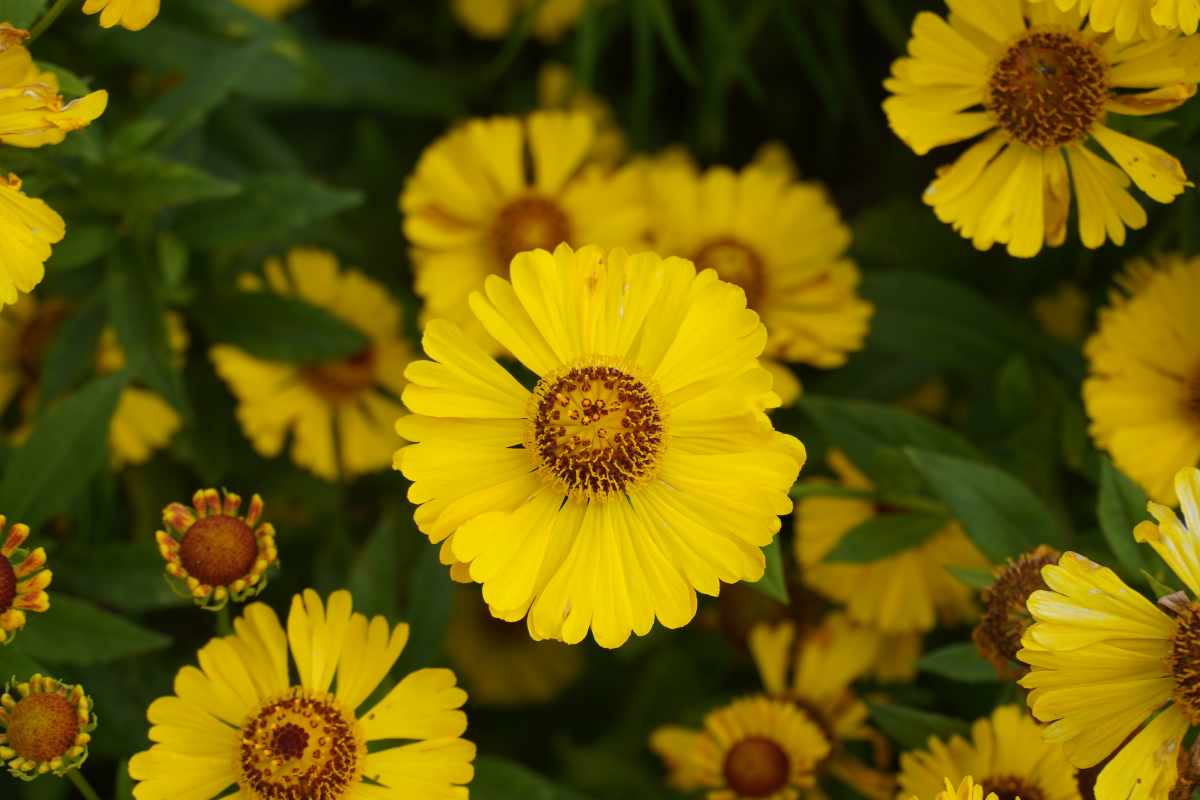
Versatility in Design
Whether you're planning a naturalistic planting or something more formal, sneezeweed can adapt. In cottage gardens, its loose, airy form blends seamlessly with echinacea, black-eyed Susans, and Joe Pye weed.
In more structured designs, it pairs well with ornamental grasses like switchgrass or little bluestem, which offer contrast in both texture and movement.
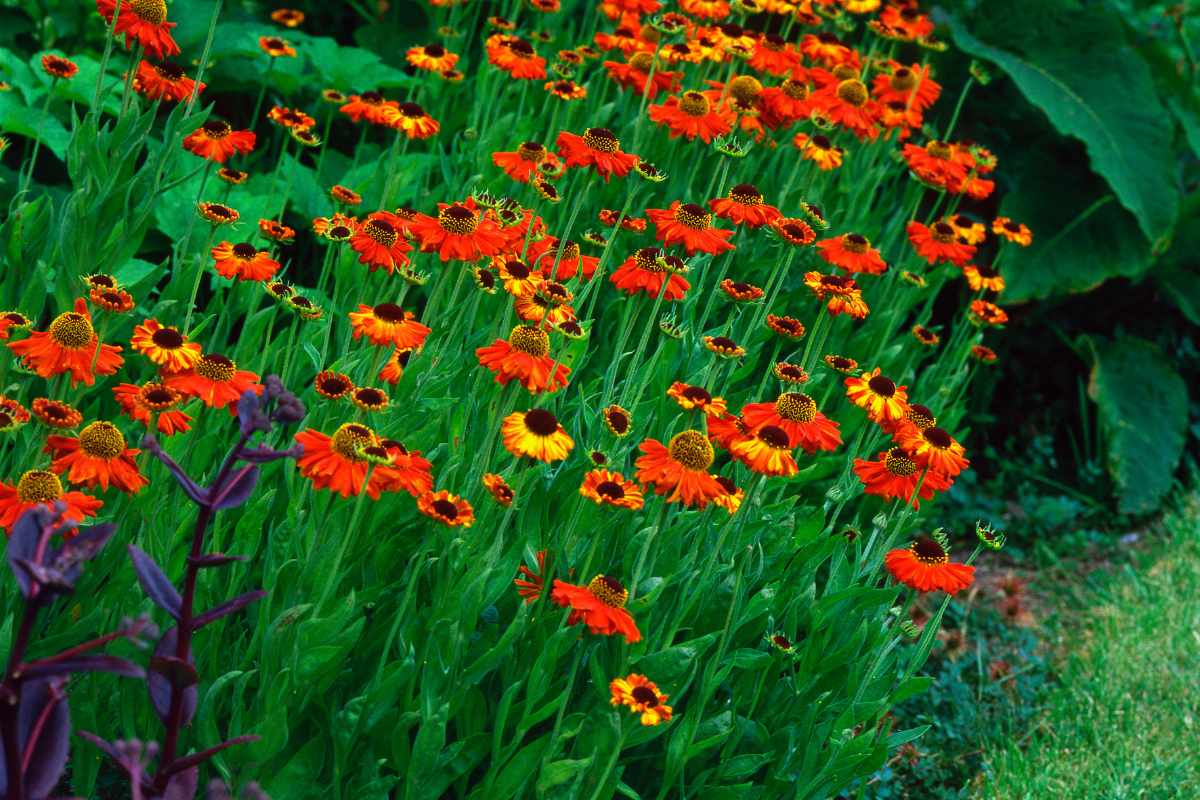
Because of its vivid color palette, sneezeweed also works beautifully in warm-toned themes. If your garden leans into yellows, oranges, and russet reds during fall, this plant is a perfect companion. You can mix multiple varieties for a gradient of autumn shades or let a single cultivar shine in mass plantings.
Managing Growth and Spread
Although sneezeweed doesn’t typically spread aggressively, it can become a bit crowded over time. Every few years, dividing clumps in early spring or fall helps maintain vigor and prevents overcrowding.
This is also a great opportunity to multiply your plants and add color to new areas of the garden.
Propagation by seed is also possible, though less common among home gardeners. If you let a few blooms go to seed, you may find surprise seedlings the following spring, especially if the soil is disturbed or exposed.
Not Just for the Garden
The long-lasting blooms of sneezeweed make it a charming addition to cut flower arrangements. Their strong stems and bright petals hold up well in vases, offering an easy way to bring a touch of autumn indoors.
Whether you’re creating a rustic bouquet or mixing it with late-season dahlias and sunflowers, sneezeweed offers contrast and warmth. It’s particularly lovely when paired with grasses, seedpods, or branches with colorful foliage.
Debunking the Name
The name “sneezeweed” often raises eyebrows, but it’s a bit misleading. Historically, dried parts of the plant were used in snuff, causing sneezing intentionally as part of traditional medicine.
The fresh blooms, however, don’t trigger allergies the way wind-pollinated plants like ragweed do.
This confusion sometimes causes gardeners to avoid sneezeweed unnecessarily. In reality, it’s a friendly and beneficial plant that poses no threat to allergy sufferers and deserves a spot in any fall-focused garden design.
Seasonal Planning with Intention
Including plants like sneezeweed in your design means you’re planning for the full gardening year—not just spring and summer. It ensures that interest and color continue through the final stages of the growing season, which often gets overlooked.
A well-designed fall garden lifts spirits as temperatures drop and days shorten.
With sneezeweed in bloom, your outdoor space can remain alive with color, movement, and the gentle buzz of pollinators even in September and October.
Did you find this post useful or inspiring? Save THIS PIN to your GARDENING Board on Pinterest!
More Gardening Tips 👇🏼👇🏼