
Ancient Civilizations and Their Favorite Crops


Agriculture has been the foundation of civilization since humans first began settling in permanent communities.
Long before supermarkets and commercial farming, ancient cultures across the globe relied on carefully chosen crops that met their nutritional, medicinal, and cultural needs.
These staple foods shaped societies, influenced trade, and even played roles in rituals and governance.
Learning about these crops offers insight into how past civilizations thrived in diverse environments and how their agricultural choices still impact modern diets today.
Egypt’s Reliance on the Nile and Grains
In the fertile lands along the Nile River, the ancient Egyptians developed a sophisticated farming system based on seasonal flooding. The river deposited nutrient-rich silt across the floodplain, creating ideal conditions for agriculture.
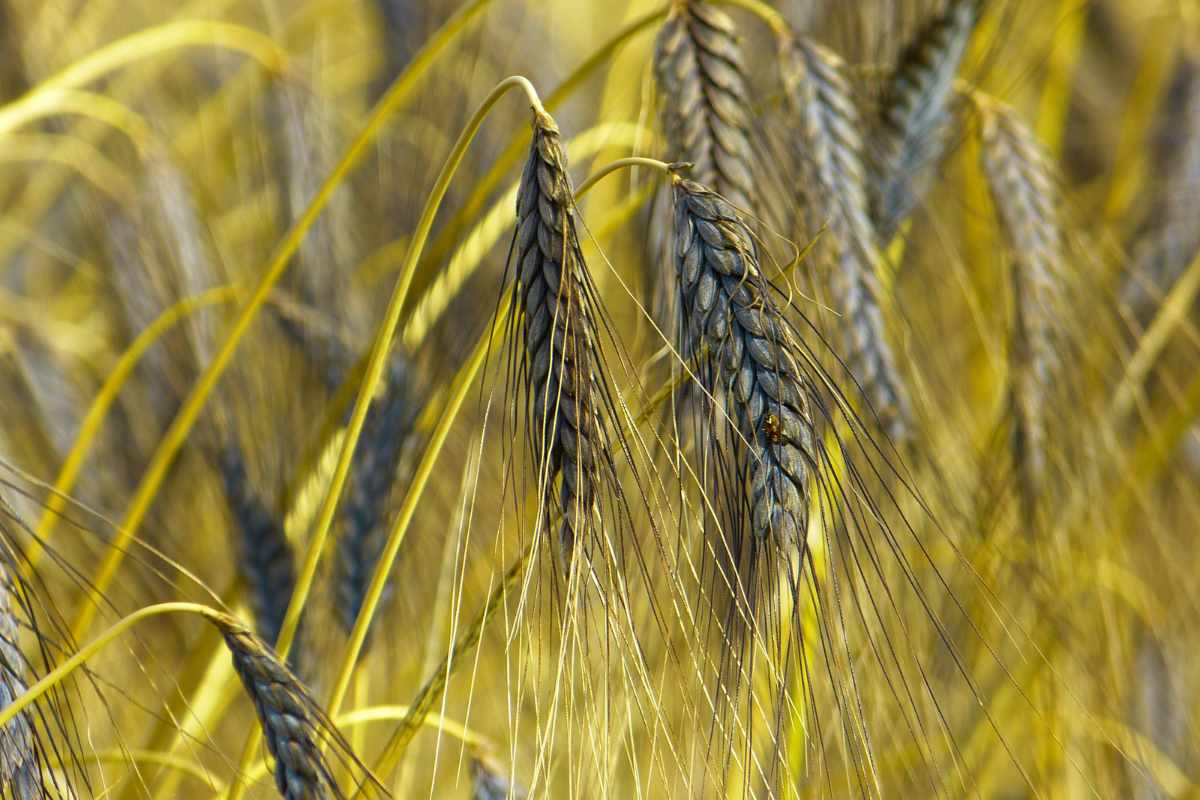
One of their primary crops was emmer wheat, an early ancestor of modern wheat. Alongside it, they cultivated barley, which was used for bread, porridge, and even beer, considered a daily staple among all social classes.
Vegetables like onions, leeks, and garlic were highly valued not only for flavor but also for their presumed health benefits. Lettuce, surprisingly, had ceremonial importance in Egyptian culture and was associated with fertility deities.
This blend of practical use and symbolic meaning reflects how deeply agriculture was woven into their spiritual and economic life.
Mesopotamia’s Innovation with Irrigation and Cereals
Often referred to as the “cradle of civilization,” Mesopotamia thrived between the Tigris and Euphrates rivers. Faced with a drier climate and unpredictable flooding, early farmers here pioneered irrigation systems that allowed crops to flourish in otherwise arid land.
Like Egypt, barley was the dominant crop, appreciated for its resilience to heat and saline soils.
Another significant plant was the date palm, which provided not only sweet fruits but also fiber for weaving and wood for construction. The versatility of this tree made it central to Mesopotamian life. Lentils, chickpeas, and onions were also widespread, forming the basis of meals and ensuring a steady supply of protein and fiber.
Mesoamerican Staples: Maize, Beans, and Squash
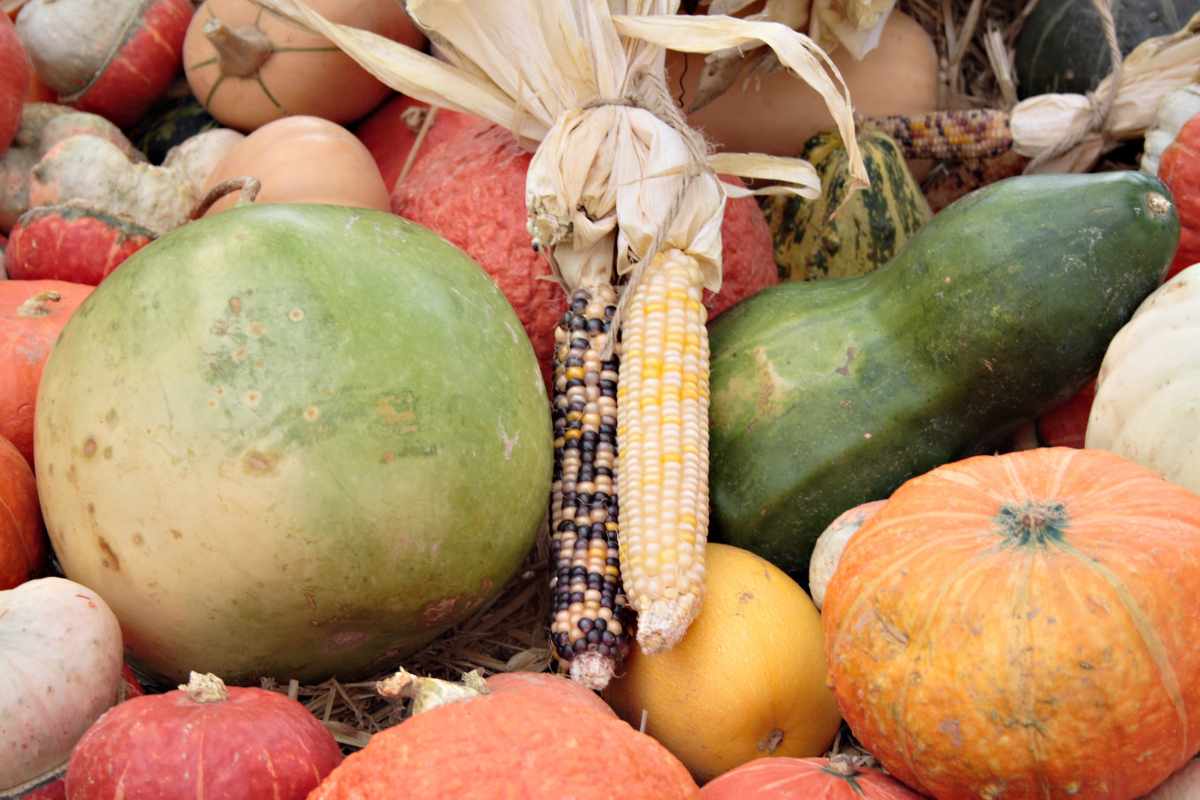
In ancient Mesoamerica, civilizations such as the Maya, Olmec, and Aztecs built entire cultures around a trio of crops known as the Three Sisters: maize, beans, and squash.
These plants were grown together in a complementary planting system. Corn served as a structural support for climbing beans, beans added nitrogen to the soil, and squash spread along the ground, helping retain moisture and deterring weeds.
Maize, or corn, wasn’t just a dietary staple—it had immense religious significance. The Maya believed humans were created from maize dough, and festivals centered around planting and harvest were common.
This deep spiritual bond with agriculture is one of the reasons maize continues to hold such cultural importance in the Americas.
Ancient China’s Diverse Diet from Rice to Millet
The ancient Chinese developed agriculture across a variety of terrains, from wet southern plains to northern steppes. In the south, rice was the dominant crop, grown in flooded paddies that supported dense populations.
In the north, millet—especially foxtail and broomcorn millet—was better suited to drier soils and provided a reliable grain for both humans and livestock.
Soybeans became increasingly important over time, offering a rich source of protein and forming the foundation for products like tofu and soy sauce. The Chinese also cultivated a wide range of fruits, including peaches and plums, and valued herbs such as ginger and garlic for both culinary and medicinal purposes.
Incan Mastery of Andean Crops
Farming at high altitudes in the Andes Mountains required ingenuity, and the Inca civilization rose to the challenge. Through terracing, irrigation, and seed selection, they developed a robust agricultural system.
Their most famous crop is undoubtedly the potato, of which they cultivated hundreds of varieties, many uniquely adapted to different elevations.
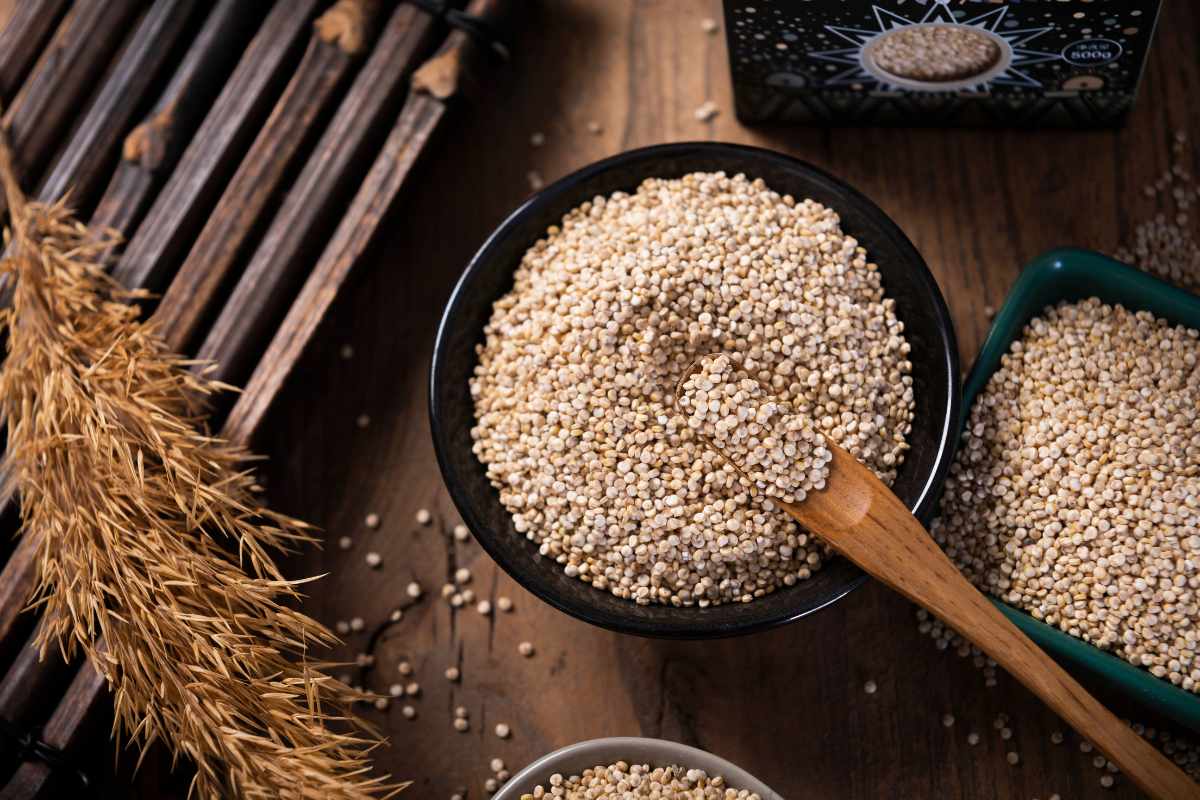
They also grew quinoa, a protein-rich seed that thrives in poor soils and cold climates. Maize was less common in the highlands but still used ceremonially. The Inca diet was supplemented with native fruits, tubers, and the amaranth plant, another nutrient-dense seed now popular in health-conscious diets.
Greco-Roman Agriculture and Mediterranean Staples
In the ancient Mediterranean, the Greeks and Romans relied heavily on what became known as the Mediterranean triad: wheat, grapes, and olives. Wheat was central to bread-making, the most common staple across all classes.
Grapes were used to produce wine, not only for pleasure but as a sanitized alternative to drinking water. Olives provided oil for cooking, lighting, and personal care.
Vegetables like cabbage, lentils, and cucumbers were also common, and herbs such as mint, rosemary, and thyme added flavor and medicinal value. These crops were integral not just to daily meals but to economic and political life, especially through trade and taxation.
Agricultural Legacies That Endure
The crops favored by ancient civilizations continue to shape modern food systems. Wheat, rice, maize, and barley remain among the most widely cultivated crops today.
Beyond their nutritional role, they carry with them stories of ingenuity, adaptation, and cultural meaning. Their resilience across centuries is a testament to how wisely early peoples selected and refined the plants that sustained them.
Gardening and farming today still echo ancient practices. Companion planting, crop rotation, and seed saving were all used long before modern science gave them formal names.
In a time when sustainability is more important than ever, revisiting these traditional methods and the crops behind them can guide us toward a more balanced relationship with the land.
Did you find this post useful or inspiring? Save THIS PIN to your GARDENING Board on Pinterest!

More Gardening Tips 👇🏼👇🏼