
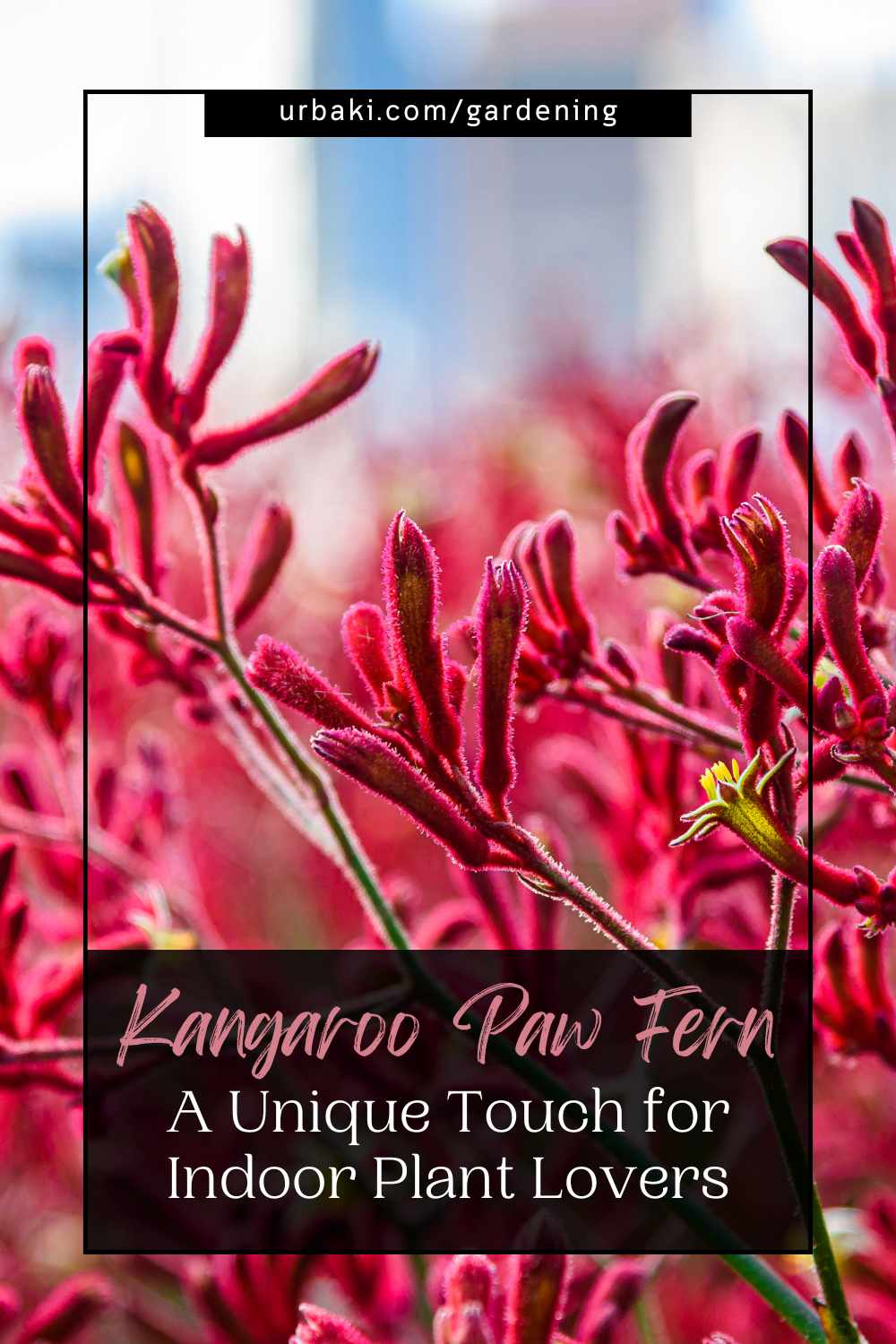
Kangaroo Paw Fern: A Unique Touch for Indoor Plant Lovers

For those looking to expand their indoor plant collection beyond the usual suspects, the Kangaroo Paw Fern offers a refreshing change. With its quirky, finger-like fronds and lush green foliage, this tropical beauty adds personality and texture to any room.
Native to Australia and parts of New Zealand, the plant's scientific name—Microsorum diversifolium—reflects its unique leaf shapes, which vary in size and form even on the same plant.
Whether you're a seasoned plant enthusiast or just starting your journey into indoor greenery, the Kangaroo Paw Fern is a fantastic choice. It’s not only visually striking but also relatively low-maintenance, making it a reliable addition to your indoor jungle.
Distinctive Foliage and Texture
What sets this fern apart is its bold, shiny leaves that resemble the toes of a kangaroo’s paw—hence the name. Unlike the delicate, lacy appearance of many other ferns, this one brings a more solid, sculptural presence to your indoor space.
Its foliage varies from narrow and deeply lobed to broader and paddle-like, often on the same plant, creating an organic, unpredictable look that many plant lovers find captivating.
The texture and shape make it an excellent contrast to softer-leaved plants like pothos or peace lilies. It works beautifully as a statement piece in a decorative pot or as part of a diverse cluster of houseplants.
Lighting That Keeps It Happy
Kangaroo Paw Ferns prefer bright, indirect light, similar to the dappled conditions found under forest canopies in their native habitat. Direct sunlight can scorch the leaves, while too little light may result in leggy growth and pale foliage.
A spot near an east- or north-facing window is often ideal.
They can tolerate lower light than many tropical plants, but growth will slow under dim conditions. If you notice the leaves stretching or becoming sparse, consider moving the plant to a slightly brighter location or supplementing with artificial light.
Watering Without the Stress
Like many ferns, this plant enjoys consistently moist—but-not-soggy soil. The key is to find a balance. Allow the top inch of soil to dry out between waterings, and always ensure the pot has good drainage. Watering too frequently can lead to root rot, while letting it dry out completely may cause browning and leaf drop.
Humidity also plays a role in keeping this fern content. Though it’s more forgiving than other ferns, it will appreciate a boost from regular misting, a nearby humidifier, or placement in a naturally damp room like a bathroom (provided it still receives enough light).
Soil and Potting Tips
The Kangaroo Paw Fern does best in well-aerated soil that retains moisture without becoming compacted. A high-quality indoor potting mix combined with a bit of orchid bark or perlite creates the ideal blend.
This allows roots to breathe while also holding enough water to keep the plant hydrated.
As with most houseplants, it’s wise to avoid oversized containers. Choose a pot just slightly larger than the root ball to help prevent overwatering and ensure healthy root development. Repotting every two to three years helps refresh the soil and gives the plant space to grow.
A Perfect Fit for Creative Decor
Thanks to its sculptural form, this fern is a favorite for interior design. It pairs well with mid-century modern décor, natural wood textures, and minimalistic spaces that benefit from a burst of organic charm.
Its unique fronds provide movement and visual interest, especially when placed in a ceramic pot on a pedestal, bookshelf, or plant stand.
It also complements tropical or boho-style interiors, mixing well with rattan, jute, and other leafy companions. Whether in a single plant display or part of a lush indoor garden, the Kangaroo Paw Fern adds dimension without overwhelming the space.
Pet-Friendly and Non-Toxic
For pet owners, plant choices often come with extra caution. Fortunately, the Kangaroo Paw Fern is considered non-toxic to cats and dogs, making it a safe option for households with curious furry companions.
While you’ll still want to discourage nibbling, it’s comforting to know that this plant doesn’t pose a danger if touched or accidentally chewed.
Troubleshooting Common Issues
Most problems with this fern stem from watering or lighting imbalances. Crispy edges usually point to dry air or infrequent watering, while yellowing leaves may suggest overwatering or poor drainage.
Adjusting your care routine based on the plant’s feedback is often all that’s needed.
Occasionally, pests like scale or mealybugs may appear, especially if the plant is stressed. Regularly inspecting the foliage and wiping the leaves with a damp cloth can help keep issues under control. Neem oil or insecticidal soap works well for light infestations.
Propagation and Sharing
If your fern becomes large and full, you can divide it during repotting. Simply separate the rhizomes and replant them in smaller pots with fresh soil. This is a great way to multiply your collection or share a piece with fellow plant lovers.
New divisions usually establish quickly if given proper care and time to adjust.
Propagation is also a fun way to better understand how this plant grows. Watching a new section root and thrive can be just as satisfying as seeing it flourish in your living room.
Did you find this post useful or inspiring? Save THIS PIN to your GARDENING Board on Pinterest!
More Gardening Tips 👇🏼👇🏼