
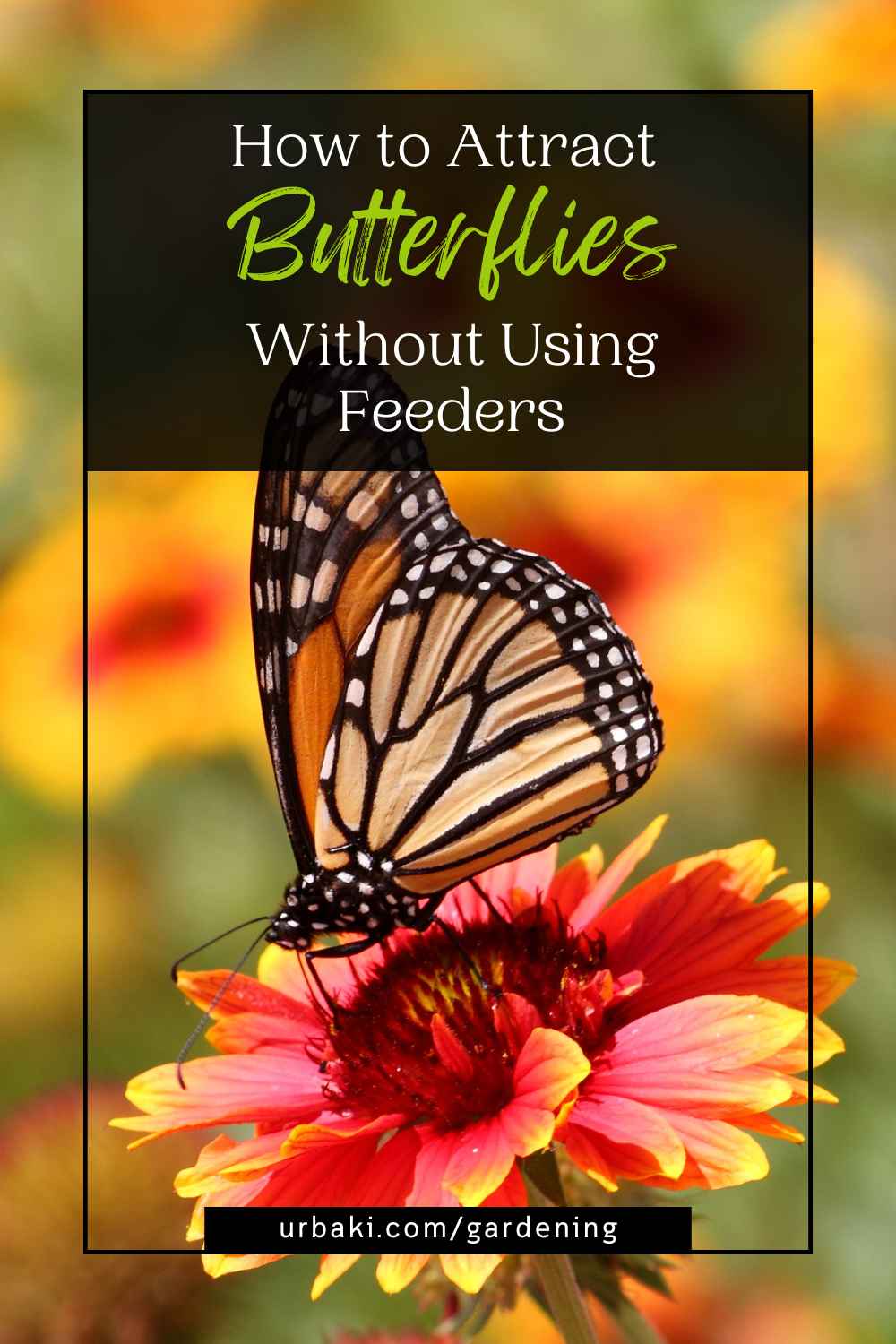
How to Attract Butterflies Without Using Feeders

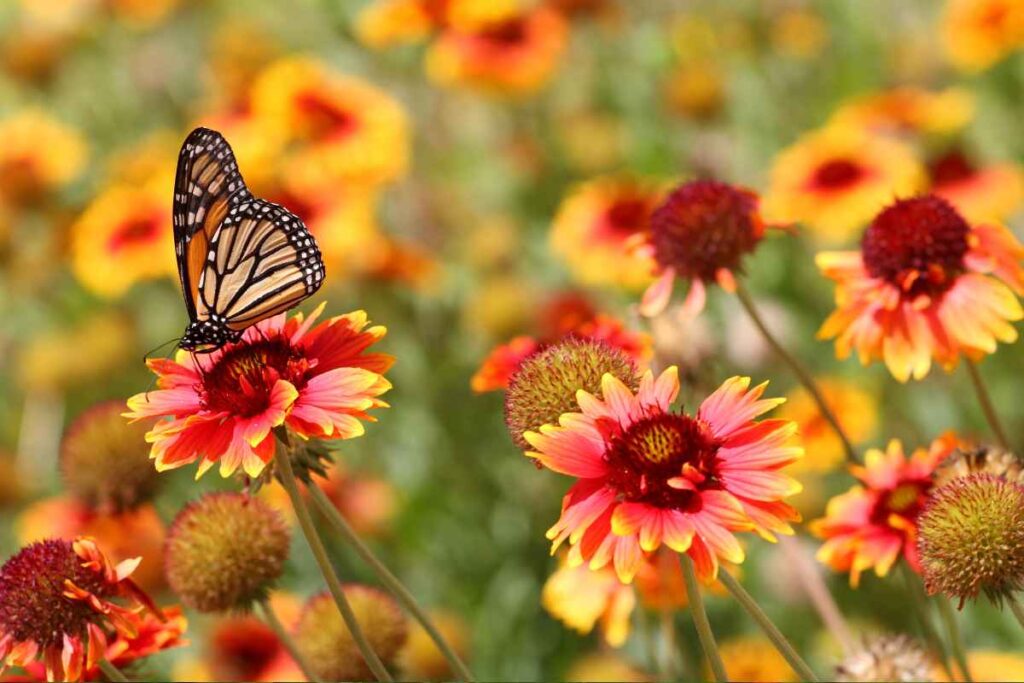
Butterflies are not only beautiful creatures but also vital pollinators in our ecosystems. They are an essential part of nature's delicate balance, and attracting them to your garden can help support biodiversity while adding color and life to your outdoor space.
While butterfly feeders are a popular way to lure these delicate insects, you can also attract them without relying on feeders. There are many natural and eco-friendly methods to create a butterfly-friendly environment that encourages these enchanting visitors to make your garden their home.
Understanding Butterfly Preferences
Before diving into ways to attract butterflies, it's essential to understand what butterflies are naturally drawn to. Butterflies are not just attracted to flowers for nectar; they also need places to rest, lay eggs, and find shelter from predators.
Creating a diverse and welcoming environment will increase your chances of attracting butterflies without the need for feeders.
The Importance of Native Plants
One of the most effective ways to attract butterflies without using feeders is by planting native plants. These plants are well-suited to your local climate and provide butterflies with the nectar and food they need.
Native plants also support the entire butterfly life cycle, from the larvae stage to adult butterflies. Consider planting a variety of flowers with different bloom times to provide a continuous food source throughout the seasons.
Plant Butterfly-Friendly Flowers
Flowers are undoubtedly one of the best ways to attract butterflies. However, not all flowers are equally appealing to butterflies. When selecting flowers for your garden, consider those that produce nectar-rich blooms.
Some species of butterflies, such as the monarch and swallowtail, prefer certain types of flowers. Here are some butterfly-friendly flowers that will entice these stunning insects into your garden:
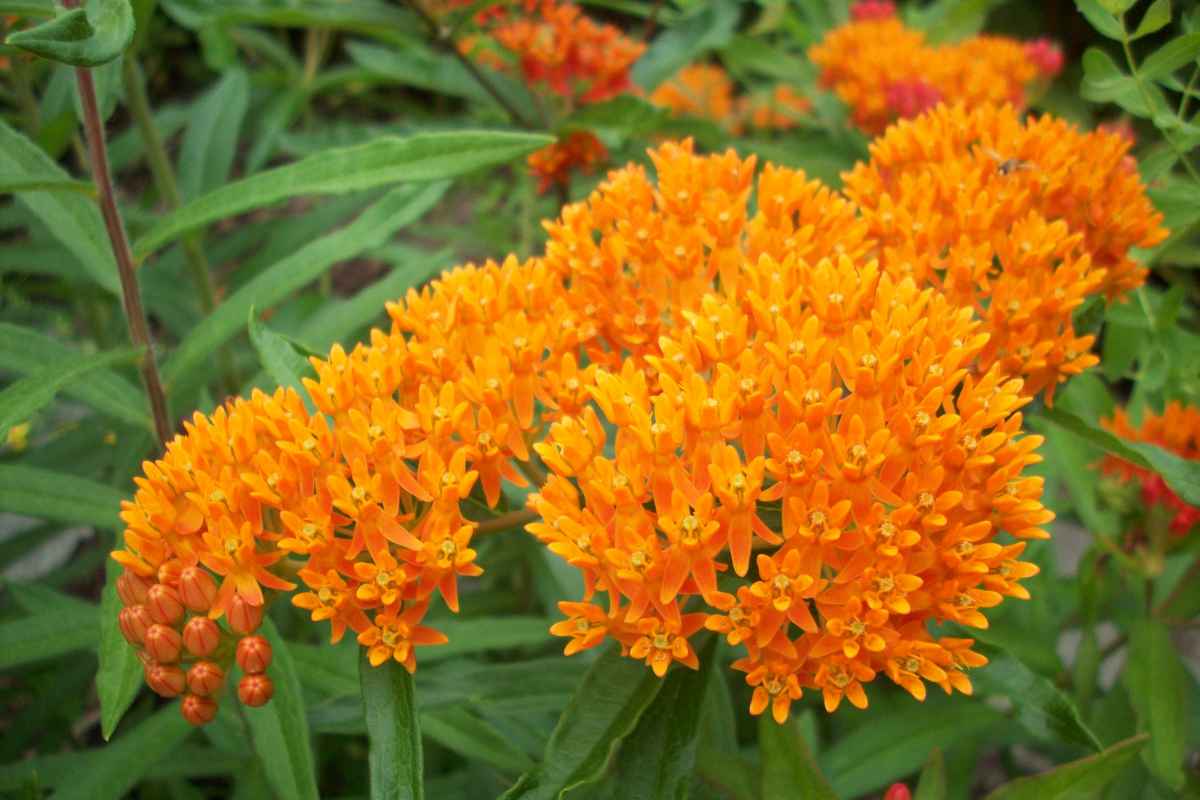
1. Milkweed (Asclepias spp.)
Milkweed is the host plant for monarch butterflies. The caterpillars of monarchs feed on the leaves, making milkweed an essential addition to your garden if you want to attract monarchs. Its pink and orange flowers are also beautiful to adult butterflies looking for nectar.
2. Echinacea (Coneflower)
Coneflowers are another popular nectar source for butterflies. Their large, daisy-like flowers are both attractive and easy to grow. Echinacea comes in a variety of colors, including pink, purple, and white, making it an excellent addition to any garden.
3. Lantana
Lantana produces small, clustered flowers in bright, vibrant colors. This plant is known for attracting a wide variety of butterflies due to its long-lasting blooms and nectar-rich flowers. Lantana thrives in warm climates, making it ideal for gardeners in regions with hot summers.
4. Lavender
Lavender is not only a fragrant herb that attracts butterflies, but its tall spikes of purple flowers are a nectar-rich treat for these winged creatures. Lavender also attracts other beneficial insects, such as bees, and adds beauty to your garden.
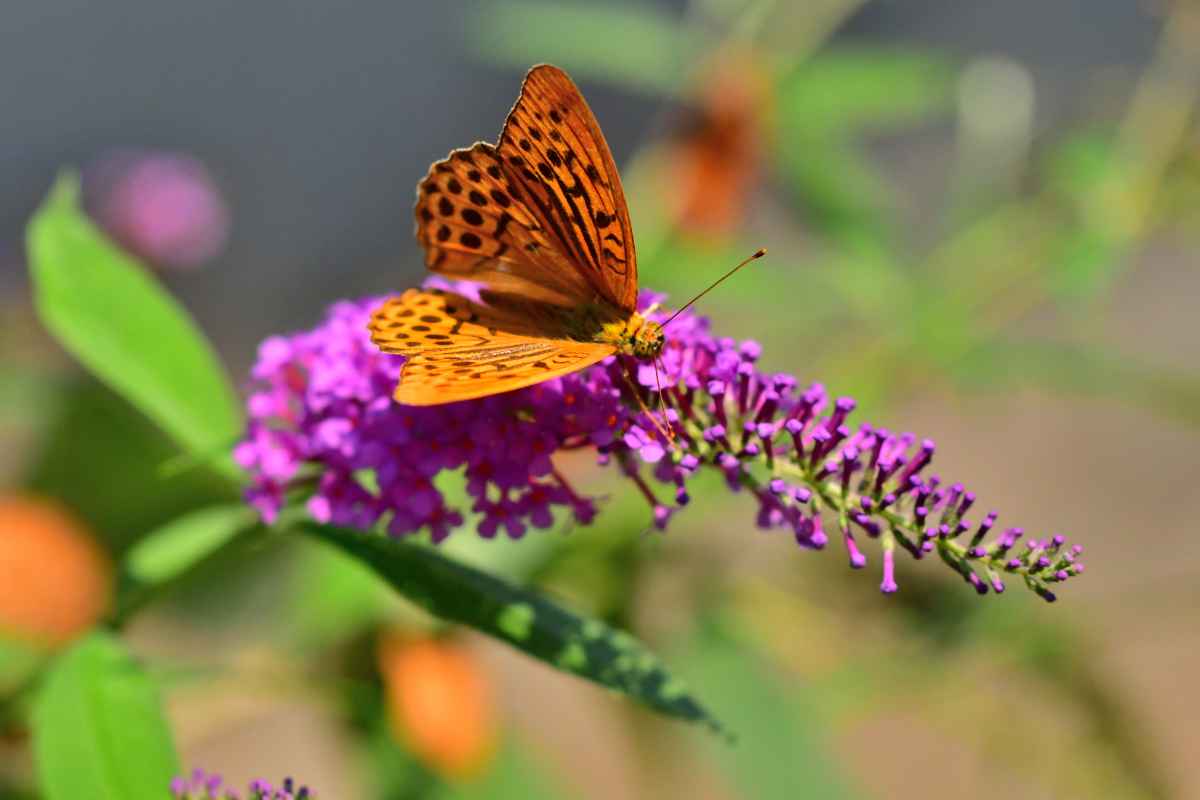
5. Butterfly Bush (Buddleia)
As the name suggests, the butterfly bush is a favorite among butterflies. Its long, fragrant flower clusters attract butterflies of all kinds. Buddleia comes in a variety of colors, including purple, pink, and white, and blooms throughout the summer, providing a reliable food source.
Provide a Water Source
Butterflies need water just like any other creature, but they don't drink in the traditional sense. They prefer to puddle in shallow water, where they can absorb moisture and salts from the ground. A shallow birdbath or a small puddle in your garden will provide the perfect drinking station for butterflies.
Creating a Butterfly Puddle
To create a butterfly-friendly puddle, fill a shallow dish with water and place small stones or pebbles at the bottom. The butterflies can land on the stones and sip the water without getting overwhelmed. Keep the water shallow and change it regularly to prevent stagnation and mosquito breeding.
Offer Shelter and Resting Areas
Butterflies need a place to rest and escape predators, particularly on hot days when they may need a shady retreat. Providing shelter in the form of shrubs, trees, and tall grasses can encourage butterflies to linger in your garden. Additionally, tall plants with large leaves can offer shaded spots for butterflies to rest during their flight.
Create a Butterfly Haven
Incorporating a mix of native shrubs like dogwood and willow, along with tall grasses, creates a diverse environment where butterflies can find rest and shelter. If you have space, plant a butterfly garden that includes both nectar plants and plants that provide cover and hiding places for caterpillars and pupae.
Encourage Butterfly Larvae and Pupae
If you want to create a more complete habitat for butterflies, consider planting the host plants for their larvae. Different butterfly species lay their eggs on specific plants that their larvae will feed on after hatching. By including these plants, you are supporting the entire butterfly lifecycle.
Host Plants for Butterfly Larvae
For example, the fennel and parsley plants are favorites of the swallowtail butterfly larvae, while milkweed is crucial for monarch caterpillars. You can find the right host plants for your local butterfly species by researching which butterflies are native to your area and the plants they prefer for egg-laying.
Avoid Pesticides and Herbicides
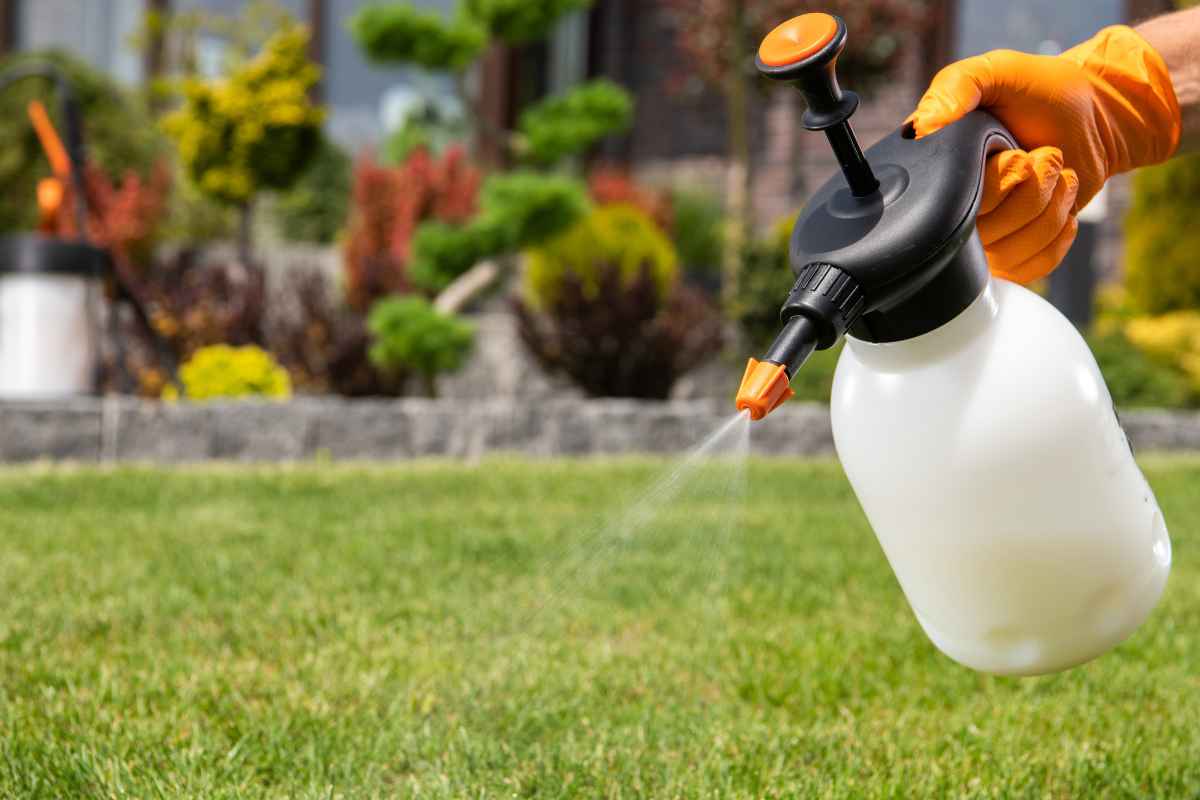
One of the easiest ways to attract and keep butterflies in your garden is by avoiding the use of pesticides and herbicides.
These chemicals can be harmful to butterflies, especially in the larval and pupal stages, when they are most vulnerable.
Instead, consider natural pest control methods, such as companion planting, which can help manage pests without harming butterflies.
Plant for Different Seasons
Butterflies are active throughout the year, but their needs change with the seasons. By planting a diverse array of flowers that bloom at different times, you can provide butterflies with food and shelter year-round. This will help you attract different butterfly species throughout the growing season.
Spring and Summer Blooms
In the spring and summer, opt for flowers like black-eyed Susans and butterfly weed that provide ample nectar. Zinnias and marigolds are also excellent for summer, offering bright blooms that attract a variety of butterfly species.
Fall and Winter Blooms
In the fall, consider planting asters and goldenrod, which are late-season favorites for many butterfly species. If you live in a colder climate, you may also want to provide shelter in the form of leaf piles or an insect hotel to help butterflies survive the winter months.
A Garden That Welcomes Butterflies
Attracting butterflies without using feeders is not only possible but also an eco-friendly way to enjoy these beautiful insects.
By incorporating a mix of nectar-rich flowers, native plants, water sources, and sheltering areas, you can create an environment that supports butterflies throughout their entire life cycle.
Moreover, by avoiding harmful chemicals and focusing on natural plantings, you help protect these essential pollinators for future generations to enjoy.
By providing the right mix of resources, you can turn your garden into a butterfly haven, where these graceful creatures will flutter and dance all season long.
Did you find this post useful or inspiring? Save THIS PIN to your GARDEN Board on Pinterest!
More Gardening Tips 👇🏼👇🏼