
How to Grow Globe Amaranth for Long-Lasting Color

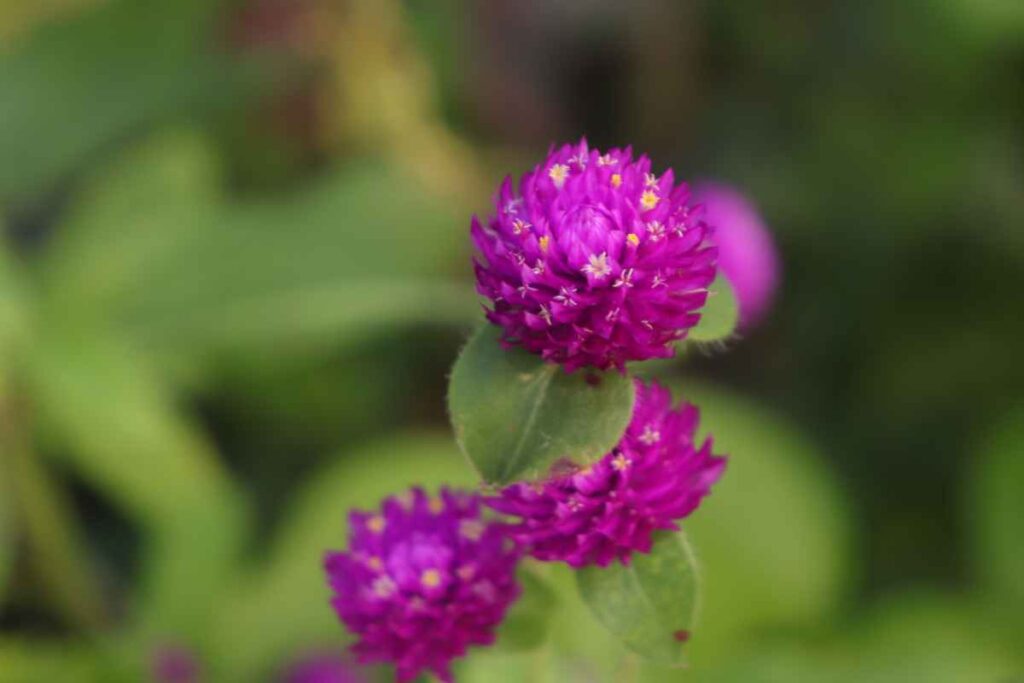
Globe Amaranth (Gomphrena globosa) is a striking, low-maintenance annual that brings vibrant color to your garden, even after other flowers have faded. Known for its long-lasting blooms, Globe Amaranth is a favorite among gardeners for its ability to thrive in warm climates and for its resilience in both garden beds and containers.
Whether you’re a seasoned gardener or a beginner, growing Globe Amaranth can add bold color and texture to your garden that lasts well into the fall.
In this guide, we’ll walk you through everything you need to know to successfully grow Globe Amaranth, from planting to care and harvesting. Let’s dive into how to cultivate this hardy, colorful flower for long-lasting beauty.
Understanding Globe Amaranth
Before you start planting, it's important to understand what makes Globe Amaranth such a beloved plant.
Native to Central America, Globe Amaranth is renowned for its durable, globe-shaped flowers that come in various colors, including vibrant shades of pink, purple, red, and white.
Unlike other flowers that fade after a short blooming period, Globe Amaranth flowers retain their color and beauty for a long time, making them perfect for cut flower arrangements and drying.
The plants themselves are bushy and compact, typically growing between 12 to 18 inches tall. The foliage is narrow, and the flowers appear in clusters, making them a striking addition to any garden.
Choosing the Right Location
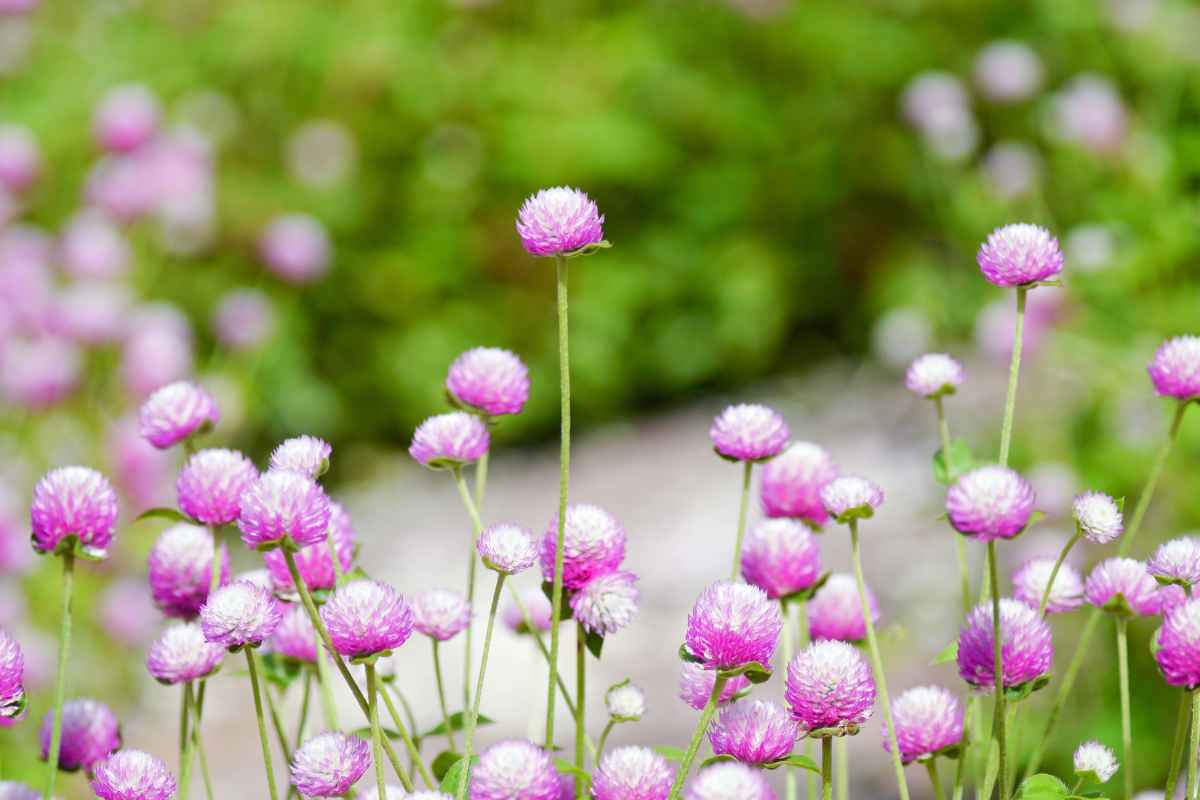
Globe Amaranth thrives in full sunlight, so it's important to choose a location that receives at least 6 hours of direct sunlight per day. These plants are heat-tolerant and do well in warm climates, which is why they are perfect for summer gardens. If you live in an area with hot summers, Globe Amaranth will flourish, but it’s important to keep in mind that they don’t fare well in overly humid conditions.
The soil should be well-draining and slightly acidic to neutral. Globe Amaranth doesn’t require overly rich soil, which makes it a great choice for low-maintenance gardens. However, adding a bit of compost to the soil can give them a slight nutrient boost, encouraging stronger growth.
Soil Preparation
Before planting, it’s important to ensure the soil is properly prepared. Globe Amaranth is relatively drought-tolerant, but it prefers well-draining soil that doesn’t stay too soggy. If you have heavy clay soil, consider amending it with organic material like compost or peat moss to improve drainage. Loamy or sandy soil is ideal for these plants.
To prepare your garden bed, loosen the soil to a depth of about 2 to 3 inches and mix in a small amount of compost. This will help improve both drainage and nutrient availability for your Globe Amaranth plants.
Planting Globe Amaranth
Globe Amaranth can be started from seeds or purchased as young plants from garden centers. Starting from seed is a cost-effective and rewarding way to grow these flowers. Here’s how to do it:
Starting Seeds Indoors
If you want to get a jump start on the growing season, you can begin seeds indoors 6-8 weeks before the last expected frost. Fill seed trays with seed-starting mix and plant the Globe Amaranth seeds 1/4 inch deep. Keep the trays in a warm spot (around 70°F to 75°F) and ensure the seeds stay moist but not waterlogged. The seeds should germinate in about 7-14 days.
Once the seedlings have two sets of leaves, they can be transplanted into larger pots. It’s best to harden off your young plants before transplanting them outdoors to help them acclimate to the outside conditions. Gradually expose them to outdoor conditions over the course of a week by placing them outside for a few hours a day, increasing the time each day.
Direct Sowing Outdoors
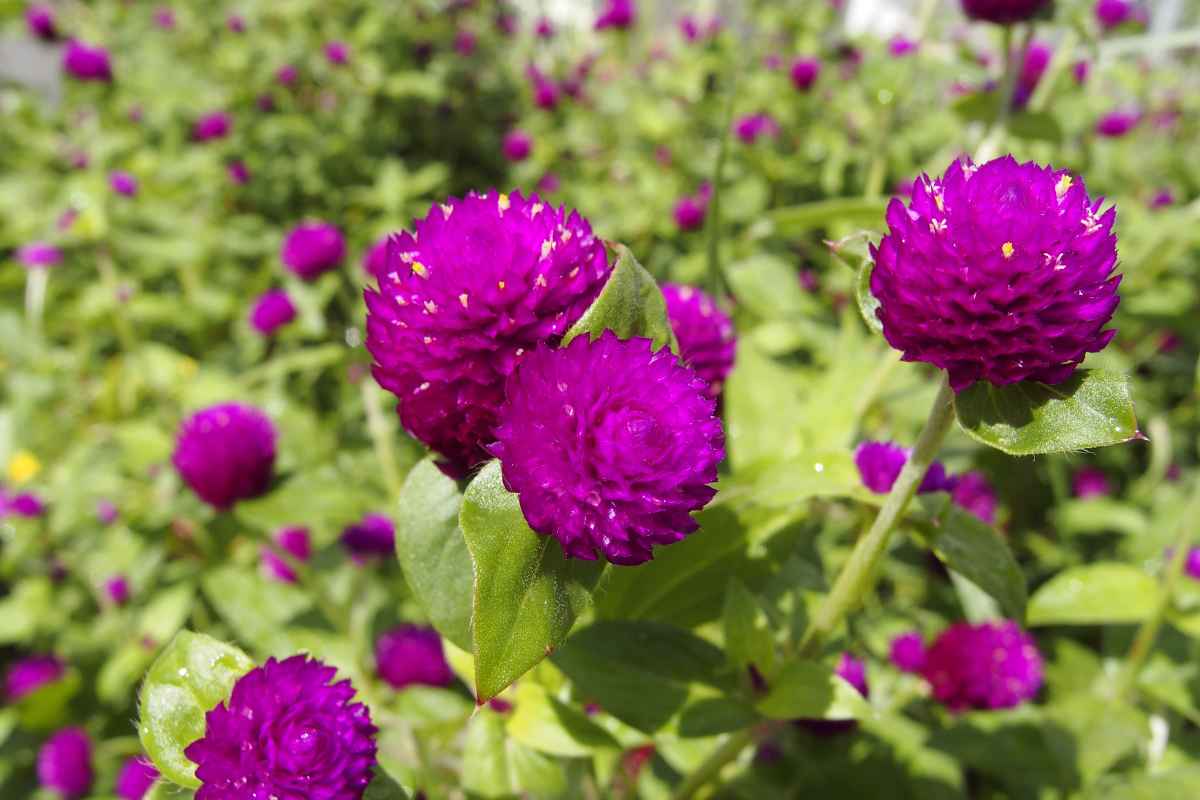
If you prefer to sow directly in the garden, wait until the last frost has passed, and the soil has warmed up. Simply scatter the seeds on the surface of the soil and lightly press them down. Make sure to keep the soil consistently moist until the seeds germinate. Thin the seedlings once they have several sets of leaves to allow for adequate space between plants, which helps with air circulation and reduces the chance of disease.
Caring for Globe Amaranth
Globe Amaranth is a relatively low-maintenance plant, but it still requires proper care to thrive and produce long-lasting blooms. Here are some essential care tips:
Watering
While Globe Amaranth is drought-tolerant, it does need consistent moisture during its early growth stages and when the plants are actively blooming. Once established, they can survive with moderate watering. However, ensure the soil doesn’t stay soggy, as this can lead to root rot. Water the plants at the base, avoiding wetting the foliage.
Fertilizing
Globe Amaranth doesn’t require heavy feeding, but they will benefit from an occasional balanced fertilizer. You can use a slow-release fertilizer or an organic compost to provide a steady source of nutrients throughout the growing season. Avoid over-fertilizing, as this can lead to excessive leaf growth at the expense of flowers.
Pruning and Deadheading
Pruning Globe Amaranth is relatively simple. Regularly deadhead the spent flowers to encourage continuous blooming. By removing the dead or faded blooms, you help the plant focus its energy on producing new flowers. You can also pinch back the stems when the plants are young to encourage a bushier growth habit.
Pest and Disease Management
Globe Amaranth is generally resistant to pests and diseases, but it can occasionally be affected by aphids or spider mites. If you notice small pests on the plants, treat them with a gentle insecticidal soap or a homemade neem oil solution. Ensure proper air circulation around the plants to prevent fungal diseases like powdery mildew, which can be common in humid conditions.
Harvesting Globe Amaranth
One of the best things about Globe Amaranth is its long-lasting blooms. These flowers make excellent cut flowers, and they are also great for drying, which helps preserve their vibrant colors.
Harvesting Fresh Blooms
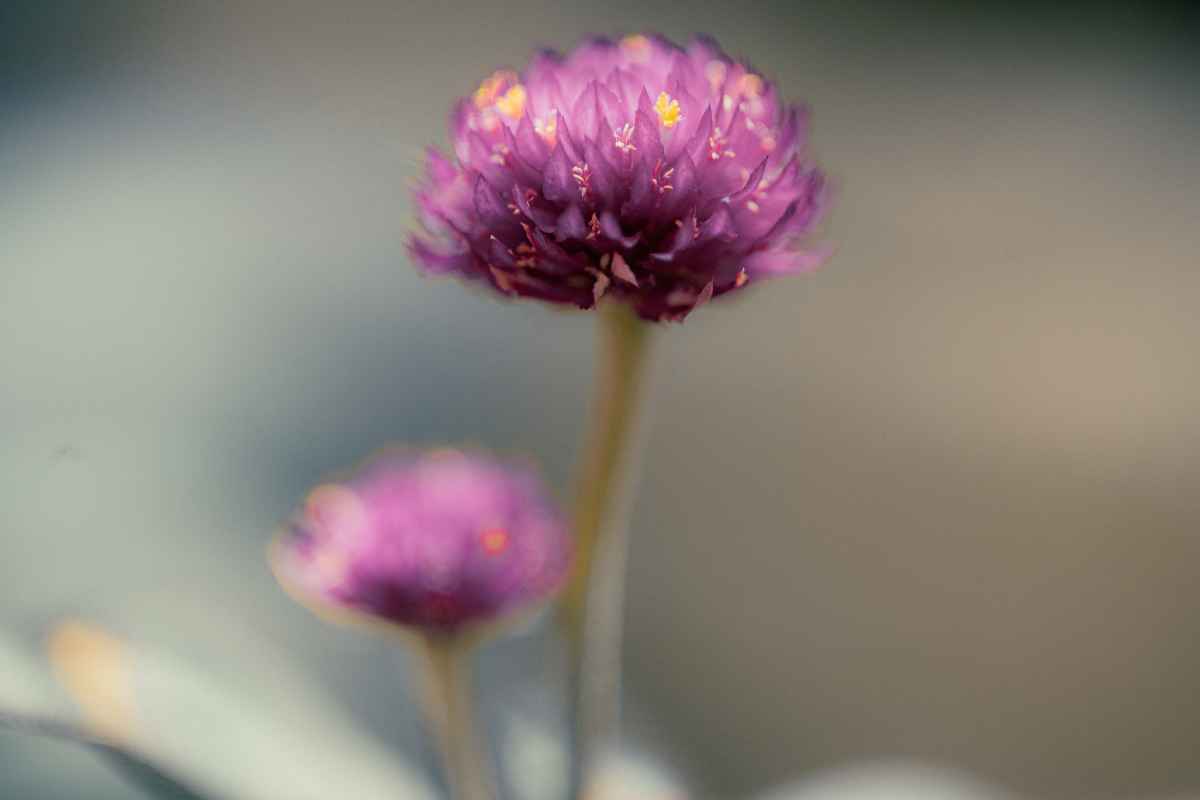
To cut Globe Amaranth for fresh arrangements, simply snip the stems just above a leaf node. This will encourage the plant to produce additional flowers. Harvest the flowers when they are fully open, but before they start to fade.
Drying Globe Amaranth
To dry Globe Amaranth, gather the stems and tie them in small bundles. Hang the bundles upside down in a cool, dry, well-ventilated area.
Allow them to dry for several weeks, and once they are fully dried, you can use them in floral arrangements or wreaths. Globe Amaranth retains its color and shape even when dried, making it a popular choice for both fresh and dried floral designs.
Enjoying the Long-Lasting Beauty of Globe Amaranth
Globe Amaranth is a fantastic plant that provides beautiful, long-lasting color throughout the growing season. By planting Globe Amaranth in full sun, using well-draining soil, and offering consistent care, you can enjoy vibrant flowers that attract pollinators and brighten your garden.
Whether you’re growing it for its cut flowers or for its dried floral arrangements, Globe Amaranth is sure to add a pop of color to your garden that lasts well into the fall. With its easy-care nature and versatile beauty, it’s a must-have plant for any gardener looking to enhance their landscape.
Did you find this post useful or inspiring? Save THIS PIN to your GARDEN Board on Pinterest!

More Gardening Tips 👇🏼👇🏼