
5 Smart Tips for Container Gardening Success

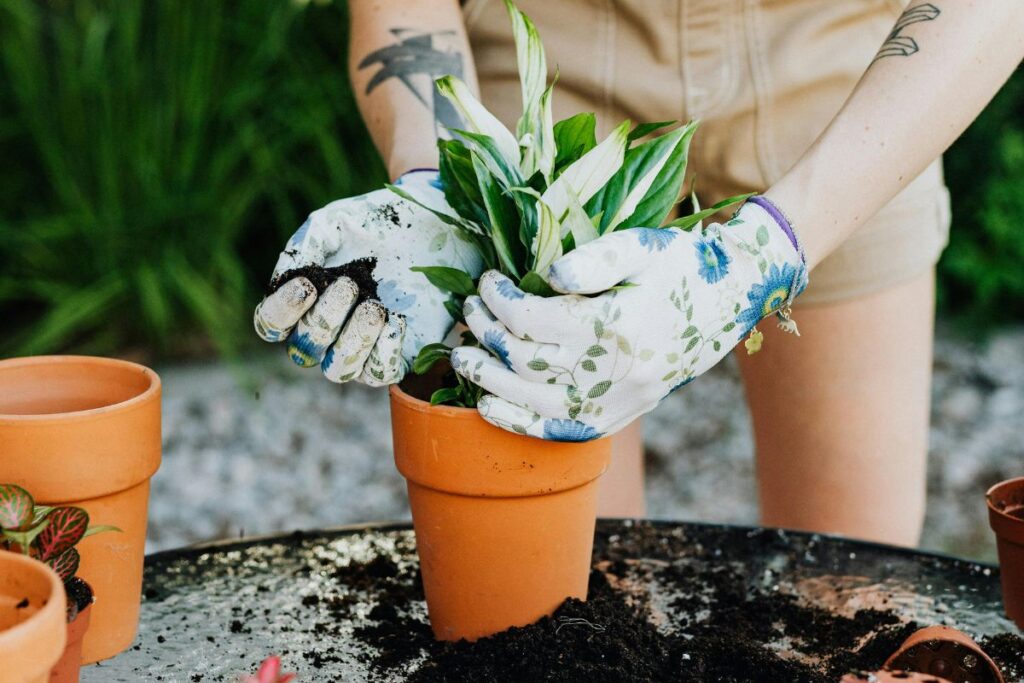
Container gardening is one of the most flexible ways to grow food and flowers when space is limited. Whether you’re setting up pots on a balcony, terrace, or small patio, a well-planned approach can turn a few garden planters into a thriving oasis.
In this guide, you’ll find five practical, easy-to-apply tips that address design, plant choices, shallow containers, budget setups, and yields.
Along the way, you’ll discover container gardening ideas you can use today—especially if you’re exploring gardening in pots for beginners or want quick wins for small vegetable gardens.
You’ll also get guidance on how to start container gardening, plus smart ways to keep things tidy with storage container gardening. Let’s dig in and make your pots work harder for you.
Tip 1: Solve Common Problems Before They Start
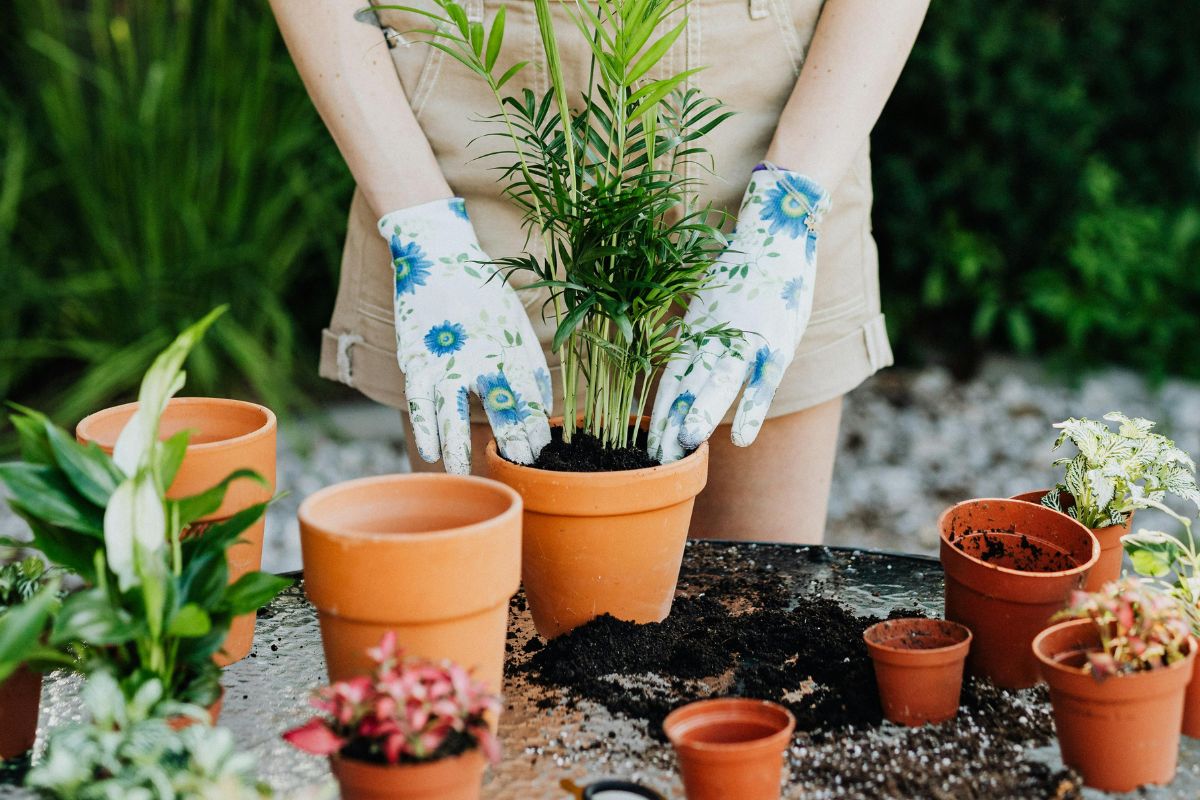 Every successful setup begins with prevention. The most frequent issues in growing in pots and containers—such as poor drainage, erratic watering, and mismatched pot sizes—can be minimized with the right plan.
Start by selecting planters with generous drainage holes, use a high-quality container mix (not garden soil), and choose vessels sized to your plants’ mature root systems.
These fundamentals dramatically reduce transplant shock and nutrient lockout.
If you’re working on beginner container gardening, keep a simple routine: water deeply when the top inch of soil is dry, feed lightly but consistently, and rotate pots for even light.
You’ll also avoid headaches by grouping plants with similar needs—herbs with herbs, greens with greens. For a deeper dive into diagnosing and preventing issues, see this in-depth guide: Overcoming Common Challenges in Container Gardening.
Design helps here, too. A thoughtful container garden design can create airflow paths and sun exposure micro-zones to curb pests and mildew.
Sketch a quick layout, noting sun angles and wind corridors—especially useful in patio gardening where walls and railings influence light and heat.
Tip 2: Build a Budget-Friendly, Step-by-Step Setup
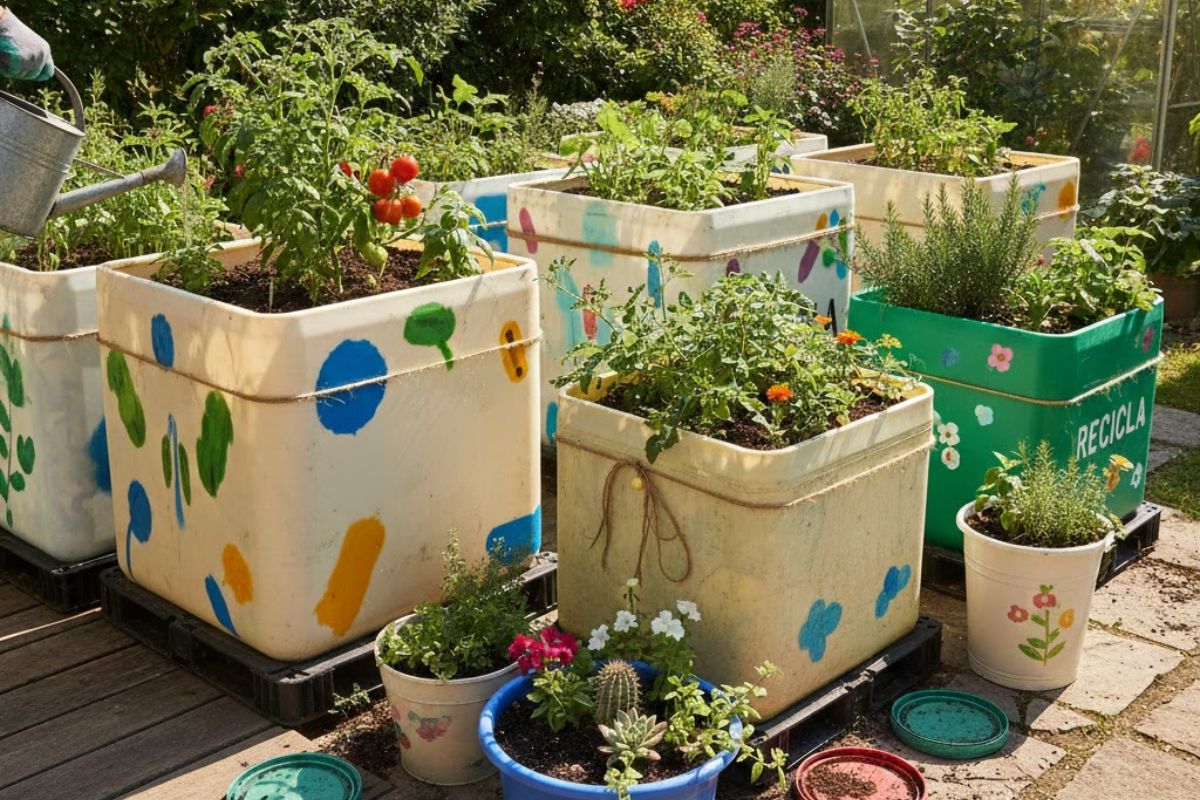 If you’re cost-conscious or just enjoy DIY container gardening, you can assemble a high-performing system for less.
Upcycle buckets and tubs into pots (add holes!), use repurposed shelving for verticality, and choose a few reliable starter crops.
This approach suits easy container gardening and keeps maintenance low while you refine your routine.
For beginner container gardening tips, keep your toolkit minimal: a trowel, watering can, slow-release fertilizer, and a moisture meter.
Prioritize soil quality over fancy planters; growing media is where your roots live, so that’s where your budget should go. Curious about a simple, low-cost build from zero? Explore this step-by-step primer: Cheap & Easy Container Gardening: Step by Step.
As your collection grows, create a nook for storage container gardening gear—fertilizers, spare pots, and tools—so your space stays tidy and your workflow efficient.
A clean, organized station turns how to start container gardening into a repeatable, fun habit.
Tip 3: Choose Productive Crops and Plan for Yield
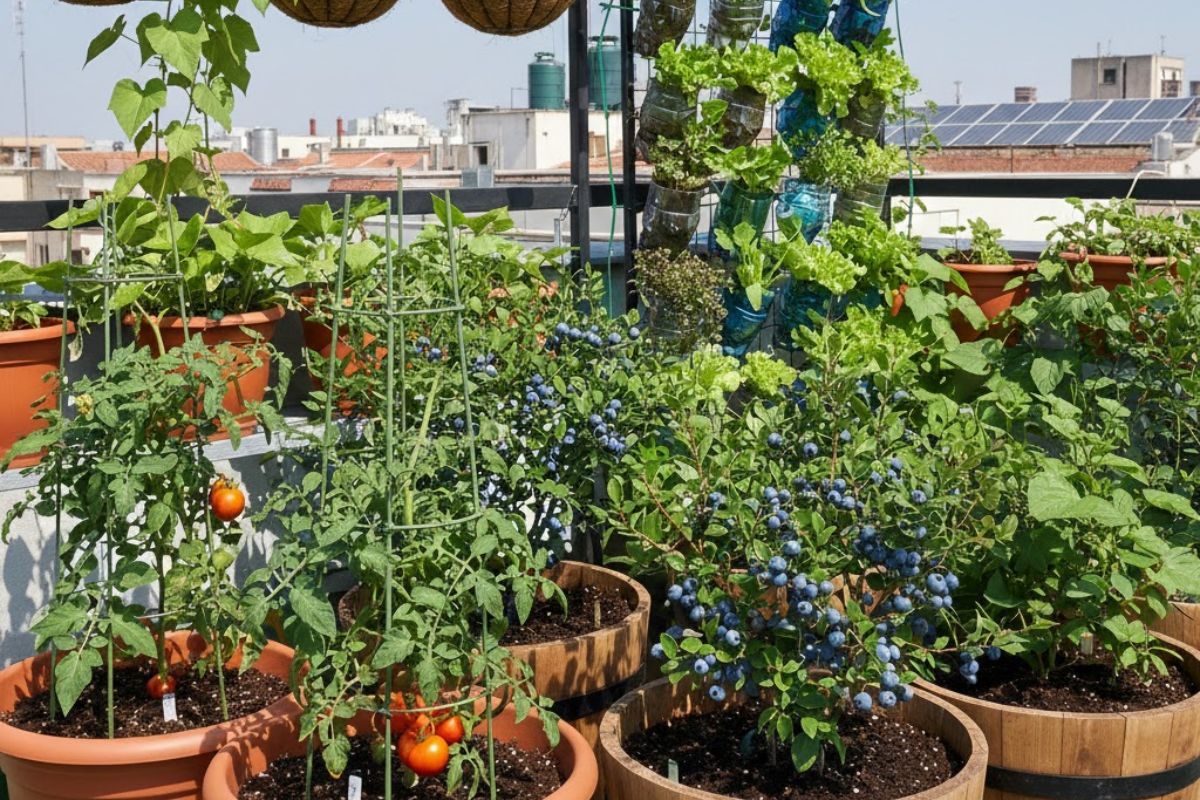 To boost harvests, match crops to the constraints of containers. Leafy greens, bush beans, determinate tomatoes, peppers, and dwarf cucumbers excel in pots.
This selection is ideal for container gardening vegetables when square footage is tight and time is limited. Add herbs as companions to discourage pests and make meals taste fresher.
Plan your pot sizes with yield in mind: one pepper per 12–14 inch pot, a compact tomato in 18–24 inches, and salad greens densely planted in broad, shallow bowls.
Rotate fast growers (like baby lettuce) with slower crops to keep harvests continuous—an approach perfect for small vegetable gardens.
Want a blueprint for getting more from each pot? This guide focuses on layouts, feeding, and scheduling to enhance returns: Maximize Your Harvest: Container Gardening Vegetables.
Pair it with your evolving container planting ideas to keep production steady through the season.
Tip 4: Master Shallow Containers With “Gardening in Inches”
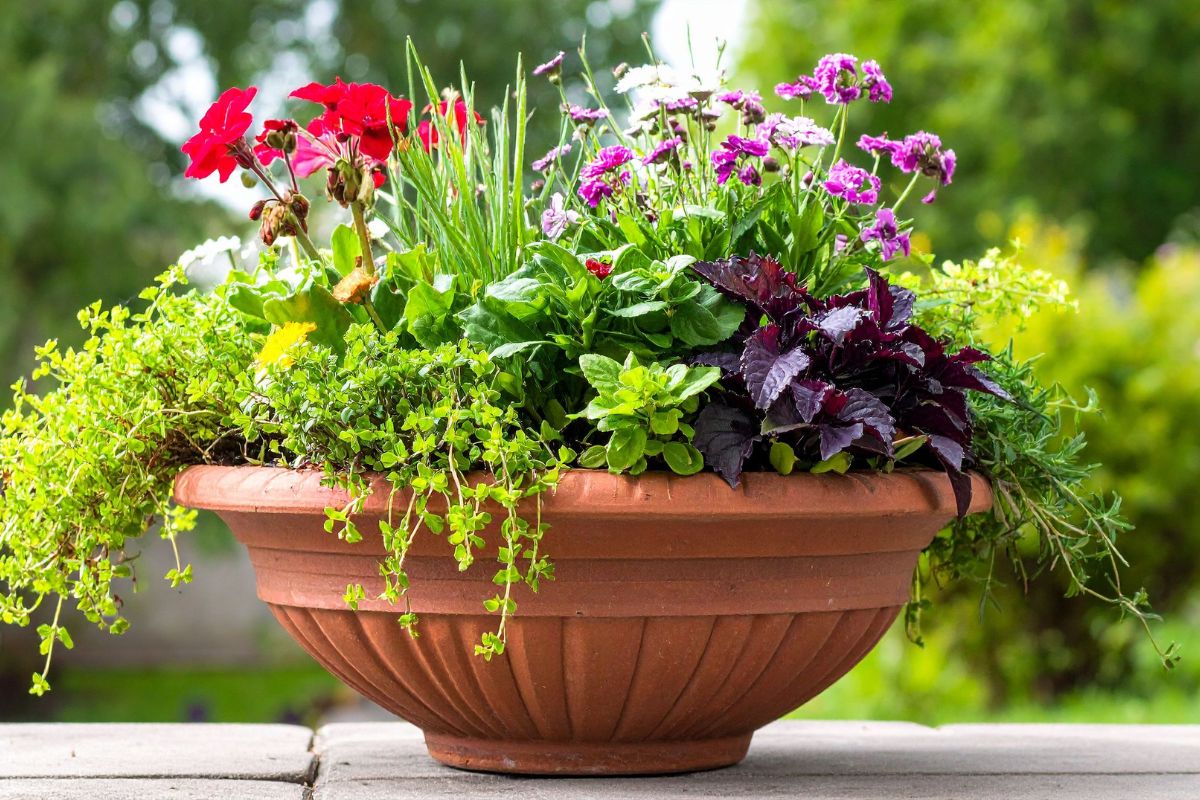 Not every plant needs a deep pot. Many herbs, leafy greens, radishes, and strawberries thrive in modest depths—great news if you’re limited to window boxes or rail planters.
This “right-sizing” mindset is essential for small garden design and compact balconies, where vertical stacking and wall racks maximize sunlight without crowding.
Think in inches: greens often flourish in 6–8 inches of mix; compact herbs like thyme and oregano can be even shallower. Use the surface to your advantage—interplant quick crops between slower anchors.
For a clever breakdown of what thrives in shallow setups, check out: Gardening in Inches: Smart Plants for Shallow Containers.
Strategic sizing also improves airflow and cuts disease pressure, an under-appreciated part of beginner container gardening ideas.
When combined with a breezy layout and light-colored garden planters that reflect heat, you’ll reduce stress on roots and keep foliage perky.
Tip 5: Pick Fruits That Shine in Small Spaces
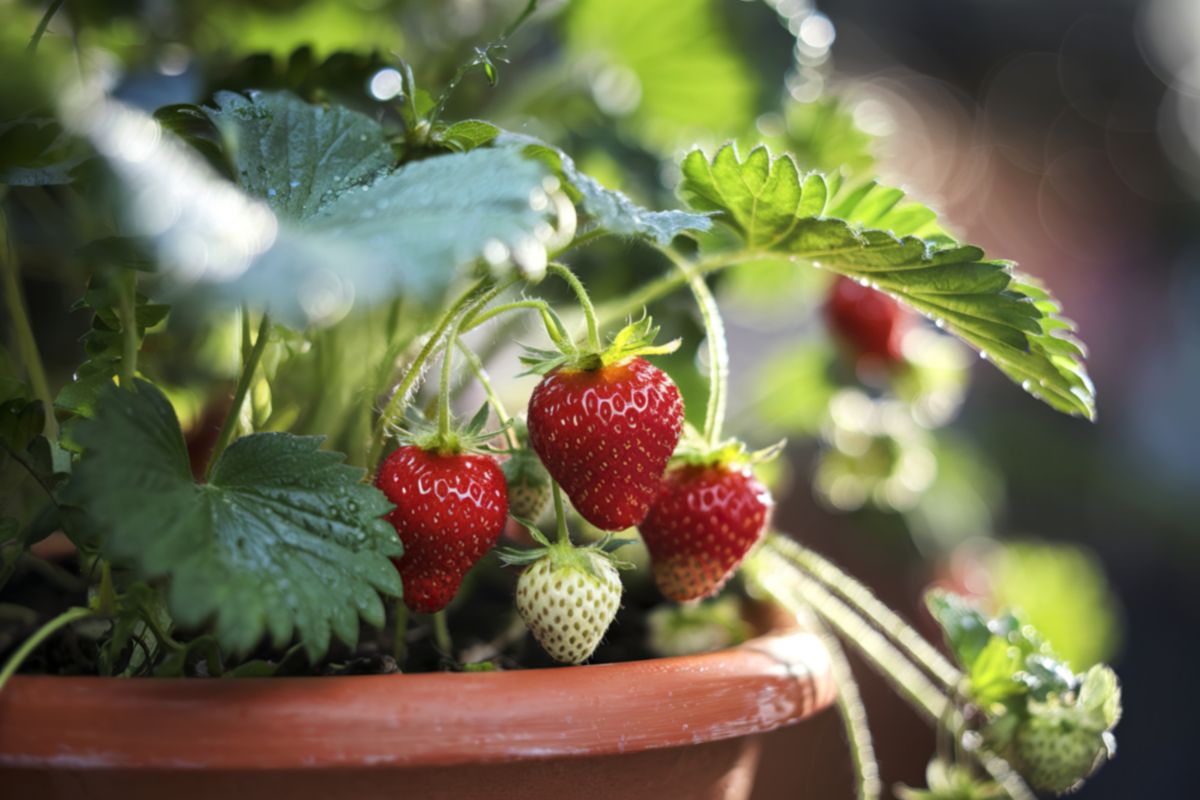 You can grow more than herbs and greens in pots—compact fruits can thrive too. Look for dwarf blueberries, bush cherries, columnar apples, and day-neutral strawberries.
These stars fit beautifully into small garden design and add a sweet dimension to any balcony or terrace.
Fruiting plants are long-term residents, so invest in quality soil, a slightly larger container, and consistent feeding. A layer of mulch helps moderate temperature and moisture—especially vital in patio gardening where pots heat up fast.
For a curated list of winners and their care, explore: Best Fruits for Container Gardening in Small Spaces.
Mix fruits with herbs or edible flowers to create eye-catching, productive arrangements. This is where container garden design meets flavor—functional beauty that elevates your space and your harvests.
Bringing It All Together: Design, Routine, and Momentum
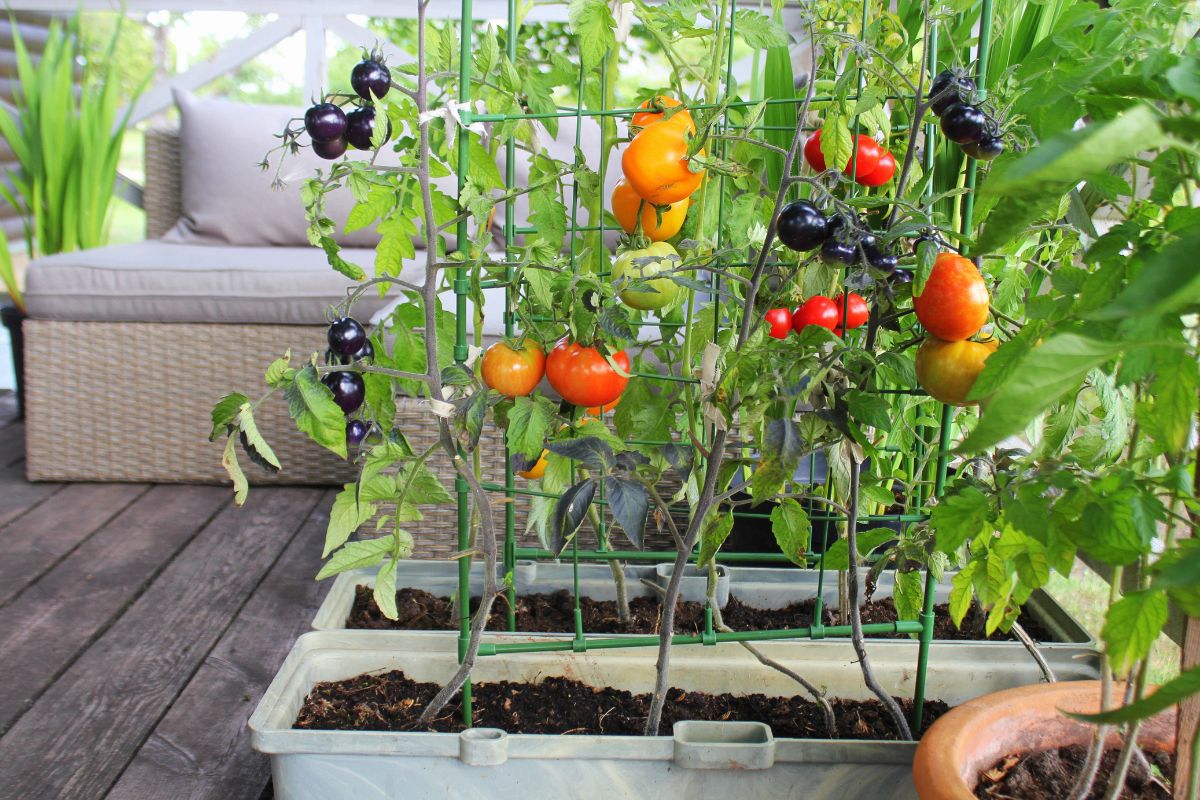 When you combine prevention, budget-smart builds, yield planning, shallow-container know-how, and the right fruits, you unlock a sustainable rhythm.
Keep notes on what works, refresh soil between plantings, and evolve your container gardening ideas each season. Over time, your setup will become both attractive and effortless.
Remember, beginner container gardening is a journey. Start simple, iterate with intention, and lean on resources tailored to gardening in pots for beginners.
With a few wins under your belt, you’ll naturally branch into more creative container planting ideas and more ambitious crops.
Whether you’re optimizing a balcony or refreshing a terrace, these principles make easy container gardening truly easy.
They also scale up when you’re ready—your growing in pots and containers can evolve into a lush, high-yield mini landscape that suits your lifestyle and space.
More Gardening Tips 👇🏼👇🏼