
Why Is My Christmas Cactus Not Blooming? 8 Reasons and Fixes

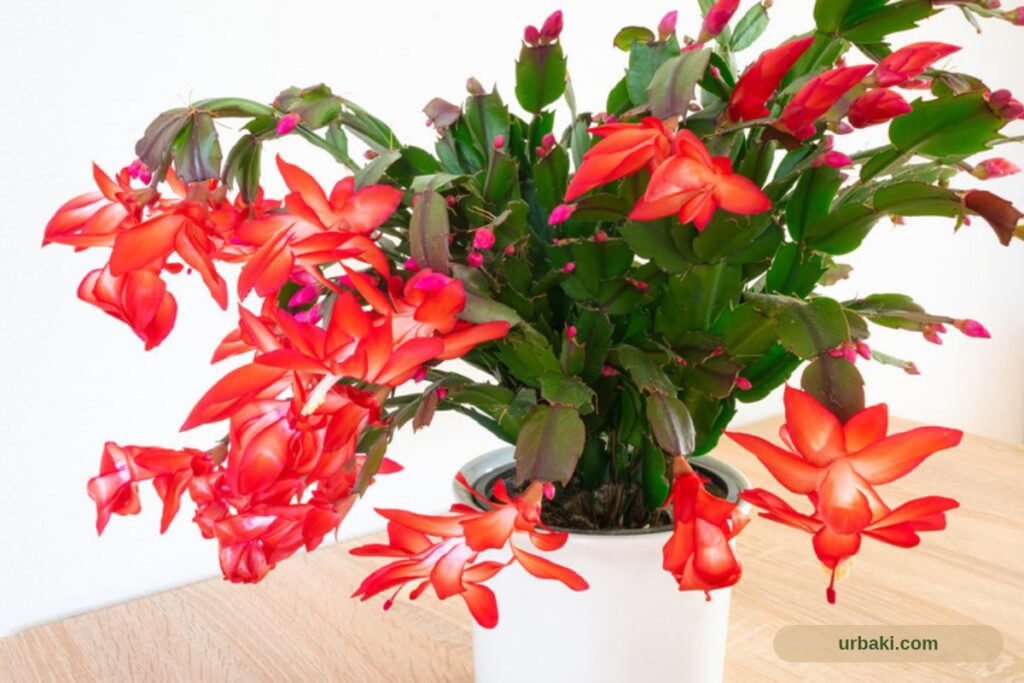
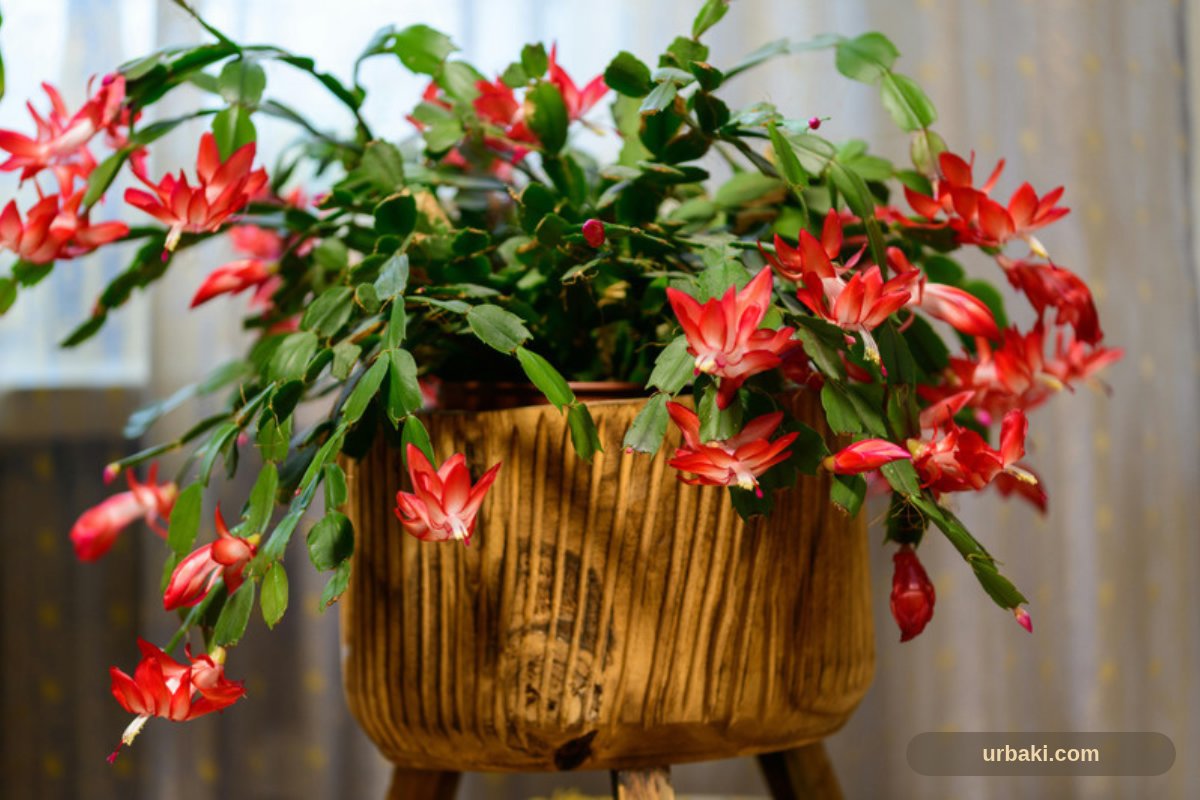
A Christmas cactus usually doesn't bloom because its nights are too warm or too bright. The plant sets flower buds in response to cool nights (about 55–65°F / 13–18°C) and long, uninterrupted darkness, roughly 12 to 14 hours a night for about six weeks. Give it both in autumn and most healthy plants will bud up again.
If your plant gets those conditions and still won't flower, or drops its buds, one of the problems below is usually to blame.
1. The Nights Are Too Warm
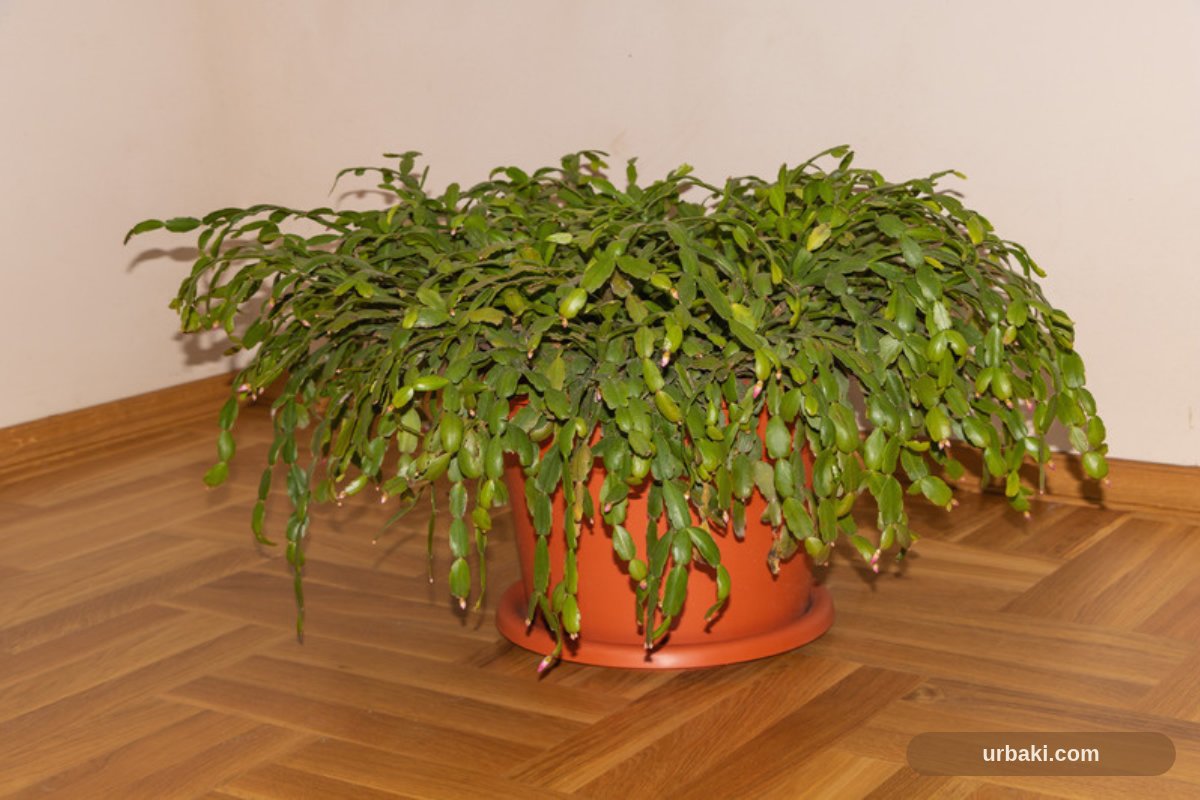
Temperature is the trigger most people miss. University of Minnesota Extension recommends evening temperatures of 55 to 65°F (13–18°C) and daytime temperatures of 65 to 70°F (18–21°C), and notes that plants are unlikely to bloom if night temperatures stay above 65°F (18°C). Iowa State University Extension adds that flowers may fail to develop when the plant is kept above 70°F (21°C).
A living room near a radiator is often too warm. Move the plant to the coolest bright room you have, such as a spare bedroom or a window in a room you keep cool at night.
Cool nights can also do the job on their own. According to University of Minnesota Extension, plants kept at around 55°F (13°C) at night will bloom in about five to six weeks, sometimes regardless of day length. Don't overdo it, though: Clemson Cooperative Extension warns that bud drop may occur at 50°F (10°C), and it advises not leaving these cacti outside if temperatures will drop below 50°F.
2. Lamps and Streetlights Are Breaking the Dark Period
A Christmas cactus "counts" darkness, and light at the wrong time can undo it. University of Minnesota Extension calls for at least 12 hours of complete darkness every night for about six weeks, while Clemson recommends 14 hours or more of continuous darkness. Clemson also notes that as little as two hours of interrupted lighting can stop flower buds from forming.
The usual culprits are a lamp, a TV, or streetlights and car headlights shining through the window. If the plant sits in a room you use after sunset, you can:
- Move it to a room nobody uses at night.
- Cover it with a cardboard box or a dark, breathable cloth from early evening to morning.
- Put it in a closet overnight and bring it back to bright light every morning.
During the day it still needs bright light. University of Minnesota Extension recommends bright but filtered light, and too much strong sun in summer can turn the stems pale or sunburned.
3. The Short-Day Treatment Started Too Late or Ended Too Early
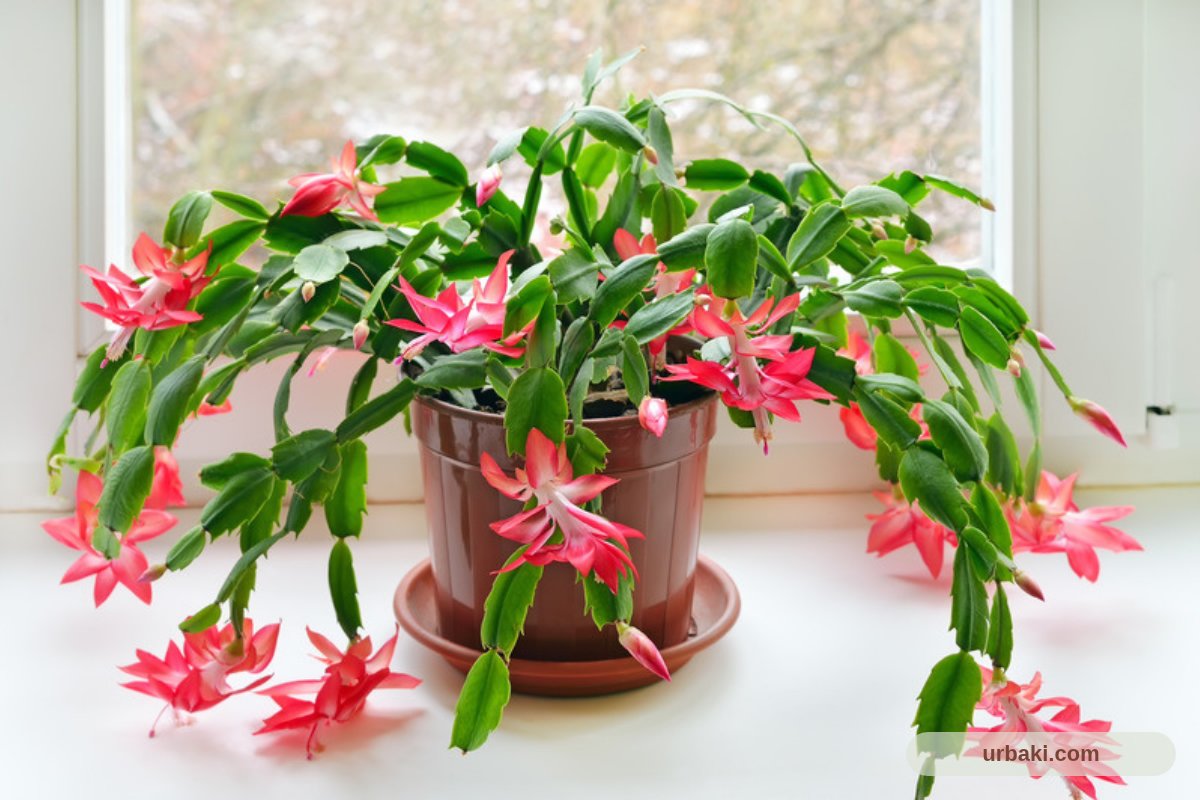
Bud set takes time. Clemson suggests starting long nights about the middle of September and keeping them up for at least six continuous weeks, with buds usually visible after three to four weeks. University of Minnesota Extension also notes that Christmas and Thanksgiving cacti bloom after roughly six weeks of short days.
If you only noticed the problem in late November, start the cool, dark nights now and keep them going until buds show at the stem tips; the plant will simply flower later than usual. Next year, set a reminder for mid-September.
If you also grow cyclamen, our guide to cyclamen care indoors covers similar temperature and watering tips.
4. The Plant Was Moved or Hit by a Draft (Bud Drop)
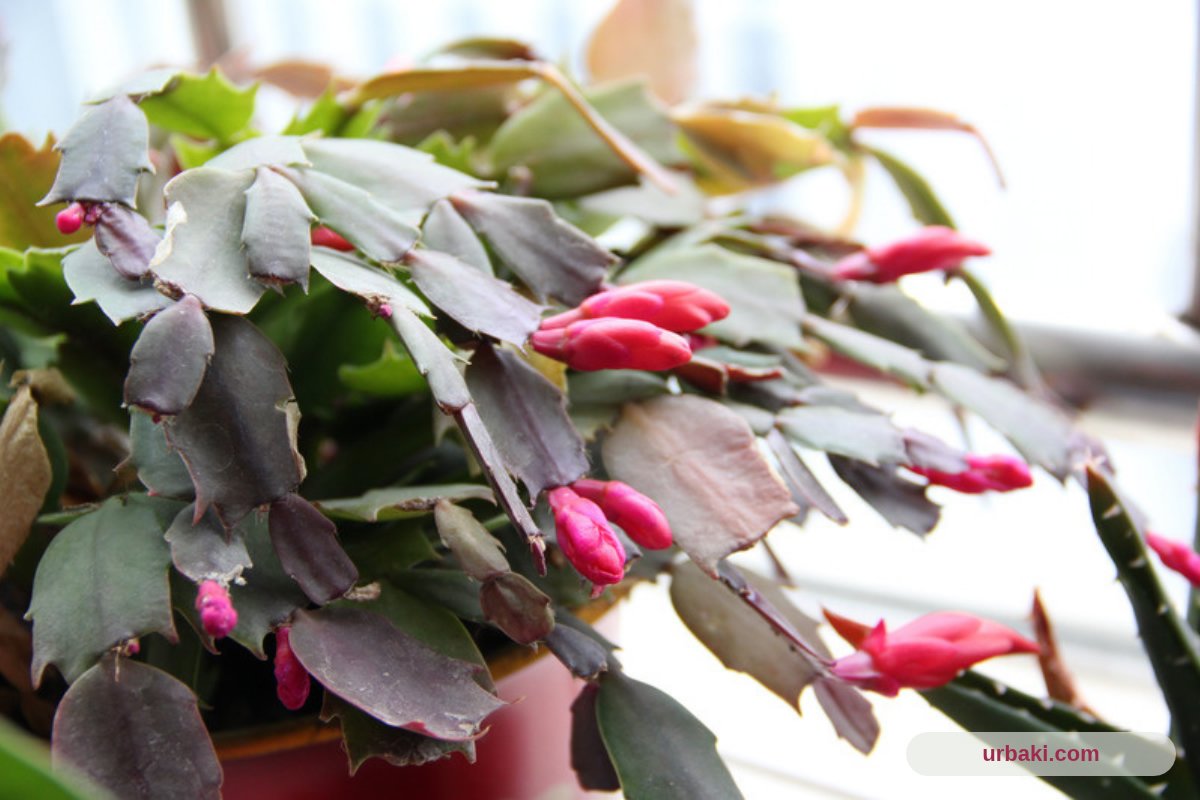
A plant full of buds that suddenly sheds them has usually been stressed by a change. Iowa State University Extension advises against moving the plant while flower buds are developing; wait until the first flowers start to open. University of Minnesota Extension lists drafts and sudden changes in temperature or humidity as common causes, and recommends keeping the plant away from drafts, heaters and vents.
Pick a spot before the buds form and leave the plant there. Warm, dry air from heaters affects other houseplants too, as we explain in why houseplant leaves turn brown in winter.
Some bud drop is normal. University of Minnesota Extension describes the plant as "self-pruning": if it sets more buds than it can support, it drops a few on its own. Losing a handful is fine; losing nearly all of them points to one of the stress factors above.
5. It's Getting Too Much (or Too Little) Water
Overwatering is the most dangerous mistake. University of Minnesota Extension notes that it can lead to dropped buds, wilting and root rot, which is the most common reason these plants die. Let the soil dry out between waterings and never leave the pot standing in a saucer of water.
Once buds have formed, don't swing too far the other way. Clemson points out that the growing medium needs to stay evenly moist after bud set, because drying out completely can also make buds fall.
After flowering, water less until new growth starts in spring.
6. The Feeding Schedule Is Off
Fertilizer helps the plant grow strong stems in summer, but the wrong food at the wrong time can work against flowering. University of Minnesota Extension suggests a balanced houseplant fertilizer at half strength once a month from June through August, then switching to a low-nitrogen, higher-phosphorus fertilizer (such as 0-15-10) in fall when buds are forming. Clemson takes a simpler approach and recommends stopping fertilizer in late summer for better bud production in the fall.
Either way: no heavy, high-nitrogen feeding in autumn, since overfeeding while buds develop can prevent blooms (Penn State Extension).
7. The Pot Is Too Big or It Was Just Repotted
Christmas cacti bloom best when they are kept somewhat pot-bound, according to both University of Minnesota Extension and Clemson. A plant moved into a much larger pot puts its energy into roots and stems instead of flowers.
Repot only about every three years, and do it after flowering, in late winter or spring. Choose a pot just one size larger with good drainage. University of Minnesota Extension suggests a loose mix of 1 part sterile potting soil, 2 parts peat moss and 1 part sharp sand or perlite.
A light trim after flowering, where two stem sections join, encourages branching and gives you more tips for flowers next year.
8. It's Actually a Thanksgiving or Easter Cactus
Sometimes the plant is fine and you simply have a different holiday cactus. Thanksgiving and Christmas cacti look very similar and are often sold under the same name. Clemson explains how to tell them apart:
- Thanksgiving cactus (Schlumbergera truncata): stem segments with 2 to 4 pointed, saw-toothed edges and yellow pollen-bearing anthers. It usually flowers about a month before the Christmas cactus.
- Christmas cactus (Schlumbergera x buckleyi): stem segments with more rounded, scalloped edges and purplish-brown anthers.
- Easter cactus (Hatiora gaertneri): blooms mainly in late winter or spring, so it won't flower in December at all.
If yours turns out to be a Thanksgiving cactus that already flowered in early November, it's right on schedule. You can read more about it in our post on Thanksgiving cactus care.
Quick Bloom Checklist
| Night temperature | 55–65°F (13–18°C); avoid nights above 65°F (18°C) |
| Darkness | 12–14 hours of uninterrupted darkness every night |
| How long | About 6 weeks, starting around mid-September |
| Daytime light | Bright, filtered light |
| Watering | Let soil dry between waterings; keep evenly moist (not soggy) once buds form |
| Fertilizer | Half-strength monthly in summer; no high-nitrogen food in fall |
| Pot | Slightly pot-bound; repot about every 3 years after flowering |
Frequently Asked Questions
How do I force my Christmas cactus to bloom?
Give it cool nights of about 55–65°F (13–18°C) and 12 to 14 hours of complete darkness every night for about six weeks, with bright light during the day. Keep watering moderate and don't fertilize heavily during this time. Buds usually appear after three to four weeks.
Why does my Christmas cactus have buds that fall off?
Bud drop is usually caused by a sudden change: moving the plant, a cold draft, heat from a vent, or soil that has been allowed to dry out completely or stays soggy. Pick a stable spot before the buds form and leave the plant there until the first flowers open.
How long do Christmas cactus flowers last?
Clemson notes that the flowers can last up to seven to eight weeks if the plant is kept at around 68°F (20°C).
Should I put my Christmas cactus outside in summer?
It can spend the summer outdoors in part shade, ideally in filtered light under a tree, as University of Minnesota Extension suggests. Avoid strong afternoon sun, and bring the plant back inside before nights drop below 50°F (10°C) or there is any risk of frost.
More Gardening Ideas
- Holiday Cacti: Care Tips for the Thanksgiving Cactus Plant
- Why Do Poinsettias Die So Quickly?
- What to Do With Amaryllis After It Blooms
- Why Are My Houseplant Leaves Turning Brown in Winter?
With cool nights, real darkness and a little patience, most Christmas cacti that skipped a year will flower again.
More Gardening Tips 👇🏼👇🏼