
How to Grow Sweet Peas from Seed [Fast Guide]


Sweet peas are a beloved addition to any garden, with their vibrant colors and sweet fragrance.
Whether you're a seasoned gardener or just starting, growing sweet peas from seed is a rewarding experience.
This guide will walk you through every step of the process, from choosing the right seeds to harvesting your beautiful blooms.
Choosing the Right Seeds
When selecting sweet pea seeds, it’s essential to consider the variety that suits your growing conditions. There are numerous types of sweet peas, each with its own characteristics. For instance:
Spencer varieties: Known for their large, fragrant blooms and tall growth, making them perfect for cutting flowers.
Dwarf varieties: Ideal for smaller gardens or containers, these grow more compactly but still offer stunning colors and scents.
Heirloom varieties: For those seeking unique or historical options, heirlooms like ‘Cupani’s Original’ can add a vintage touch to your garden.
Be sure to select a variety that matches your garden’s space and your climate's growing conditions.
Sweet peas thrive in cooler temperatures, so it’s important to choose varieties suited for your specific region.
Preparing the Soil
Sweet peas prefer well-draining, slightly alkaline soil that is rich in organic matter. Here’s how to prepare the ideal soil:
Soil pH: Aim for a pH of 6.0 to 7.5. If necessary, test your soil and amend it with lime to raise pH or sulfur to lower it.
Compost and Organic Matter: Mix in well-rotted compost or aged manure to enrich the soil with nutrients. Sweet peas thrive in rich, loamy soil that retains moisture while draining well.
Site Selection: Choose a sunny spot in your garden. Sweet peas need full sun to grow tall and strong, but they also appreciate some shade during the hottest part of the day, especially in warmer climates.
Sowing the Seeds
Sweet peas can be sown directly in the ground or started indoors for an early start. Follow these steps for successful sowing:
Soaking Seeds: To promote germination, soak your sweet pea seeds for 12-24 hours before planting. This helps to break down the seed coat and speeds up the germination process.
Planting Depth: Sow the seeds about 1 inch deep, and space them 2 inches apart for optimal growth.
Timing: In colder climates, start seeds indoors 6-8 weeks before the last frost date. In warmer regions, you can sow seeds directly outdoors once the danger of frost has passed.
Providing Support
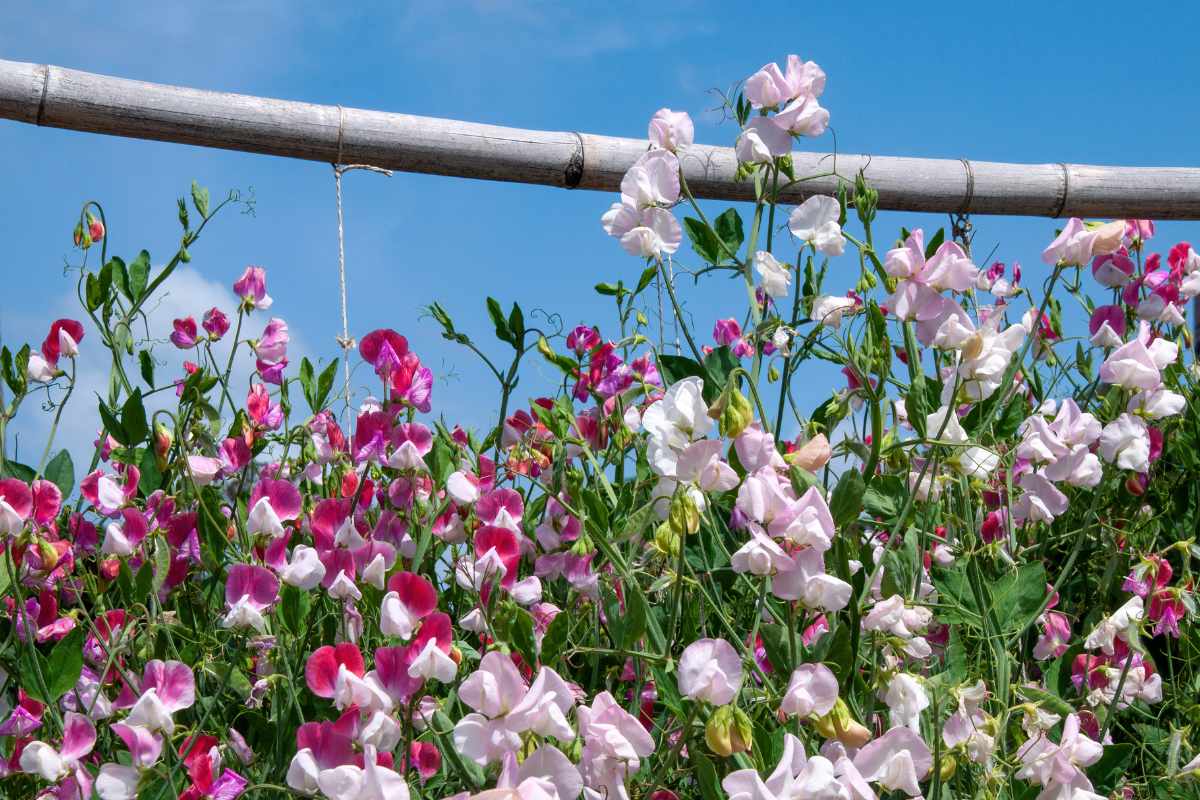
Sweet peas grow tall and need support to thrive. Without it, their delicate stems can flop over, preventing them from reaching their full potential. Here are some support options:
Trellises: These are the most common way to support sweet peas. Choose a sturdy trellis at least 4 feet high for taller varieties. Make sure it's well-secured to the ground to avoid toppling in strong winds.
Netting or Fencing: For a more budget-friendly option, you can install a mesh fence or netting that allows the sweet peas to climb.
Stakes: If space is tight, individual stakes can be used to support smaller plants or container-grown sweet peas.
Watering and Care
Sweet peas thrive with consistent moisture but do not like to be waterlogged. Here’s how to manage watering effectively:
Watering Frequency
Water your sweet peas when the top inch of soil feels dry. Avoid overhead watering, as it can promote mildew.
Instead, water the base of the plants to keep the leaves dry.
Mulching
Apply a 2-inch layer of mulch around the plants to retain moisture and keep the soil cool.
Organic mulch, like straw or wood chips, works best.
Fertilizing
Sweet peas do not require heavy fertilization. If your soil is well-amended, a light dose of organic fertilizer will suffice.
Avoid high-nitrogen fertilizers, as they can promote leafy growth at the expense of flowers.
Pruning and Deadheading
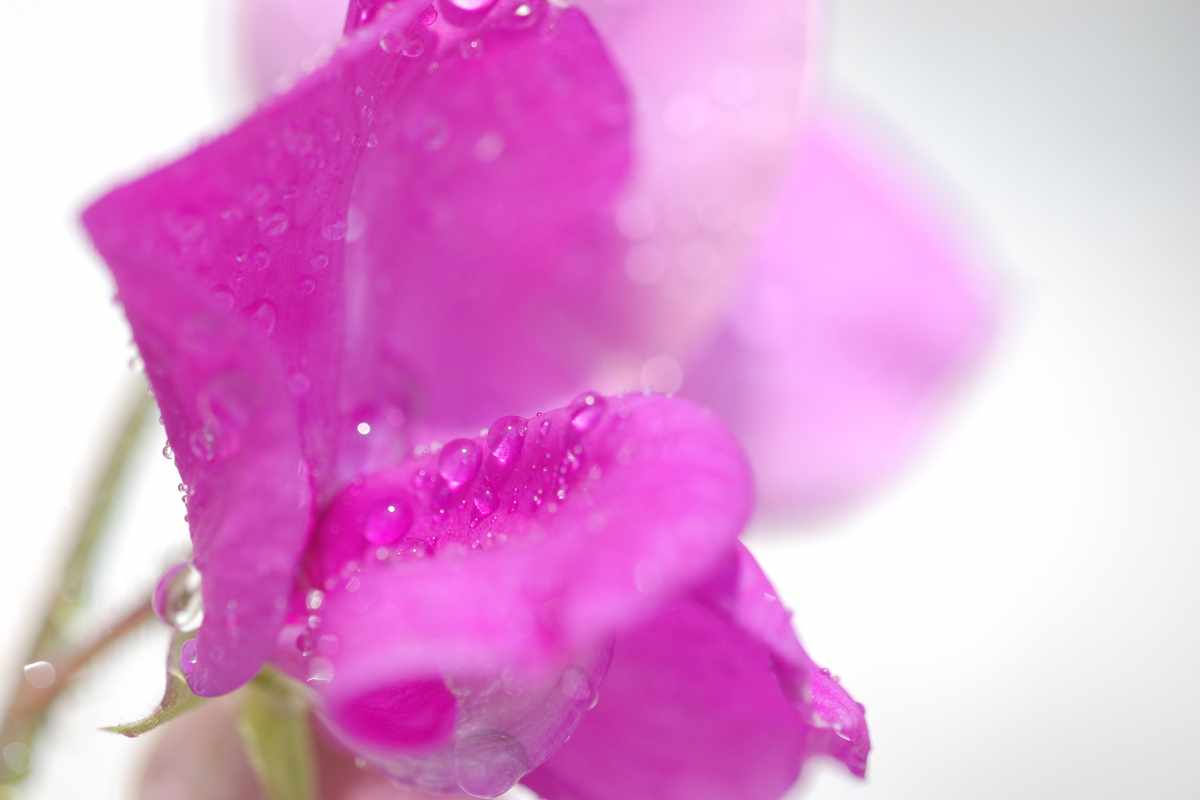
To encourage continuous blooming, it’s important to regularly prune and deadhead your sweet peas.
Pinching back the growing tips helps the plant develop a bushier shape and directs its energy toward producing more flowers.
At the same time, removing faded blooms prevents the plant from focusing on seed production, which in turn prolongs the flowering season and ensures a more abundant, colorful display.

Harvesting and Enjoying Your Sweet Peas
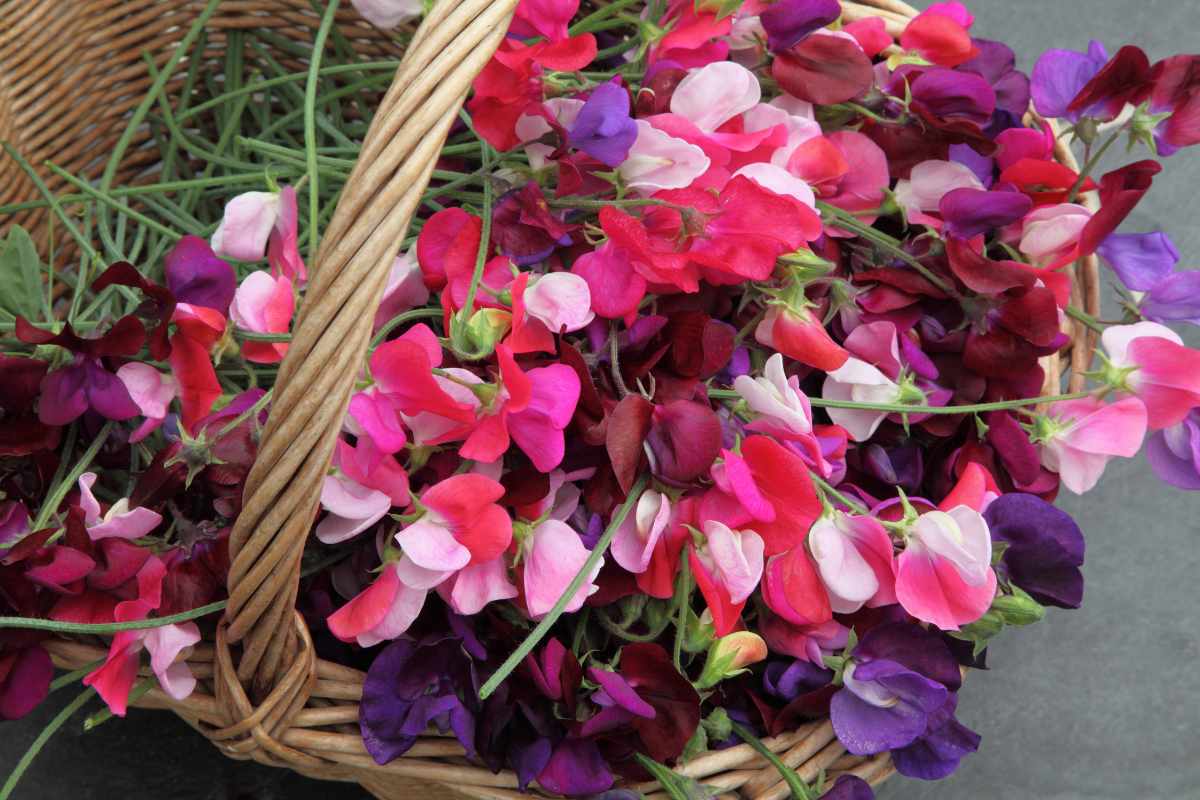
Sweet peas are not only beautiful in the garden but also make fantastic cut flowers.
To enjoy them indoors and extend their blooming period, it’s best to harvest them early in the morning when the flowers are fully open but still fresh.
Use sharp scissors or garden shears to make a clean cut, and then place the stems in a vase filled with cool water.
This will help keep them fresh for longer, making them a lovely addition to bouquets and floral arrangements.
Regional Considerations
In Warmer Climates
If you live in a hot region, plant sweet peas in late fall or early spring, before the heat sets in.
Consider growing them in containers so you can move them to a cooler location during the hottest months.
In Colder Climates
Start seeds indoors 6-8 weeks before the last frost. Once the danger of frost has passed, transplant your seedlings into the garden for optimal growth.
Share your sweet pea-growing journey with us in the comments below, and don't forget to sign up for more gardening tips!
Enjoy the Video Tutorial

Source: LearnHow2
Did you find this post useful or inspiring? Save THIS PIN to your Gardening Board on Pinterest!😊

Once again, thank you for visiting our website!
We hope you've enjoyed exploring the content we've created for you.
Give yourself the chance to learn, get inspired, and have even more fun, keep browsing...
More Gardening Tips 👇🏼👇🏼