
Gardening in Old Age (8 Tips that Make Things a lot Easier)


Gardening isn’t just a hobby; it’s a pathway to better health and well-being, especially as we age.
The act of tending to plants offers countless benefits, from physical exercise that keeps us active to the mental relaxation that comes with spending time outdoors.
Whether you're an experienced gardener or a beginner, these eight tips will help make gardening easier, safer, and more enjoyable in your later years.
1. Embrace Ground Cover to Reduce Maintenance
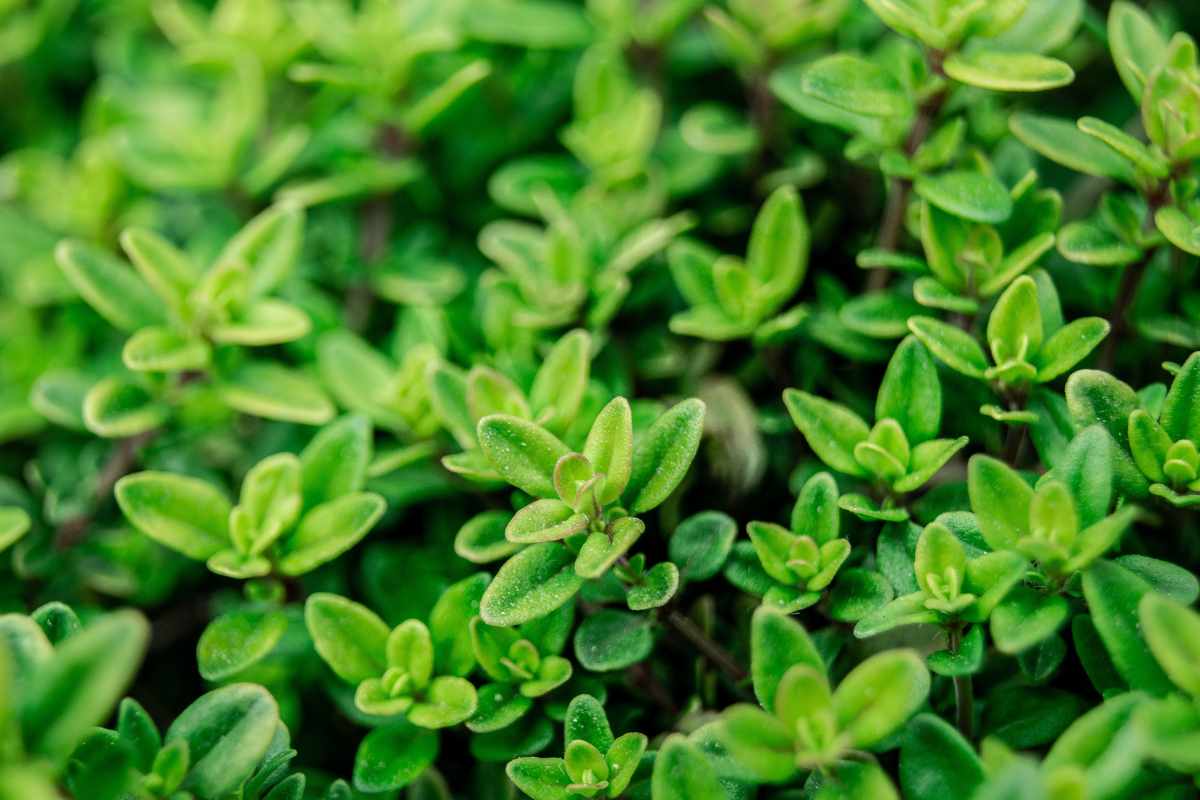
One of the most challenging aspects of gardening can be dealing with weeds.
Not only do they detract from the beauty of your garden, but pulling them can also become a physically demanding task.
Ground cover plants like creeping thyme, clover, or moss are perfect solutions to suppress weed growth naturally.
These low-maintenance plants will help keep your garden neat and reduce the need for constant weeding, making gardening less stressful on your body.
2. Invest in Quality Lawn Care Tools
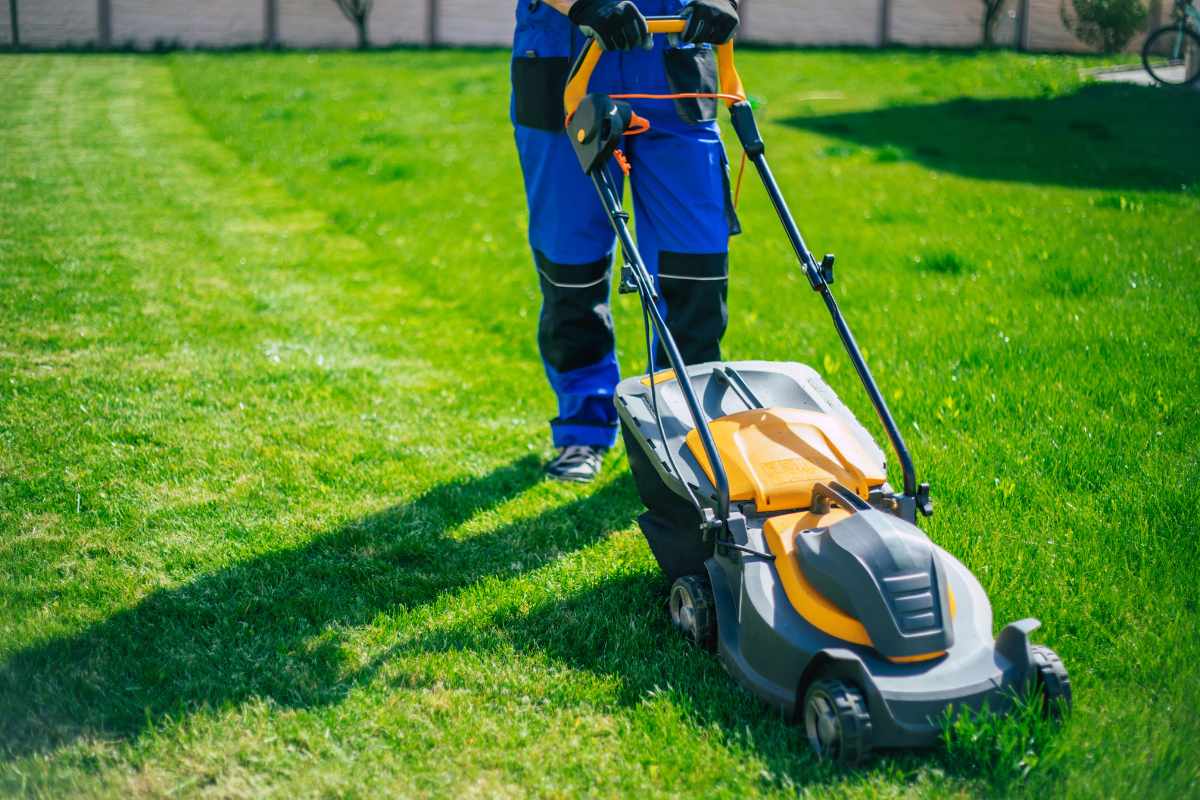
Maintaining a lawn can be time-consuming and physically demanding, especially when using traditional push mowers.
Consider investing in a robotic lawnmower that can cut your grass automatically, leaving you with more time to enjoy the other aspects of your garden.
A quality mower with adjustable height settings can also help minimize bending and reduce strain on your back and knees, making lawn care easier and more comfortable.
3. Choose Low-Maintenance, Perennial Plants
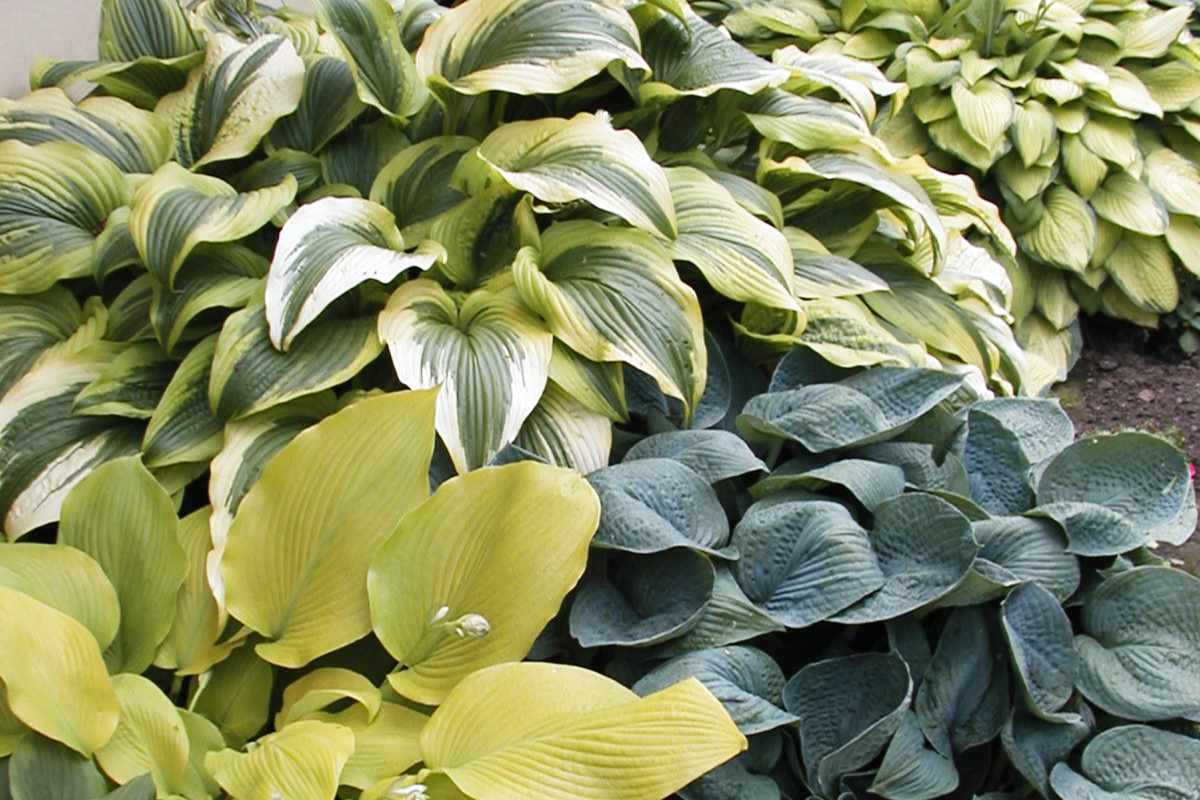
One of the best ways to simplify gardening is by selecting plants that require minimal upkeep.
Perennials such as daylilies, hostas, and lavender are excellent choices. These plants come back year after year, so you won’t need to replant them every season.
Low-maintenance plants not only save time and effort but also ensure that your garden remains vibrant with little intervention.
Opting for these plants will help you enjoy a thriving garden without too much work.
4. Utilize Ergonomic Gardening Tools
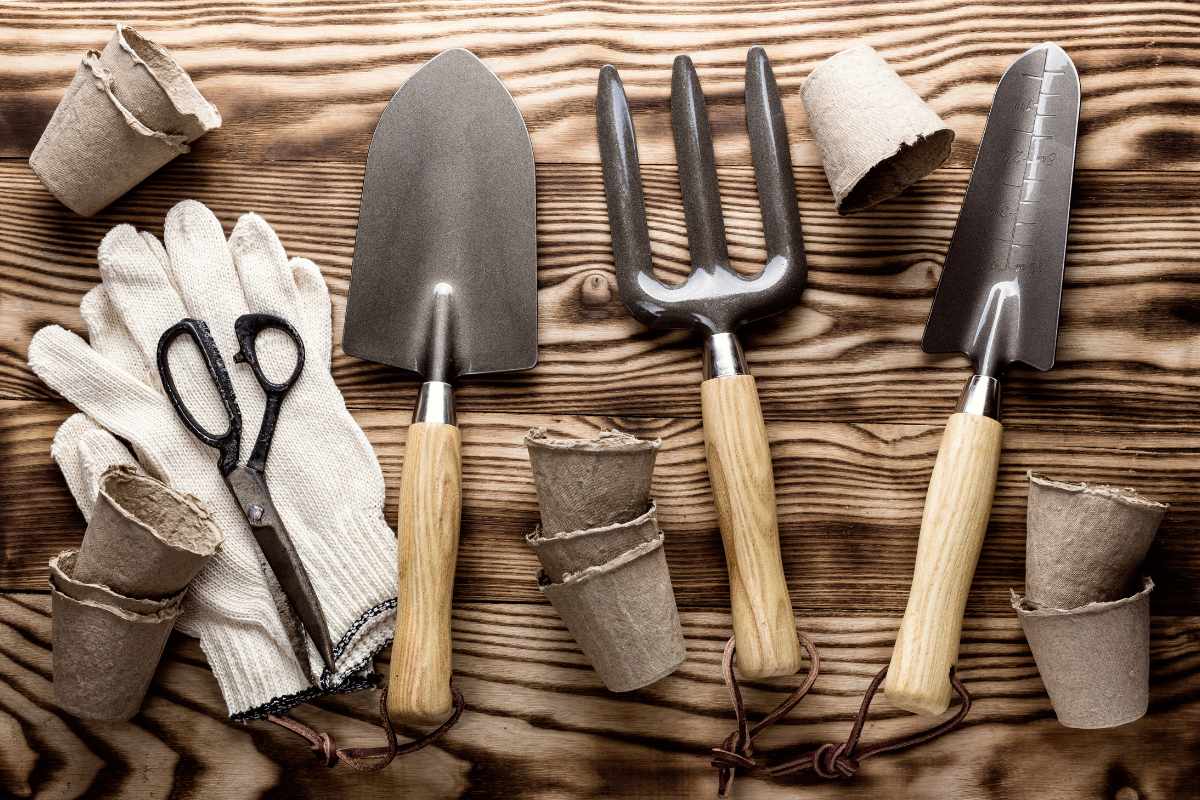
Gardening tools with ergonomic designs can make a world of difference in reducing strain on your joints and muscles.
Long-handled weeding tools, lightweight pruners, and cushioned grips allow you to work comfortably without bending too much or putting excess pressure on your wrists and knees.
These tools are specifically designed to provide better control and comfort, making gardening a much more enjoyable experience for seniors.
5. Create Comfortable Seating Areas for Rest
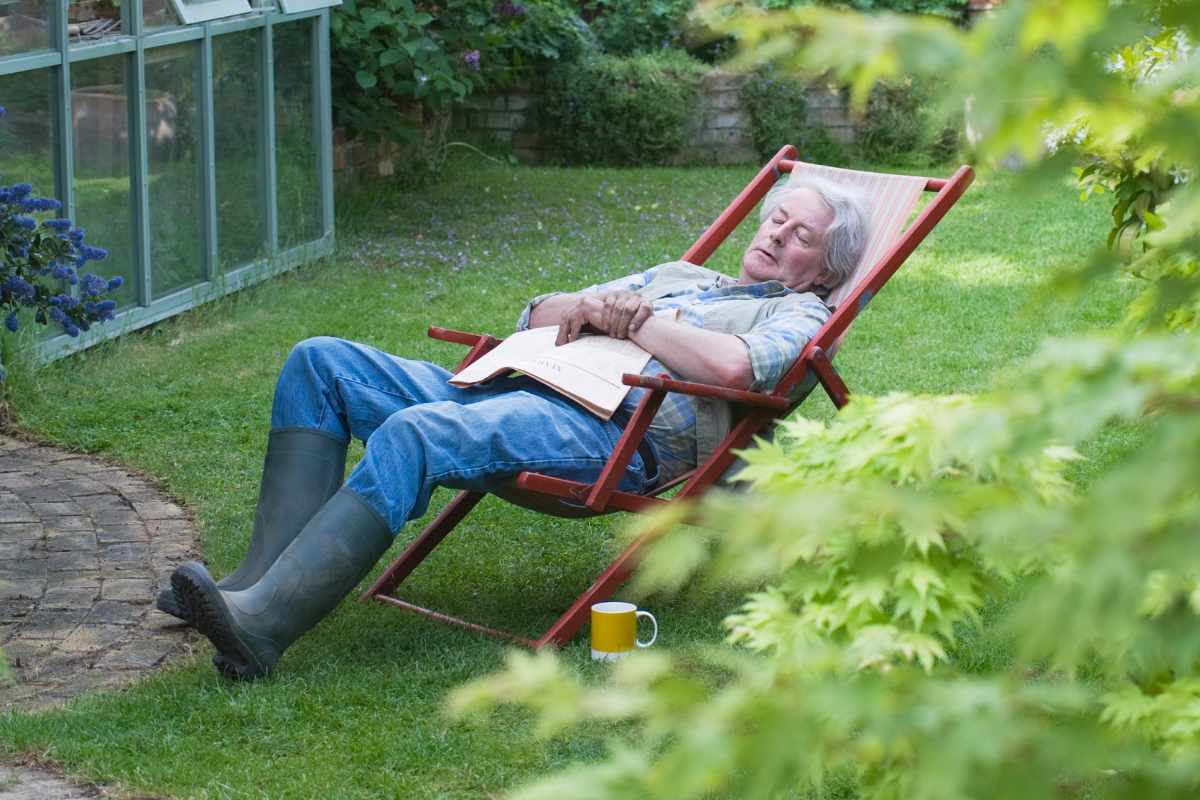
Gardening shouldn’t be all hard work; it’s important to take breaks and enjoy the fruits of your labor.
Creating comfortable seating areas within your garden allows you to rest whenever you need to.
Whether it’s a garden bench, a small chair, or even a portable stool, having a place to sit will make the gardening experience much more comfortable.
A shaded spot with a scenic view can also turn your garden into a peaceful retreat, perfect for relaxation.
6. Opt for Raised Beds for Easy Access
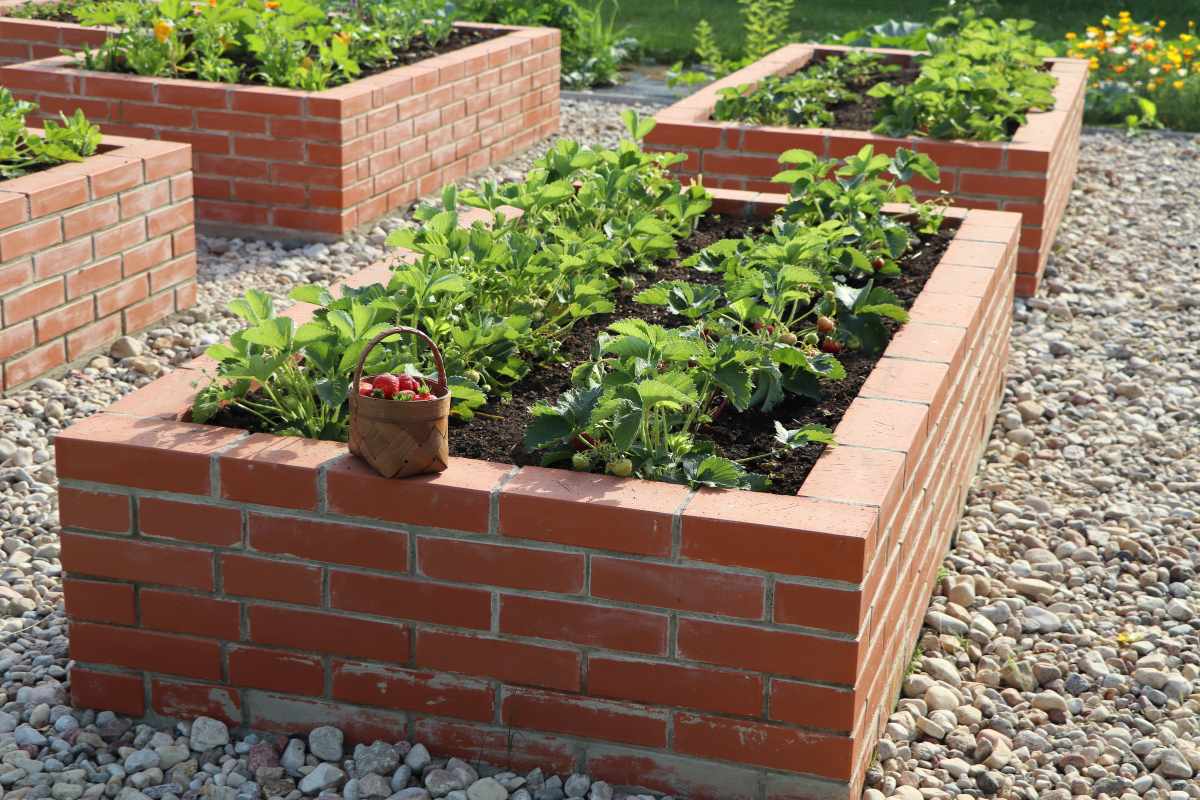
Raised garden beds are a fantastic option for seniors, as they reduce the need to bend or kneel while planting, watering, and harvesting.
Raised beds are typically at waist height, making gardening much easier on your back and knees.
They also allow for better soil drainage and can extend the growing season by warming up faster in the spring.
You can even build them yourself using materials like wood, stone, or brick, or purchase ready-made kits from garden centers.
7. Plan for Seasonal Interest Throughout the Year

Incorporating plants that offer year-round interest is a smart way to keep your garden vibrant with minimal effort.
Evergreens provide structure and beauty throughout the winter months, while spring-blooming bulbs like daffodils and tulips add a burst of color when the weather warms up.
Choosing a variety of plants that bloom at different times of the year will ensure your garden looks beautiful no matter the season, without needing frequent maintenance.
8. Prioritize Safety with Proper Tools and Pathways
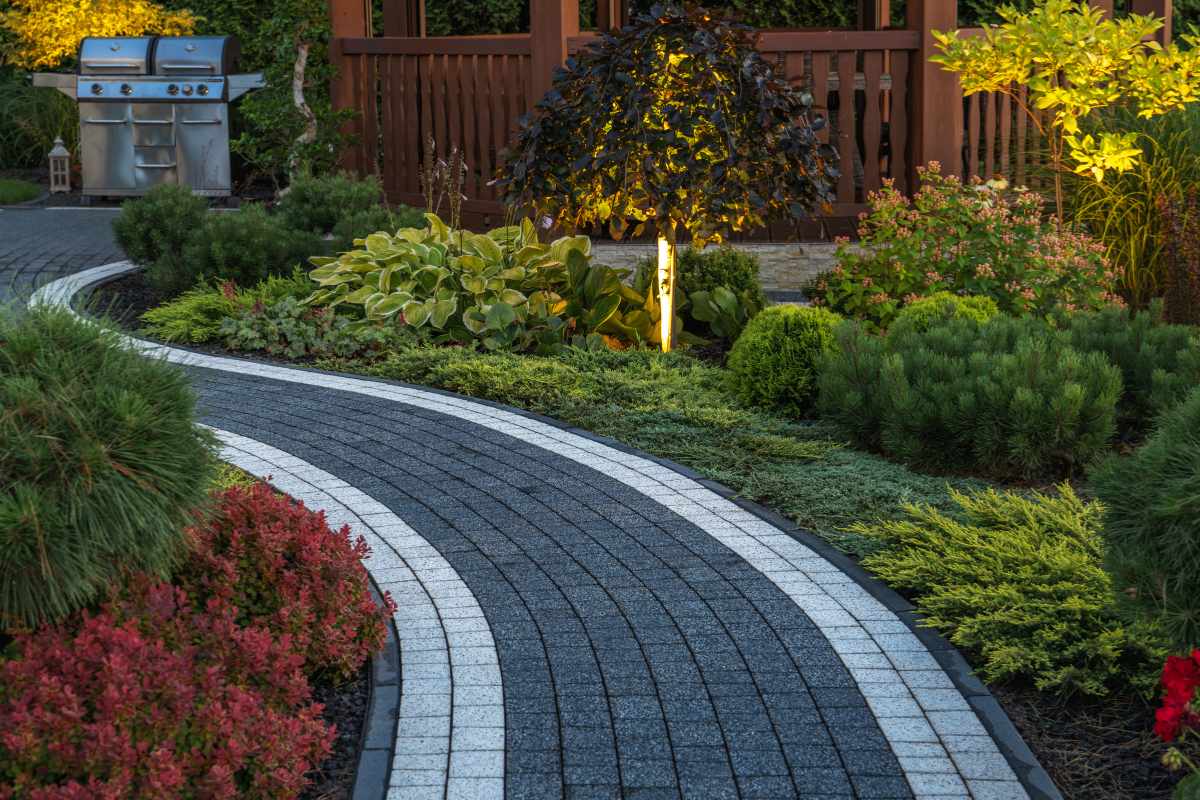
Safety is a key consideration when gardening in old age. Uneven paths and cluttered areas can lead to falls, so it’s essential to ensure that your garden is safe and easy to navigate.
Use flat, non-slip surfaces for walkways and make sure your paths are wide enough for easy movement. Additionally, wear sturdy, supportive footwear to prevent slips and trips.
Consider tools that have safety features, such as locking mechanisms for shears and pruners, to keep your hands safe while working.
Final Thoughts
Gardening can be an immensely rewarding activity that provides both physical and mental benefits.
With these eight tips, seniors can continue to enjoy the beauty of their gardens while reducing physical strain and making the process more manageable.
Whether you’re planting flowers, growing vegetables, or simply tending to a small garden, these adjustments can help you make the most of your gardening experience.
Start small, choose the right tools, and soon you’ll find that gardening is a fulfilling and enjoyable part of your daily routine.
Did you find this post Useful or Inspiring? Save THIS PIN to your Gardening Board on Pinterest! 😊

Once again, thank you for visiting our website!
We hope you've enjoyed exploring the content we've created for you.
Give yourself the chance to learn, get inspired, and have even more fun, keep browsing...
More Gardening Tips 👇🏼👇🏼