
How Gardening Helps YOU LOSE WEIGHT?

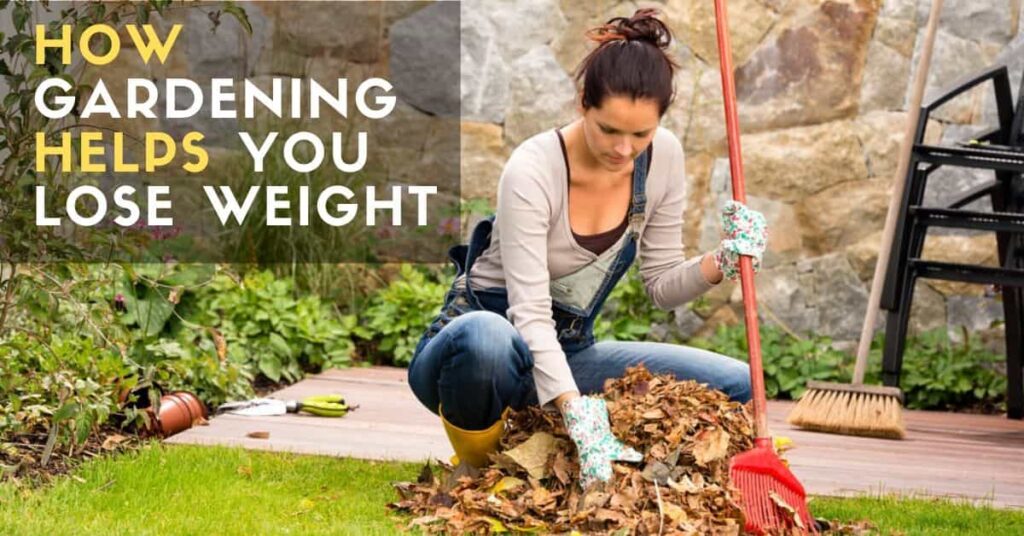
Gardening isn’t just about pretty borders and ripe tomatoes.
It’s real movement that raises your heart rate, builds functional strength, and helps you burn calories while doing something you actually enjoy.
If your aim is to support healthy weight management, gardening can count toward your weekly activity minutes and gently shift your energy balance—without stepping into a gym.
Is Gardening Real Exercise?
Short answer: absolutely. Many everyday tasks—raking, mowing, weeding, digging, pushing a wheelbarrow—comfortably land in the moderate-intensity zone.
That’s the same category as brisk walking.
If you finish a bout of weeding with a light sweat and slightly quicker breathing while still able to talk, you’re likely in the right intensity window.
What “intensity” looks like in the garden
Light: deadheading, gentle watering, strolling with a trug.
Moderate: steady raking, weeding on your feet, hoeing, push mowing on level ground.
Vigorous: digging compacted soil, hauling a full wheelbarrow uphill, push mowing on a slope, fast raking or shoveling.
Most adults benefit from about 150 minutes per week of moderate activity. With a thoughtful plan, your garden can deliver that in short, satisfying sessions.
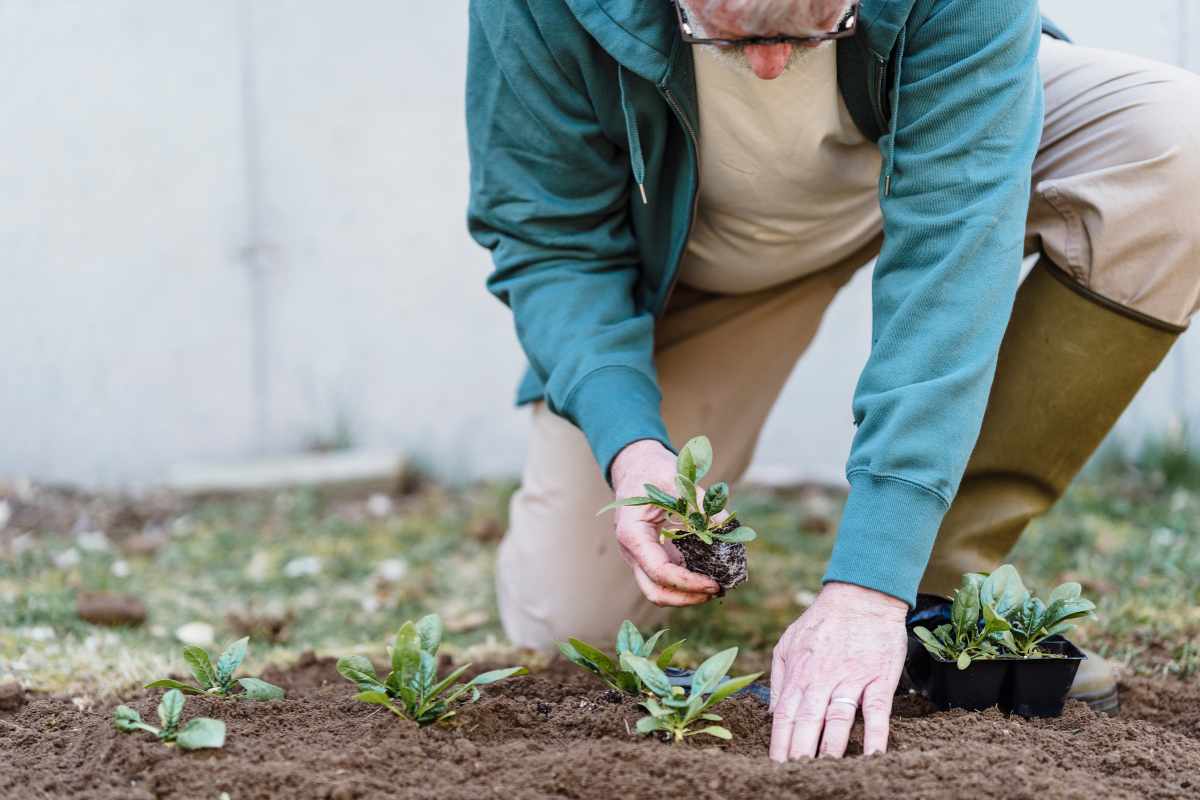
How Many Calories Does Gardening Burn?
Calorie burn varies with body size, pace, terrain, and technique. Treat the numbers below as practical estimates for 30 minutes of continuous work.
Typical calories burned in 30 minutes (estimates)
| Task (30 minutes) | 125 lb | 155 lb | 185 lb |
|---|---|---|---|
| Gardening, general | 130–150 | 160–180 | 180–200 |
| Raking lawn | 115–135 | 140–160 | 160–180 |
| Mowing (push, power) | 130–150 | 160–180 | 180–200 |
| Mowing (push, hand reel) | 160–180 | 190–210 | 210–230 |
| Digging/turning soil | 150–170 | 180–200 | 200–230 |
| Wheelbarrow hauls (mixed) | 150–180 | 180–210 | 200–240 |
These ranges reflect real-world variability. A breezy flat lawn will feel different from a bumpy slope on a hot afternoon.
Focus on effort and consistency, not perfect numbers.
A quick guide to gauging effort
Use the talk test: if you can talk but not sing, you’re likely at moderate intensity.
Brief stretches where talking is hard push you toward vigorous intensity—sprinkle those in for an extra training effect.
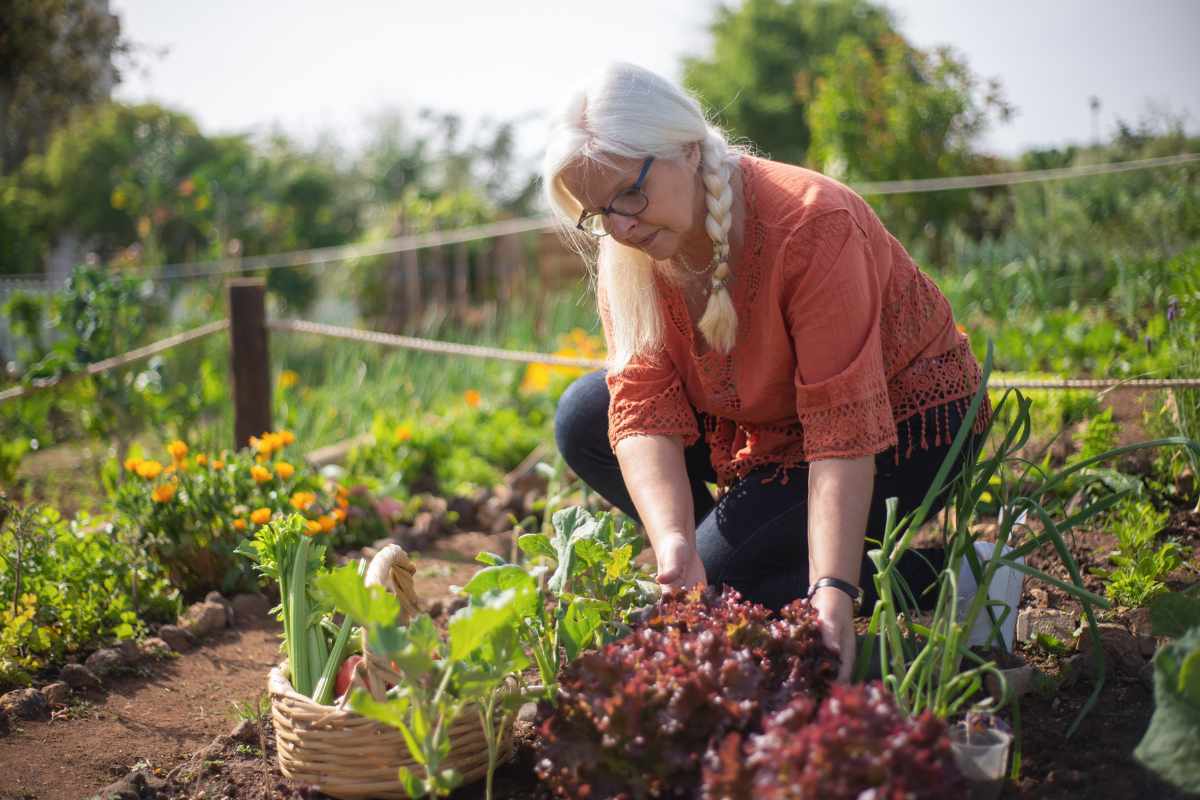
Turn Yardwork Into a Workout (Without Making It Miserable)
You don’t need a radical makeover—just organize tasks to keep you moving and protect your joints.
Warm up in three minutes
Walk your beds with purpose, circle your shoulders, hinge at the hips, and do 8–10 slow body-weight squats while holding a post or spade for support. You should feel warm but not tired.
Build “garden circuits”
Alternate 5–8 minutes of a moderate task with 1–2 minutes of an easier one. For example:
Block A: ranking (moderate) → watering walk-through (easy)
Block B: push mowing (moderate) → gathering herbs/produce (easy)
Block C: digging or hoeing (moderate) → tool tidy (easy)
Two or three blocks give you 20–30 active minutes before you notice the time.
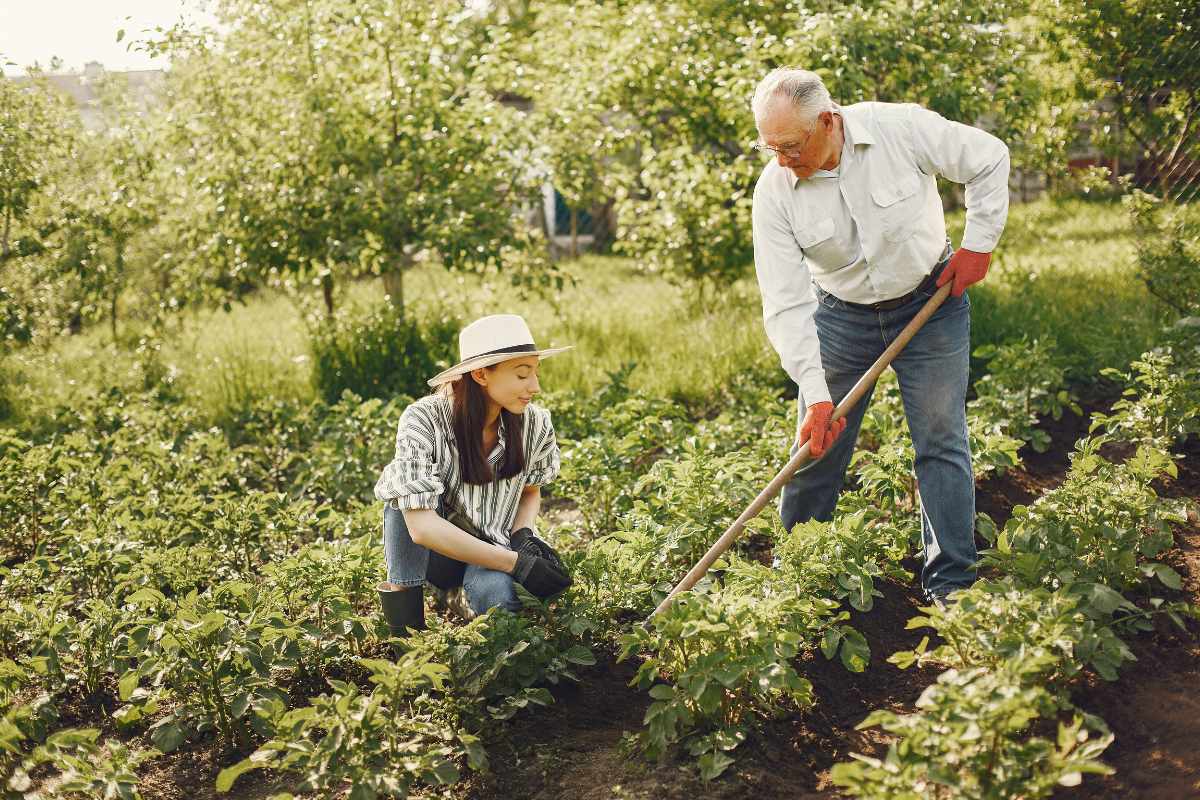
Use micro-sessions
Short on time? Ten minutes pulling weeds at lunch plus fifteen trimming at dusk still count. Movement adds up—and gardens reward consistency.
Progress without pain
Increase total time by 5–10 minutes per week.
Add one extra “moderate” block before increasing intensity.
Alternate sides often: change hand positions on the rake, switch lead foot when pushing the mower, and rotate carrying loads.
A Simple Weekly Plan That Hits ~150 Minutes
Goal: collect around 150 minutes of moderate-intensity activity through purposeful gardening.
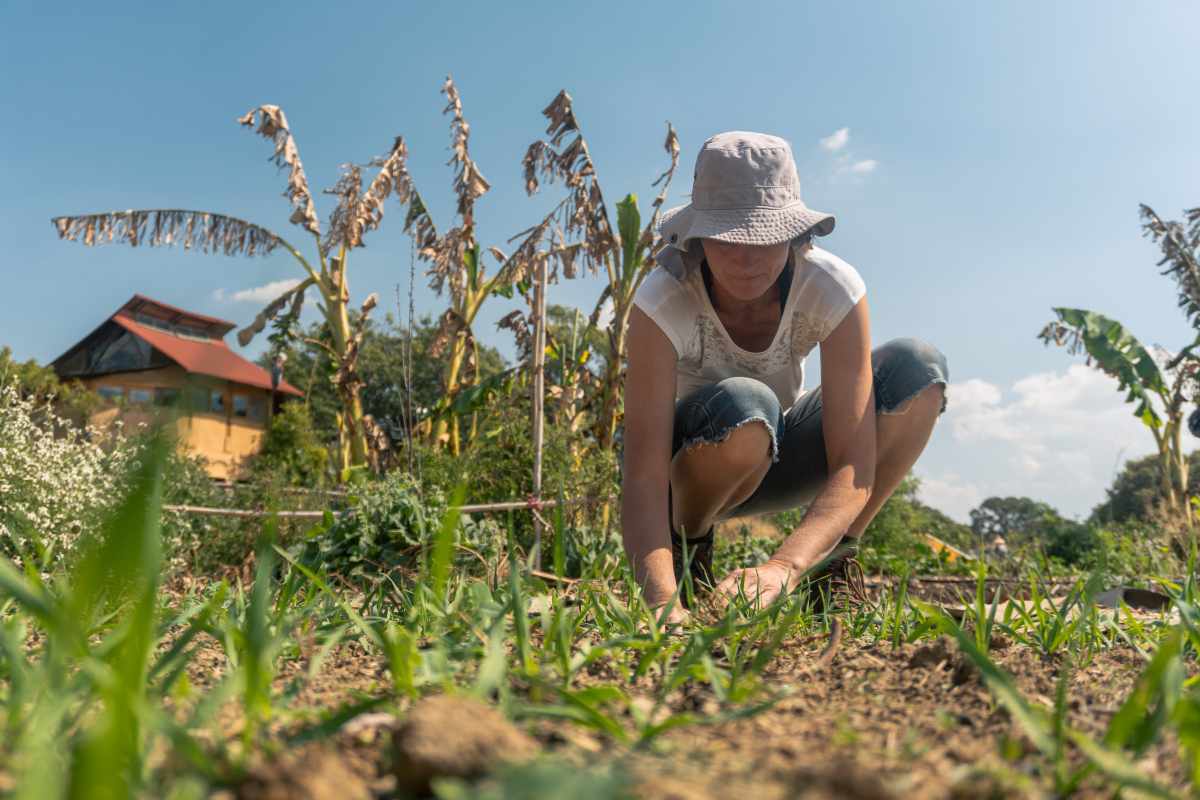
Monday — 30 minutes: Weeding paths + brisk walk between beds (moderate effort).
Wednesday — 30–35 minutes: Push mowing in lanes (2 × 8-minute pushes with 2-minute easy walks between; finish with edging).
Friday — 25–30 minutes: Raking piles + 3–4 short wheelbarrow hauls (keep loads manageable).
Saturday — 35–40 minutes: Soil turning/compost incorporation, light pruning, and a relaxed watering walk to cool down.
Joint-friendly swaps: raised beds, long-handled tools, kneelers or stools, fingerless gloves with wrist support, and half-filled watering cans. These tweaks keep intensity up while reducing joint stress.
Safety & Accessibility Essentials
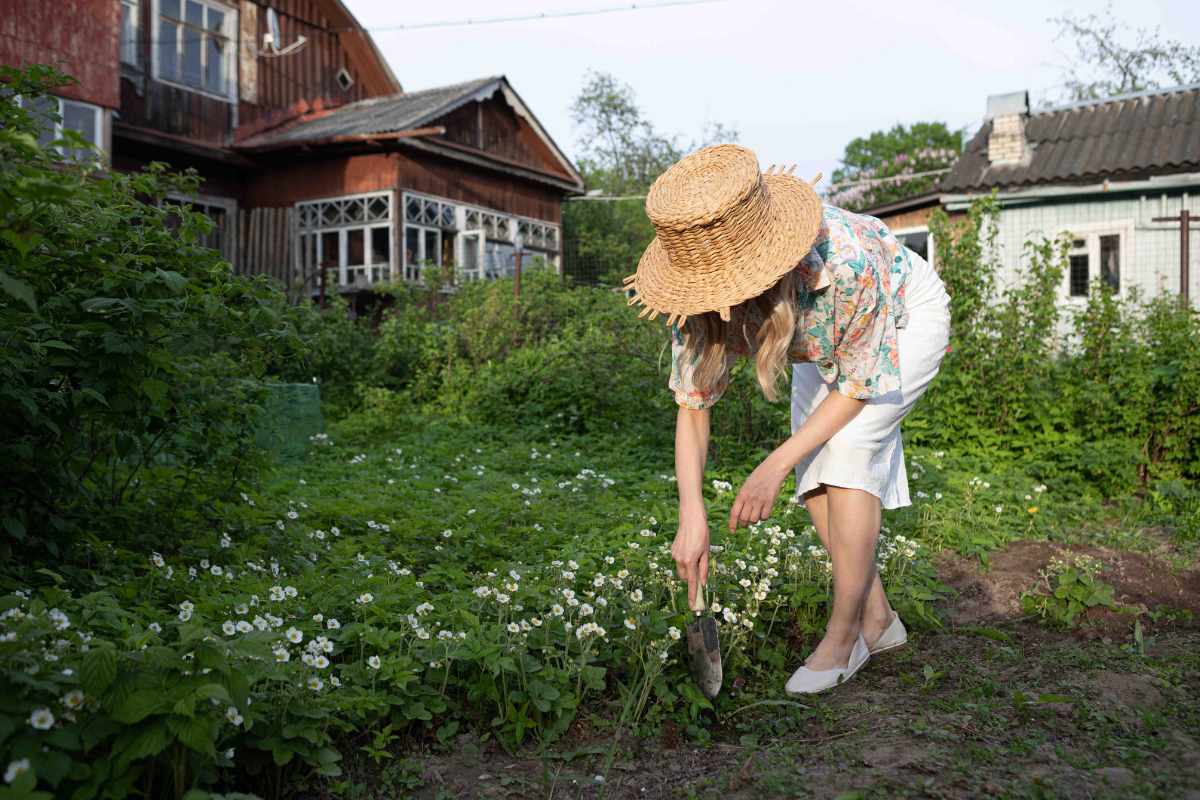
Sun & heat: garden early or late, wear a brimmed hat and sunscreen, sip water regularly.
Back & knees: hinge at the hips, keep loads close, avoid twisting with a heavy shovel—turn your feet instead.
Hands & wrists: wear gloves, take brief shake-out breaks, and vary grip width on tools.
Footing: closed-toe shoes with tread; be cautious on wet grass and slopes.
Recovery: gentle stretching for hips, hamstrings, calves, chest, and forearms after longer sessions.
Health note: if you manage joint, cardiovascular, or metabolic conditions, get personalized guidance before ramping up intensity.

Bottom line: Treat your plot like an outdoor gym with better scenery.
Organize tasks into manageable circuits, aim for steady moderate effort, harvest fiber-rich produce, and protect your joints with smart tools and techniques.
Do that, and your garden will quietly help you move more, burn calories, and feel better—season after season—without a single treadmill in sight.
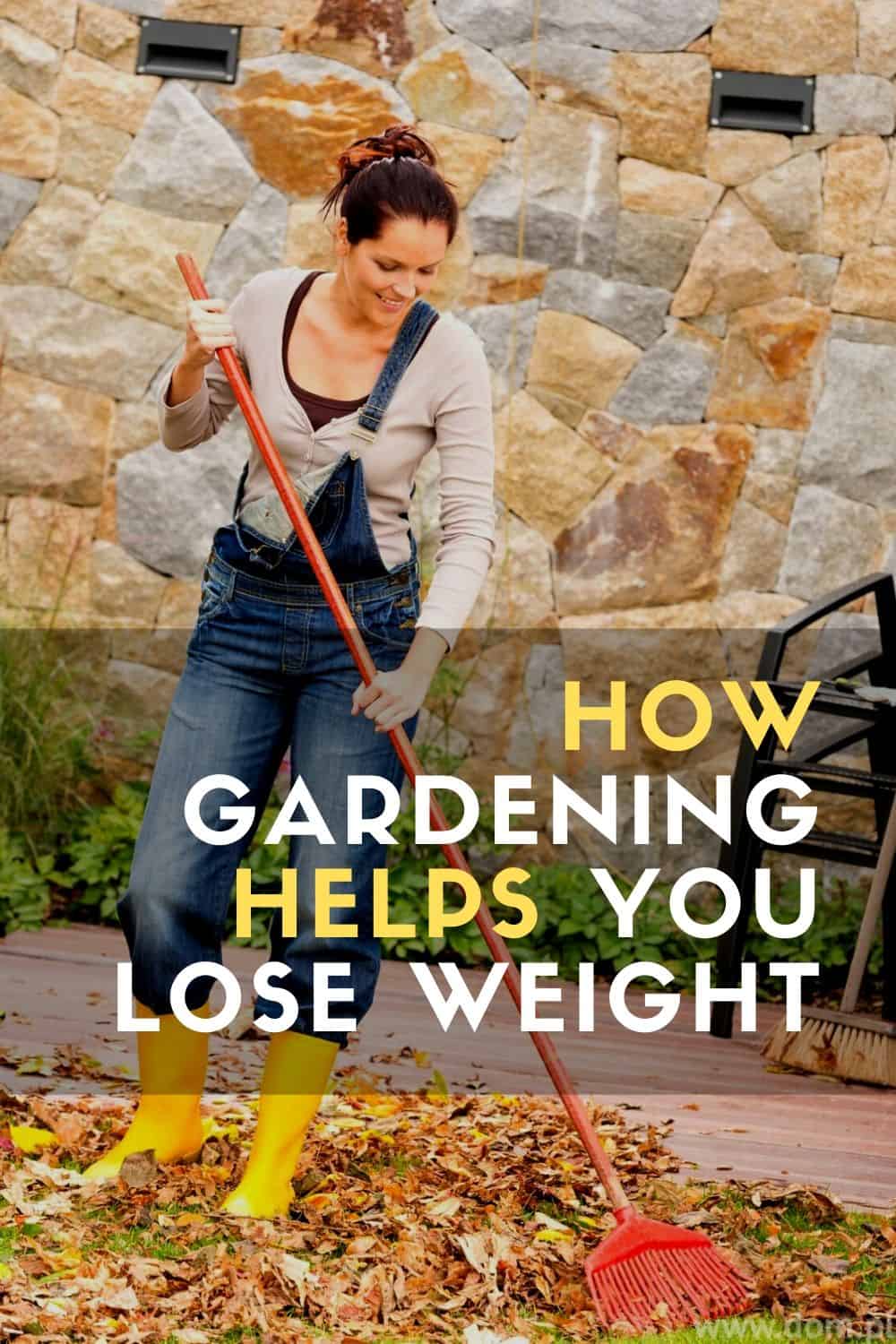
Did you find this post Useful or Inspiring? Save THIS PIN to your Gardening Board on Pinterest! 😊
Once again, thank you for visiting our website!
We hope you've enjoyed exploring the content we've created for you.
Give yourself the chance to learn, get inspired, and have even more fun, keep browsing...
More Gardening Tips 👇🏼👇🏼